Why Is My Dog's Tongue White? 6 Vet-Verified Reasons


You can usually tell when your dog isn’t feeling well; whether they’re lethargic, off food, or just not seeming like themselves. But have you ever checked your canine companion’s tongue when they’re feeling unwell? Why? Because the color of a dog’s tongue can tell you a lot!
And if you’ve noticed that your pet’s tongue is white, or extremely pale, there’s a reason for that—at least six reasons. A white tongue is a definite cause for concern, and whether they are showing any other signs of illness, you should take them to the vet for an urgent check-up.

The 6 Reasons Your Dog’s Tongue Is White
Below are six reasons your dog’s tongue is white (or pale) and what you should do about it.
1. Anemia
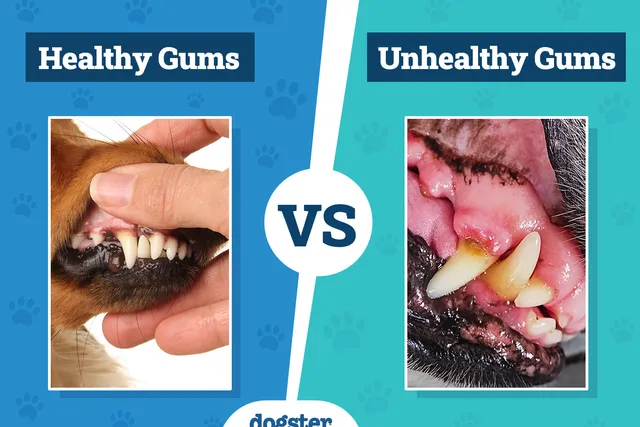
One reason your dog’s tongue may be white is anemia, a serious health problem. What is anemia? It’s a condition that occurs when the number of red blood cells in the body declines, or the amount of hemoglobin inside the red blood cells is low. Hemoglobin is a protein that carries oxygen around the body inside red blood cells, and it is what makes blood look red. Dogs with anemia may have a white or pale tongue, and their gums will be pale as well (unless they have dark pigmented gums).
Anemia can occur as a result of the loss of blood cells (hemorrhage), reduced production of red blood cells (bone marrow disease), or the destruction of red blood cells (hemolysis). It can happen gradually over a period of weeks or months, or hours/days.
You might also see a lack of appetite and an elevated heart rate; you may even notice your pup eating dirt, as anemic dogs will do this to compensate for the loss of iron in their body.
If you believe your pet is anemic, take them to the vet for a check-up to determine the underlying cause.
2. Hemorrhage
A more frightening cause of white tongue in canines is severe bleeding. If your dog is bleeding from a wound, you are likely to notice this right away. However, if your dog is bleeding internally, it may not be so obvious. The lack of blood circulating in the vessels causes the tongue and gums to turn white or pale pink. A dog could suffer from internal bleeding for several reasons, such as cancer, ingesting something toxic, or being hit by a car. They can even be losing blood into their digestive or urinary systems.
Signs of internal hemorrhage will depend on the source of the bleeding, but may include:
Get your dog to the vet immediately if you see any of these signs!
3. Shock
Shock to your dog’s body can also result in a white tongue. This is not the type of shock you get when you are surprised or frightened. There are a number of different types of shock, all of which require emergency veterinary treatment.
They include:
Shock is invariably fatal if not treated quickly. If you suspect your dog could be experiencing shock, take them to the vet immediately.

4. Low Blood Pressure
Low blood pressure (aka hypotension) can cause your pet to faint, experience disorientation or confusion, and have poor circulation (hence the white tongue). If this is the cause of your dog’s tongue being white, you may also see them drinking a lot more water (and urinating more), as well as suffering from general weakness.
Hypotension can happen gradually due to an underlying illness, or rapidly, due to shock or hypovolemia. One way you can tell if your dog might have low blood pressure is by checking their capillary refill time if you can safely examine your dog’s gums. If you press on the gum (in dogs with dark pigmentation of the gums, try to find an area with some pink), the area you press should go pale/white. In a dog with normal blood pressure, the blood flow should return to that spot in 1-2 seconds. If it takes longer than that, you should contact your vet. If the gums are too pale to properly perform this test, you should be on your way to the vet urgently.
If you suspect your dog has low blood pressure, we suggest you speak to a vet.
5. Leukemia
There are several types of cancer that affect dogs, including leukemia. Dogs suffering from leukemia often become anemic, causing their tongue to appear white. This type of cancer is one that happens when the bone marrow produces abnormal white blood cells which spread throughout the body, into the bloodstream, lymphatic system, liver, and spleen. These abnormal cells can stop the bone marrow from producing normal red blood cells, resulting in anemia. In this case, the tongue and gums may appear pale or white, just like with anemia.
Other signs of leukemia include swollen lymph nodes, reduced appetite, lethargy, and a swollen abdomen (due to enlargement of the spleen and/or liver).
If you see any of these signs, even without the pale tongue, you should see your vet urgently. Sadly, leukemia is rarely cured, but the earlier your dog starts treatment, the better the chances that they could have months, even years, in remission.

6. Fungal Stomatitis
Fungal stomatitis, also known as oral thrush, is caused by an overgrowth of the fungus Candida albicans. Too much of this fungus in your dog’s body can cause irritation and inflammation in the gums, tongue, pharynx, and soft tissues of your pet’s mouth. It isn’t very common, but it’s a possible cause of your pet’s white tongue. It usually occurs in dogs that have been on a long course of antibiotics or have a compromised immune system (e.g., hypothyroidism, Cushing’s disease, chemotherapy treatment).
Signs that usually accompany fungal stomatitis include extremely bad breath, gingivitis, open or bleeding sores on the tongue, and drooling. This condition can quickly become very painful, so get your pet to the vet as soon as possible if you believe they are suffering from fungal stomatitis.
Other Possible Causes of a White Tongue
Conclusion
If you notice your dog has a white tongue, it may be a sign of something seriously wrong, and as you can see, several of the conditions that can cause your dog's tongue and gums to appear white are actually interlinked with one another. Some of these issues are more immediate and dangerous than others, but in every case, you’ll want to get your pup to the vet as quickly as possible to get them checked out. The sooner you get your dog to the vet, the faster treatment can begin for any health issues they’re experiencing.
See also:
Sources
Featured Image Credit: VeronArt16, Shutterstock
Expert dog care, straight to your inbox
News, insights, expert advice, and everything dog.

No spam — unsubscribe anytime.
By signing up, you agree to our Terms & Conditions and Privacy & Cookies Policy.
How useful was this post?
Click a star to rate. You can leave written feedback afterwards. (We read all feedback.)
Misty Layne lives out in the woods in small-town Alabama with her two Siamese - Serafina & Jasper. She also has an array of stray cats, raccoons, and opossums who like to call her front porch home. When she’s not writing about animals, you’ll find her writing poetry, stories, and film reviews (the animals are, by far, her favorite writing topic, though!). In her free time, Misty enjoys chilling with her cats, playing piano, watching indie and foreign films, photographing abandoned places, and catching up on her never-ending TBR list.