Can Dogs Die From Fleas? Vet-Reviewed Facts & Prevention Tips


In this article
One of the most common health issues that dogs can experience is flea infestations. While these tiny pests may seem harmless, they can cause a range of health problems for the affected pup. One question that many pet owners ask is whether dogs can die from fleas.
While it is rare for a dog to die directly from flea bites, these pests can cause serious health issues that can be life-threatening. In this article, we explore the dangers of fleas for dogs and what you can do to protect your pet from these pesky parasites.

How Fleas Can Harm Your Dog
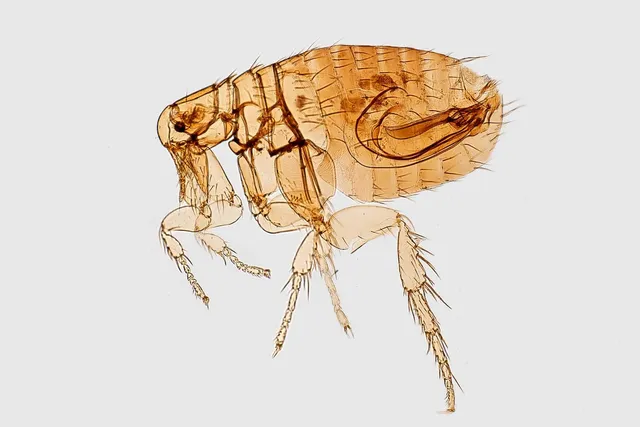
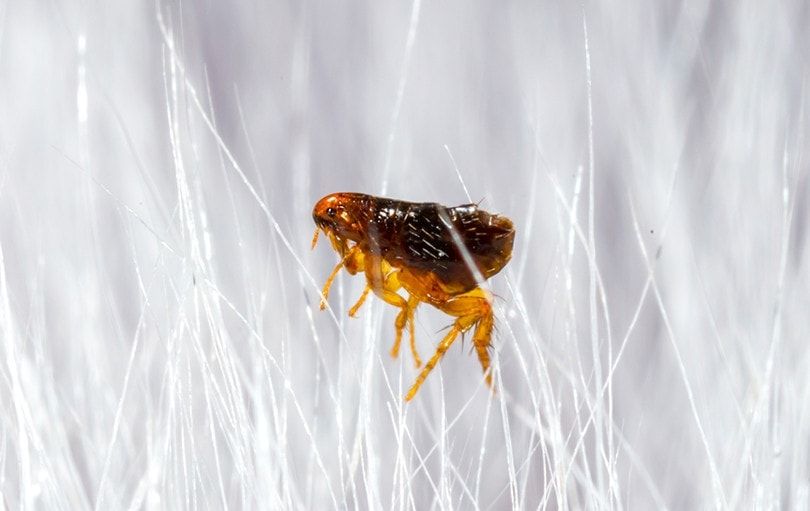
Fleas are tiny, laterally compressed (flat), wingless insects that feed on the blood of animals. Although fleas are generally associated with a specific host species, fleas aren’t host-specific. Instead, they are host preferential. This means different species of fleas prefer certain species of animals as hosts. However, they will readily feed on other hosts if the opportunity presents itself. The dog flea is known as Ctenocephalides canis. Interestingly, though, many dogs are often infested by Ctenocephalides felis (the cat flea).
When a flea bites your dog, it injects saliva into the skin. A flea’s bite is not itchy in the strictest sense. Its saliva contains a range of substances that often cause an allergic reaction in your pet, known as flea allergy dermatitis. The most common signs of flea bites include itching, scratching, restlessness, self-bites, and redness of the skin. Running a hand through your dog’s fur may reveal “salt and pepper” granules. These are the eggs (white “salt") and feces (black or brown “pepper”) of the fleas.
Flea populations are usually comprised of 50% eggs, 35% larvae, 10% pupae, and 5% adults.

Since flea adults constitute the smallest portion of a population, they can hide in your pet’s fur, are difficult to see, and are quick to jump away when noticed. Even a single flea sighting is considered an infestation and a problem that needs to be addressed by your veterinarian.
In severe cases, fleas can cause anemia, which occurs when the number of red blood cells in the body drops to a level below normal. Flea infestations can also lead to other health problems. When a dog ingests fleas while grooming, they can develop tapeworms, which can cause weight loss, diarrhea, and other digestive issues. Fleas can also transmit diseases like Lyme disease to both dogs and humans.
It’s important to note that flea infestations can affect dogs of all ages and breeds. Even if your pup doesn't spend much time outside, they can still be at risk of flea infestations. Fleas can hitch a ride on clothing, shoes, and other items and be brought into the home.
Other Health Risks Associated With Flea Infestations
Flea infestations can lead to various health issues in dogs. For example, flea allergy dermatitis can cause secondary skin infections, which can be painful and require antibiotics to treat. Fleas can also transmit diseases like Bartonella. In parts of the U.S., fleas have been implicated as vectors for the plague.
Besides all that, flea infestations can be stressful for dogs and lead to behavioral problems like anxiety and aggression. It's important to address flea infestations promptly to prevent these issues from occurring.

A Bit About the Flea Life Cycle
To understand how to prevent and treat flea infestations, it helps to get some insight into the flea life cycle. Adult fleas produce eggs within 48 hours of a blood meal on your dog. The eggs take anywhere from 2 days to 2 weeks to hatch (depending on factors like ambient temperature and humidity) into larvae. The larvae take anywhere from a week to several months to mature into pupae. Finally, the pupae mature into adults in 5 to 14 days. The entire life cycle can be completed in as little as 3 weeks but may take as long as 2 years. As mentioned, the majority of a flea population isn’t the adults, but rather the eggs and other life-stage forms. It should also be noted that fleas can live for several months without a host, which means that even if your dog is treated for fleas, there may still be flea eggs, larvae, and pupae in your home. This is why flea treatment and prevention protocols should be implemented simultaneously.
Signs of Flea Infestations
The most obvious sign of a flea infestation is seeing fleas on your dog's skin or fur. However, not all dogs will show visible signs of an infestation. Some dogs may be allergic to flea saliva and develop flea allergy dermatitis. This can cause intense itching and scratching, which can lead to skin infections.
Other signs of flea infestations include:
If you notice any of these signs, it's important to take your dog to the vet for a diagnosis and treatment plan.

Flea Treatment and Prevention Tips
Flea treatment and prevention protocols usually go hand in hand. Meaningful control over a flea problem cannot be achieved until both are implemented.
Flea Medication
One of the most effective ways to prevent and treat fleas is to use flea medication. It comes in various forms, such as topical solutions, pills, and collars. These work by killing fleas and preventing their eggs from hatching (via insect growth regulators), thus breaking the flea life cycle.
It is recommended that you consult with your vet to determine which medication is most suitable for your dog based on their age, weight, and overall health status.
Regular Grooming
Grooming is also an essential part of flea treatment and prevention. Regularly brushing your dog's coat will help you detect any signs of fleas. You'll also want to look for what's called "flea dirt." These are small, black-colored specks on your dog's skin, which is actually dried blood from flea bites. So, if you notice any signs of fleas or flea dirt, you should take action immediately to prevent a full-blown infestation, which will take more effort to treat.
Flea Comb
A flea comb is a useful tool for treating dog fleas. It has fine teeth (which are typically metal) that are designed to remove adult fleas and their eggs from your dog's coat. It's also useful for removing adult fleas. When using a flea comb, be sure to comb your dog's entire body thoroughly, paying close attention to areas where fleas like to hide, such as behind the ears and on their rump.

A Clean House
Keeping your home and yard clean is a vital step in flea control. Fleas thrive in warm and humid environments, so regular vacuuming of carpets, rugs, and upholstery can help remove any fleas or eggs that may be present. Always wash your dog's bedding regularly, and clean all areas where they spend time, including furniture and car seats. Also, keep your lawn trimmed short to reduce flea habitats.
Baths
Another tip for flea treatment and prevention is to regularly bathe your dog with flea shampoo. It contains ingredients that kill fleas on contact and can help soothe any itching or irritation caused by flea bites. However, it's best to follow the shampoo's instructions carefully and not use it too frequently, as it can dry out your dog's skin.
Best Ways to Treat Flea Infestations on Dogs
Having fleas can be one of the most uncomfortable conditions for your dog, and they can cause serious issues if not treated effectively and regularly. Here are the most common methods used by owners and recommended by vets to treat fleas.
Anti-flea Medication
The most popular and effective method for treating dog fleas is using flea medication. It comes in various forms, such as spot treatments, oral tablets, and collars. Spot treatments are applied directly to the skin of your dog's neck or back, while oral tablets are given orally. Collars are worn around your dog's neck and release chemicals that repel fleas. These medications work by killing the adult fleas and preventing the development of flea eggs. You can get this medication directly at your vet's office during a visit, or they can give you a prescription.
Anti-flea Shampoos
Another effective method for treating dog fleas is flea shampoo. It contains pesticides (most commonly, fipronil, pyrethrins, and permethrin) that kill fleas on contact. It can also help soothe your dog's skin and coat, providing relief from itching and irritation. These shampoos are easy to use and can be incorporated into your regular grooming routine. However, they may not be as effective as other treatments, and you may need to use them more frequently. But be sure to read the instructions with respect to frequency and dilution. Never use flea shampoo intended for dogs on cats or vice versa.

Can My Dog Give Fleas to My Cat?
IMPORTANT
Yes, dogs can give fleas to cats. Unfortunately, fleas can easily spread from one animal to another through contact or sharing of bedding. Dogs can carry fleas in their fur, and if they come into close contact with a cat, the fleas can jump onto the feline's fur. Once on the cat, fleas can quickly multiply and cause discomfort to both the feline and the owner. So, be sure to regularly check your dogs and cats for fleas and treat them appropriately with flea-preventative measures like collars, topical treatments, or oral medications.

Conclusion
Flea infestations are a serious threat to your dog's health and well-being. While it's rare for dogs to die directly from flea infestations, the parasites can cause a range of health problems that can be fatal if left untreated. As a responsible pet owner, take flea infestations seriously, and try to prevent them as much as possible. If your pup should happen to get fleas, be sure to respond immediately by asking your vet for recommendations on the best treatment and prevention methods. See Also:
Sources
Featured Image Credit: February_Love, Shutterstock
Expert dog care, straight to your inbox
News, insights, expert advice, and everything dog.

No spam — unsubscribe anytime.
By signing up, you agree to our Terms & Conditions and Privacy & Cookies Policy.
How useful was this post?
Click a star to rate. You can leave written feedback afterwards. (We read all feedback.)
Nicole has loved animals of all sizes her whole life so it's no wonder she has dedicated her career to helping them through what she loves best: learning, writing, and sharing knowledge with others. She’s the proud mom of two dogs, a cat, and a human. With a degree in Education and 15+ years of writing experience, Nicole wants to help pet parents and pets around the planet to live happy, safe, and healthy lives.