Can Dogs Get Lice From Humans? Vet-Approved Facts & FAQ



In this article
You might have experienced the discomfort and annoyance of dealing with lice at some point in your life. These tiny, flat, and wingless insects can cause itching and irritation as they make themselves at home in human hair. But what about our canine friends? Can they catch lice from us? The short answer is no, dogs can’t get lice from humans!
Lice are species-specific meaning human lice stay on humans, however, dogs can become infested with dog lice. Keep reading to learn more about canine lice, how to get rid of them, and why you luckily won't find these particular parasites in your own scalp!

What Are Canine Lice?
Humans have their own species of lice, the most common being Pediculus humanus capitis (head louse). Dogs can be infested by three species of lice:
- Trichodectes canis, a chewing louse found globally which primarily infests dogs and closely related wild canids, including coyotes and wolves.
- Linognathus setosus, a bloodsucking louse.
- Heterodoxus spiniger, a biting louse which is rare in North America. It tends to affect wild canids and is mainly in dry tropical countries, such as Egypt.
Human lice cannot live on canines and vice-versa. So, now you can have the peace of mind knowing that your pup won't catch lice from snuggling up with you on the couch!

How Often Do Dogs Get Lice?
Now that you know that dogs can't get lice from humans, you might be wondering how often dogs actually do get lice. The truth is, while it's not that common, it's not unheard of either. Dogs can get lice from other dogs, particularly if they spend time in close quarters with an infested pup.
Is It Common for Dogs to Get Lice?
In general, lice infestations are less common in dogs compared to other parasites like fleas or ticks. However, it can still happen, especially in environments where dogs are in close contact with each other, such as kennels or shelters. Additionally, dogs with compromised immune systems or poor grooming habits may be more susceptible to lice infestations.
What Are the Signs of Lice in Dogs?
If you suspect that your dog may have lice, it's essential to know the signs to look out for. Common signs of lice infestation in dogs include:
- Excessive scratching or biting at the skin
- Visible nits (lice eggs) or adult lice in the dog's fur
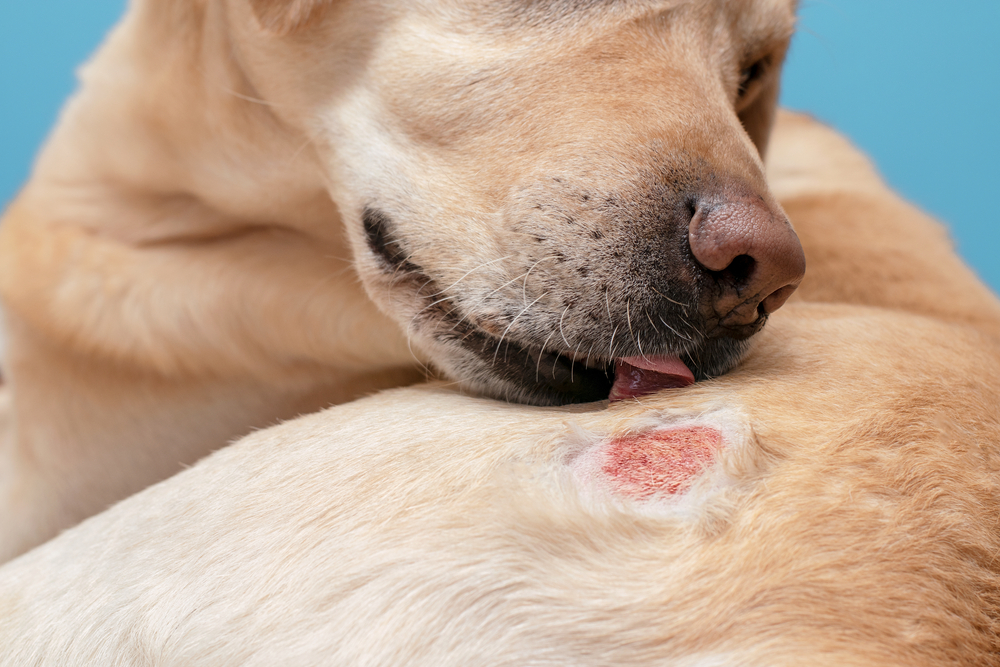
- Redness or irritation of the skin
- Hair loss or thinning in affected areas
If you notice any of these signs in your dog, consult with your veterinarian for proper diagnosis and treatment.

How to Prevent Your Dog From Getting Lice
While lice on dogs are not as common as some other parasites, prevention is still crucial. Here are a few tips to help keep your furry friend lice free:
- Practice good grooming habits, such as regular baths and brushing.
- Avoid letting your dog come into close contact with unfamiliar or infested dogs.
- Keep your dog's living environment clean and well-maintained.
- Use preventive measures if necessary, such as medicated shampoos or spot-on treatments recommended by your veterinarian.

Other Tips for Keeping Your Dog Free of Lice
- Avoid any contact with other infested dogs. If you know or suspect that another dog is infested with lice, avoid letting your dog come into close contact with them. Lice are primarily spread through direct contact, so minimizing exposure to infested canines can help reduce the risk of transmission.
- Clean their living environment. Lice can survive in your dog's environment, so keep it clean and well-maintained. Regularly clean your dog's bedding, toys, grooming equipment and living areas to remove any potential lice or eggs. Vacuuming carpets and furniture can also help get rid of lice and their eggs.
- Talk to your vet about preventive strategies. These may include medicated shampoos, spot-on treatments, or oral medications that are safe and effective for preventing lice infestations. Your veterinarian can recommend the best option for your dog based on their age, health status, risk and lifestyle.
- Keep an eye out for any signs of lice infestation in your pup. These can include excessive scratching, visible nits or adult lice in their fur, redness or irritation of the skin, or hair loss. If you suspect that your dog may have lice, consult with your veterinarian for proper diagnosis and treatment.


Frequently Asked Questions (FAQ)
Can I Use Human Lice Treatments on My Dog?
No, it's not recommended to use human lice treatments on dogs. These products are formulated specifically for human hair and may be toxic or ineffective for canines. Always consult with your veterinarian before using any treatment on your pet.
Can My Dog Give Lice to Other Animals?
While dogs cannot transmit lice to humans, they can pass lice to other dogs through close contact. It's essential to practice good hygiene and prevent infestations by regularly grooming and monitoring your pet's health.

How Long Does It Take to Treat Lice in Dogs?
The duration of treatment for lice infestations in dogs can vary depending on the severity of the infestation and the chosen treatment method. Your veterinarian can provide guidance on the best course of action and how long treatment may take.
Conclusion
While the idea of “sharing” lice with our beloved companions might be unsettling, rest assured that it's not something that you need to worry about. Dogs can’t get lice from us humans as these pesky parasites are species-specific, meaning they don’t transfer from us to our dogs. That said, they can pick up dog lice, so understanding the reasons, recognizing the early signs of a canine lice infestation, and working with your veterinarian will go a long way toward keeping your four-legged best friend healthy, happy, and itch free!
See also:
Sources
Featured Image Credit: khunkornStudio, Shutterstock
Expert dog care, straight to your inbox
Vet-reviewed advice, training tips, and the best of Dogster. Free, and you can unsubscribe anytime.
By signing up, you agree to our Terms & Conditions and Privacy & Cookies Policy.
A biologist and science writer, Genevieve has a special fondness for capuchin monkeys, pumas, and kangaroos, which has inspired her to volunteer and work at wildlife rehabilitation centers in countries like Bolivia, Guatemala, Canada, and Australia. Now living as a Canadian expat in Argentina, she enjoys the sight of horses and cows outside her home office window every morning. Genevieve is the proud owner of three rescue dogs—Lemmy, Nala, and Pochi—and a lively kitten named Furiosa. She finds happiness and fulfillment in sharing her passion and extensive knowledge of animals with others.
Join the conversation
Ask a question, share your story, or send private feedback.