Is Mange Contagious to Other Dogs? Vet-Verified Facts & FAQ


In this article
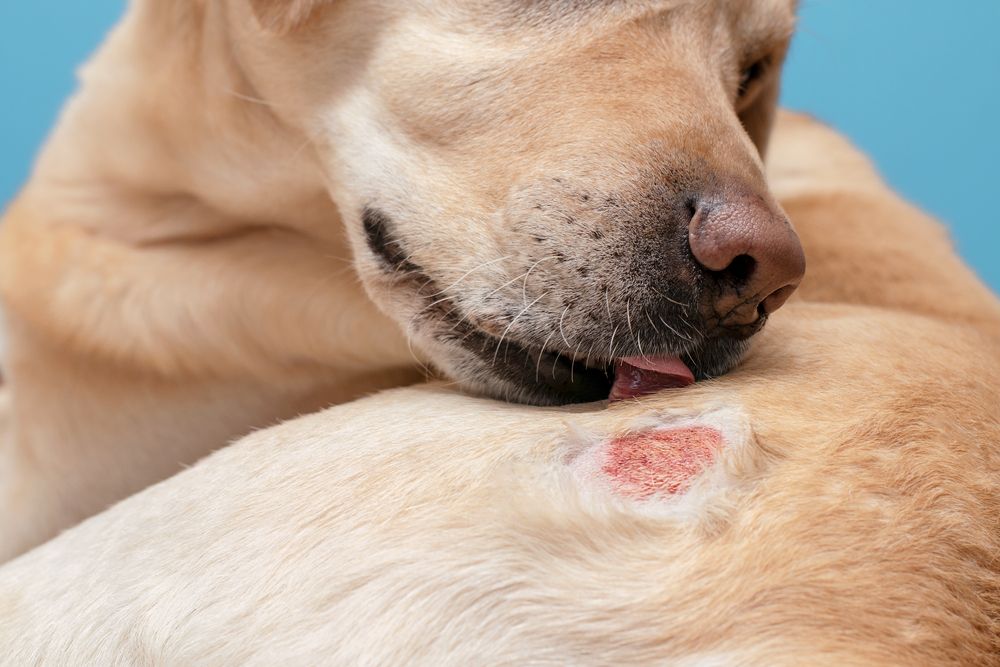
Mange is an often horrible and painful skin disease in dogs that is caused by mites. If you’ve ever seen pictures of dogs with mange, you know how awful it can be, so it’s important for owners to familiarize themselves with the condition. There are two main types of mange that affect dogs, sarcoptic and demodectic, and they differ in several ways. The former is highly contagious to both humans and dogs, while the latter is not. Read on to learn more about mange and what to do to minimize the likelihood of your pup passing it on if they catch it.

What Is Mange?
Mange is a skin disease caused by mites. There are two main types that can affect our canine pals: sarcoptic mange and demodectic mange. It’s important to recognize the difference between the types as they have different causes and treatments.
Sarcoptic mange, also known as canine scabies, is much less common than demodectic mange. It’s caused by a parasitic mite (Sarcoptes scabiei) that burrows underneath the skin’s surface. The mites feed on material in and on a dog’s skin. This condition can be extremely itchy and debilitating. Sarcoptic mange is often seen in stray dogs, or those that have been neglected.
Demodectic mange, also known as red mange, is a skin condition caused by demodex mites,primarily Demodex canis. Whereas sarcoptic mange occurs underneath the skin’s surface, demodectic mange happens in the hair follicles and sometimes sebaceous glands. All normal, healthy dogs have Demodex parasites on their skin, but so long as their immune system functions as it should, the mites are harmless. They are passed to puppies from their mothers a few days after birth.
Dogs with demodectic mange typically have an immature or weakened immune system that allows the skin mites to reproduce rapidly. This type of mange occurs primarily in dogs less than 18 months old. However, adult dogs, especially seniors, may also develop demodectic mange. Adult or senior dogs that develop demodectic mange will usually have a weakened immune system for one reason or another.

Is Mange Contagious to Other Dogs?
Sarcoptic mange is highly contagious to other dogs. It can be spread via direct contact and from the environment, for example through shared bedding. Though rare, dogs can even catch it from infested foxes.
Sarcoptic mange is also a zoonotic disease, meaning it is also transmissible from pets to people. However, sarcoptic mites are not able to complete their life cycle on humans, so while infestations are extremely itchy and irritating, they are generally short-lived.
Demodectic mange, on the other hand, is not contagious to humans and not typically contagious between adult dogs. Since most dogs have demodectic mites on them, introducing a healthy dog to one with demodectic mange is not risky as their immune systems will kick in and keep them protected.
How Can I Stop Mange From Spreading?
If you live in a multi-dog household and one pup is diagnosed with sarcoptic mange, you’re probably wondering how you can stop your other pets from getting it. The only way is to isolate the affected dog and avoid close contact between the two pets. However, non-infected dogs should also be treated by your veterinarian, even if they don’t show any signs of the condition.
To protect yourself from getting mange, wear gloves and wash your hands after touching your pets (even if they’re not showing signs of the disease). Environmental disinfection is very important when treating scabies. Follow your vet’s advice -you’ll need to wash all clothing, towels, and bedding with hot soap and water. You should also wash your pup’s collars, harnesses, crates, toys, bowls, and bedding or replace them altogether.
If you like to talk with a vet to clear out any other doubts you might have regarding this topic, you can consult one online.
Final Thoughts
Dog owners need to know and understand the differences between the two types of mange. Sarcoptic mange is very contagious to other dogs (and humans), while the demodectic type is typically not contagious. Both forms of mange are uncomfortable conditions for your dog, and should be checked by a vet as soon as possible. See Also:
Sources
Featured Image Credit: fetrinka, Shutterstock
Expert dog care, straight to your inbox
News, insights, expert advice, and everything dog.

No spam — unsubscribe anytime.
By signing up, you agree to our Terms & Conditions and Privacy & Cookies Policy.
How useful was this post?
Click a star to rate. You can leave written feedback afterwards. (We read all feedback.)
Chantelle is passionate about two things in her life – writing and animals. She grew up on the prairies of Canada surrounded by animals and as an adult, she choose to share her home with five cats, two guinea pigs, and a bearded dragon. Chantelle, her husband, and their child take great pride in being great animal parents- the ones who spend a thousand dollars on wall-mounted cat shelves so that their cats can have an indoor jungle gym all year round. When Chantelle isn’t snuggling her cats on the couch or taking pictures of them being funny, she’s outside exploring in the Rocky Mountains, binging the same shows on Netflix over and over, and reading about whatever random topic pops into her brain.