Pitbull vs. Husky: Notable Differences (With Pictures)

In this article
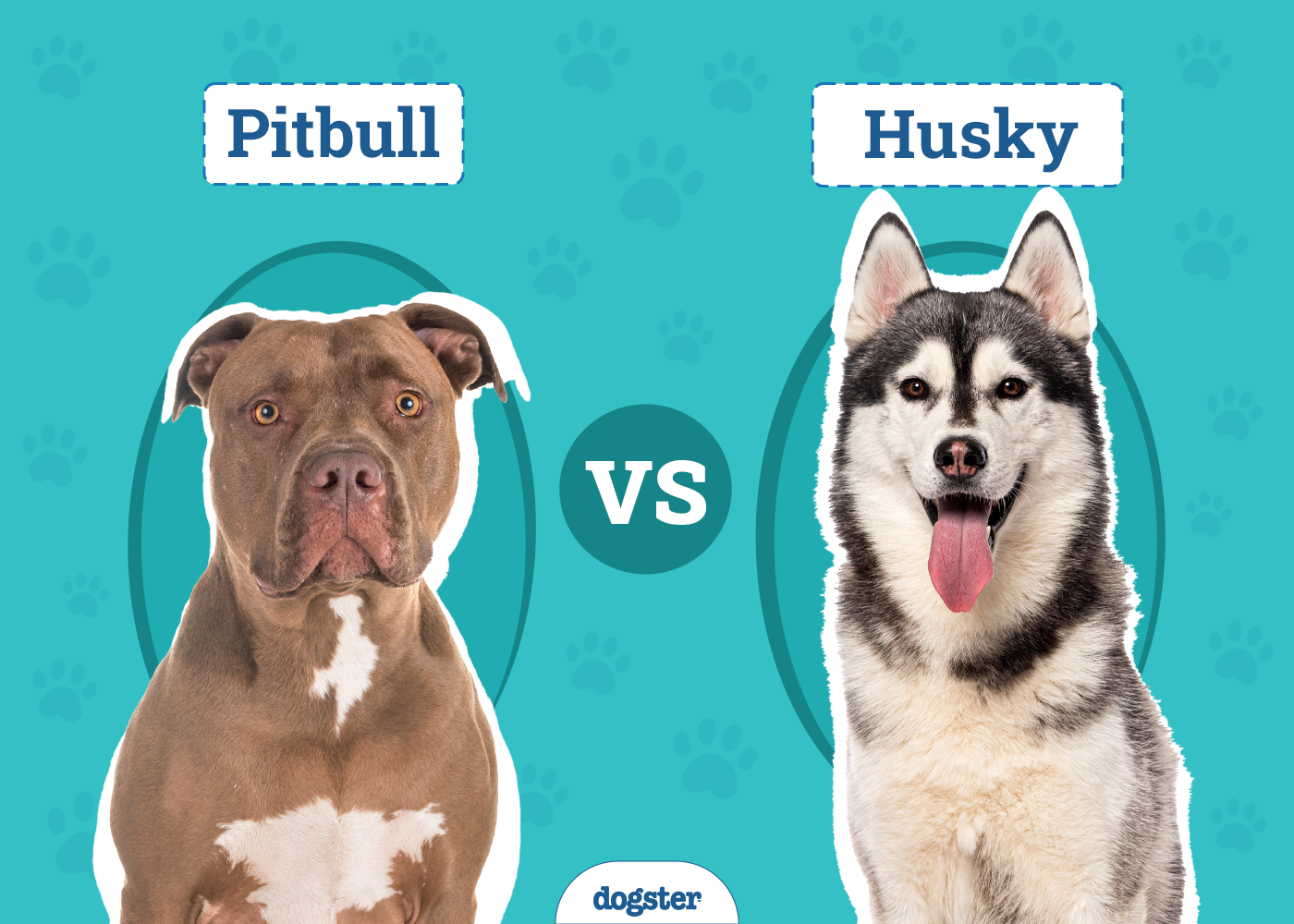
Among the medium to large dog breeds, the Siberian Husky and American Pitbull Terrier are special standouts. The Husky is known as an independent and energetic companion, while the Pitbull is more loving, affectionate, and loyal. Both breeds can be excellent choices for active households but have some important key differences you should be aware of before committing to either breed. Tune in with us below as we cover the most important characteristics of both the Pitbull and Husky and how to choose which breed is right for your home.

Visual Differences

At a Glance

Pitbull Overview

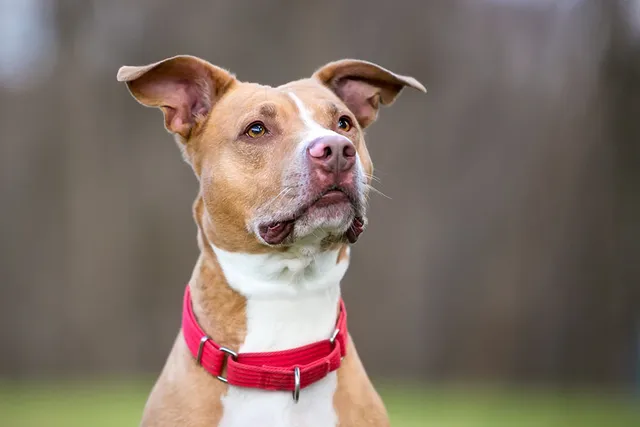
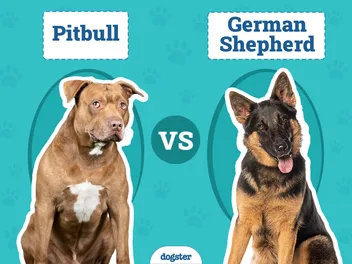
The American Pitbull Terrier, also called the Pitbull or Pit, has had a turbulent history. It traces back to the 19th century and two now-extinct dog breeds: the Old English Bulldogs and the Old English Terriers. They were originally bred for blood sports like bull baiting and dogfighting, but now they are general companion or family dogs. Pitbulls quickly became an American icon in the early 20th century for their perseverance, fun-loving attitude, and loyalty.
Today, Pitbulls have a bad reputation due to their association with dogfighting, but they’re loving family dogs at heart. Pitbulls come in a variety of colors, like black, white, fawn, brindle, black, brown, gray, blue, and more. They’re athletic dogs perfectly suited as therapy, working, companion, or family dogs but may require patience due to a stubborn streak.
Personality
Pitbulls are naturally reserved towards strangers and prefer to be with their families. They love to hang out around the house, but especially love playing tug-of-war or fetch out in the yard too. They have a bad rap as being aggressive, but they’re not any more aggressive than other big dogs with the proper training.
Pitbulls can challenge your boundaries and keep you on your toes, but you’re always the one they look to for love and comfort. Make sure you can give them the exercise they need, too, because that’s essential for preventing any aggressive tendencies early on.
Training 🎾
Training a Pitbull is like training any other dog but may require some more patience and perseverance. They love to please you but can be stubborn sometimes, so have plenty of treats on hand. Pitbulls are very athletic and do great with sports like agility courses and obstacles, so expect lots of playtime interspersed with your training sessions.
Despite their macho reputation, Pitbulls are very sensitive creatures, and you should never raise your voice or use any negative discipline methods. It’s not just mean but makes them fearful and possibly even aggressive. Training a Pitbull from a puppy using only positive reinforcement techniques is far easier than training an older adopted dog who may have been abused or trained with inconsistent methods.
Pitbulls may challenge your authority or become rowdy on occasion, but they don’t really mean any harm by it. Using crate training to enforce quiet time and naps will be essential during the early months for Pitbull puppies, but you have to make the crate a positive space. Crate training alone could take up a whole other article, but it’s definitely worth looking into.

Health Care
Pitbulls are vulnerable to several common issues that plague a lot of larger dogs, which is why keeping up to date with vet checkups and vaccinations is essential for their development in both young and old age. For reference, take a look below at our list of the most common health problems for Pitbulls.
Common Pitbull Health Conditions:
Suitable For:
Pitbulls are devoted, affectionate companions for any active household, though families with younger kids will need to provide supervision. They love to frolic and roughhouse outside or curl up inside for some quiet time. Early socialization is critical in a growing Pitbull’s development to keep them happy and reduce potentially aggressive behavior. We don’t recommend them for homes with cats or small pets because of their high prey drive, but it’s possible to acclimate them to other pets with enough patience.
Husky Overview

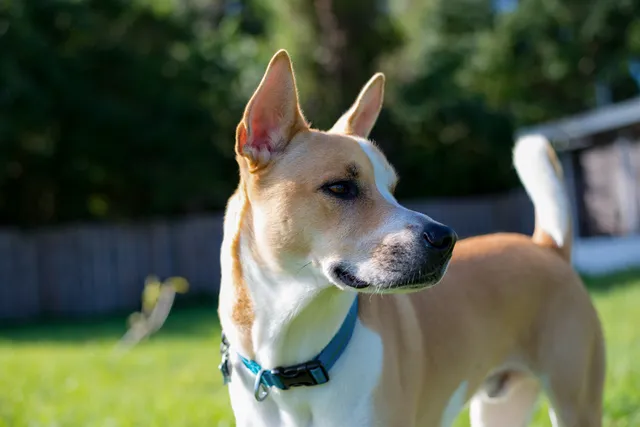
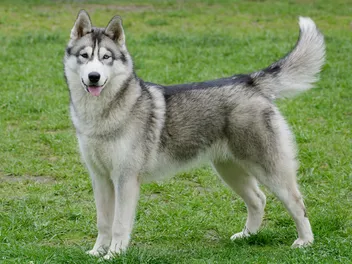
The Siberian Husky is a classic wolf-looking breed descended from sled dogs in Siberia that emigrated to Alaska to continue sledding in the US. Huskies are known for their boundless energy and gregarious, bigger-than-life personalities, plus they’re infamous escape artists. You can identify a Husky by its erect triangular ears, fluffy double coat, and characteristic wolf-like head.
Huskies are quirky, vocal pets that make poor guard dogs because of their friendly persona. They’re high-energy dogs that need lots of room to explore and run, but they love being with their people too. They’re very bright, which makes training easy, but they have an independent streak that makes them best suited for experienced dog owners.
Personality
Huskies are extremely friendly and love attention, but they’re not couch potatoes. They’re equally happy to go frolic in the yard, run long distances, play games, or hang out inside. Their intelligent, curious nature makes them a treat to be around, and they don’t have a mean-natured bone in their bodies. Huskies warm up easily to strangers, so they’re a bad choice if you want a guard dog.
They do, however, develop a close bond with their families. Huskies do well with other dogs, especially big dogs, but have a strong prey drive toward pets like rabbits and cats that can extend to smaller dogs in some instances. As with any breed, socialization and plenty of patient training help temper their bad behavior and get them used to coexisting with other pets. Huskies are notoriously picky eaters, too, so you have your work cut out for you finding treats to help speed training along.
Training 🎾
As mentioned above, Huskies are picky eaters, so you’ll have to experiment to find treats that will help incentivize training and obedience. They’re pack dogs, so they’re naturally inclined to learn, but they’re hyper too. That means you’d do best with shorter training sessions from a young age, and to include mental games in your training to tucker out their overactive brains.
Positive reinforcement is suggested for all dog breeds, and Huskies thrive on it. They’re sensitive and respond poorly to harsh words but learn fast with a steady hand and firm boundaries. A secure yard is highly recommended to prevent them from escaping, and both early leash and crate training help encourage obedience later in life too.

Health Care
Huskies are susceptible to their fair share of health issues, like any dog, and it’s important to know what type of conditions they could face. The Husky’s double coat will need more grooming than a Pitbull’s short coat, so be prepared for dog hair everywhere! Regular checkups with a trusted vet are a must, and they’ll be able to observe for early signs of serious health conditions. Check out the most common Husky health problems below so you know what to expect.
Common Husky Health Problems:
Suitable For:
Huskies are unflaggingly positive companions and perfect for nearly any household that can satisfy their huge need for exercise. Ideally, you’d have a secure outdoor yard for them to run, but access to a dog park or other outdoor area works too. The Husky’s strong prey drive makes them poor roommates with cats and small animals, but they get along well with big and small dogs as well with enough socialization.
Which Breed Is Right for You?

Huskies and Pitbulls are both athletic large dog breeds, but it depends on what you’re looking for. Huskies are friendly toward everyone, while Pitbulls get more attached and possessive of their family. Huskies also need more exercise than Pitbulls, but both breeds need lots of exercise and mental stimulation to curb bad habits like chewing. Grooming is another consideration, too. Huskies need a lot more grooming and cleaning than Pitbulls on average. Pitbulls are also a better choice for a guard or watchdog because they’re naturally wary of strangers. You always have to factor in the temperament of the individual dog as well, as some Huskies are more reserved than others, just like some Pitbulls are more gregarious. See also:
Featured Image Credit: Dogster/Shutterstock
Expert dog care, straight to your inbox
Vet-reviewed advice, training tips, and the best of Dogster. Free, and you can unsubscribe anytime.
By signing up, you agree to our Terms & Conditions and Privacy & Cookies Policy.
Codee Chessher is a freelance writer whose motto is: there is nothing a well-worded sentence can't accomplish! He loves to write about pets, travel, DIY, and more. Codee's experience is varied, but the written word has always been his strongest and biggest passion.
Join the conversation
Ask a question, share your story, or send private feedback.