Male vs Female Pug: The Key Differences (With Pictures)

In this article
So, you’ve done your research, and you’ve decided on getting a Pug! Congratulations! Pugs are an extremely popular pet dog breed, and for good reason. Their goofy personalities and strange cuteness are just irresistible to most people. They also make excellent companions with their affectionate and loving side.
But now you have another choice to make, do you get a male Pug or a female Pug? A tough one, I know. You may suggest getting one of each! But, if you have to pick between the two sexes, you will want to know all the information about each sex.
Overall, sex won’t drastically change the personality of your Pug. But there are some fundamental differences between the two, so let’s go over them in detail so you can choose the best Pug to fit into your family and household.

Visual Differences

At a Glance
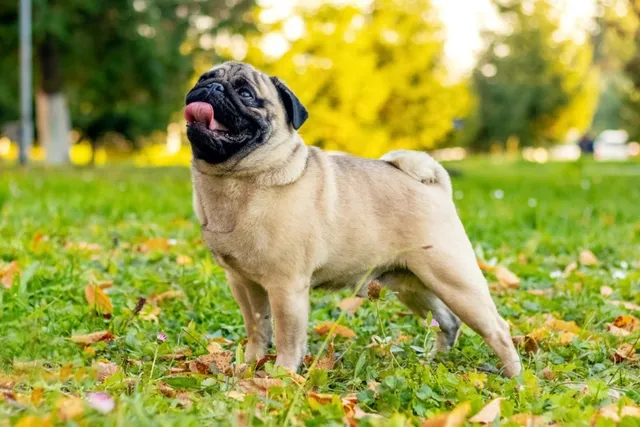
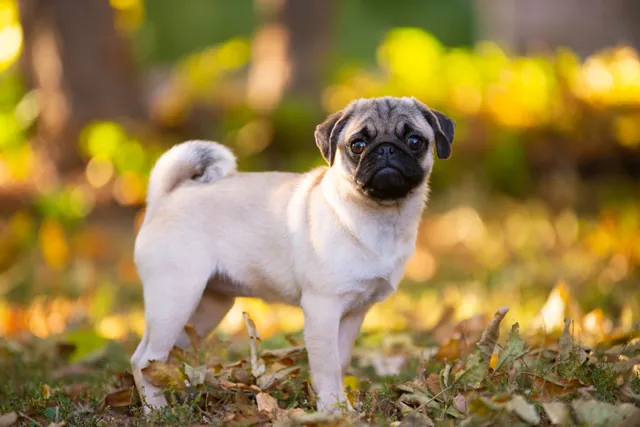
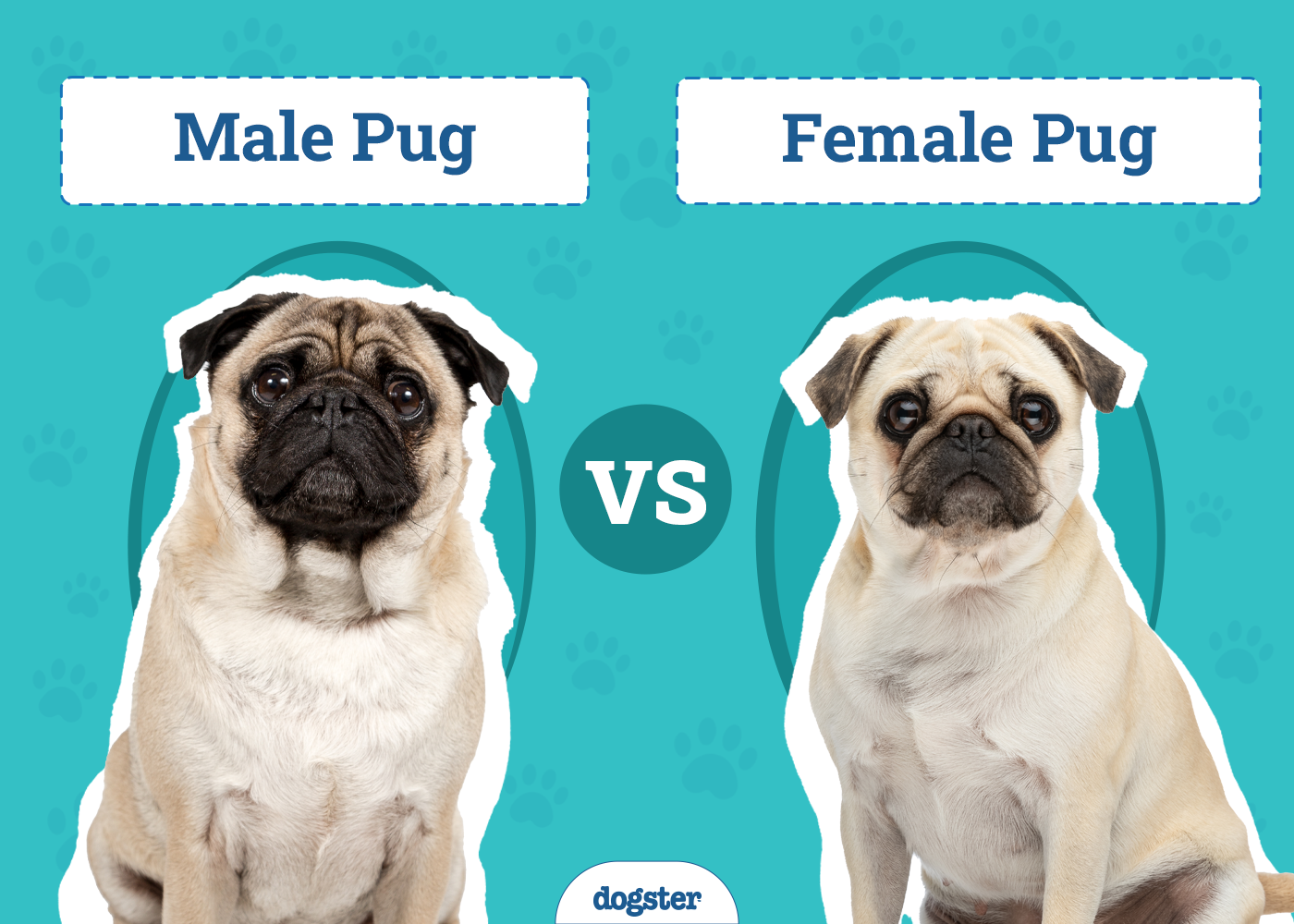
On average, the male Pug will grow to be taller and heavier than their female counterparts. This is due to the male hormones in their adolescent years that fuel growth periods. These hormones make them larger and bulkier to present as more physically fit to potential mates and male competition. However, there is some cross-over with the general height and weight of male and female Pugs. This means you may get a male Pug on the smaller side or a large female Pug. There is no real way of determining how large they will grow when they are just puppies but looking at their parents may give you some insight into the size they may be likely to inherit.
Pug Breed 101
Pugs have almost a famous cult following of fans. Originally hailing from China, their short stature and stub faces have charmed people worldwide and become very popular pets. They offer endless love to their families and constantly entertain with their mischievous and cheerful personalities.
Unlike many other dog breeds, the Pug was not bred for any working purpose. They possess no desire or athleticism that aligns with hunting or service. Instead, they were bred to be humble companions - a role they enthusiastically fill! Unfortunately, for Pug owners, this self-serving spirit means they can be a challenge to train. With lots and lots of treats, early and consistent training will help train general manners to your pet Pug.
Pugs make great companions for their flexibility. They are not overly active, so they will not demand activity when you are trying to rest. They are happy to laze about the house with you but will match your energy when it’s time to play.
Pugs tend to be indulgent. They can become demanding and dramatic if they do not get their way and are very prone to overeating. I know it can be hard to resist the bulging puppy dog eyes they have, but it’s essential to set boundaries and not overly spoil a Pug.

Male Pug Overview

Personality / Character
In general, owners of male Pugs will tell you that they are more relaxed and confident than females. This outlook on life tends to make the male Pug bold, mischievous, and sociable - the makings of a very charismatic dog! Males may also be more affectionate when it comes to cuddle time. They love being close in your personal space and will shower you with love.
Training 🎾
Due to their confident personalities, training a male Pug may come with more challenges than training a female. While they love to please their owners, they also have shorter attention spans that affect their concentration during training sessions. The trick to getting great results in their training is to keep things quick and fun!

Health & Care
There is a range of health issues that Pugs, in general, are at risk of. Many of these don’t discriminate between genders, and every Pug owner will be well aware of their Pug’s health risks. For a male Pug, they may also be at risk of health issues directly related to the male dog’s biology. Males that remain intact will be at risk of developing reproductive health issues such as prostate or testicular diseases. Male Pugs may also be more prone to getting contagious infections or sicknesses from other dogs simply because they are more likely to play with other dogs than the more reserved female Pug. It is also speculated that they may be more prone to joint-related issues as they age, such as hip dysplasia, due to their higher energy and activity levels wearing out joints over time.
Breeding
If you do not intend to breed from your male Pug, it is advisable to get them desexed. This way, you do not have to worry about the breeding behaviors that may arise. Male dogs can breed all year round as long as they have a receptive female to mate with. Male Pugs are fully grown at approximately 9 months old but can be sexually active from 6 months old. If you keep your male Pug intact, then expect them to react strongly to any female in heat nearby. Their hormones will take over, and they will do what they can to breed, including becoming aggressive to other dogs they consider their competition. Male Pugs will be able to reproduce with any other dog that is the same size or smaller, but they will unlikely breed with any larger breed of dog due to pure size incompatibility.
Pros
- Confident
- Social
- More attention-seeking
- Food-motivated
- Very affectionate
Cons
- Difficult to train
- Easily distracted
- More territorial

Female Pug Overview

Personality / Character
The motherly instinct of a female Pug alters their temperament to that of male Pugs. Female Pugs tend to be more suspicious of strangers - both human and dog alike. They are very loyal, so they will feel more comfortable once they see you interacting calmly with the new person and follow your lead.
Females are often seen as more intense than males as they mature quickly and have a more serious outlook on life. This doesn’t mean they aren’t playful and affectionate but tend to offer this kind of relationship to those they trust and are bonded with.
More emotional than a male Pug, a female Pug may be prone to mood swings and holding grudges. They mustn’t be teased or tormented as they will not forgive easily. Don’t be fooled; their more serious personalities are accompanied by a great sense of loyalty and love for their family.
Training 🎾
Female Pugs mature mentally faster than males, so they tend to be more trainable, particularly at younger ages. Their maturity also means they can hold concentration during training a lot better and stay focused on tasks. They will quickly grasp new concepts and will love to please you as their owner and best friend.
When training out in public (such as leash training), it’s important that you keep other strange people and dogs away from them as not to make them feel intimidated. This may seem like a no-brainer, but you will be surprised by how many people see the darling face of a Pug and make a beeline to interact with them. Your shy female Pug may not appreciate this.
When training, you should remain calm and positively reinforce good behaviors. Raising your voice or punishing a female Pug will have poor results, and she will lose trust in you, which will take time to regain.
Health & Care
Healthwise, female Pugs suffer the same general health issues as all Pugs do. They may be less prone to degenerative aging issues, seeing as they tend to be less active or risk-taking.
In addition, female Pugs kept intact will run the risk of developing mammary or ovarian diseases, including cancers. If you do not intend to breed from your female Pug, you should consider getting them spayed to erase these risks of reproductive health concerns.

Breeding
If left intact, managing a female Pug will bring more challenges. Females go through reproductive cycles that will bring about two cycles of “heat” per year. This part of the cycle is when a female dog is receptive to mating and can become pregnant. During this time, she will bleed and become irritable and moody. She may also become aggressive to others, particularly other female dogs. To prevent unwanted breeding, she will need to be isolated from other dogs and not be taken out in public. This time can last for up to two to three weeks, so some serious management is needed to keep her happy and healthy.
Pros
- Easier to train
- More independent
- Matures faster
- Less aggressive
Cons
- Requires more work to socialize
- More cautious around children
- Emotional
Which Sex Is Right for You?
Overall, if you have decided a Pug is the right dog for you, you will likely be happy with either a male or female. Each individual will have their own personality, and either sex can display the traits described for males and females above. There are no hard or fast rules (except biological differences).
In a broad sense, if you belong to a large, busy, and active household, then a male Pug may be more suited for you. Males are outgoing and social and will be happy in an active and noisy home. They will enjoy the high energy of kids and love to explore on outings.
Alternatively, couples or singles who live in quieter environments may prefer the company of a female Pug. Females are more mature, reserved, and sensitive and may feel more comfortable in the company of limited people and animals. They are more likely to be relaxed and happy in a slower-paced environment.
Despite this, any Pug, whether male or female, will provide you with affectionate companionship. They will provide lots of laughs with their charming personalities and be incredibly valued members of your household.
See Also:
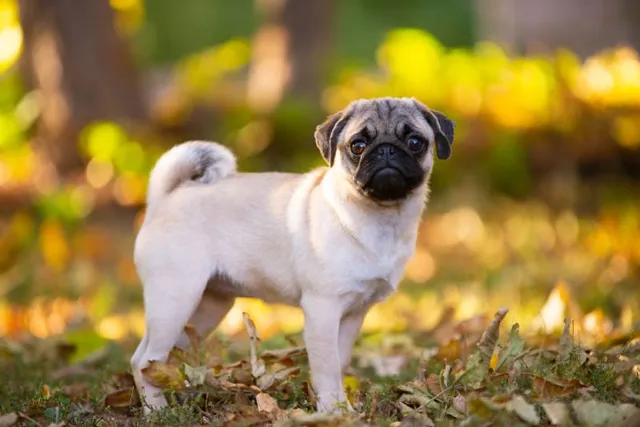
Featured Image Credit: Pavel-Jurca, Pixabay (top); AstoKo, Pixabay (bottom)
Expert dog care, straight to your inbox
News, insights, expert advice, and everything dog.

No spam — unsubscribe anytime.
By signing up, you agree to our Terms & Conditions and Privacy & Cookies Policy.
How useful was this post?
Click a star to rate. You can leave written feedback afterwards. (We read all feedback.)
Nicole has loved animals of all sizes her whole life so it's no wonder she has dedicated her career to helping them through what she loves best: learning, writing, and sharing knowledge with others. She’s the proud mom of two dogs, a cat, and a human. With a degree in Education and 15+ years of writing experience, Nicole wants to help pet parents and pets around the planet to live happy, safe, and healthy lives.