How Long Do Pugs Live? Average Lifespan, Vet-Reviewed Data & Care Guide


In this article
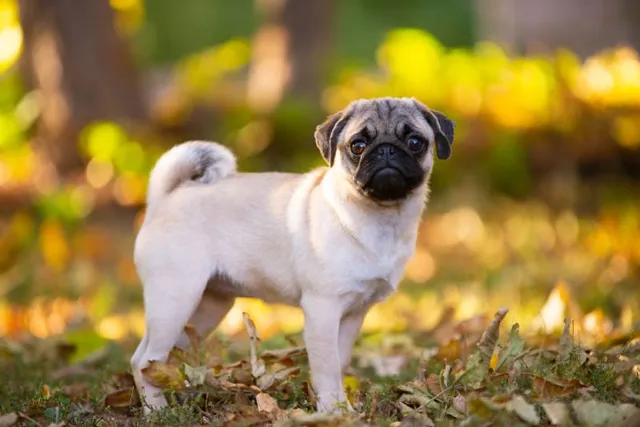
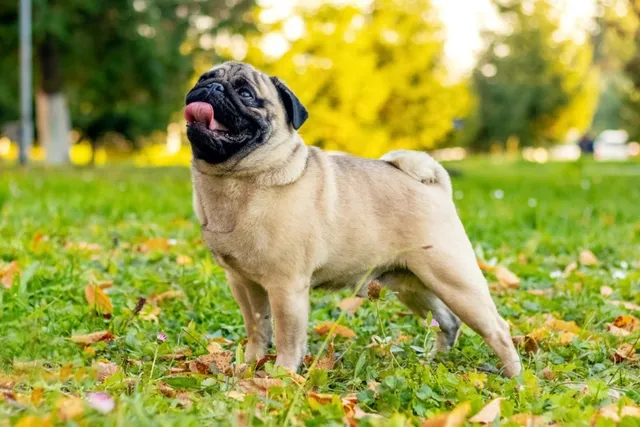
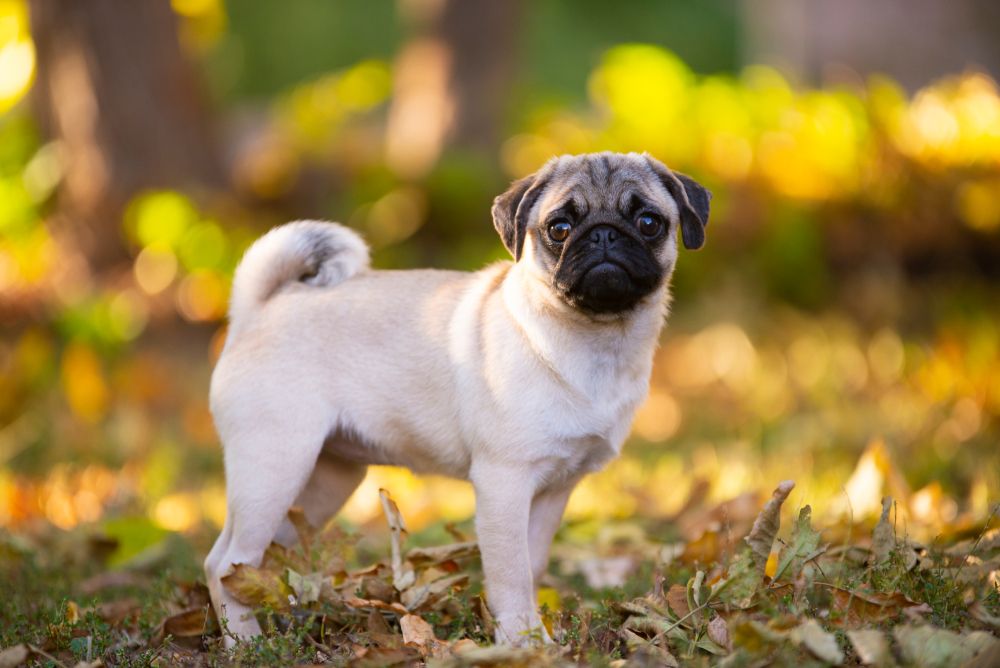
Pugs are easily one of the most peculiar dogs in the world. They are quirky dogs with flat faces and there is a lot of ongoing debate regarding their health in the veterinary and breeding communities. They are very sweet and special dogs and like with any dog breed, if you decide to bring a Pug into your home, you need to know as much about them as possible, even how long their life span can be.
There are many factors that influence the dog’s health and lifespan, while some may change depending on the breed. On average Pugs live from 13 to 15 years. Let’s take a look at how long your Pug can be expected to be with you and how you can make that last even longer.

What’s the Average Lifespan of a Pug?
The average lifespan for a Pug is 13 to 15 years. As a smaller dog breed, Pugs will naturally live longer than their large cousins. Despite it still not sounding like long, as naturally, we want our pooches to be with us for much longer, the next most important thing is that they have a great and healthy life with the best possible quality of life.

Factors That May Influence The Pug’s Lifespan
1. Genetics
Unfortunately, purebred dogs often live shorter lives than mixed breeds of similar sizes.1 This may be due to many factors, some of which are inheriting health conditions through their genetics, due to a small gene pool or inbreeding. This leads to build up of potentially harmful genes that are linked with some of the most common health disorders. Genetic diversity is crucial for health.2 When you speak with a breeder about bringing a Pug into your home, make sure they give you all the information about your Pug’s family and breeding history, alongside health and testing data done on the parents and grandparents. This way you can have a degree of reassurance that your pup’s parents come from a healthy line.
You also want any medical records they have. If a breeder is unwilling to share this type of information, they aren’t the one you want to work with.
2. Healthcare
Your pup should receive regular preventative veterinary care from an early age if you want to extend your Pug's lifespan. This will include vaccination, neutering or spaying, regular flea treatment, and deworming. Like with any new dog you bring home, start with a visit to the veterinarian to get started on vaccines and routine health care so your dog does well healthwise. As your Pug ages, they will need more frequent checks, every 6-12 months or so, in order for any potential health issues to be picked up promptly.
Pugs, like many other breeds, may be prone to becoming obese due to their lifestyle, especially after neutering or spaying, and this may negatively impact their lifespan and quality of life. They are a brachycephalic breed which means they have short snouts and a varying degree of breathing difficulties, as well as a predisposition for eye issues and other health conditions.
If you're unsure of where to start on your puppy's health journey, a consultation with a vet could be beneficial!
3. Nutrition
Nutrition is a crucial part of helping any pet in your home live a longer life. A Pug that is fed a complete and well-balanced, high-quality dog food and maintains an adequate body weight has a better chance at good health. A diet should follow AAFCO recommendations on adequate amounts of protein and fat, based on your Pug’s age, size, health, and lifestyle, while treats should not make more than 10% of their daily caloric requirements.
You should also reach out to a veterinarian for serving sizes and other suggestions based on your Pug’s age and weight.

4. Environment and Conditions
Pugs aren’t a dog breed that does well outside if the weather is too warm or humid. This is largely due to their breathing issues. These little dogs love to be lap dogs, although they do enjoy their walks and need an adequate amount of gentle exercise, adjusted to their age and health. Ensure your Pug is receiving enough physical and mental stimulation, in order to reduce boredom and frustration, and prevent excess weight while accommodating their individual needs and health.
Some Pugs, like many other breeds, may be prone to separation anxiety and need company. Others may suffer from health conditions and require home adjustments or long-term medications. If you don’t have the time and resources to dedicate to a sensitive dog like a Pug, which may suffer from breathing difficulties and other health issues, it could be best to avoid bringing one into your home.
5. Size
Small and medium-sized dog breeds tend to live longer than large breeds. This is due to the strain size can put on a dog’s body, causing them to age more quickly.3 Pugs fall into the smaller dog category. This means, without any pressing health conditions, your Pug's lifespan could be longer than large breed dogs you’ve had in the past.
6. Sex
Generally, spayed female dogs seem to live longer than their male counterparts or entire females. This isn’t definite, however, and the studies now believe that gender on its own doesn’t play such a significant role in longevity or cause of death. No matter your dog’s sex, having them spayed or neutered helps extend their lives. Don’t let the idea that spayed females often live longer sway you from bringing home a male Pug, as he may also beat the odds.

The 4 Life Stages of a Pug
Puppy
A Pug does their most important development during the puppy stage. This stage lasts from birth to around 6 months. When they are born, puppies’ eyes and ears are closed. After about 2 weeks, these open and the new pup will begin to explore.
A Pug is considered a puppy until they reach sexual maturity, however, as a small dog breed, this often happens faster than with other larger dogs. Speak to a vet about the best time to neuter or spay your Pug puppy, as well as arrange their primary vaccinations and other preventative care.
Young Adult

Lasting from around 6 months to somewhere around 5-7 years of age is your Pug’s young adult stage. This is the time when they are fully grown and at their fittest. Make sure they maintain a normal body weight, as this is the time they could become overweight. Keep up with all the routine veterinary healthcare and obedience training. Speak to a veterinarian about dental hygiene and ensure you are regularly brushing your dog’s teeth.
Mature Adult
Based on the guidelines set by the American Animal Hospital Association (AAHA), a mature adult’s age is approximately until the last 25% of their expected lifespan begins, which in Pugs is up to around 10-11 years. They will still love you and want all your attention, they just aren’t considered youngsters anymore, although they are still fairly active. However, even at this age, dogs can easily reproduce if they aren’t spayed or neutered. This stage lasts from around 7 until 10 or 11 years of age.
Senior

Once your Pug turns 10 or 11, they will be considered a senior dog. You may notice that your Pug is slowing down a bit, sleeping more, and can develop certain health conditions. They will need more frequent visits to the vet to keep them healthy and possibly a dietary change.
How to Tell Your Pug’s Age
It’s a bit easier to tell a dog’s age than a human's. Let’s take a look at a few things you can check to help you determine how old your Pug is.
- Teeth – Your Pug’s teeth will change with each life stage. Puppy teeth are small and sharp. Adult teeth appear as you’d expect, larger and stronger. You may also find plaque build-up on them as your dog ages. As a Pug enters their mature and senior years, their teeth could show more signs of dental issues allowing you to know the dog is aging.
- Gray hair – Like humans, a dog’s hair will gray as they get older. Usually, graying starts around the muzzle. The more gray hair your dog has, the older they are.
- Activity Levels – Puppies and young adults are full of energy and sometimes prone to mischief. Mature adults and senior dogs will tend to slow down significantly and will adjust their pace to their life stage. However, make sure them slowing down is not a sign of illness and get them checked over by a vet.
- Health Issues – Young dogs and puppies are generally healthy, while mature adults and seniors may start to exhibit certain health issues. Cataracts may form in the eyes of older dogs, as well as other conditions.

Conclusion
All dog lovers want to keep their dogs with them as long as possible. Unfortunately, they can’t stay with us forever. Wanting to know how long do pugs live is a sensible question for Pug owners. While it may seem short, 13–15 years is a good lifespan for a dog. Instead of worrying if you’ll lose your best friend, simply do everything you can to extend their life and make it the best possible.
See also:
Sources
How size and genetic diversity shape lifespan across breeds of purebred dogs - PubMed Investigating the relationship between inbreeding and life expectancy in dogs: mongrels live longer than pure breeds - PMC
Why do small dogs live longer than big dogs? | Pursuit by the University of Melbourne
Neutered female dogs live longer, study finds - Animal Health Media Journal
Featured Image Credit: Poltavets Anastasiia, Shutterstock
Expert dog care, straight to your inbox
Vet-reviewed advice, training tips, and the best of Dogster. Free, and you can unsubscribe anytime.
By signing up, you agree to our Terms & Conditions and Privacy & Cookies Policy.
Nicole has loved animals of all sizes her whole life so it's no wonder she has dedicated her career to helping them through what she loves best: learning, writing, and sharing knowledge with others. She’s the proud mom of two dogs, a cat, and a human. With a degree in Education and 15+ years of writing experience, Nicole wants to help pet parents and pets around the planet to live happy, safe, and healthy lives.
Join the conversation
Ask a question, share your story, or send private feedback.