Male vs Female Bulldog: What’s the Difference? (With Pictures)


In this article
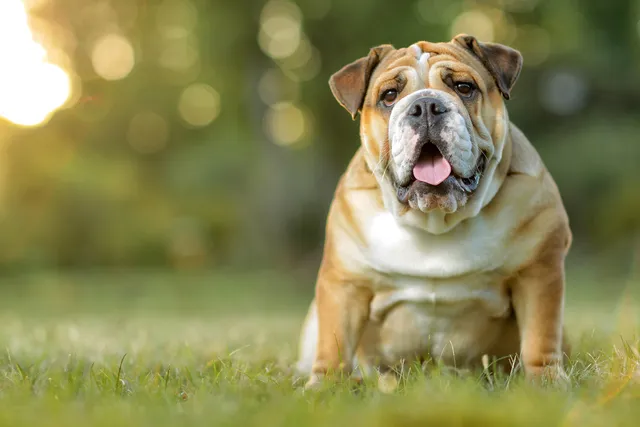
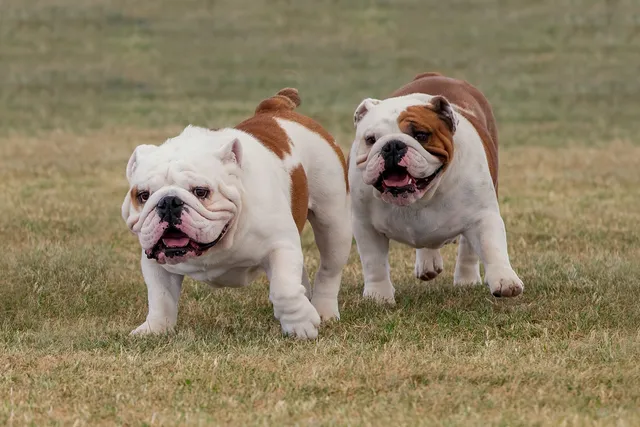
The Bulldog is an amazing animal. This breed originally had the difficult job of grabbing a bull by the nose and laying on the ground to hold its head down so the rancher could brand it. Its muzzle is designed especially for the task, and it later became a formidable fighting dog. But today, we know it as a wrinkly, chunky, snuggler and a wonderful companion animal.
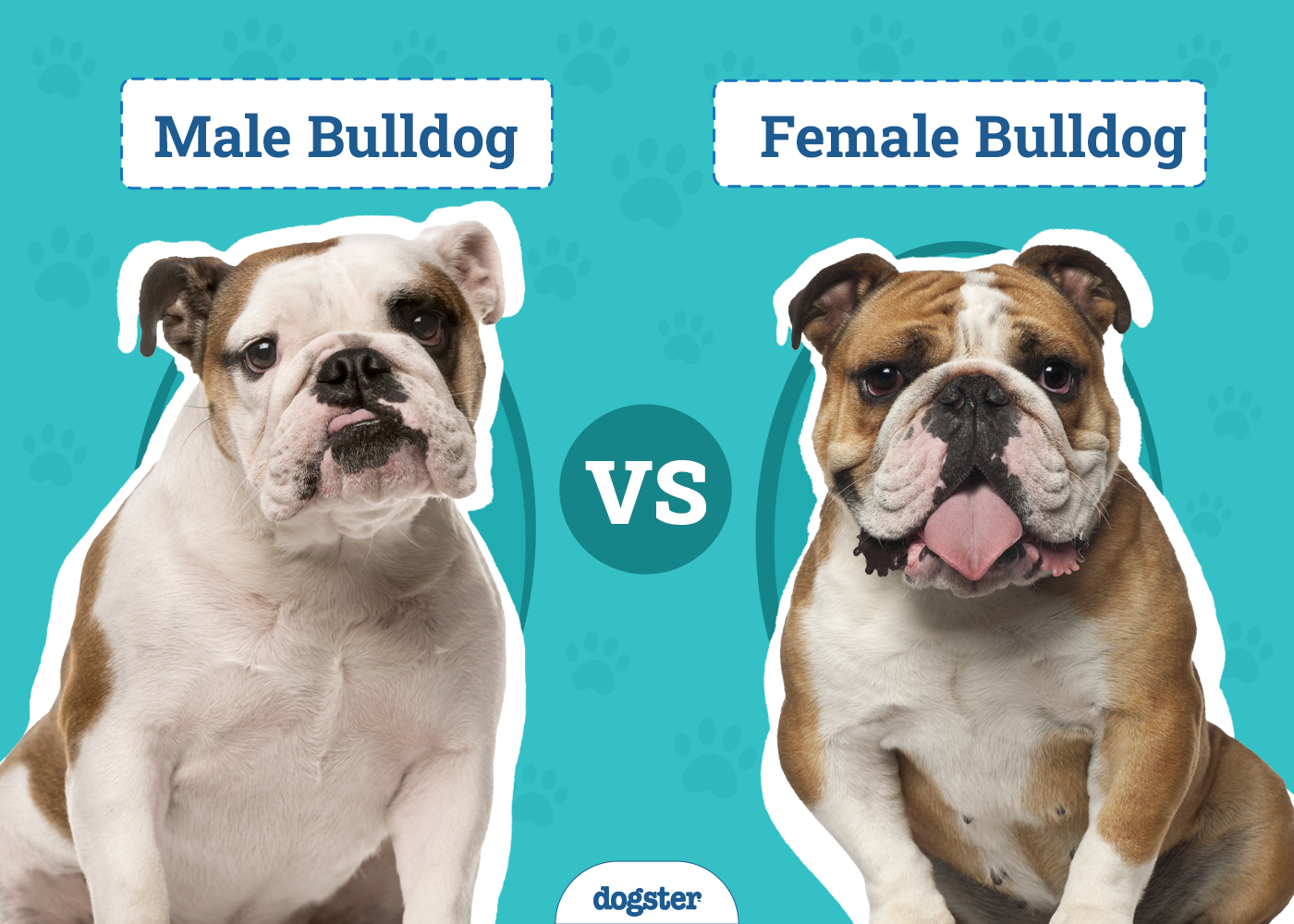
If you are thinking about getting one of these dogs for your home but would like to learn more about the differences between the male and the female before you do, keep reading while we discuss the size, personality, breeding, and more of each pet.

Visual Differences

At a Glance

Bulldogs 101
As we mentioned earlier, the Bulldog has a long history of wrestling bull and dog fighting, but the modern Bulldog is one of the friendliest breeds you can get. It makes a fantastic family pet that’s tolerant of children and protects your house without a lot of barking. Its fur requires little maintenance, and you won’t need to set aside too much time each day for exercise. This dog loves to lounge around under a tree or in front of the television.
Male Bulldog Overview

Personality
The personality of a male Bulldog, like any dog, can vary based on several factors, including training, socialization, and whether they’ve been neutered or not. Male Bulldogs are often known for their playful and energetic nature. Early socialization can help ensure a male Bulldog is comfortable around other pets and people, and neutering can also reduce certain behaviors such as marking territory and protectiveness.
Training 🎾
Some breeders note that male Bulldogs can be a bit more challenging to train during adolescence, as they may be more influenced by their sex hormones, making it harder to keep their attention during training sessions. Holding short training sessions at the same time each day can get your dog into a routine, and they will know what to expect and will be more likely to arrive focused and ready to learn.
Giving a dog a treat when they follow your commands is a great way to help them learn quickly, but even the smartest dogs can take several weeks to learn a new trick, so patience and consistency are your keys to success.

Health & Care
Breeding
If you want to breed your male Bulldog, you will first need to have them tested for any genetic problems that they might pass on to the puppy, like degenerative myelopathy. Once you determine your Bulldog is healthy enough to breed, you can start doing so when the dog is approximately 15 months old. The best way to get a female to breed your dog is through local advertisements and online.
Female Bulldog Overview

Personality
The female Bulldog is very similar to the male in many ways. They are just as friendly and they enjoy being around family members and children. Females are often thought to be a bit calmer and more independent, displaying plenty of affection. Some sources report that female Bulldogs can be territorial, and their personality may change depending on their hormonal cycle.
Training 🎾
Training a female bulldog might be slightly easier than a male because they tend to mature more quickly and can be more attentive to their owners. Once again, we recommend holding your short training sessions at the same time each day to get your dog into a routine. Treats will also help as the female Bulldog is very motivated by food.
Health & Care

Breeding
Breeding your female Bulldog can be challenging and is better left to experienced breeders because of the problems with dystocia that we mentioned earlier. It’s best to breed females only a few times and to do so before they reach five years of age to avoid complications for the mum and the puppies.
Which One Is Right For You?
Both male and female bulldogs make excellent pets that are lovable and easy-going. They like to play with children and will snuggle with you on the couch to watch television. However, if you are a first-time breeder, we recommend starting with a male, as they generally require less involvement in the breeding process. Female bulldogs, on the other hand, are better suited for experienced breeders, who can provide the extra support and knowledge they need through more challenging pregnancies and deliveries.
See also:
Featured Image Credit: Top - Zanna Pesnina, Shutterstock | Bottom - Annmarie Young, Shutterstock
Expert dog care, straight to your inbox
News, insights, expert advice, and everything dog.

No spam — unsubscribe anytime.
By signing up, you agree to our Terms & Conditions and Privacy & Cookies Policy.
How useful was this post?
Click a star to rate. You can leave written feedback afterwards. (We read all feedback.)
Ed Malaker is a seasoned writer who has contributed to a wide range of blogs covering everything from tools to guitars, and pets to fitness. When Ed isn't writing, he is usually making DIY projects around the house or working in the garden.