Male vs Female Havanese: What’s the Difference? (With Pictures)


In this article
If you have already gained an understanding of the Havanese and have concluded that this is the breed for you, congratulations! This is a loving, peppy, and energetic dog that you will surely love quickly and soon forget how you enjoyed life without them. But before all that, you have another decision to make; Should you choose a male or female? Overall, male and female Havanese have similar dispositions and care requirements, but there are a few differences, and we cover them right here.

Visual Differences

At a Glance

Havanese 101

The Havanese is the national dog of Cuba and the country’s only native breed. They are full of personality and are revered as good-natured dogs. The breed has been in the United States since the Cuban Revolution in 1959. Only 11 dogs had remained, but breeders were able to save the breed from extinction.
Since their recovery, this dog has thrived in the United States and Europe and received recognition by the American Kennel Club in 1996.1 Havanese are known for being wonderful companions and making the perfect lap dogs. This is a breed that can do well in urban, apartment settings due to their small size and adaptability. They can be prone to separation anxiety, as they do not enjoy being left alone, are social, and love being with their family.
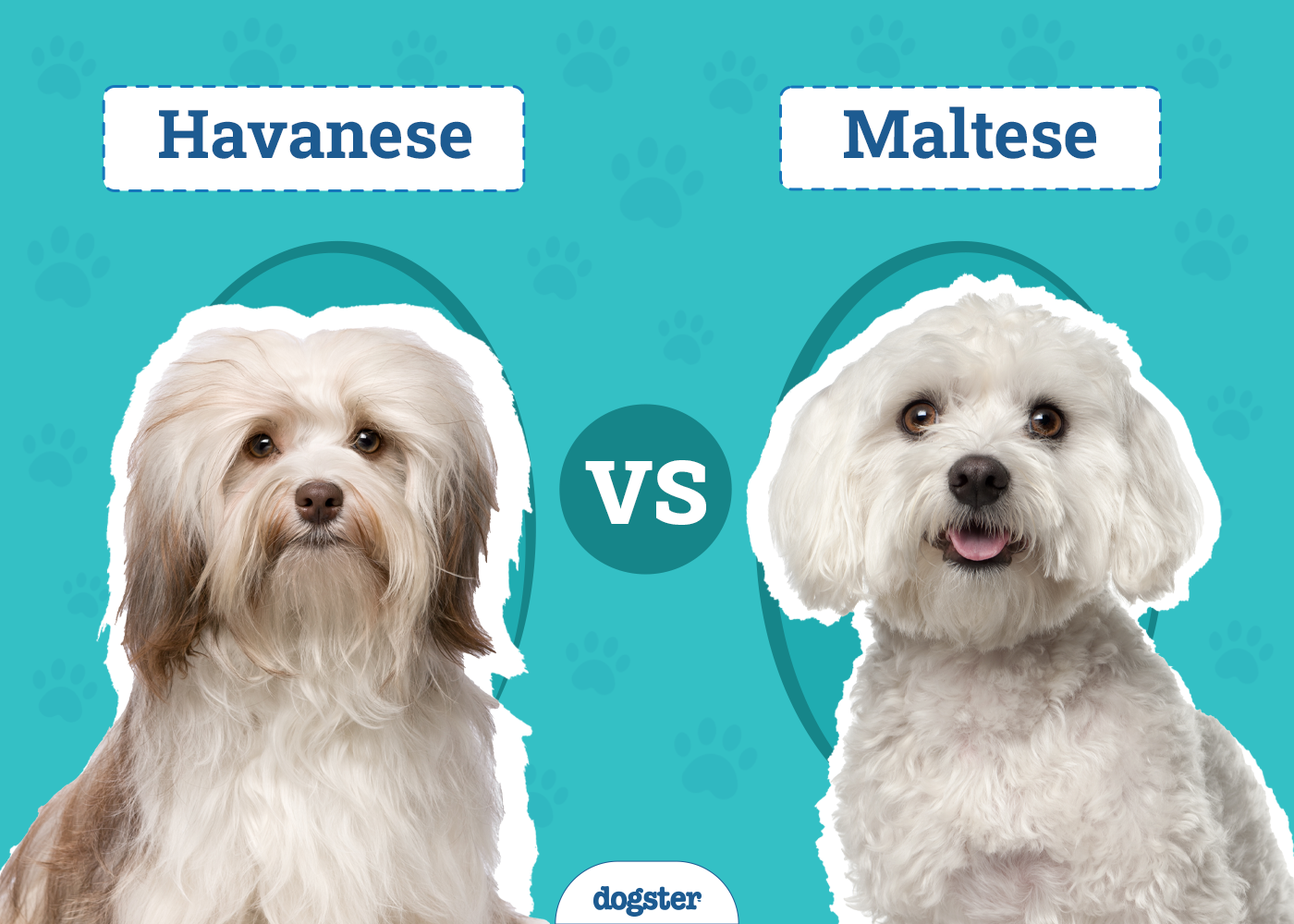
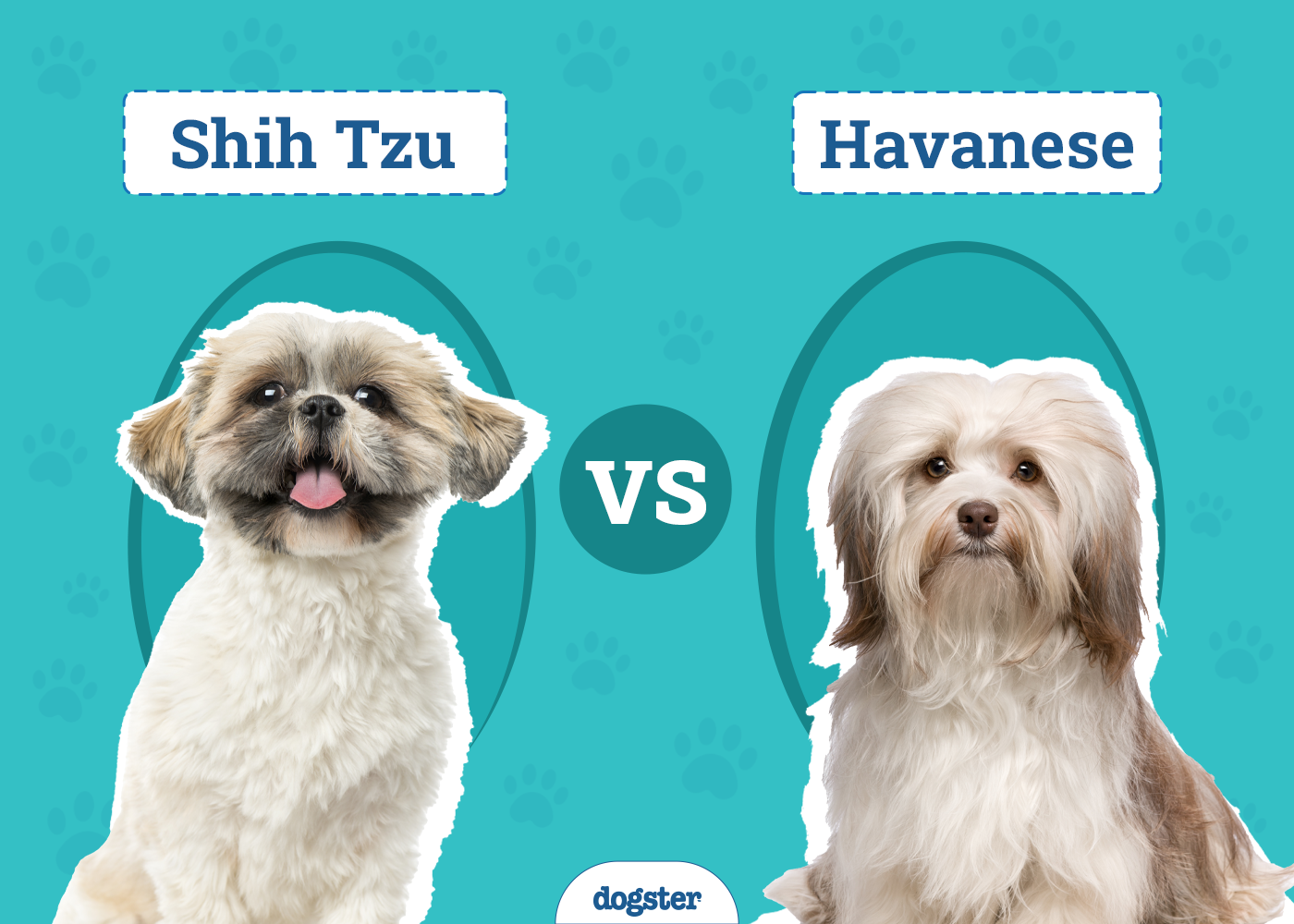
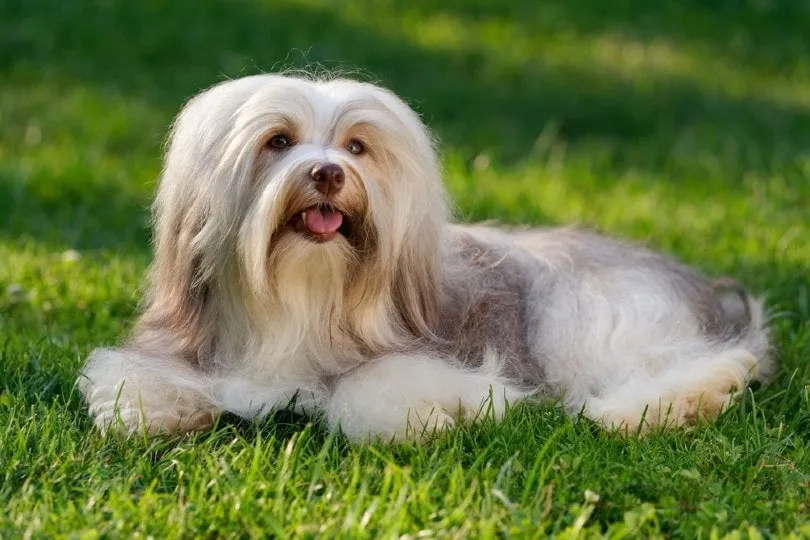
The Havanese is small and sturdy with a long silky coat. They are intelligent, playful, and affectionate. What’s great about this dog is that unlike a lot of small breeds, they tend to love learning new tricks and commands.
Their coat may be one solid color or a combination of two, including black, silver, white, cream, tan, fawn, gold, sable, and red. The texture of their fur can vary from silky straight to wavy with ringlets. The coat can grow up to 8 inches in length and be high maintenance. Daily brushing and weekly baths are recommended. You may want to have a professional groomer on standby too.
The Havanese suffers from a few genetic health conditions. They tend to be prone to eye disorders, chondrodysplasia, deafness, heart murmurs, Legg-Calve-Perthes disease, and patellar luxation. With proper care and nutrition, they can live up to 14 to 16 years.
Male Havanese Overview

Personality
Male Havanese tend to be more laidback and easygoing. They are friendly and can be more tolerant and playful with smaller children. Your attention will be well sought after with a male Havanese, and you can expect a fair share of affection.
Training 🎾
Havanese can be quite trainable, as they are smart and cooperative with their owners. Males and females don’t have many differences in terms of training except that males may be more people-pleasing than females.
This breed does well with positive reinforcement training. You will need to be consistent and assertive and keep a handful of treats nearby to reward good behavior.
This breed is not easy to housetrain, though. Many owners opt to crate train Havanese puppies from a young age to prevent accidents. Owners will need to be consistent with potty training as soon as the puppy is brought home.
Health & Care
Both male and female Havanese will need to be fed a high-quality small breed kibble appropriate for their age, size, and level of activity. You should also ensure that you visit the veterinarian for regular wellness exams or if any concerns pop up.
Havanese have a higher maintenance coat and will require daily brushing. A professional groomer may be required, depending on your experience and preferences. You will want to ensure proper dental care via regular tooth brushing since small breeds can be prone to dental disease. Regular nail trimming and ear and eye cleaning will need to be part of your Havanese’s regular care.
Other than the genetic health conditions, the Havanese is a fairly healthy breed that can live up to 16 years. This goes for both males and females.

Breeding
Intact males will display hormone-driven behaviors once they reach sexual maturity. They may begin marking their territory and mounting other animals or people. This is typical behavior of unaltered males and can be prevented by neutering.
If you do not plan on breeding your male Havanese, neutering is a great option that should be discussed with your veterinarian. It will prevent your male from trying to wander off in search of females, can prevent or stop unwanted behaviors, and can even prevent health issues.
Pros
- Easy-going
- Can be better with small children
Cons
- Unwanted behaviors if still intact
- Difficult to housetrain
Female Havanese Overview

Personality
Female Havanese may be a bit more territorial and dominant than males. Overall, both sexes have the same fun-loving and good-natured personalities. You may notice females being a bit more demanding of your attention and may show a little more attitude if she does not get what she wants.
Since females can be a bit more territorial, they may be a bit more protective of their owners and tend to be wary of strangers. Males will likely also exhibit hesitancy with strangers, though.
Training 🎾
Female Havanese are quite trainable, and you will want to utilize the same training techniques as discussed with the male Havanese. They can also be just as difficult to housetrain as their male counterparts.
Females may be a little more stubborn than males due to their tendency to be more dominant. Separation anxiety can occur in both sexes, so early training and socialization are key to having a well-rounded and well-behaved companion.
Health & Care
The health and care of a female Havanese are not any different than those of the male Havanese. You will want to ensure proper nutrition by feeding your dog a well-balanced diet of high-quality kibble based on age, activity level, and size.
You will also need to take her in for regular health exams from the veterinarian and keep up with coat maintenance, routine dental care, nail trimmings, and cleaning of the eyes and ears.
Breeding
The heat cycle for a female Havense can begin around 6 months of age. If you plan on breeding your female, it is not recommended to do so until they are at least 18 months of age, for the sake of their health. Females that remain unaltered will have two heat cycles per year that last 2 to 3 weeks.
If you do not plan on breeding your female, you should highly consider spaying her. This can prevent female cancers and mammary tumors that commonly occur in unaltered females later in life. It will also prevent the heat cycles and any unwanted behaviors associated with the hormone fluctuations.
Pros
- Friendly and loving
- Protective
Cons
- More territorial
- Difficult to housetrain
Which Sex Is Right for You?
Some may feel this is an easy decision, especially if one sex or another was already a preference. When it comes to overall personality traits, behavior, care, and training, the male and female Havanese have few differences.
Overall, the Havanese is a good-natured and loving breed that can make an excellent companion for the right owner. This dog will genuinely love spending time with you and eating up all the attention. They can be wary of strangers and do not enjoy being alone. It is important to select the puppy that you feel would be most compatible with you, your family, and your lifestyle.
Featured Image Credit: JACLOU-DL, Pixabay (top); Jai79, Pixabay (bottom)
Expert dog care, straight to your inbox
News, insights, expert advice, and everything dog.

No spam — unsubscribe anytime.
By signing up, you agree to our Terms & Conditions and Privacy & Cookies Policy.
How useful was this post?
Click a star to rate. You can leave written feedback afterwards. (We read all feedback.)
Nicole has loved animals of all sizes her whole life so it's no wonder she has dedicated her career to helping them through what she loves best: learning, writing, and sharing knowledge with others. She’s the proud mom of two dogs, a cat, and a human. With a degree in Education and 15+ years of writing experience, Nicole wants to help pet parents and pets around the planet to live happy, safe, and healthy lives.