Male vs. Female Yorkshire Terrier: The Differences (With Pictures)

In this article
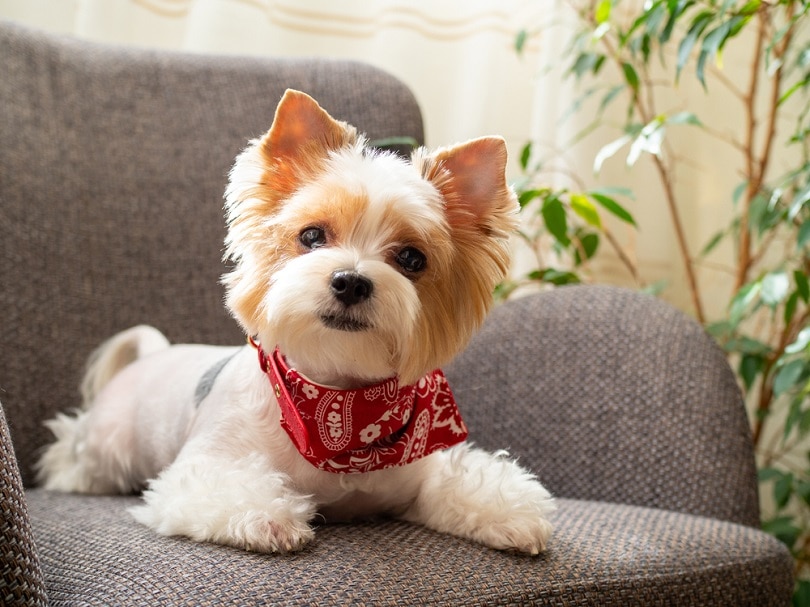
Yorkshire Terriers (or Yorkies, for short) are one of the spunkiest little dog breeds. They’re affectionate, playful, highly sociable, and protective of their owners. But if you’re considering getting one of these adorable little pups, one of the first big decisions you have to make is whether to get a male or a female.
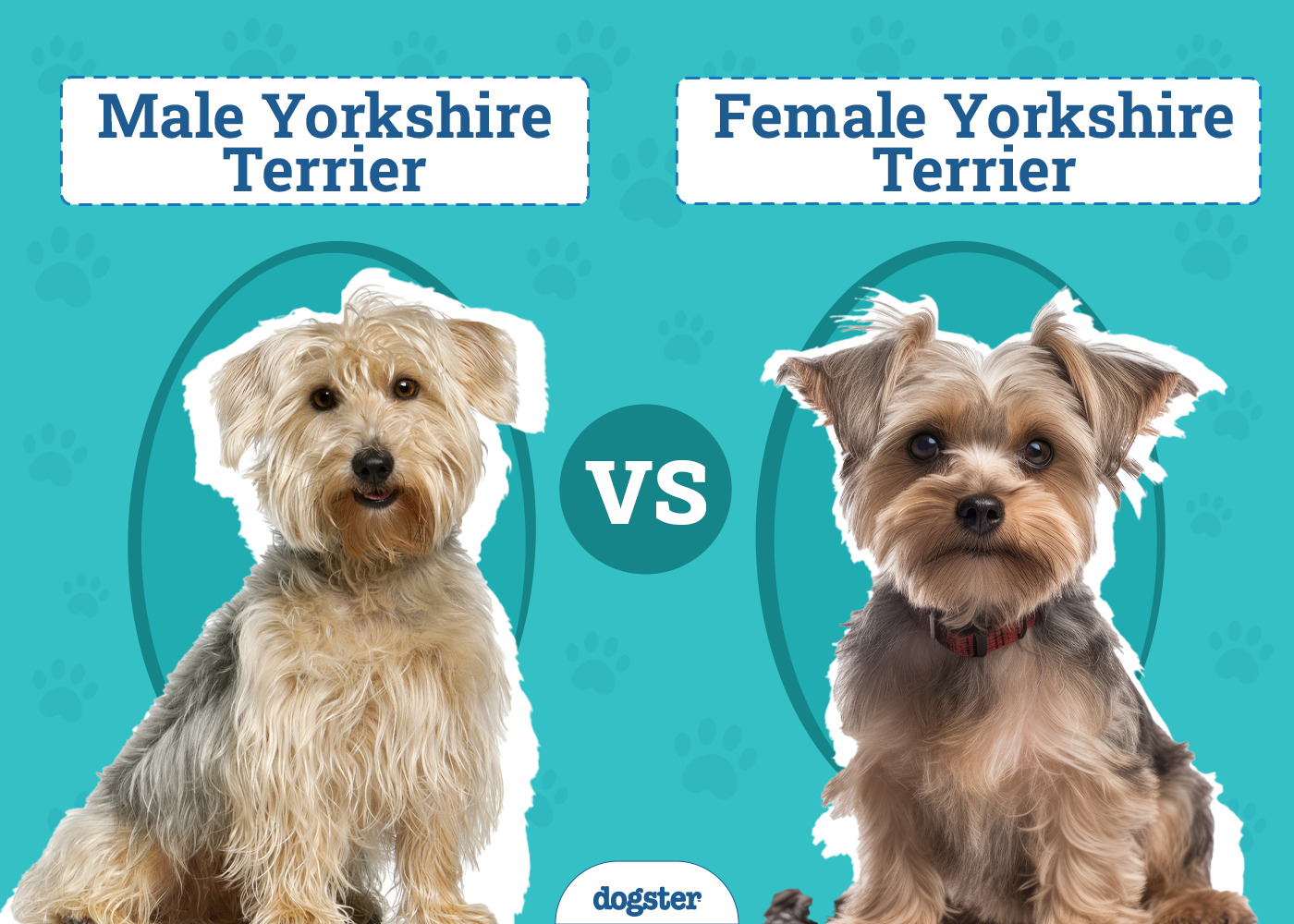
So how do you know which sex is best for you? Are there any differences between the two sexes? As it turns out, there actually are a few small differences between male and female Yorkshire Terriers, both in size and personality. But you don’t have to go in with no idea of which sex to choose. We’re here to give you the information you need that will help you make an informed decision.

Visual Differences

At a Glance
Yorkshire Terriers 101

Yorkshire Terriers are considered to be a toy dog breed because of their small size. But their personality is anything but small. Consider them to be tiny but mighty and anything but dainty. Before they became the quintessential lap dog, they were hard at work in mines and mills helping to catch rats.
Today, Yorkies are considered to be the 13th most popular dog breed overall. But they are actually the most popular dog breed in many major cities, New York City included. The reason for this is that they make great apartment dogs. They don’t take up too much space and they don’t need a whole lot of room to run around.
These dogs are also great family dogs. They’re amazing around children, but their protective nature also makes them great watchdogs. Although they can be bossy at times, Yorkies are highly trainable, so you shouldn’t have any behavioral problems once they learn that you’re in charge.
In addition to having a great personality, Yorkshire Terriers are beautiful. Their fur is incredibly silky and shiny, but they don’t shed much and are even considered to be hypoallergenic. Because of the nature of their fur, they are high-maintenance dogs that need to be brushed daily and bathed weekly if their fur is kept long. But as long as you have the time to dedicate to them and plenty of love to give, Yorkies are some of the best companion dogs you can have.
Now that we’ve covered the basics of owning a Yorkshire Terrier, let’s take a closer look at the differences between males and females so that you can decide which one is best for you.

Male Yorkshire Terrier Overview

Personality
Male Yorkshire Terriers are highly affectionate dogs. They want to be loved and petted no matter who is giving them affection. That means that they are a little more open to strangers than female Yorkies are. However, they can experience a little bit of jealousy especially if another dog is getting some of what they feel should be their affection. They may not get along with other male dogs, but they should get along just fine with female dogs.
Male Yorkies also tend to be a little more aggressive than females. Some of this is due to jealousy, but it’s also caused by their protective nature over their humans. They are also more likely to bite when they feel provoked or threatened or when they feel like something is threatening their family. Watch them closely around small children because even though they love children, they don’t always know how to behave around them and may not be as gentle.
Training 🎾
Although male Yorkies love to please their owners, they can be a bit stubborn at times. That means that they are a little bit harder to train. Sometimes, they just want to do what they want to do and there’s nothing you can do to change their mind.
But being harder to train doesn’t have everything to do with stubbornness. They also get distracted more easily, so they may have a hard time focusing on what you’re trying to teach them. Their high energy means that sometimes they just want to play instead of being trained. Being consistent and approaching training with a firm “I’m the boss” attitude should make training a little bit easier for both you and your dog.
Health & Care
Because of their more energetic temperament, male Yorkies love to play. More playtime means that they’ll get dirtier. Therefore, they require a little bit more grooming and maintenance than females do in order to keep their coats shiny and clean. It may be to your benefit to keep your male Yorkie’s fur cut short so that he doesn’t have to be bathed as much.
Being a male doesn’t make a Yorkie more or less prone to health conditions. But there are some conditions that Yorkies are more likely to experience than other dog breeds.
Neutering your male Yorkie can help to prevent some types of cancer, and it can also provide an opportunity to diagnose certain health conditions before they become a bigger problem for your dog.

Breeding
Male Yorkshire Terriers are technically able to breed starting when they are around 6 months old. However, at this age, they are still considered to be puppies and are as socially developed as they need to be in order to find a suitable mate. But they may not be physically able to be bred successfully until they reach adulthood, at around 2 years of age.
However, that doesn’t mean that they won’t try to seek out female dogs. Because of this, they need to be kept on a leash when you are out in public with them because they are more likely to roam if they sense a female dog in heat.
Pros
- Affectionate
- Energetic
- Great around kids
- Protective
Cons
- Harder to train
- More aggressive
- Requires more grooming
- Stubborn
Female Yorkshire Terrier Overview

Personality
Just like their male counterparts, female Yorkshire Terriers are highly affectionate dogs. But unlike males, females aren’t as clingy, so they may not feel a need to be around you all the time. Once they’ve gotten the attention they want, they may not hang around just lying in your lap. Sometimes they can have a bit of an independent streak, preferring to do their own thing instead of spending all their time near you.
Female Yorkies are also a bit less sociable and are more reserved when it comes to strangers. Because of this, they may be more protective of their family when new people are around, and they aren’t as open to children as male Yorkies are. However, they also aren’t as aggressive as male Yorkies and tend to get along with other dogs better.
Training 🎾
Female Yorkshire Terriers are very easy to train. This is due to the fact that they are less playful and therefore don’t get distracted as easily. Because they aren’t as stubborn, they are more focused and responsive to training. Female Yorkies also mentally mature faster than males do, so you should be able to start training them at a much younger age.
The thing you have to look out for when training a female Yorkie is how you talk to them. They are more sensitive than males, so if you talk to them in a way that they see as harsh, they may temporarily “shut down” and become unresponsive to training. As with male Yorkies, use a firm but gentle tone when training females.
Health & Care
Because they are less energetic and playful than males are, female Yorkies don’t require as much grooming. They won’t get dirty as easily, so they may not have to be bathed every week. However, they still benefit from daily brushing in order to keep their long coat feeling silky and smooth.
As far as health conditions go, they are susceptible to the same issues as males are. But unlike males, females can become pregnant. Due to their small stature, it’s important to watch them carefully around male dogs once they reach a certain age. Large dogs that try to mate with your female Yorkie can cause harm to her.
If you don’t want her to become pregnant and you aren’t intending on breeding her, it’s a good idea to have your female Yorkie spayed as soon as she is old enough (usually around 6 months of age). As with males, spaying females can prevent certain types of cancer. It also allows an opportunity for her to be checked really well for other health conditions and get the appropriate treatment if any are found.

Breeding
Female Yorkies experience heat cycles during which they can become pregnant. The first one usually occurs between 6–18 months of age, and after that point, they experience a heat cycle once every 4–6 months. During their heat cycle, a female Yorkie can experience mood swings or be less energetic than usual.
Although they tend to be less aggressive than males, if your female Yorkie does become pregnant, she can become more aggressive if she feels like her puppies are being threatened. Besides just preventing pregnancy, spaying your female Yorkie can help to regulate her mood and energy levels and will also prevent her from having puppies.
Pros
- Affectionate
- Easy to train
- Less aggressive
- Protective
- Requires less grooming
Cons
- Can be shy
- Less playful
- Less sociable
Which Sex Is Right for You?
Whether it’s just you or you have a large family, both male and female Yorkshire Terriers make great pets. Their high levels of affection and general loving nature allow them to thrive as long as they are receiving love and attention.
When owning a Yorkshire Terrier, it also doesn’t matter if you live in an apartment or a house with a big yard. But since male Yorkies are more energetic and playful, they may benefit from a little bit more space in which to run around than females do.
Something else to consider is how much care each sex needs. Since males require more grooming, you’ll have to dedicate more time to brushing and bathing them than you would a female. Female Yorkies are better if you want a dog that requires less maintenance.
Finally, consider whether you have kids or plan to have kids in the future. Male Yorkies are more open to kids, but they are harder to train regarding how to behave around kids and may be more aggressive if they feel threatened. Female Yorkies are easier to train, but they tend to latch on to one person and may take a lot longer to warm up to kids.
Ultimately, no matter what sex you choose, you’ll be getting a spunky, loving little dog who will be a huge part of your family for many years to come.
See also:
150+ Yorkie Names: Popular & Cute Names for Your Yorkshire Terrier
9 Best Dog Foods for Yorkies with Allergies – Reviews & Top Picks
Featured Image Credit: Up: PicsbyFran, Pixabay, Down: shymar27, Shutterstock
Expert dog care, straight to your inbox
Vet-reviewed advice, training tips, and the best of Dogster. Free, and you can unsubscribe anytime.
By signing up, you agree to our Terms & Conditions and Privacy & Cookies Policy.
Nicole has loved animals of all sizes her whole life so it's no wonder she has dedicated her career to helping them through what she loves best: learning, writing, and sharing knowledge with others. She’s the proud mom of two dogs, a cat, and a human. With a degree in Education and 15+ years of writing experience, Nicole wants to help pet parents and pets around the planet to live happy, safe, and healthy lives.
Join the conversation
Ask a question, share your story, or send private feedback.