How Smart Is a Havanese? Vet-Reviewed Canine Intelligence


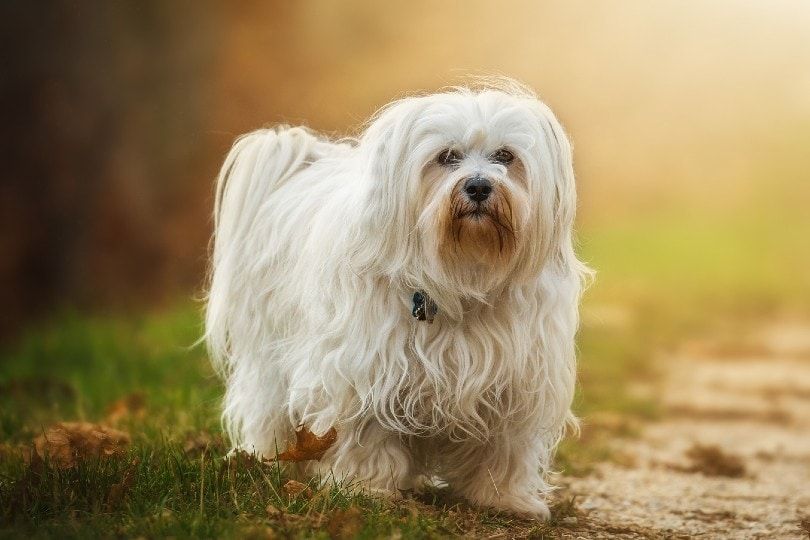
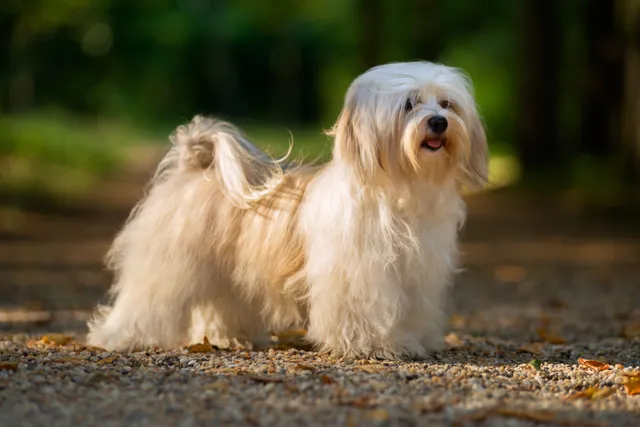
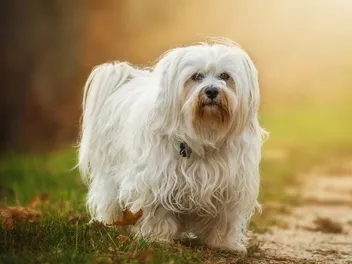
The Havanese—a toy breed from Cuba whose ancestry dates back to the 16th century—has, throughout history, been much more of a companion dog and a symbol of wealth than a working dog. They are incredibly amiable, friendly, and intelligent, but just how bright is this chirpy little pup?
According to breed intelligence rankings focused on obedience and trainability, the Havanese falls in the average range, though the breed is also known for its affectionate nature and strong social intelligence. In this guide, we dig into the Havanese’s strengths and explain how they measure up in intelligence rankings compared to other breeds.

Stanley Coren’s Breed Intelligence Rankings Explained
In his 1994 book, "The Intelligence of Dogs," Stanley Coren, a canine psychology professor, shared the results of a survey on the subject of dog intelligence.1 He used the information provided by 199 canine obedience judges to create a dog intelligence ranking.
As Coren explains in the book, there is more than one type of intelligence (instinctive, adaptive, working, etc.), and his ranking measures only one type: working intelligence. Therefore, just because a dog is low down in the ranking does not mean that they aren’t intelligent in other ways. He also notes that training can influence performance and that there are exceptions within every breed.

Where Are Havanese Dogs on the Intelligence Ranking?
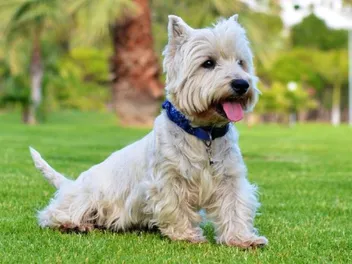
On Coren’s ranking, Havanese dogs sit at number 47 out of 79, along with the West Highland White Terrier and the Scottish Deerhound. This places them in the fourth tier, just over the midpoint of the ranking.
Fourth-tier dogs are of average working intelligence, and it typically takes between 25 and 40 repetitions for them to learn a new command. According to Coren’s survey data, they obey a known command on the first attempt at least 50% of the time. Other dogs in the fourth tier include the Dachshund, Whippet, Great Dane, Boxer, Bichon Frise, and Siberian Husky.
At the top of Coren’s ranking is the Border Collie at number one, followed by the Poodle, German Shepherd, Golden Retriever, and Doberman Pinscher. As a general rule, top-tier breeds learn new commands in fewer than five repetitions and respond very reliably to known commands.
In the sixth and final tier, right at the bottom of the list, are the Bulldog, Basenji, and Afghan Hound. In short, sixth-tier dogs are generally considered not the best at working and obeying commands, but again, this doesn’t mean they’re not intelligent.

So, Are Havanese Dogs Smart?
Yes! Although they may rank in the average range for working and obedience intelligence, Havanese dogs are known for being highly social, affectionate, and responsive to their owners. For one thing, they’re typically quite sensitive, form unbreakable bonds with their humans, and are enthusiastic about a variety of activities. This often makes them fairly easy to train and socialize—a feat that might not be so simple with a breed known for independence, like the Afghan Hound.
Their sensitivity may help them respond to their owners’ emotions and behavior cues. That said, extra-sensitive dogs may be susceptible to becoming overly attached and suffering from separation anxiety.
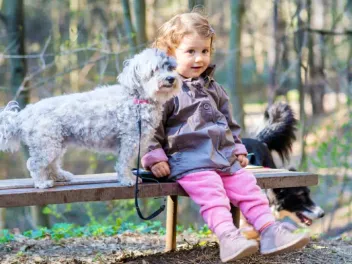
Havanese dogs are wonderfully adaptable. They are fine living in smaller homes because of their small size and moderate energy levels and tend to get on well with other dogs, strangers, and children. Of course, socialization is crucial for this to be the case, as with any breed, but the Havanese dog’s openness to various living environments, people, and other dogs and pets is a real bonus.
In short, Havanese dogs are affectionate and people-oriented, which helps make them excellent companion animals. They thrive with calm, respectful, and positive owners who will commit to returning their abundance of love.

Final Thoughts
The sweet, good-natured Havanese is a real joy to spend time with. Although they may not display brilliance in the working department according to Stanley Coren’s ranking, the Havanese certainly shine in other ways.
This outgoing, adaptable pup is often easy to train, and its sensitivity and affectionate nature help it form strong bonds with its owners.
Related Reads:
Featured Image Credit: Ralf Bitzer, Pixabay
Expert dog care, straight to your inbox
News, insights, expert advice, and everything dog.

No spam — unsubscribe anytime.
By signing up, you agree to our Terms & Conditions and Privacy & Cookies Policy.
How useful was this post?
Click a star to rate. You can leave written feedback afterwards. (We read all feedback.)
Kit Copson is a freelance writer and lifelong animal lover with a strong interest in animal welfare. She has parented many furry beings over the years and is currently a proud cat mom of two—one very chilled (unless hungry) Siamese and a skittish but adorable Domestic Shorthair—and dog mom of one—an adopted Bichon Poodle cross. When not writing about or spending time with pets, Kit can be found drawing in her sketchpad, reading, or more often than not, drinking tea.