Lancashire Heeler Dog Breed: Info, Pictures, Facts, & Traits

In this article
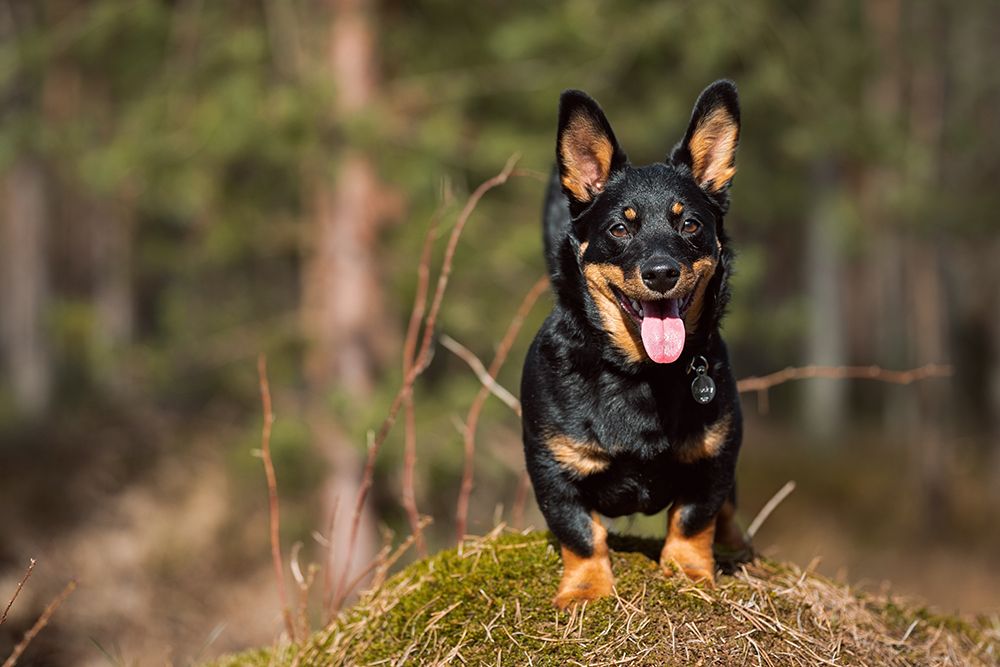
Lancashire Heelers are one of the smallest Heelers in the world known for their charming temperaments. They originate from England and were developed to be a dual-purpose breed that primarily herded cattle. This breed has a strong desire to herd and high energy levels, so plenty of exercise is important.
Lancashire Heelers make great family pets for those with an active lifestyle and the time to dedicate to exercising and training this breed.
Breed Overview
Height:
Weight:
Lifespan:
Colors:
Suitable for:
Temperament:
Lancashire Heelers are small dogs standing between 10 and 12 inches tall, usually weighing no more than 17 pounds. They are an active and charming breed that sometimes thinks they are bigger than they really are. The Pembroke Welsh Corgi and the Manchester Terrier are believed to have had a role in the Lancashire Heeler’s Development. This is likely attributed to their small size and similar temperaments. Lancashire Heelers never fail to amaze their owners with their high energy levels and eagerness to play and explore. This breed can easily become a loving member of the family, but first, you will need to decide if they are the right breed for you.
Lancashire Heeler Characteristics

Lancashire Heeler Puppies
Lancashire Heelers are a somewhat rare breed, especially outside of the United Kingdom. According to the AKC, there are only about 400 Lancashire Heelers in America. Only a few thousand Lancashire Heelers are left worldwide. As a rare breed, you may have trouble finding Lancashire Heeler puppies up for adoption or rehoming. However, it is still worth checking with local shelters and rescue organizations about any Lancashire Heeler puppies they may have. If you don’t have much luck with the adoption route, then you could try finding a reputable breeder.
When you bring a Lancashire Heeler puppy home, you will soon discover all there is to love about the breed. Lancashire Heelers puppies are incredibly energetic and playful. When they aren’t exploring their new home or playing with their favorite toys, they spend their time sleeping.
Although Lancashire Heeler puppies tend to adapt to new environments well, they do need an adjustment period as they get used to new sights, smells, and other family members.
Lancashire Heeler Origin & History
The exact origins of Lancashire Heelers are unknown, but there are several theories. It's widely believed that this breed was developed from Pembroke Welsh Corgis and Manchester Terriers. Welsh Corgis would drive livestock from Wales to England and were later introduced to Manchester Terriers in the Ormskirk area.
That was the earliest development of the Lancashire Heeler we know today and likely took place during the 17th century. Lancashire Heelers were used as a dual-purpose breed that was cattle herder and drover.

Temperament & Intelligence of the Lancashire Heeler 🧠
Lancashire Heelers have incredible temperaments that make them beloved canine companions. This breed is known to be charming and alert, with just the right amount of playfulness and affection to balance themselves out. They are always eager for a walk or exercise and thrive in environments that allow them to herd.
Lancashire Heelers are highly intelligent, so training isn't much of a challenge for them. They have a reputation for being a vocal breed that can be loud when they want something or to alert you. Lancashire Heelers may be small, but they still make good watchdogs. They are reserved around strangers and unfamiliar pets, but proper socialization can help make them more sociable.
Are These Dogs Good for Families? 👪
Lancashire Heelers are ideal for active families that can commit to this breed's exercise and training needs. This breed isn't the right fit for families with busy schedules that would leave them at home for most of the day. Lancashire Heelers enjoy being around their family and don’t deal well with being left alone or day. They can get along well with older children and are naturally protective and gentle around them.

Does This Breed Get Along with Other Pets? 🐶 😽
This breed socialized best with other similarly sized dogs or cats. It can take a while for Lancashire Heelers to warm up to unfamiliar pets, so proper socialization is key if you want them to get along. It generally takes longer for Lancashire Terriers to bond with cats than other dogs. This breed does not mix well with small pets, such as hamsters or rabbits. It's best to avoid letting them interact with small animals and keep them separate from one another.
Things to Know When Owning a Lancashire Heeler
Food & Diet Requirements 🦴
When choosing a suitable diet for Lancashire Heelers, you want one that contains all the essential nutrients they need to be healthy. A mixture of animal-based proteins, carbohydrates, and healthy fats is recommended.
This breed can eat most commercial dog foods, whether it's in a kibble, canned, or raw form. You want to ensure that the food is AAFCO-approved so that you know it is balanced and that they won't be missing out on any essential vitamins or minerals.
Lancashire Heelers are prone to excess weight gain, so try to limit the amount of unhealthy treats you offer them. Their diet should help them maintain a healthy weight alongside daily exercise.

Exercise 🐕
Lancashire Heelers have high energy levels and thrive with plenty of daily exercise. This breed needs a minimum of one hour of exercise per day. You can exercise this breed by taking them on daily walks, games of fetch, with interactive toys, and allowing them to run in a secure area.
Lancashire Heelers don’t tire easily and always seem eager to exercise or interact with you. One of this breed's favorite daily activities will be their walks and you might find that they wait by the door around the same time they usually get taken on walks each day.
Training 🎾
This breed enjoys training sessions that are short and consistent. Lancashire Heelers are highly intelligent and loyal, so training them isn't much of a challenge. They can be trained to understand commands such as sit or sit, or to excel in obedience and agility competitions.
It's better to begin training Lancashire Heelers while they are still puppies so that they learn good habits for when they are adults. Otherwise, you might find that an adult Lancashire Heeler with no proper training can be a bit stubborn.
Grooming ✂️
Lancashire Heelers have short, double coats that are easy to groom. They benefit from daily brushes to remove loose hair to distribute their natural coat oils evenly. Aside from brushing, you will need to keep their nails at a comfortable length with regular trimmings. They usually do not need their fur trimmed unless it is to neaten up their appearance for shows. This breed also needs their oral health maintained with regular teeth cleanings.

Health and Conditions 🏥
This breed is relatively healthy and suffers from a few health conditions. The main health conditions you should be wary of are related to eye conditions.
Male vs Female
Both sexes have a similar weight range of 9 to 17 pounds, although males tend to be taller. Female Lancashire Heelers generally have a more barrel-shaped body with shorter legs. The most noticeable differences between the sex’s behavior start to show when they are sexually mature.
However, these differences aren’t very noticeable once they have been neutered.
3 Little-Known Facts About the Lancashire Heeler
1. Lancashire Heelers were recognized by the AKC in 2024
The AKC has only recently recognized the Lancashire Heeler as a member of the herding group in 2024. They are the 201st dog breed to be recognized by the AKC and there is still plenty to learn about this rare breed. To become recognized, there needed to be proof of a minimum of 20 litters with three-generation pedigrees.
2. This breed belongs to the pastoral breed group
Lancashire Heelers belong to the pastoral breed group, which is a group of herding dogs that work with cloven-footed animals. These animals include cattle, sheep, and reindeer. Their waterproof coat is a shared characteristic amongst other herding breeds and allows them to work in severe weather conditions.
3. There are only 400 Lancashire Heelers nationwide
There are estimated to only be 400 Lancashire Heelers in America, which is proof of how rare this breed is. Only a couple thousand Lancashire Heelers are left in the world. However, with their new recognition by the AKC, this breed is likely going to gain popularity.
Final Thoughts
Lancashire Heelers are a rare breed in England that were bred to herd cattle. This breed is known for its small size and desirable traits of both a working dog and a loving companion. Lancashire Heelers were only recently formally recognized by the AKC, and only a couple hundred are registered in America. This breed can be prone to barking, so they aren’t the best fit for quiet environments. They make devoted family dogs and thrive with plenty of exercise and mental stimulation. You won't regret welcoming this rare breed into your family and understanding why they are quickly gaining popularity as pets.
Sources
Featured Image Credit: Christoffer Martensson, Shutterstock
Expert dog care, straight to your inbox
Vet-reviewed advice, training tips, and the best of Dogster. Free, and you can unsubscribe anytime.
By signing up, you agree to our Terms & Conditions and Privacy & Cookies Policy.
Sarah lives in South Africa with her partner and pets. She is currently interested in veterinary science and ichthyology, which she wants to study alongside her main passion: pet content writing. Sarah has over 60 fish including: goldfish, tropicals, shrimp, and snails. She also keeps hamsters and a tarantula. Sarah wishes to provide quality content to readers and allow others to learn from her experience and knowledge. Sarah has much experience in all aspects of pet care. Providing the world with the knowledge on ethical pet ownership is her lifelong dream.
Join the conversation
Ask a question, share your story, or send private feedback.