8 Surprising Facts About the Blue Heeler (Vet-Reviewed)


In this article
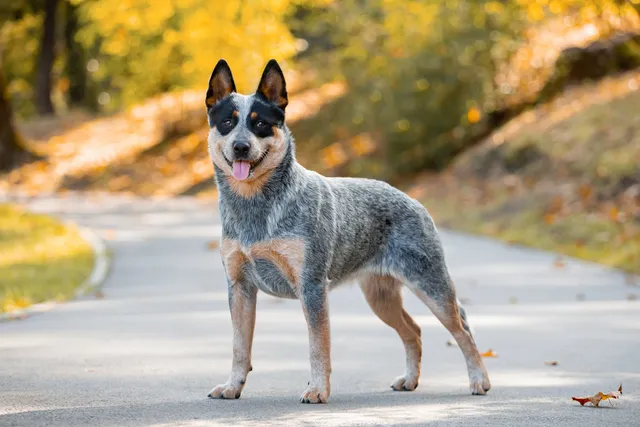
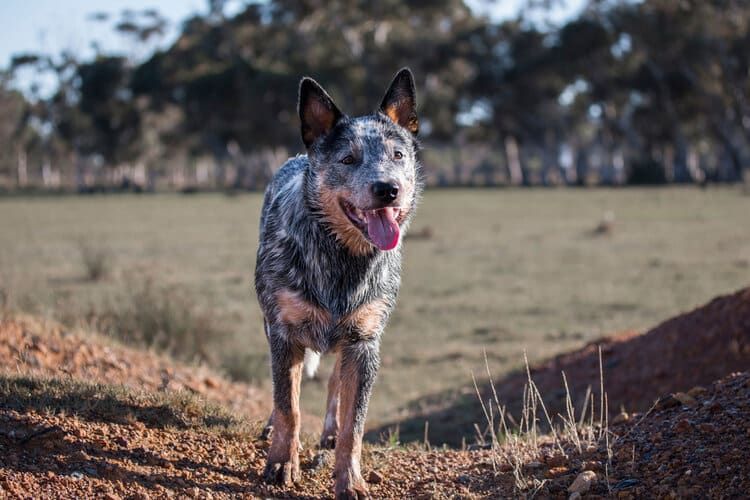
The Australian Cattle Dog is a fascinating breed with a long history. A very popular variant of this breed is known as the Blue Heeler. This name comes from a color variant of the breed, and their historical role to help farmers move reluctant cattle by nipping at their heels. In many parts of the world, they’re still used for this purpose. Similarly, a “Red Heeler” variant exists within the breed as well (also named after the color of their coat).
The Blue Heeler is a fascinating dog with a long history. The Blue Heeler has been a facet of Australia for over a century. However, they weren’t officially recognized in the United States until 1980. These dogs have a very recognizable color and shape but are still fairly rare when it comes to the pet population. The combination of intelligence, stunning color, and distant origins have given the Blue Heeler a sort of mystique that is attracting a lot of people’s attention right now.
Here are eight surprising facts about the Blue Heeler, as well as a quick overview. These facts will help tell you everything you need to know about this interesting breed.

Blue Heeler Overview
The Blue Heeler is a color variant of the Australian Cattle Dog and is a herding dog that hails from Australia. This dog was bred to work large farms in the Australian Outback, where they herd cattle and other animals. Like their Red counterparts, Blue Heelers remain herding dogs, but they have become a staple of popular culture thanks to a very recognizable children’s show.
Blue Heelers can make good pets, and are relatively easy to train. They’re also very low on the noise scale and only bark as a means of alerting. However they do have exceptionally high energy levels and require a great deal of physical and mental stimulation on a daily basis. As such, a small apartment dwelling might not be ideal for them.
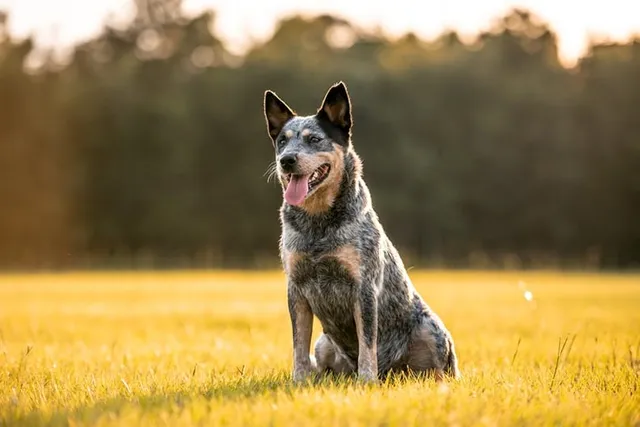
Blue Heelers are medium-sized dogs with solid frames. They are very energetic, highly intelligent, and can be extremely loyal, loving, and playful. They have a smooth and short double coat. Their coat is easy to manage, however, they are considered moderately high shedders.
Breed Overview
Height:
Weight:
Lifespan:
Coat:
Origin:

Blue Heeler Characteristics
| Intelligence | Considered Very High |
| Exercise Needs | Very High |
| Energy Level | Very High |
| Trainability | High |
| Barking Level | Only to Alert |
| Kid Friendly | Sometimes |
| Pet Friendly | On a Case-by-case Basis |
| Playfulness | High |

The 8 Facts About the Blue Heeler
1. Blue Heelers Are Adept Herding Dogs
Blue Heelers are stout working dogs that work as herders. These dogs were bred primarily and almost exclusively to herd cattle. Australia is one of the largest beef exporting nations in the world, and all of those cattle require a lot of canine supervision.
Australian Cattle Dogs (and by proxy the Blue Heeler) were bred to herd and watch cattle for large beef-producing ranches. In homes with children, Blue Heelers have been known to “herd” toddlers as well. To this day, these dogs are prized for their herding ability and are still kept as working/herding dogs, where they continue to do the job they were bred for.
2. Blue Heelers Are Descended from the Dingo
When British settlers arrived in Australia, they brought dogs with them. However, the original dogs brought to Australia were not adapted to its unique climate. The distances in Australia are vast, the landscape is harsh, and the continent is full of unique and poisonous animals. The first dogs to reach Australia aboard British ships were adapted to herd sheep in Britain. They could not handle the new climate. This caused people to seek out an alternative dog that could handle Australia’s climate and demands.
Through extensive testing and breeding, the Australian Heeler was born out of a mixture of British hunting and herding dogs and the native Australian dingo. The dingo is a famous wild dog that is endemic to the Australian Outback. The Blue Heeler, therefore, had a healthy dose of dingo genetics in their early ancestry. The Dingo gives Blue Heelers their heft and smarts. Most people have no idea that Blue Heelers have such a strong connection to the Australian Dingo.

3. Blue Heelers Are Considered Intelligent
The first popular book to apply intelligence tests to dog breeds and rank them based on their performance in the tests was The Intelligence of Dogs by Stanley Coren, published in 1994.
The criteria used to rank dogs in the book are as follows:
A revised version of the book by the same author, under the same title, was published in 2006. In both versions of the book, the Australian Cattle Dog ranked 10th, under the category of “Brightest Dogs”.
It is important to keep in mind that the rankings in the book were subjective to the tests the breeds were tasked with. Ascertaining the true intelligence of any breed is very difficult and limited by current scientific means. This becomes even more complex when we factor in the individuality of the dog in question, as their personality will play a role in how well they can perform certain tasks.
Interestingly, a school of thought also postulates that dogs that don’t listen on the first command might in fact be more intelligent than those that do, because they’re capable of pushing their limits to see how much they can manipulate their caretakers. This is similar to a child throwing a tantrum.
4. Blue Heelers Need Stimulation
Blue Heelers are loyal and intelligent dogs, but they absolutely need stimulation & exercise. Bringing a Blue Heeler into a house without a purpose can be a recipe for disaster. If these dogs do not have their mental and physical needs met, ample land to roam around, or intensive training, they can become bored easily. A bored Blue Heeler can be a menace. They can become mischievous and destructive if their energies are not channeled into the proper outlets.
These dogs were bred and evolved to live on the open ranges of Australia. These dogs are meant to be in the Outback patrolling dozens of acres of land, not cooped up in a suburban living room. Exercise is a must for these dogs, and if you get a Blue Heeler without heeding this warning, be prepared for trouble!

5. Bluey Is a Blue Heeler
One of the most famous animated characters of recent memory, Bluey, is a Blue Heeler. It might not be apparent at first, but once you know a little bit about Blue Heelers, the resemblance is instantly recognizable. Bluey is Australian and has one parent that is a Blue Heeler and one parent that is a Red Heeler. Bluey’s sister Bingo is a Red Heeler. They are one big, happy family of Australian Cattle Dogs. It is not often that animated characters rise to such heights that Bluey has, so it is interesting that the dog that now graces the screens of millions of children is a Blue Heeler.
6. Blue Heelers Have Many Names
Blue Heeler is simply one name for a color variety of the Australian Cattle Dog. Australian Cattle Dogs have had a number of different names over the years that speak to their long and diverse history. They can also be called Red Heelers (depending on their color) or Queensland Heelers. The dog was also known as the Australian Heeler before the breed became standardized. Some people might still refer to these dogs as Australian Heelers, especially if they are in Australia. They’re also sometimes referred to simply as Cattle Dogs.

7. Blue Heelers Can Come Several Colors
The Australian Cattle Dog has two accepted coat colors: red and blue. These are important for show purposes. However, these dogs can be found in other colors as well.
Other colors of the Australian Cattle Dog:
- Chocolate
- Cream
From a strict showcase scoring perspective, chocolate and cream are considered faults. Nonetheless, these dogs make excellent pets.
8. Blue Heelers Were Recognized by the AKC in 1980
Despite having a long history in Australia, the Australian Cattle Dog (and therefore the Blue Heeler) was not recognized by the American Kennel Club (AKC) until 1980. The Blue Heeler was registered as the Australian Cattle Dog (ACD) and accepted for showing. The breed started showing in the Working Dog Group beginning in 1980 but only showed there for two years until it was transferred to the new Herding Dog Group in 1983. The Herding Group was founded in 1983, and the Australian Cattle Dog was a charter member of the new category of AKC breeds.

Conclusion
Blue Heelers have been gaining a lot of attention due to the popularity of the children’s show Bluey. Blue Heeler is another name for the Australian Cattle Dog and is just one of many names that this dog takes on. The Blue Heeler is considered to be one of the smartest and most loyal breeds in the world.
These dogs have a lot to love about them and come with heaps of interesting history and traits. Australian Cattle Dogs are excellent dogs, and they can be phenomenal companions, but they need a lot of exercise and stimulation, they need an outlet, and they ideally need some room to run around and roam. Therefore, they may not be the best breed for smaller houses or apartments.
See also:
Australian Stumpy Tail Cattle Dog: Info, Pictures, Facts & Traits
Australian Cattle Dog vs Blue Heeler: The Key Differences (With Pictures)
Sources
Featured Image Credit: Madelein Wolfaardt, Shutterstock
Expert dog care, straight to your inbox
News, insights, expert advice, and everything dog.

No spam — unsubscribe anytime.
By signing up, you agree to our Terms & Conditions and Privacy & Cookies Policy.
How useful was this post?
Click a star to rate. You can leave written feedback afterwards. (We read all feedback.)