Do Australian Shepherds Have Tails? Breed Characteristics Explained

In this article
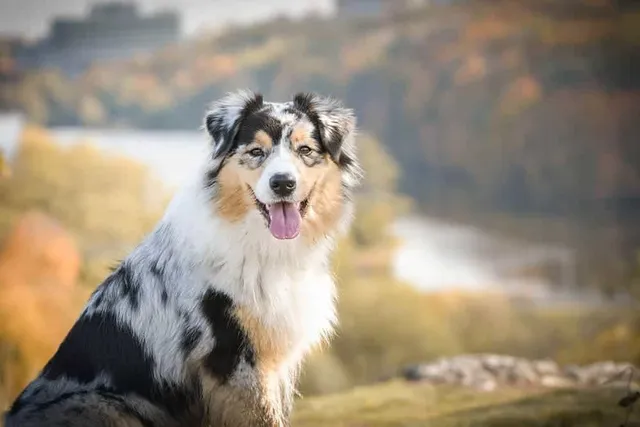
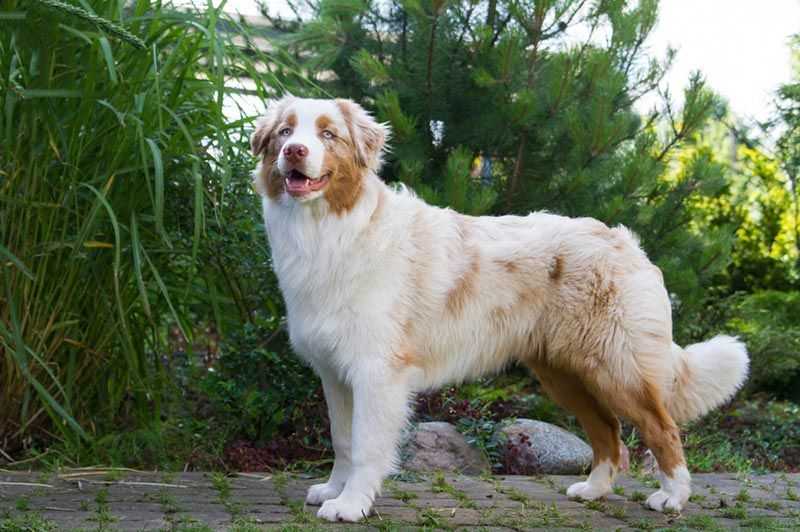
Most dog lovers know that Australian Shepherds (or Aussies for short) are tough ranch dogs that are remarkably intelligent and endowed with an irresistible urge to herd anything from birds to dogs and even kids! These stunning dogs are also easily recognizable by their slender bodies, piercing blue eyes, triangular ears, and long, fluffy tails. But many people think that these adorable dogs don't have tails, as some have bobbed or docked tails.
So, are any Australian Shepherds born without a tail? The answer might surprise you! According to the Australian Shepherd Health and Genetics Institute, approximately one in five Australian Shepherds are born with a naturally bobbed tail.1
Let's learn more about Australian Shepherd tails.

What’s the Deal With Australian Shepherd Tails?
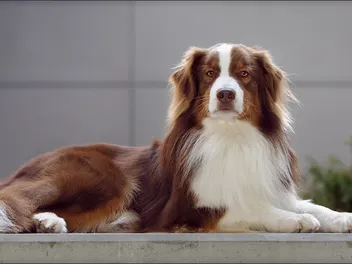
Do Australian Shepherds have tails? Yes, most of them do! In fact, over 50% of Australian Shepherds are born with long, thick, fluffy tails.2 So, why does this breed sometimes seem to have a really short tail or none at all?
The main reason is that Australian Shepherds have traditionally been used to herd cattle, sheep, goats, and other livestock. A long tail risks getting stuck in barbed wire, brambles, or even crushed by cattle hooves. In order to reduce the risk of injury, the dog’s tail is docked by the breeder a few days after the birth of the puppy.
The American Kennel Club’s official breed standard states that Australian Shepherds should have a straight, docked, or naturally docked tail that should not exceed 4 inches in length.3 This could explain why some breeders still dock the natural straight tails of their Aussies.

What Is Tail Docking?
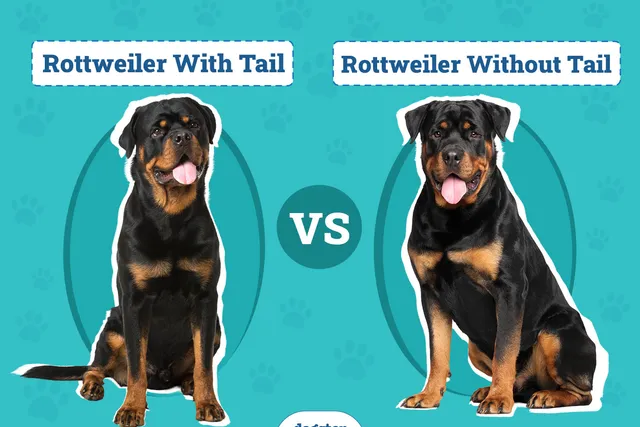
Tail docking involves the surgical removal of a portion of a dog's tail. The practice is sometimes done for hygiene, to prevent injury, or for cosmetic reasons. It is usually done within the first few days after a puppy is born.
Tail docking can be done in one of two ways: The less-common method is a single incision above the tail and below the skin that extends through the fat and the muscle and is not sutured shut. The more widely practiced method is to use a rubber band to constrict the blood supply to the tail, causing the tail to fall off after a few days.
Why Do People Dock Australian Shepherds’ Tails?
Some breeders dock the tails of their Aussie puppies because it’s part of the breed standard. Other breeders dock their puppies' tails to reduce the risk of tail injuries. But there’s little scientific evidence that backs up the claims made by breeders who dock their puppies’ tails for this reason.

Isn’t Docking Illegal?
Docking the tails of puppies is illegal in many parts of the world. For example, it’s illegal to dock puppies' tails in Australia and many European countries, including Germany, Denmark, and the Netherlands. However, there are other places where the practice of docking tails is perfectly legal.
In the U.S., a puppy can be docked in almost all states, with Maryland and Pennsylvania being the only states with laws restricting this practice. In Canada, puppies can be docked in most provinces, though the Canadian Veterinary Medical Association considers tail docking in dogs as a cosmetic surgical alteration and views it as medically unnecessary and ethically unacceptable.
Does Tail Docking in Dogs Cause Health Problems?
It’s important to note that certain health and behavioral issues can be caused by tail docking in dogs. The most common include:
- Pain. According to one study, puppies having their tails docked experience acute pain. This practice can also have long-term consequences, especially on the normal development of the dog's central nervous system.
- Complications. There are risks of complications with any surgical procedure, such as infection, swelling, excessive bleeding, and even necrosis.
- Chronic health problems. It has been suggested that the pelvic muscles of dogs with their tails docked are underdeveloped; the evidence for this, however, is not conclusive.

What About Australian Shepherds Born Naturally Without a Tail?
About one in five Australian Shepherds are born with a naturally bobbed tail due to a specific gene mutation. Simply put, dogs carrying the N (normal tail) and BT (natural bobtail) alleles have a genotype called N/BT, which means they will have a naturally bobbed (shortened) tail.
However, the exact length of the tail is variable and depends on each dog's genetics.
Australian Shepherds with the N/BT genotype can pass on this inherited trait to 50% of their offspring. That said, it is strongly advised not to breed two dogs carrying the same bobbed tail genotype because the risks of producing stillborn puppies or having severe lower spinal cord defects are too high (25%).

Wrapping Up
So, do Australian Shepherds have tails? Yes! Most of them are born with a normal tail. While many breeders dock their puppies' tails for breed standards or other aesthetic reasons, it's important to know that docking is illegal in many countries. That said, around one in five Australian Shepherds are born with a naturally bobbed tail, which might be the best alternative for you if you desire a puppy that meets the breed standard but don’t want to go through the controversial practice of tail docking.
See also:
English vs Australian Shepherd: The Differences (With Pictures)
Do Australian Shepherds Like the Cold? Vet Approved Facts & Care Tips
Featured Image Credit: Eve Photography, Shutterstock
Expert dog care, straight to your inbox
Vet-reviewed advice, training tips, and the best of Dogster. Free, and you can unsubscribe anytime.
By signing up, you agree to our Terms & Conditions and Privacy & Cookies Policy.
A biologist and science writer, Genevieve has a special fondness for capuchin monkeys, pumas, and kangaroos, which has inspired her to volunteer and work at wildlife rehabilitation centers in countries like Bolivia, Guatemala, Canada, and Australia. Now living as a Canadian expat in Argentina, she enjoys the sight of horses and cows outside her home office window every morning. Genevieve is the proud owner of three rescue dogs—Lemmy, Nala, and Pochi—and a lively kitten named Furiosa. She finds happiness and fulfillment in sharing her passion and extensive knowledge of animals with others.
Join the conversation
Ask a question, share your story, or send private feedback.