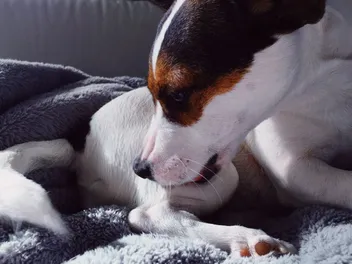
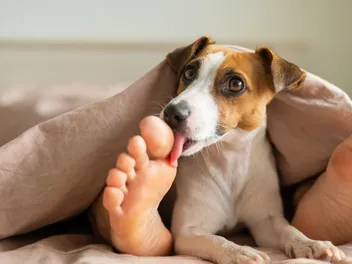
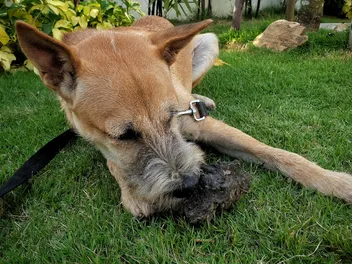
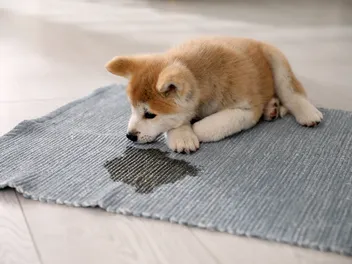
Why Do Dogs Lick the Floor? 10 Vet-Verified Reasons & When to Be Concerned


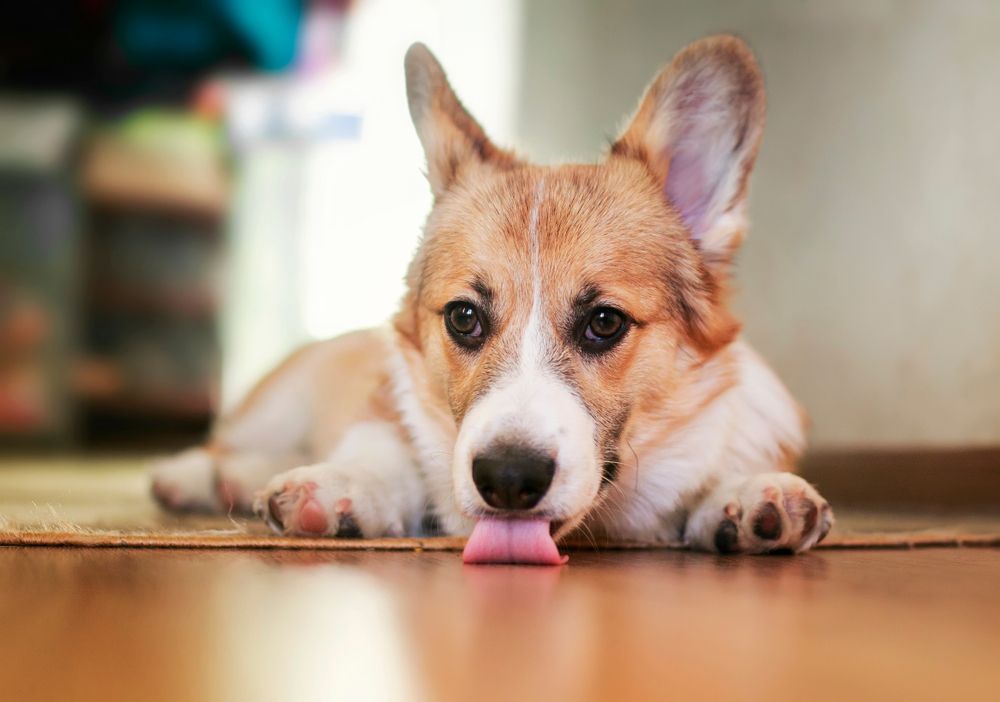
Once we learn their unique tendencies, a dog’s habits generally become easy to identify as normal or concerning. We pick up on their harmless and often goofy quirks while understanding that behaviors like excessive panting, noticeable limping, and inappropriate elimination are signs of an underlying health issue.
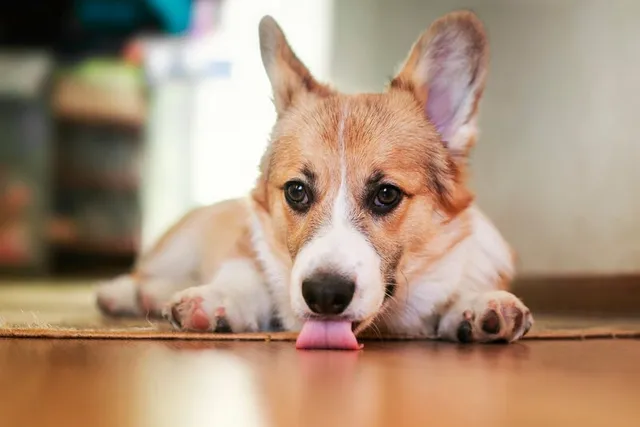
Then there are those actions that are ambiguous and challenging to interpret, like when your dog licks the floor. While some instances of floor-licking are due to innocuous causes, others may demand a discussion with your vet.
Understanding when to laugh it off and when to show concern can be tricky, so to help you provide the best possible care, we’ll explore 10 reasons dogs lick the floor.

The 10 Reasons Dogs Lick the Floor
1. Spilled Food
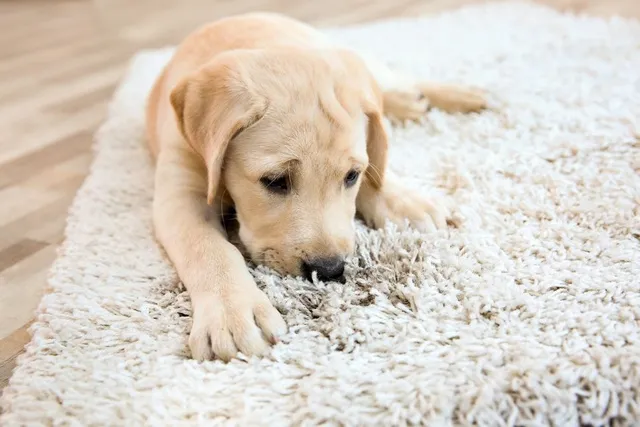
One of the most common and harmless reasons dogs might lick the floor is because they’re trying to clean up residue from spilled food and drinks. Most of us know dogs have an extraordinary sense of smell. Even if you wipe the floor to your satisfaction, the tiniest bit of leftover debris or film will attract them to lick.
If you catch your otherwise healthy dog licking the floor after you cook in the kitchen or enjoy a family meal in the dining room, a harmless food spill is often to blame. In this case, you can usually redirect them with a treat or toy.

2. Gastrointestinal Disorders
Gastrointestinal issues and possible associated nausea are among the most common reasons a dog will excessively lick the floor, wall, or objects. One study of 19 dogs that exhibited excessive licking of surfaces (ELS) revealed several GI abnormalities behind the behavior in the majority of the dogs,1 including:
Licking the floor is one of many behaviors a dog might exhibit to relieve nausea, it may help get unwanted tastes out of the mouth and remove excess saliva. Many dogs eat grass to soothe nausea and resort to floor-licking when they can’t get outside. Other signs of GI upset include inappetence, restlessness, and excessive drooling.
3. Food or Medications
The gastrointestinal upset that causes dogs to lick the floor may be a temporary issue caused by something they ate. Sudden diet changes and fatty or sugary foods often lead to GI upset and nausea. Some human food items can also contain substances that are toxic to dogs and cause sickness.
Medications may also disagree with your dog, especially on an empty stomach. Penicillin and other antibiotics commonly cause stomach upset, as can steroids, NSAIDs, and thyroid medicines. Consider any supplements, treats, table scraps, or raw foods your dog may have eaten if you notice licking behavior and similar nausea signs.

4. Obsessive-Compulsive Disorder
Obsessive-compulsive disorder (OCD) occurs when a dog shows exaggerated, repetitive, and sustained actions. The behaviors are unnecessary for everyday function and appear out of context, often interfering with daily activities.
Licking surfaces like floors and walls is one way OCD might manifest. More commonly, you might see the following behaviors:
Underlying medical causes need to be ruled out first. Conflict, stress, and anxiety are possible root causes of OCD.2 OCD-related issues may also be more common in certain breeds, such as German Shepherds, Doberman Pinschers, and Bull Terriers. Treatments for OCD include medications (e.g., clomipramine, fluoxetine) and behavioral therapy.
5. Stress
Before it becomes a full-blown compulsive disorder, licking is how many dogs manage everyday stress and conflict. It releases endorphins, giving your dog a boost of feel-good hormones to help them cope with unease.
Changes in routine or environment or separation anxiety may cause this new behavior. Owners must identify and address the problem early, as dogs may develop worsening mental or physical effects from chronic stress.

6. Boredom
Like stress, boredom can lead to unwanted and out-of-place behaviors in our dogs. Floor licking, chewing, and barking often occur as their way of relieving frustration. Under-stimulated dogs may lick the floor as attention-seeking behavior, hoping to gain any interaction with owners, whether positive or negative.
Dogs need ongoing indoor enrichment and sufficient daily exercise within a comfortable routine. Mentally and physically exhausting dogs with breed-appropriate activities, toys, and training routines are crucial in reducing bored behaviors and keeping them calm and obedient.
7. Neurological Disorders
In some cases, central nervous system issues, such as brain tumors or hydrocephalus, can cause dogs to lick the floor. Dogs usually show additional signs of neurological disorders, such as seizures, poor coordination, or muscle weakness.
Floor licking is occasionally one of several odd actions you might notice during partial or focal seizures. Disrupting the behavior in those instances can be challenging, and it often accompanies the dog’s seeming unawareness of their surroundings.

8. Cognitive Dysfunction
Dementia can cause dogs to wander, stare off, and develop inappropriate habits like licking the floor or urinating in the house. Senior dogs over 10–11 years often show these behaviors as cognitive decline progresses. Vets may suggest drugs and environmental modifications to accommodate their changing needs.
9. Dental Pain
Periodontal disease, tumors, or mouth injuries can cause discomfort some dogs might try to relieve by licking. Oral issues may become apparent if a dog’s appetite decreases. Other visible signs include discolored teeth, excessive drooling, and reddened or swollen gums. Daily brushing and regular check-ups can help prevent dental issues.

10. Electrolyte Imbalance
Electrolyte imbalances in dogs can trigger unusual behaviors which can occasionally include licking surfaces and various floor materials. Electrolytes such as sodium, potassium and calcium play vital roles maintaining cellular function, hydration, nerve signaling and muscle contractions. Dogs may lick the floor as an attempt to rectify imbalances.
Kidney diseases, adrenal disorders, or dehydration are among the many possible causes of electrolyte imbalances your vet can help you rule out.

When Should I Worry About My Dog’s Licking Behavior?
A dog’s licking behavior may be temporary and harmless or indicate a health problem. Monitoring for other signs and noting the frequency of the habit can help you determine its severity.
If you’re worried about your dog licking the floor, the following signs should be cause for a discussion with your vet:
Giving your vet a thorough account of your dog’s routine, diet, health, and habits around the floor-licking will be crucial in excluding possible issues. Vets will consider your dog’s age, sex, and breed to narrow down potential causes. They can then perform comprehensive testing, utilizing bloodwork, urinalysis, X-rays, and behavioral exams to pinpoint the reason.

Conclusion
Floor licking alone isn’t always a concern, but you must keep a watchful eye when you notice the behavior. Sometimes, a dog licking the floor is a simple one-off sign you need to clean food off the ground.
Other times, it’s one of many indicators of a physical, mental, or emotional problem demanding urgent attention. By understanding the many reasons dogs lick the floor, you’ll have a better chance of addressing developing issues and restoring your pet’s quality of life.
See also: Why Do Dogs Lick Themselves?
Sources
Featured Image Credit: Bachkova Natalia, Shutterstock
Expert dog care, straight to your inbox
News, insights, expert advice, and everything dog.

No spam — unsubscribe anytime.
By signing up, you agree to our Terms & Conditions and Privacy & Cookies Policy.
How useful was this post?
Click a star to rate. You can leave written feedback afterwards. (We read all feedback.)
Ollie is a zoologist turned freelance animal writer living in South Australia with his partner Alex and their mini zoo consisting of their eldest, a rescue dog named Pepper, many aquatic creatures, and their cat Steve. Ollie has a Master's degree in wildlife biology but became a freelance animal writer in 2020 and hasn't looked back. He loves sharing what he has learned with pet parents around the planet.