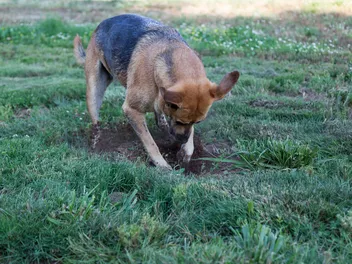
Why Do Dogs Eat Dirt? Vet-Reviewed Common Reasons & Facts


In this article
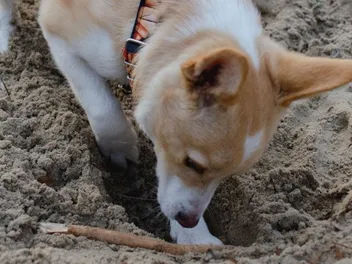
We may love them with all our hearts, but catching our beloved canine companions destroying the garden and eating dirt can be disturbing and frustrating, to say the least! Although it may seem strange, this behavior is more common than you might think, as many dogs simply love the stuff, but that doesn’t mean this behavior should be tolerated, as it may mask an underlying health problem. Also, your dog can get sick from eating dirt.
Let's take a look at why some dogs are so attracted to eating dirt and what you can do to discourage this behavior.

The 6 Common Reasons That Dogs Love to Eat Dirt
Just like babies, dogs tend to want to put everything in their mouths, including dirt. There are several reasons that your canine companion might engage in this somewhat confusing activity.
1. Nutritional Deficiency
One possible explanation for why dogs eat dirt is that they're trying to supplement their diet with minerals that they may be lacking. Canines require certain nutrients to stay healthy. If their diet is deficient in essential minerals like calcium or phosphorus, they may instinctively try to seek out alternative sources, such as dirt.
2. Behavioral Issues
In certain cases, dogs may eat dirt for behavioral reasons, such as boredom, anxiety, or other stress disorders. Pups that are left alone for long periods or lack mental stimulation may engage in destructive behaviors like eating dirt out of sheer boredom.
If your dog is showing signs of behavioral issues, we suggest you speak to a vet.
3. Love of Dirt
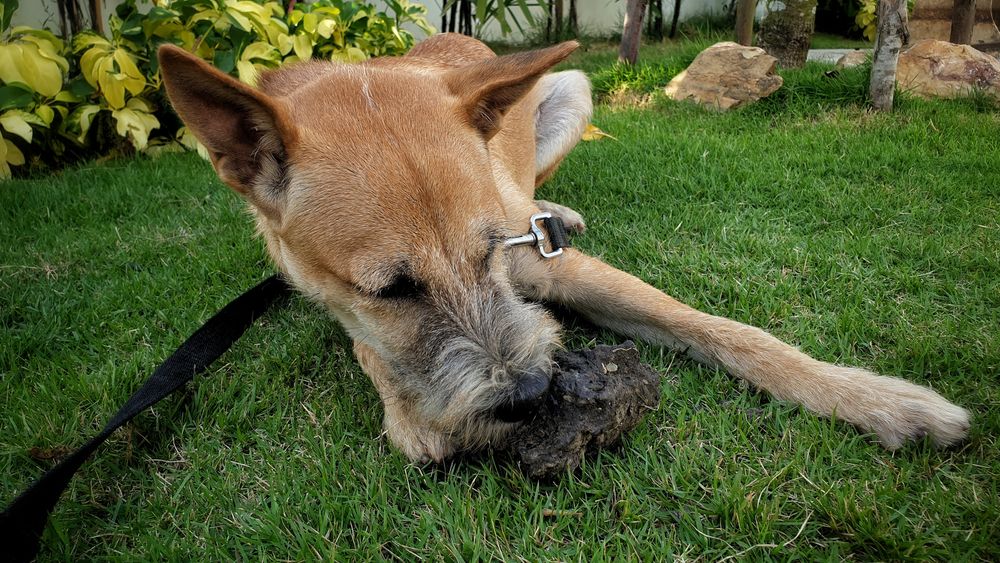
Some dogs simply seem to enjoy the smell, taste, and even texture of dirt. Canines have an amazing sense of smell, and it may be that they smell something tasty in the dirt and want to eat it.
4. Natural Instincts
Eating dirt could be a leftover instinct from your dog's ancestors. In the wild, animals may consume dirt and other substances to obtain the minerals contained in them. Even if your dog doesn't need these minerals, they may still engage in this behavior out of habit.
5. Medical Issues
Medical conditions like gastrointestinal problems, parasites, and anemia can sometimes cause dogs to start eating soil and dirt.

6. Pica
Pica is the persistent consumption of non-food items, which may include dirt. It can be due to medical issues and nutritional deficiencies, but it is often a behavioral problem.
Is Eating Dirt Harmful to Dogs?
While occasional dirt consumption might not pose a significant threat to your dog's health, excessive ingestion can lead to problems. Consuming large amounts of dirt can cause gastrointestinal issues like vomiting, diarrhea, or intestinal blockages. Additionally, some soils may contain parasites and harmful substances like pesticides or fertilizers, which can be toxic to dogs.

What Can You Do About Your Dog Eating Dirt?
If you notice your dog eating dirt regularly, you’ll need to address the underlying cause.
Here are a few tips to help curb this behavior:
Final Thoughts
While it may seem quite strange to us, dogs eating dirt is a relatively common behavior with several possible explanations. Whether it's a nutritional deficiency, digestive upset, or just a quirky preference, understanding why your curious pup keeps eating dirt can help you address the issue effectively. As always, don’t hesitate to consult your veterinarian if you are concerned about your dog eating dirt or if this behavior is accompanied by other signs, such as vomiting, lethargy, lack of appetite, and/or irregular bowel movements.
Sources
Featured Image Credit: RJ22, Shutterstock
Expert dog care, straight to your inbox
Vet-reviewed advice, training tips, and the best of Dogster. Free, and you can unsubscribe anytime.
By signing up, you agree to our Terms & Conditions and Privacy & Cookies Policy.
A biologist and science writer, Genevieve has a special fondness for capuchin monkeys, pumas, and kangaroos, which has inspired her to volunteer and work at wildlife rehabilitation centers in countries like Bolivia, Guatemala, Canada, and Australia. Now living as a Canadian expat in Argentina, she enjoys the sight of horses and cows outside her home office window every morning. Genevieve is the proud owner of three rescue dogs—Lemmy, Nala, and Pochi—and a lively kitten named Furiosa. She finds happiness and fulfillment in sharing her passion and extensive knowledge of animals with others.
Join the conversation
Ask a question, share your story, or send private feedback.