HELP WANTED: Scientists Seeking Senior Dogs To Unlock the Secrets of Aging
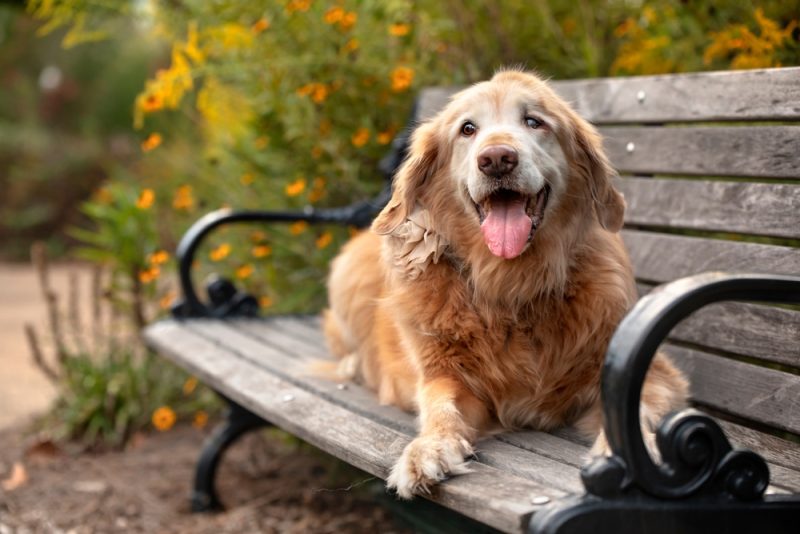
What if your senior dog could help scientists learn more about how dogs age, and potentially help future generations of dogs live healthier lives?
That is the opportunity behind a major clinical trial from the Dog Aging Project, a research collaboration focused on giving us a better understanding of canine aging. The project is currently looking for older, healthy dogs to participate in the Test of Rapamycin in Aging Dogs, better known as TRIAD.
This study is attracting renewed attention following a recent 60 Minutes report on the Dog Aging Project and its work investigating why dogs age the way they do and how their golden years might be made healthier.
TRIAD is not simply asking how long dogs can live. Researchers are trying to understand if a medication called rapamycin can influence the aging process and improve health in older dogs.
Why Rapamycin?
Rapamycin, also known as sirolimus or Rapamune, is a macrolide drug with immunosuppressive and antitumor properties. This medication has been used in human medicine for more than two decades, including in patients who have undergone kidney transplantation.
The interest in rapamycin and aging comes from a different area of research. Studies in laboratory organisms found that rapamycin can extend lifespan in several species, including mice, yeast, worms, and flies. Now, researchers want to find out whether those benefits could extend to our pets.
The Dog Aging Project’s TRIAD trial is a multicenter study involving researchers and veterinary hospitals at universities across the United States, including Tufts University. The TRIAD trial is investigating whether rapamycin can influence lifespan and, importantly, promote healthy aging in companion dogs.

It’s Not Just About Lifespan
For veterinary science, one of the most interesting parts of aging research is the difference between lifespan and healthspan.
Lifespan is how long an animal lives. Healthspan is the portion of that life spent in good health.
Those are not the same thing.
Living longer is great, but what matters just as much is how dogs feel during those extra years. More time with the family means less if a dog is struggling with chronic illness, having trouble getting around, or experiencing cognitive decline. The goal isn't just to add years to a dog's life. It's to help them enjoy more of those years feeling good.
TRIAD is examining several areas of canine health, including cognitive function, heart function, immunity, and cancer incidence.
Which Dogs Can Participate?
The current TRIAD recruitment drive is specifically aimed at older dogs that meet the study's eligibility requirements. To be considered for the study, dogs must:
Be aged 7 years or older
Weigh 44 to 120 pounds
Be spayed or neutered
Be in overall good health
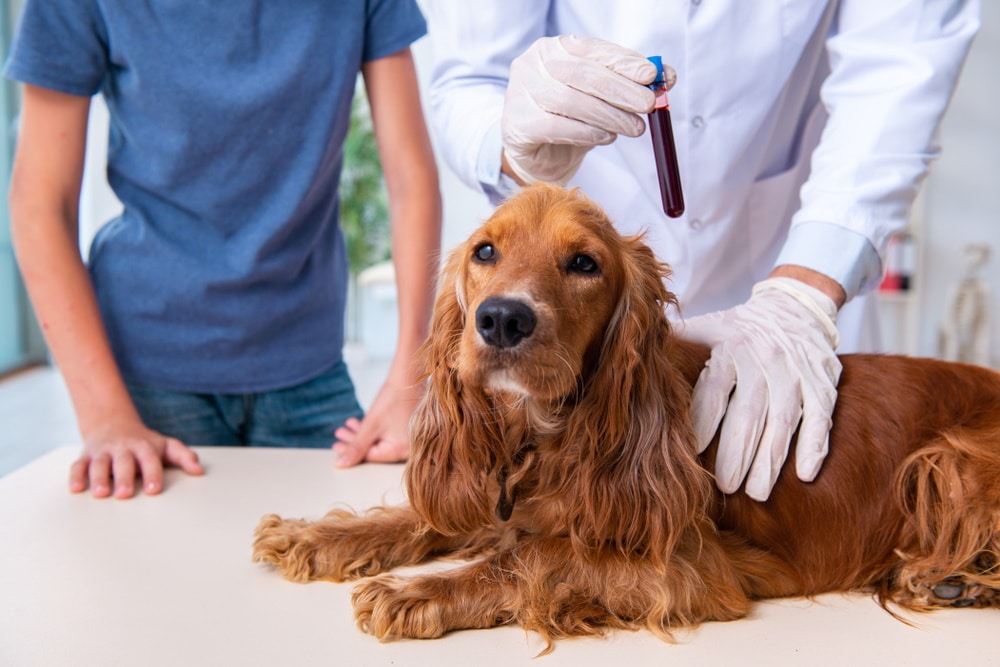
Be able to cooperate with examinations, including blood collection and cardiac ultrasound, without sedation
Have normal diagnostic findings at enrollment
Clinical trial sites are located throughout the United States.
For families who decide to participate, it is important to consider that this is a three-year commitment. During the first year, dogs receive either rapamycin or a placebo. Once that year is over, the medication stops, but the study continues. Researchers will follow the dogs for another two years to see how they age and whether any differences emerge over time. In total, owners will bring their dogs to a clinical trial site seven times during the three-year study.

Why Dogs Are So Valuable To Aging Research
When it comes to getting older, dogs and humans have quite a lot in common. Dogs are susceptible to many of the same age-related conditions we are, including cognitive decline, arthritis, heart disease, cancer, and other chronic health problems. And since they share our homes and daily environments, a great deal of what researchers learn from studying aging in dogs can be extrapolated to humans.
The recent 60 Minutes report touched on this connection, including research into canine dementia. It's an area worth paying attention to, especially as more dogs live into their senior years.
There's also a practical advantage. Dogs age much faster than humans. This allows researchers to track changes in their health over a few years instead of waiting decades. That's a big deal when you're trying to understand what happens as the body ages.
But this isn't just about what dogs can teach us about ourselves. What researchers discover will help dogs, too.
Aging isn't a single disease that can be treated with one medication. As dogs get older, several things can start changing at once, sometimes as a domino or cascade effect after an initial problem or illness. Maybe getting up becomes harder, walks get shorter, or a dog who's always been sharp seems a little confused. Sometimes these changes happen gradually, and it's easy to chalk them up to old age.
The more we learn about what's actually happening in an aging dog's body, the better chance veterinarians have of spotting problems earlier and finding ways to help dogs feel good for as long as possible.
All Dogs Can Contribute
Due to the eligibility requirements, not every dog will qualify for TRIAD, but that doesn’t mean they can’t contribute to canine aging research.
The Dog Aging Project also has a broader research community known as the DAP Pack, which welcomes dogs of different ages, sizes, breeds, and backgrounds. The project explains that dogs who do not qualify for TRIAD can still make a meaningful contribution to understanding canine aging.
It’s important to include all kinds of dogs in this research, not just a particular breed or size. A dog's genes, lifestyle, environment, size, and even their health history can all play a role in how they age. The more variety researchers can study, the better picture they can get of why some dogs stay healthy well into their senior years while others develop health problems earlier.

There’s So Much to Learn About Aging Dogs
When it comes to canine aging, the goal isn't just to help dogs live longer. It's to help them feel good for more of those years, stay active, and keep enjoying life with their families.
And anyone who's lived with a senior dog knows that two dogs of the same age can be worlds apart. One 10-year-old may still be eager for walks, playtime, and whatever the family has planned that day. Another might be struggling with mobility or dealing with several health problems. So, what makes the difference?
That's part of what makes the TRIAD study interesting. Rapamycin has shown promising results in other species, but researchers still need to find out whether it can make a meaningful difference in dogs. That's a question that needs to be tested, and your pup may be part of this!
For owners of senior dogs, taking part in research like this is a chance to help scientists get some answers. What they learn could help us better understand why dogs age differently and what might help them stay healthier as they get older.
So, if you have a pup in their golden years, check out the Dog Aging Project and see how your four-legged friend might become part of this research.
Expert dog care, straight to your inbox
Vet-reviewed advice, training tips, and the best of Dogster. Free, and you can unsubscribe anytime.
By signing up, you agree to our Terms & Conditions and Privacy & Cookies Policy.
Dr. Paola Cuevas is our Senior In-House Veterinarian at Dogster and Pangolia. She has over 19 years of experience working with an array of species and loves sharing her knowledge and experience with our readers and aims to provide assistance with any issue presented by your non-human family members. She received her degree from the University of Guadalajara, Mexico.
Her passions are animal welfare and preventive medicine, and has skills in the fields of nutrition, microscopy, clinical pathology, diagnostic imaging, and endoscopy. Paola frequently contributes pet care insight to various media outlets like PetMD, The Daily Record, Parents.com, etc.
Paola is also an animal behaviorist with extensive experience in positive reinforcement animal training.
Join the conversation
Ask a question, share your story, or send private feedback.