Dog Health Care Routines: 19 Vet-Approved Tips

Your dog is your best friend, and you want your best friend to live as long as possible. That means taking care of their health as best you can.
Unfortunately, that’s a tall task—after all, there’s so much information out there about what you should and shouldn’t do to keep your pets healthy.
With that in mind, we assembled the top health tips for dogs, so you can do everything necessary to keep your pooch around for years to come.

Dog Health Tips
Perhaps the most important thing that you can do for your dog is to feed them a healthy, nutritious diet. The ideal diet can vary from breed to breed, so ask your vet for guidance, but in general, it’s hard to go wrong with a high-protein option.
It’s important to use the highest-quality ingredients as well. This means using fresh, clean foods, so avoid cheap fillers like corn, wheat, soy, and mystery animal by-products.
Every pet is unique in their nutritional needs, so we recommend reaching out to your vet for nutritional advice.

Top 19 Healthy Dog Routine Tips
1. Don’t Let Them Become Overweight

Obesity is a huge health problem for dogs. It can lead to all sorts of medical conditions, and it also lowers your pup’s quality of life. It’s thought that being overweight can shave many years off your dog’s life, so keeping them lean and trim is extremely important.
What’s more, this is one of the few things that is 100% within your control. It’s entirely up to you how much your dog weighs, and while you don’t want them to starve, even a few extra pounds can have a severe impact on their overall health (especially for smaller breeds).
Dog Calorie Calculator
Recommended Daily Calories

The exact amount of calories an individual animal needs to maintain a healthy weight is variable and influenced by many factors including genetics, age, breed, and activity level. This tool is meant to be used only as a guideline for healthy individuals and does not substitute veterinary advice
2. Tailor Their Diet to Their Age
As it turns out, it’s not enough to just exercise strict portion control—you should also feed your dog different amounts of food at different times of their lives.
Puppies need way more calories than adult dogs do, so they should eat smaller meals more frequently—up to four times a day, in fact. Once they become adults, you might want to dial that down to two meals a day. Senior dogs often need specific diets to support their health conditions, though it’s still usually divided into just two meals a day.
3. Give Them Plenty of Exercise

Exercise is on the other side of the diet coin. In addition to feeding them healthy food, you also need to keep your pup active. Not only will this stave off obesity, but it will also keep them happy and help them build the lean muscle that they need to stay healthy well into their golden years.
The amount and type of exercise that your dog needs will depend on their age and breed, but at least an hour a day of moderate activity should be a good idea.
4. Don’t Skip a Vet Visit
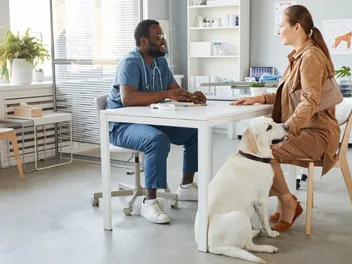
Regular checkups are extremely important for keeping your dog healthy. You shouldn’t skip them, even if you don’t think that your dog needs to see the vet at that particular time.
Not only will your vet take these opportunities to keep your dog up to date on all their vaccines, but they can also give them a thorough examination. If anything is wrong with your pup, discovering it as soon as possible will give your dog the best odds of a positive prognosis.
5. Get Pet Insurance
It’s easier to take your dog to the vet when needed if you know that you’ll recoup many of the costs involved. Pet insurance allows you to do just that, and it can also take the sting out of many expensive, potentially life-saving surgeries.
Many pet insurance companies encourage owners to take their pets in for regular checkups, and they may reimburse policyholders for 100% of these charges. It’s a great, inexpensive way to stay on top of your dog’s health.
6. Brush Their Teeth
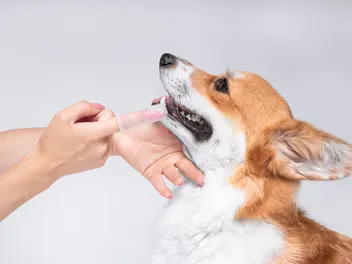
Periodontal disease is the most common illness affecting dogs, and it can have huge ramifications for their overall health. Not only can periodontal disease wreck your dog’s mouth, leading to damaged or lost teeth, but the bacteria can also spread to other parts of their body, causing potentially life-threatening diseases.
The good news is that periodontal disease is easy to keep at bay. All you have to do is brush your dog’s teeth regularly — several times a week, at least. It may be a pain, but it’s worth it if it adds years to their life.
7. Protect Them From Parasites

Fleas and ticks aren’t just uncomfortable for your pooch, they can also pass on serious diseases to your dog. Luckily, it’s fairly easy to stop them in their tracks, as there are a variety of effective treatments on the market today, including oral, topical, and wearable options.
Be sure to do your research first, though, as they don’t all protect against the same bugs. You’ll need to know what parasites are active in your area, and then find a treatment that protects your dog against all of them.
8. Know Where They Are at All Times
While it can be tempting to allow your dog to roam to their heart’s content, doing so can be quite hazardous to their health. Pets that are allowed to run around outdoors unsupervised have significantly shorter lifespans than those that are kept indoors or behind secure fences.
The number-one killer of roaming pets is cars. It’s not just oncoming traffic that they have to worry about either, as predators, parasites, poisons, and more can all kill them in no time. If you want your dog to live as long as possible, don’t let them leave your yard.
9. Teach Them Manners

Regular obedience training and socialization are essential for a dog’s health (and your reputation). A dog that’s well-trained and confident is less likely to get in fights, and they’ll also be less likely to lash out at strangers, potentially putting them on animal control’s most wanted list.
A well-behaved dog can spend more time around people, and that will be good for their mental health. Plus, all that training time gives them the chance to do their favorite thing in the world: Bond with you.
10. Get Them Used to Being Touched While They’re Young

When your dog is a puppy, be sure to touch their paws, nose, ears, and mouth while you’re playing with them. They’ll enjoy the attention, and they’ll never realize that what you’re actually doing is getting them accustomed to having all these areas poked and prodded by humans.
That could come in handy when it’s time to take them to the vet, as they’ll be less likely to react poorly to an invasive examination. This could allow the vet to discover issues that would have otherwise gone unnoticed and that could potentially save your dog’s life.
11. Puppy-Proof Your Home
Many dogs can become sick or even die due to ingesting things around the house, so make sure you have all potentially hazardous materials out of paw’s reach. That includes pesticides, cleaners, and even toxic foods, like grapes or raisins. You should buy locking trash cans too, as many dogs love to go dumpster diving for a snack.
You may want to invest in a baby gate or other furniture to keep your dog away from staircases or out of rooms that they don’t belong in. This could save your klutzy pup from a huge accident, one that could come with a pricey vet bill.
12. Create a Safe Space for Your Dog

The 4th of July and New Year’s Eve are the two days when the most dogs go missing, and there’s one simple reason for that: fireworks. Dogs tend to run and hide when stressed and scared, and if they don’t have someplace safe to go, they may just run out the front door to look for one.
That’s why it’s so important to create a cozy, welcoming nook for your dog, preferably inside a dog crate. If you give them a safe space that allows them to self-soothe in peace, they’ll run in there when scared, rather than down the street.
13. Build a Doggy Emergency Kit
You never know when disaster will strike, so you must be ready to take care of your dog in case of an emergency. A doggy emergency kit will help you do just that, so you should make one (and put it somewhere safe) well before you need it.
Inside, you should include a copy of their shots and identification, lists of their medications, and important first aid gear, like gauze and antiseptic. You may also want to include bottled water and a bag of dry food. The idea is to have something that will allow you to care for your dog for a few days (you should have one for yourself too).
14. Clean Their Toys and Dishes Regularly
Dog slobber is a breeding ground for fungus and bacteria. You should wash your dog’s toys and food and water bowls regularly to ensure that microbes don’t grow out of control.
This can also help reduce allergies, especially if those items are left outside where pollen, bugs, and sun can get on them.
15. Set Aside Regular Grooming Time

Many owners view grooming as an optional activity, but it’s actually important for your dog’s overall well-being. Most breeds don’t need to be bathed more than a few times a year, but they’ll still need their fur combed, nails trimmed, and ears cleaned.
While frequent grooming will make your dog (and your house) look better, it’s more than just cosmetic. It’s also a great opportunity to bond with your dog, and you can use this time to check them for parasites, suspicious lumps, or other potential health issues that warrant further investigation.
16. Be Aware of the Weather
Few breeds are suited for being outside year-round, especially if you live in an area that’s prone to extreme weather. You should take the time to prepare your dog for any serious change in climate, and you may want to limit their time outdoors as well.
In the winter, your dog might need a sweater or boots before going outside. In the summer, overheating is a serious concern, so make sure they have plenty of water, and don’t leave them out in the sweltering heat too long. This is something that you’ll have to play by ear, but remember: If you’re uncomfortable, they probably are too.
17. Make Sure They’re Microchipped

Despite your best efforts, there’s always the chance that your dog could get lost someday. The best way to increase your odds of being reunited with them is by making sure your dog is microchipped. It’s cheap and effective, and it won’t put your personal information at any risk.
You should still make sure they have dog tags with your information on them, of course, and you may want to invest in a GPS tracker as well. But even with all that, microchipping is still the most effective way to bring a lost dog home safely.
18. Never Let Them Off-Leash

Many owners love to let their dogs off-leash so they can really stretch their legs out and run. Most of those same owners vastly overestimate their ability to bring their dogs back.
An off-leash dog is more likely to get hurt or killed in an accident, and they’re also more likely to hurt someone else. Also, just because your dog is friendly doesn’t mean that everyone else’s dog is, so keep your dog on their leash until you go to a safe area, such as a private yard, or return home.
19. Spend Time With Them

Possibly the most important thing that you can do to boost your dog’s overall health is also the most fun and rewarding: Spend as much time with them as possible. Your dog thinks the world of you, and any time spent in your presence is richly rewarding for them.
We understand that life happens—you have to work, there’s a new baby in the house, etc. However, if you don’t have enough time to bond with your dog on a regular basis, you might need to rethink whether you’re ready to have a pooch at all.
Keeping Your Dog Happy and Healthy
While we don’t have a secret formula that will make your dog immortal, the tips on this list should help you maximize the amount of time that you get to spend with your pup. These ideas are all great ways to watch over your dog’s well-being while also spending quality time with them.
We can’t promise that your dog won’t still have health problems, but at least you can rest easy knowing that you did all you could possibly do for them.
See Also:
Featured Image Credit: LightField Studios, Shutterstock
Expert dog care, straight to your inbox
News, insights, expert advice, and everything dog.

No spam — unsubscribe anytime.
By signing up, you agree to our Terms & Conditions and Privacy & Cookies Policy.
How useful was this post?
Click a star to rate. You can leave written feedback afterwards. (We read all feedback.)
Nicole has loved animals of all sizes her whole life so it's no wonder she has dedicated her career to helping them through what she loves best: learning, writing, and sharing knowledge with others. She’s the proud mom of two dogs, a cat, and a human. With a degree in Education and 15+ years of writing experience, Nicole wants to help pet parents and pets around the planet to live happy, safe, and healthy lives.