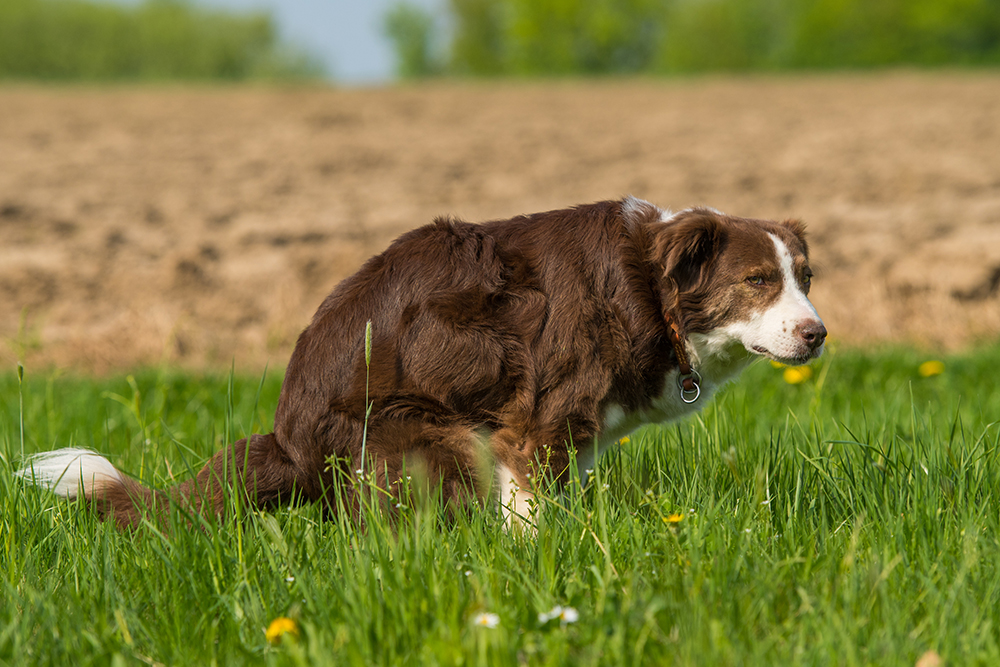
Have you noticed your dog is passing loose, soft stools regularly? While this may seem like the norm for your dog, it can be an indication of something wrong with their digestive system. It’s also disruptive to your dog’s daily routine, and it can be a nightmare for owners to deal with, as loose stools can be difficult to pick up on walks or clean up in the house.
Let’s discuss the ins and outs of loose or soft stools in dogs and get to the bottom of this situation.

What Are the Reasons for Soft or Loose Stools in Dogs?
1. Dietary Indiscretion
One common reason is that your dog may have eaten something they shouldn’t have. Dogs would scavenge in the wild, and this is often a hard habit for them to quit. They steal scraps from our tables, they root through bins, and they may search for things to eat on walks or in the garden. They have a very acute sense of smell, and they are good at sniffing out interesting morsels that often are not suitable for them to eat.
Most of the time, what they pick up causes stomach upset. This can be severe, causing vomiting and diarrhea, or sometimes, it can simply cause your dog to pass slightly looser, softer stools. If your dog is frequently scavenging and eating things that they shouldn’t, this can alter the consistency of their stools.
If you are concerned about the health and well-being of your pet, seek veterinary advice for the best course of action.
If you need to speak with a vet but can't get to one, head over to PangoVet. It's our online service where you can talk to a vet online and get the advice you need for your pet — all at an affordable price!

2. Overfeeding
If you are feeding your dog too much food, this can cause digestive issues, including soft, loose stools. Your dog may not be receiving the correct balance of nutrients and the right ratios of all the important food groups. Overfeeding also causes an increased workload for your dog’s guts so the food does not get processed fully. If this is the case, you may see looser, softer stools being passed.
The gut can also become irritated, which can have the same result. Your vet will be able to advise you on the correct amount your dog should be eating daily so you can work out how much you are giving them and adjust the amount if necessary.
3. Not Enough Fiber
If you are not feeding your dog a balanced diet that contains the correct ratios of all of the food groups, they may not be receiving enough fiber. What often happens is that they are taking in too much liquid and not enough fiber. This can change the consistency of their stools. Your vet will be able to advise you on safe and sensible ways to increase the fiber in your dog’s diet.
Any changes must be done gradually so as not to cause more upset to the gastrointestinal tract.
4. Toxic or Poisonous Foods
Lots of owners are unaware of toxic or poisonous foods that can cause loose or soft stools in dogs as a side effect. Some toxic foods can cause serious health issues for dogs, while others, if given in small doses, may cause changes in the consistency of the stools.
Human foods that are full of flavoring or contain too much sugar, salt, or spices can cause loose stools, especially if they are offered frequently.
5. Recent Changes in Diet
If you have recently changed your dog’s food, this can cause looser, softer stools. If you do plan on changing your dog’s food, it is recommended that you do so very gradually. You should add small amounts of the new food each day and slowly increase the amount that you give while decreasing the amount of the old food.
This should be done over 1 to 2 weeks. If you need more advice on how to do this, your vet will be able to help you.
6. Parasites
Parasite infestations can cause changes in the consistency of stools. Parasites like roundworms, hookworms, and whipworms can dwell in your dog’s intestines. They irritate the lining of the intestines, causing inflammation, which causes problems for your dog because this absorbs water and nutrients from food. This situation can lead to loose stools.
Some parasites have adapted to be able to successfully compete for your dog’s resources and take nutrients directly from your dog’s food. This deprives your dog of essential nutrients and disrupts the balance of the food, which can lead to softer stools being passed.
7. Bacterial or Viral Infections
There are many bacterial and viral infections that can cause inflammation in the intestines. This results in softer looser stools. Examples of bacteria include but are not limited to Salmonella, E. Coli, Campylobacter, and Clostridium perfringens. Examples of viruses include the canine coronavirus and canine distemper virus.
8. Allergies
If your dog suffers from allergies, they can have soft stools. Allergies can cause inflammatory changes and irritation of the digestive system. When an allergic reaction occurs, the dog’s immune system overreacts when it comes into contact with allergens. This can cause overproduction of mucus, which will loosen up stools.
Inflammation in the gut will also cause damage to the lining of the gut and disrupt its normal function, which can also cause softer stools.
9. Stress
Stress can cause chronic changes in the consistency of your dog’s stools. When a dog experiences stress, their body releases certain hormones, such as cortisol and adrenaline. These hormones contribute to the “fight or flight” response, which prepares the body for any action required. These hormones can have an effect on the guts, meaning the dog passes loser stools.
If the dog is chronically stressed, this will keep occurring. When your dog is stressed, the body will also divert resources away from non-essential bodily functions, such as digestion. This means that food is digested much more slowly, and the intestines absorb less water from food, leading to loose stools.
On top of all this, stress can disrupt the gut flora, causing an imbalance in the gut microbiome. This can cause inflammation and irritation, which also contributes to looser stools.
10. Inflammatory Bowel Disease
If your dog suffers from inflammatory bowel disease, this can cause changes in the consistency of their stools. Often, the first thing owners will report when coming to their vet with a dog suffering from this disease is looser stools over an extended period of time.
11. Pancreatitis
Pancreatitis means inflammation of the pancreas. This can affect digestion and often causes softer stools.
12. Liver or Kidney Disease
If there is a problem with the functioning of either of these organs, these can impair digestion and affect the absorption of nutrients. Both of which can cause softer, looser stools.
How to Diagnose the Problem
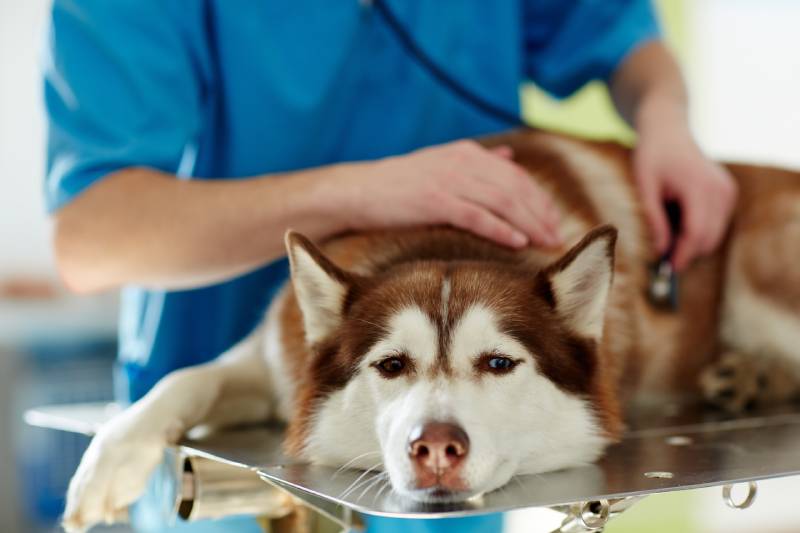
Due to the fact that there are so many different causes of loose stools in dogs, your veterinarian must perform a thorough investigation to get to the bottom of the issue (excuse the pun!). Your vet will need to perform a full physical exam and take a history from you. They will need all the details of your dog’s diet and any recent changes. Potential diagnostic tests that they will need to perform include blood tests, urine tests, and fecal examination. X-rays and ultrasound scans may be of use to examine the internal organs and assess their function.
Some of the causes can be very mild and resolve on their own, while others are very serious and require immediate medical attention. If you see any of the following clinical signs, you must contact your vet to arrange for them to examine your dog without delay:
- Your dog is lethargic or depressed.
- There is blood present in your dog’s feces.
- Your dog’s feces are black and sticky.
- Your dog is off their food.
- Your dog is not drinking.
- Your dog has a bloated or distended stomach.
If you know that your dog has ingested any sort of toxin or if they have allergies and have been exposed to an allergen, it is also advised that you contact your vet.
What Are the Treatment Options?
The treatment for softer looser stools in the dog will depend on the underlying cause. If your vet is suspicious of a food intolerance or allergy, they will recommend an elimination diet or a hypoallergenic diet.
If your dog is a scavenger and frequently gets hold of things they shouldn’t eat, it may be necessary to place a muzzle on them on walks to prevent them from eating anything. There are measures that owners can take at home to secure bin lids and conceal rubbish to prevent dogs from having access to the trash.
Medications that may be prescribed include antibiotics for bacterial infections and anti-parasite medication for worms and protozoan parasites. Anti-inflammatory drugs can be used to relieve clinical signs of inflammatory bowel disease. Stress management strategies can be put in place to minimize exposure to potential stressors. Behavioral training can also be carried out to try to alter your dog’s response to the stressors.
Conclusion
Loose or soft stools in dogs are a commonly seen problem. It can be a complex issue that requires a thorough workup and a tailored treatment plan. It can be a debilitating problem and can be stressful for owners too. Prompt diagnosis and quick action of treatment are important to improve the quality of life for your dog.
If you think your dog is experiencing chronically looser or softer stools, get in contact with your vet to arrange an appointment as soon as possible.
See also:
Featured Image Credit: Dora Zett, Shutterstock