Get

In Your Inbox

Dogster is reader-supported. When you buy via links on our site, we may earn an affiliate commission at no cost to you. Learn more.

Can Dogs Eat Olives? Vet-Approved Nutrition Facts & FAQ

If you’re one of those people who love eating olives, whether on a pizza or in a salad, you may wonder if your dog can eat olives too.

Generally, dogs can eat olives in moderation, as they are not toxic; however, they still carry various risks that you should be aware of before allowing your dog to eat them.

Can Dogs Eat Olives?

Dogs can eat olives because these fruits are not toxic to canines; however, they should only consume them in moderation. Eating too many olives can lead to weight problems, as they may increase your dog’s calorie intake.

Olives naturally contain plenty of vitamins and minerals that can supplement your dog’s diet, but if your dog’s diet is well-balanced, your furry friend won’t need these nutrients.

Still, you can occasionally implement olives into your dog’s diet as a source of healthy proteins and fats but bear in mind that you should only give them plain, unsalted olives.

What Type of Olives Can Dogs Eat?

If you decide to give olives to your dog, ensure that they’re plain, unsalted olives. Any other type, such as canned olives, marinated olives, or stuffed olives, could contain harmful spices and ingredients that could affect your dog’s health.
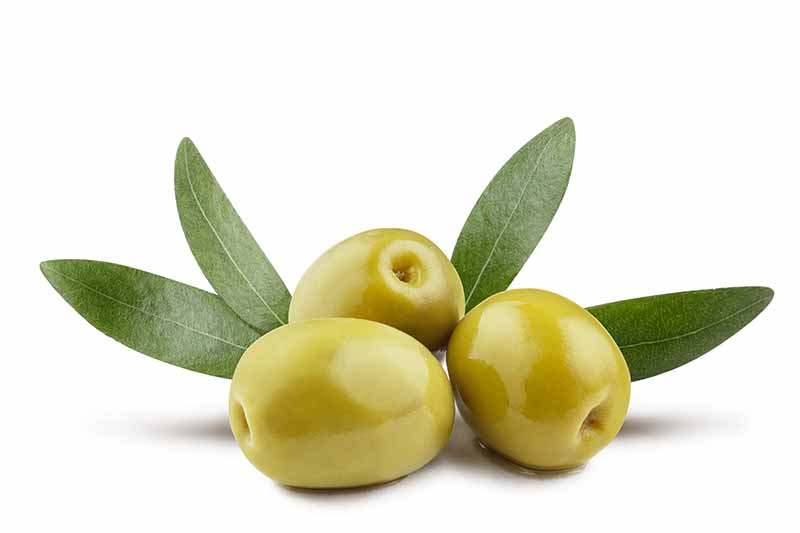
green olives with leaves
Image Credit: Yeti studio, Shutterstock

Nutritional Benefits of Olives for Dogs

Theoretically, olives contain various nutrients that can positively impact your dog’s health:

Nutritional Benefits of Olives
  • Vitamin K
  • Vitamin E
  • Vitamin A
  • Potassium
  • Zinc
  • Calcium
  • Iron

It’s also said that olives can help reduce inflammation and boost immune system health; however, while they are rich in nutrients and antioxidants, they are often unnecessary for dogs with well-balanced, high-quality diets.

Can Eating Olives Be Dangerous to Dogs?

Eating olives can be potentially dangerous for dogs, which is why you should always be cautious when and if you give them to your dog.

The 4 Dangers of Feeding Olives to Your Dog

1. Choking Hazard

Olives are not toxic to dogs, but their pits present a serious choking hazard. When eating olives, your dog may choke on an olive pit, or the pit could block the airways, leading to breathing obstructions.

The olive pits may also crack your canine’s teeth or end up in their intestinal tract and cause damage and discomfort.


2. Sodium Toxicity

If you plan on giving olives to your dog, ensure that they are plain, unsalted olives. Any packed, canned, or pickled olives will contain high sodium (salt) levels. Though relatively rare, this could lead to sodium toxicity if your dog suddenly consumed a very large quantity of salted olives.

Sodium toxicity is a serious condition that requires immediate veterinary treatment. The signs of toxicity start with vomiting, followed by:

Signs of Sodium Toxicity
  • Diarrhea
  • Lethargy
  • Depression
  • Shortness of breath
  • Rapid breathing
  • Disorientation
  • Seizures

Since sodium toxicity can be deadly for dogs, it’s best to avoid feeding olives to your dog unless you can find plain olives that don’t contain salt.

dachshund dog sleeping at home
Image Credit: Stepan Soloveiv, Pixabay

3. Garlic Poisoning

It’s common for many canned, pickled, or packed olives to contain various ingredients, including garlic. While garlic is an excellent part of human food, dogs cannot ingest any members of the allium family.

Consuming olives that contain garlic could lead to garlic poisoning; canines that experience garlic toxicity typically display the following signs:

Signs of Garlic Toxicity
  • Weakness
  • Lethargy
  • Pale gums
  • Vomiting
  • Diarrhea
  • Lack of coordination
  • Increased heart rate
  • Increased respiratory rate
  • Excessive drooling
  • Brown/red urine
  • Anemia

Since garlic poisoning is a possibility, it might be best to avoid giving your dog foods that could contain garlic, including olives.


4. Alcohol Poisoning

If you love to drink martinis but are not a big fan of the olives inside, you may want to give them to your pet as treats. However, you should never give your dog olives from drinks like martinis, as that could potentially cause alcohol poisoning in your canine.

Here are the signs of alcohol poisoning in dogs:

Signs of Alcohol Poisoning
  • Disorientation
  • Excessive sleepiness
  • Nausea
  • Vomiting
  • Low body temperature
  • Difficulty in breathing
  • Collapse

Since your dog shouldn’t ingest any alcohol, giving olives from an alcoholic drink to your dog is something that you should never do.

If you want more information or are concerned about your pet’s health, you should contact your vet.

If you need to speak with a vet but can't get to one, head over to PangoVet. It's our online service where you can talk to a vet online and get the advice you need for your pet — all at an affordable price!

PangoVet_Mention-in-Content Savings V1

Frequently Asked Questions

Which Foods Can You Offer to Your Dog as Substitutes for Olives?

If you want to add fruits to your dog’s diet and have been considering olives, know that there are alternatives that may be healthier for your canine. Here’s a list of dog-appropriate fruits:

Safe Fruits for Dogs
  • Apples
  • Bananas
  • Blueberries
  • Oranges
  • Peaches
  • Strawberries
  • Cucumbers
  • Pineapples
  • Watermelons

Regardless of the fruit treat that you choose, always remember to offer it to your dog in moderation to avoid nutritional imbalances.

Sheepadoodle taking a bite of apple
Image Credit: Logan__123, Shutterstock

Final Thoughts

Dogs can eat plain, unsalted olives in moderation. Although olives can be nutritionally beneficial to canines, they can also cause nutrient imbalance and increase your dog’s daily calorie intake unnecessarily.


Featured Image Credit: William.Visuals, Shutterstock

Want content like this delivered to you?

Sign Up For Our Newsletter

News, insights, expert advice, and everything dog

* By submitting, you agree to our Terms & Conditions and Privacy & Cookies Policy.


How useful was this post?

Click on a star to rate (you can leave written feedback after clicking submit)

Help us improve Dogster for pet parents!

Your feedback really matters.

What did you like about this post? Also how can we improve it?

Join the conversation

Leave a Reply

You’re very welcome to leave a comment or question. Please know that all comments must meet our community guidelines, and your email address will NOT be published. Let’s have a positive and constructive conversation.


Talk With A Vet Online

Peace of mind,
anywhere, anytime

Affordable vet advice

EXCLUSIVE EXPOSÉ: New Treatment for Canine Allergic and Atopic Dermatitis – But Who Really Benefits?

A brand new antibody-based injection for atopic dermatitis has just been launched, promising yet another solution to the perpetual problem of the pruritic...

4 Awesome Australian Shepherd Haircuts (With Pictures)

Australian Shepherds shed moderately due to their double coats, so keeping up with a grooming routine is crucial to avoid mats and tangles....

11 Dog Breeds That Can Be Left Alone: Vet-Verified Info, Pictures & Temperament

Dogs come in all shapes and sizes, and different purebred dogs have distinct temperaments. Some dogs are known to be social butterflies that...

Are Dogs Good for Kids? 7 Vet-Approved Reasons for a Canine Companion

Nearly everyone who grew up with a dog will tell you how amazing it was and how they could never imagine their childhood...

More related

Why Are French Bulldogs So Expensive? 5 Vet-Verified Reasons

French Bulldogs are some of the most sought after dogs that exist, and are now one of the most popular dogs in the...

Is Cocoa Butter Safe for Dogs? Vet-Verified Safety & Advice

You might be suspicious of cocoa butter when you have dogs. After all, we’ve had it beat into our heads for years that...

Why Does My Dog Stay Out in the Rain? 6 Reasons Why & Safety Tips

As pet owners, we often assume that our canine companions prefer to stay warm and dry indoors during rainy weather. However, have you...

Will a Havanese Be Good With My Cat? Tips & FAQ

When considering adding a new pet to your household, it’s important to think about how your current pets will react. In this case,...

Keep reading

Can Dogs Have Food Coloring? Vet-Approved Facts

Food coloring is an ingredient used to make pet food more appealing by visually recreating the look of meats like beef (red), chicken (golden yellow), and vegetables (green), but is it actually safe? The general and basic consensus is that...

Food Coloring pump bottles

What Is Powdered Cellulose in Dog Food? Vet-Approved Safety Facts & FAQ

Choosing the best food for our furry companions is no easy task. With more options and specialized diets available than ever, pet parents are often left in the dark about what goes into their pet’s food. Cellulose is a fiber...

Powdered cellulose in a wooden bowl

Wag vs Blue Buffalo Dog Food: 2026 Comparison, Pros & Cons

Great dog food leads to happy dogs but picking out the right food for your dog can be hard. With hundreds of different brands, each offering something different, it’s hard to know where to start. Is it better to pick...

Dogster_Dog Food Wag VS Blue Buffalo

10 Best Dog Foods for Rottweilers in 2026 – Reviews & Top Picks

Rottweilers may look big and intimidating, but these dogs are gentle giants that are often misunderstood. If you haven’t met this breed before, then you don’t realize how sweet they really are. Aside from their kind temperance, they are most...

Rottweiler puppies eating from a bowl

Dog Food Sensitivity: Vet-Reviewed Signs & Treatment

Just like humans, dogs can also develop sensitivities and allergies, especially when it comes to their food. However, identifying and addressing the signs of dog food sensitivity can be a challenge for many pet owners, particularly as some aren’t all...

sad golden retriever dog beside food bowl on the floor with no appetite

Can Dogs Eat Peaches? Vet-Reviewed Health Facts & FAQ

Peaches are delightful snacks, especially during the hot summer months. Some people even have peach trees growing in their yard and can grab a fruit on the go for a fast, juicy treat. If you’re a dog owner, it’s vital...

Can Dogs Eat Peaches

Can Dogs Eat Seafood? Vet-Reviewed Health Facts, Benefits & Risks

Seafood is a delicacy and is loved by many people, but what about humans’ best friends? Can dogs also indulge in the delights of the ocean? The short answer is yes, dogs can eat seafood – but not all seafood,...

Can Dogs Eat Seafood

Can Dogs Have Vanilla? Vet-Verified Nutrition Facts & FAQ

Vanilla is a common additive that is used to flavor sweet treats like cake, biscuits, and ice cream. Although some people keep and use the pods in their culinary efforts, most homes have vanilla extract, which is made by combining...

Dogster-Can-Dogs-Have-Vanilla