Can Anesthesia Cause Seizures in Dogs? Our Vet Explains


In this article
Are you concerned about your dog having an anesthetic? Do you need to know about potential adverse reactions such as seizures? This article will discuss in depth the facts and common misconceptions about general anesthetics and seizures so that you will be fully informed. Read on to find out more!

Can General Anesthetics Cause Seizures in Dogs?
The short answer to this question is yes, they can. Before we delve deeper into this subject, it is important to mention that general anesthesia is a very safe and extremely useful tool in veterinary and human medicine.
It simply would not be possible to carry out the surgeries and procedures day in and day out that save our pet's lives, without it. As with all medications and drugs, there are some side effects, and with general anesthesia, seizures are one of them. The occurrence of seizures is relatively rare considering the number of general anesthetics that are carried out daily on animals. Considering what happens to the body and brain during a general anesthetic, it is no surprise there are some side effects and risks as not every single one will be straightforward.
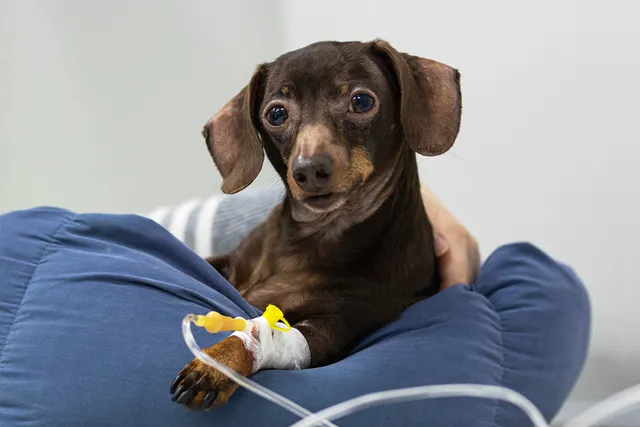
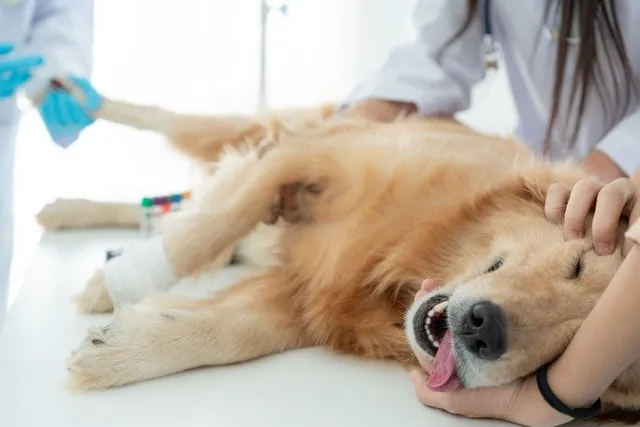
There are different types of anesthesia, including local, spinal, and general. General anesthesia is achieved by giving drugs that depress the function of the central nervous system. The dog will become completely unconscious for the duration of the general anesthetic. They will experience muscle relaxation and a loss of pain sensation while under the anesthesia. General anesthetics usually involve a combination of drugs. Each drug targets a specific part of the dog’s nervous system to achieve the desired effect.

How Do General Anesthetics Affect the Brain?
General anesthesia works by depressing the central nervous system of the dog. This includes the brain and the spinal cord. The degree of depression results in the desired effect of unconsciousness, muscle relaxation, and loss of pain. This enables vets to operate on dogs without them being aware or feeling anything.
What Are Seizures?
Seizures occur when there is an episode of uncontrolled electrical activity in the brain which causes an abnormal physical response. Some are very mild and barely noticeable; some are very violent and can have fatal consequences. Some dogs lose consciousness, and many dogs lose control of their bladder and bowels.
They can experience jerking movements and muscle stiffness; some dogs move their legs rapidly as if paddling in water. Lots of dogs drool and foam at the mouth.
Seek veterinary advice if you’re concerned about your pet’s well-being.
How Can a General Anesthetic Cause a Seizure?
In some dogs, especially those that have underlying health issues or clinical predispositions, the depression of the central nervous system that occurs with a general anesthetic may not work in the way it is intended. This can lead to an imbalance in the depression of the central nervous system which can cause abnormal electrical activity in the brain. This is what triggers a seizure.
What Factors Increase the Risk of a Seizure?
There are a few different things that will affect how likely your dog is to experience a seizure under general anesthesia. Although it is important to bear in mind that in some cases, there is no obvious cause or reason, and no risk factor can be identified.
Things that influence whether a seizure occurs or not can include:
1. Drugs Used
Certain drugs are more likely to trigger seizures than others. Some drugs used for anesthetics or just before the general anesthetic in a “premedication” injection should not be used in animals with a history of seizures. Ketamine and Acepromazine should be avoided in these cases. On the contrary, some drugs such as benzodiazepines (diazepam and midazolam) as well as propofol can be used to prevent seizures.
The drugs used for your dog will have been carefully selected based on their clinical history.

2. Pre-existing Health Conditions
Certain underlying health conditions can mean dogs are more susceptible to seizures. These can include trauma to the head, low blood sugar, epilepsy, and tumors affecting the central nervous system. This can be a tricky situation as sometimes the reason the dog requires a general anesthetic can be due to one of these reasons.
In these circumstances, extra precautions will be taken by your vet.
3. Age
Very young puppies and older dogs can have a higher risk.

4. Individual Circumstances
Each dog is different and has a different threshold for drugs and medications. Some dogs may not react to doses of drugs and others will. This is down to each individual dog's physiology and the things they have been exposed to in their lifetime.
5. Electrolyte Imbalances
If your dog happens to be experiencing electrolyte imbalances, this can alter brain function and contribute to seizure activity. Usually, your dog will have had the necessary checks before a general anesthetic, however, this isn't always possible in emergency situations.

6. Sudden Withdrawal from Seizure Medication
Some dogs with epilepsy are prescribed anti-seizure medication. This medication cannot be stopped abruptly. If this happens the risk of seizures occurring under anesthetic will increase.
How Can Seizures Be Prevented During General Anesthesia?
In some cases, the seizure will occur regardless of precautionary measures—some things are out of our control. However, there are some things that can be done to reduce the risks in certain cases.
Ensure you discuss your dog's clinical history in full detail with your vet. You must include any previous reactions to drugs and any history of seizure activity. Let them know if your dog is on any medication currently or if they have recently been treated for anything.
It is often advised to carry out pre-anesthetic blood tests, urine tests, and screening. This can help to flag up dogs that are at a higher risk for seizures and enable them to tailor the anesthetic protocol to reduce the risks of a seizure. Vets can give different premedication drugs that can help to reduce the amount of anesthetic used. As mentioned above, certain drugs can help to stabilize brain activity therefore reducing the risk of a seizure occurring.
Reducing stress when your dog is admitted to the vet will help them to remain as calm as possible in a potentially triggering situation.
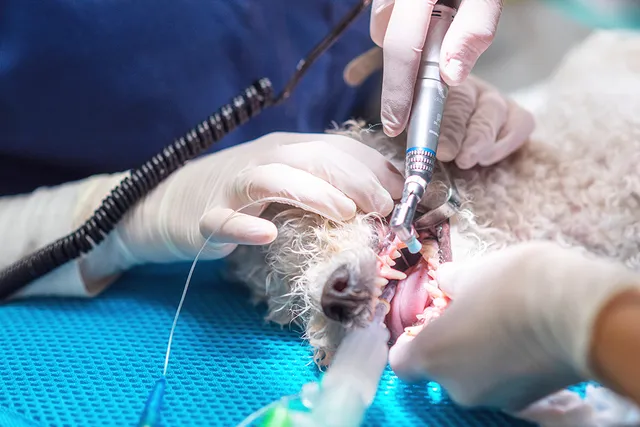
Your vet will have lots of different equipment that enables them to monitor your dog when they are under general anesthesia. An anesthetist or a highly trained veterinary nurse will be monitoring your dog for the duration of the anesthetic. They will be constantly checking their heart rate, respiration rate, how well oxygenated their blood is, how strong their pulses are, the position of their pupils, and their body temperature amongst other things.
In some veterinary hospitals, your vet will have advanced monitoring equipment such as electroencephalogram (EEG) monitoring. This allows your vet to assess the brain activity and means they can act quickly if seizure activity is detected.

Frequently Asked Questions (FAQ)
Should I be concerned if my dog needs a general anesthetic?
There are risks with every single medical procedure that is carried out. General anesthetic is not without its own risks and seizures can occur in rare incidences. The benefits of carrying out the general anesthetic will usually outweigh the risks of seizure activity occurring. If a seizure does occur, your vet is well-trained to deal with this sort of situation. Your vet will always strive to achieve the safest possible anesthetic for your dog.
How do vets manage seizures during anesthesia?
If your dog starts to seizure while under general anesthetic, your vet will immediately begin to adjust the plan of anesthesia for your dog and administer anti-seizure medication. Your dog will be closely monitored to ensure they are receiving enough oxygen and are not becoming too hot as overheating can be a fatal side effect of seizures.

What are the signs of a seizure during anesthesia?
Signs of a seizure during anesthetic are slightly different from signs in a conscious dog. Signs such as jerking leg movements, muscle tremors, and shaking may not be as obvious due to the anesthetic. Your vet can monitor electrical activity in the brain using an electroencephalogram. This device will detect seizure activity even if there are no obvious clinical signs.
The dog's heart rate and blood pressure are also likely to increase during a seizure, and this will be picked up through routine monitoring.
Conclusion
General anesthetics can cause seizures in dogs but it is a very rare occurrence. General anesthetics are a vital tool for veterinary surgery, so it is important that owners are fully informed of the risks before they consent to their dog having a procedure. Risks of seizures occurring can be influenced by drugs used, the age of the dog, and any underlying health issues, as well as other factors.
If you have any concerns about your dog and the risks while they are under general anesthetic, reach out to your vet, they will be able to talk you through everything.
See also:
Why Do Dogs Need Anesthesia for Teeth Cleaning? Vet-Verified Facts & FAQ
Are There Side Effects of Anesthesia in Dogs? Our Vet Explains Care Tips & FAQ
Sources
Featured Image Credit: Kittima05, Shutterstock
Expert dog care, straight to your inbox
News, insights, expert advice, and everything dog.

No spam — unsubscribe anytime.
By signing up, you agree to our Terms & Conditions and Privacy & Cookies Policy.
How useful was this post?
Click a star to rate. You can leave written feedback afterwards. (We read all feedback.)
Dr. Emma Chandley BVM MRCVS (Veterinarian)
Dr. Emma is a experienced vet who is happy to share her knowledge and expertise about dogs with readers. With a focus on surgery, she is eager to engage in discussions on all topics related to animal care. Dr. Chandley graduated from The Royal Vet College and since graduation has worked in general practice in Great Britain. Her credentials include a postgraduate certificate in Small Animal Surgery and recognition as an Advanced Practitioner. She is also passionate about expanding her knowledge in clinical pathology, animal behavior, nutrition, and clinical pathology.