Oregano Oil for Dogs: Benefits, Usage & Side Effects (Vet Answer)

In this article
In recent years, oregano oil has become more and more popular for use in humans. It is believed to have potentially immune supportive and antimicrobial properties. This gives the essential oil a wide variety of different uses for humans.
Lots of owners want to use more natural remedies for their dogs and this has led to owners using oregano oil for their dogs too. But is oregano oil safe for dogs? This article will explore the usage and possible benefits of oregano oil for dogs.
Important: Dog owners should bear in mind that some essential oils can be toxic to dogs. Care must always be taken when using them around the home. It is always advised to speak to a vet before you start using any sort of essential oil in any way for your dog.

What Is Oregano Oil?
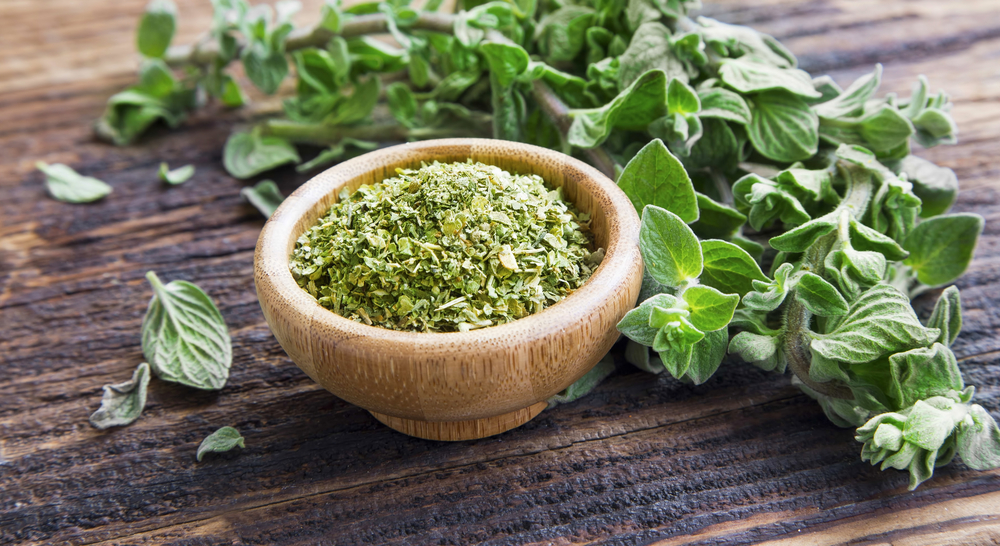
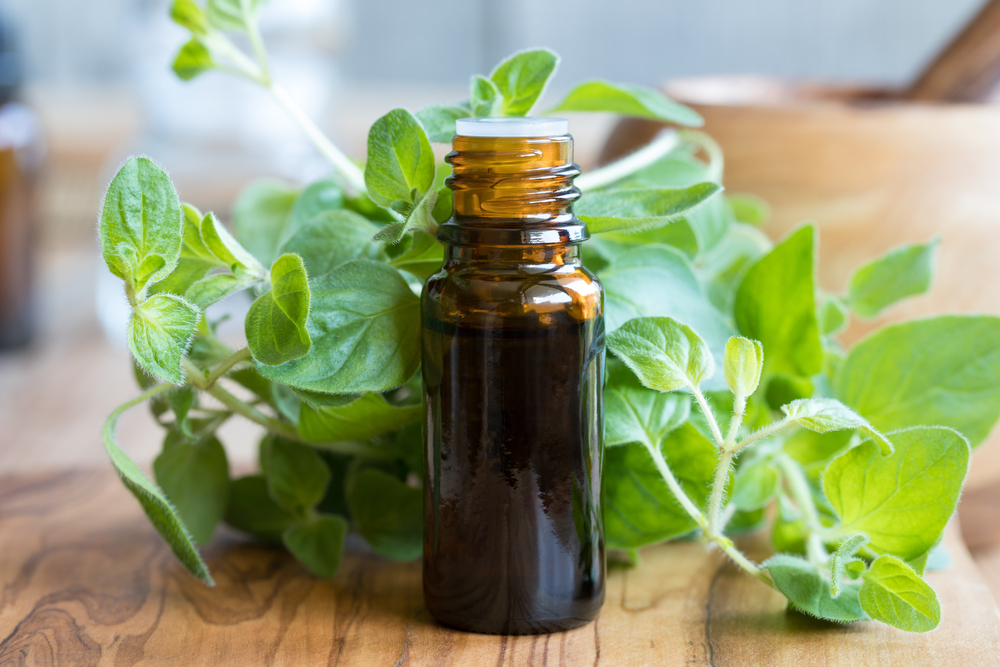
Oregano oil, also known as oil of oregano, is an essential oil that is extracted from the flowering tops and the leaves of the oregano plant, Origanum vulgare. It is believed to contain many active compounds that may contribute to medicinal properties.
It is extracted through steam distillation or solvent extraction methods. Two main types exist. Oregano oil extract is a diluted form that can be used orally in humans, and oregano essential oil is a concentrated form for aromatherapy or external use.
More research is needed on the subject, but it is believed that oregano oil may be used for pain relief, to fight infections, manage tricky skin conditions, and aid in the maintenance of a healthy digestive system. It is also used as a flavoring in cooking and can be included in home-cooked recipes.

Potential Uses
Properties and potential uses of oregano oil for dogs include:
Oregano oil must be stored correctly to maintain its potency and prevent it from going bad. It is advised to store it at room temperature. It must be kept in a dark glass bottle, away from direct sunlight. Glass is preferable over plastic as plastics can leak chemicals into the oils. An airtight lid should always be used. A bottle with a screw cap and a dropper is ideal as this prevents leakage and minimizes air exposure. It must be kept in a cool, dark place away from heat sources such as radiators. Do not store in humid rooms such as the bathroom.
It is possible to refrigerate oregano oil. This is thought to extend its shelf life; however, it will need to be taken from the fridge and allowed to return to room temperature before use. This is to allow it to heat up, so it is the right consistency to dispense. Always keep all essential oils well away from children and animals.

How Is Oregano Oil Given?
Oregano oil comes as an essential oil extract. It can be sold in a concentrated form. The concentration varies massively between products. It can be bought as liquid drops; these are often mixed with carrier oils such as coconut oil or olive oil. Some companies make it into tablets or capsules.
In humans, oregano oil can be mixed with a carrier oil and applied topically. It can be given orally in a highly diluted form, and it can be diffused. Before considering any of the above methods, you must discuss safe and effective therapies with a vet.
Even if the essential oil has been diluted, it is still vital that only veterinary-recommended doses are used, based on your dog's general health condition and weight.
Potential Side Effects of Oregano Oil
As with all essential oils, there are potential side effects owners need to be aware of.
Even if the oil has been correctly diluted and the dose prescribed by a vet, some dogs can still experience adverse effects.
These can include:
If you see any of the clinical signs mentioned or have any other concerns that your dog may be having a reaction, consult a vet immediately. Stop the use of the oil while you wait to hear from a vet.
There is a risk that oregano oil may interact with specific medications; this is why it is so important to discuss usage with a vet before starting it. If your dog has pre-existing health conditions, this may also mean the use of oregano oil is contraindicated.
Undiluted oregano oil can be toxic for dogs. It can cause skin irritation, gastrointestinal upset, central nervous system depression, and potential internal organ damage. It must never be used in an undiluted form.
Frequently Asked Questions
Which dogs should avoid oregano oil?
Dogs that have pre-existing health conditions, are already on medication, have a history of seizures, or are very young puppies or elderly dogs should not use oregano oil. It should be avoided in pregnant and nursing dogs as well.

Should I buy pure or diluted oregano oil?
Oregano oil in its pure form is very concentrated and has strong flavors. It is usually sold mixed with a carrier oil such as olive oil or coconut oil. Undiluted oregano essential oil should never be used directly on or given to dogs, as concentrated essential oils can be toxic or irritating.
Is oregano oil organic?
Oregano oil can be sold in organic and non-organic forms. Some good quality brands use organic oil. This will be obvious on the packaging, but if you are unsure, you can ask the manufacturer.
Conclusion
Oregano oil has potentially promising health benefits for humans. However, there is limited research on the effectiveness and safety of oregano oil for dogs. It currently has no proven benefits, meaning there is no scientific evidence supporting its safety or effectiveness for treating any canine health issues.
Use must be with extreme caution and only ever under the instruction of a vet. Responsible use with proper guidance is important to avoid potentially catastrophic adverse effects.
Sources
Featured Image Credit: Madeleine Steinbach, Shutterstock
Expert dog care, straight to your inbox
Vet-reviewed advice, training tips, and the best of Dogster. Free, and you can unsubscribe anytime.
By signing up, you agree to our Terms & Conditions and Privacy & Cookies Policy.
Dr. Emma Chandley BVM MRCVS (Veterinarian)
Dr. Emma is a experienced vet who is happy to share her knowledge and expertise about dogs with readers. With a focus on surgery, she is eager to engage in discussions on all topics related to animal care. Dr. Chandley graduated from The Royal Vet College and since graduation has worked in general practice in Great Britain. Her credentials include a postgraduate certificate in Small Animal Surgery and recognition as an Advanced Practitioner. She is also passionate about expanding her knowledge in clinical pathology, animal behavior, nutrition, and clinical pathology.
Join the conversation
Ask a question, share your story, or send private feedback.