What to Put on a Dog Tag: 6 Pieces of Important Information



In this article
A missing pet is terrifying for any owner, especially if they don’t prepare for it. Lost dogs are significantly more likely to return home when they have a microchip and an ID tag. With items like your name, address, and phone number displayed on your dog’s collar, a person who encounters your dog can quickly find you. By some estimates, up to one in three pets go missing at some point, many of which don’t make it home. As your chances for a successful reunion depend on the information you include on the collar, we’ll walk you through what you should and shouldn’t put on your dog’s tag.

Important Information to Put on a Dog Tag
Microchipping and ID tags vastly improve the likelihood of finding your dog. Microchips are a failsafe for an untagged dog that any shelter or vet can reference to find a dog’s owner, but an updated ID tag allows anyone to locate you so they can promptly reunite you and your pet.

Dog ID Meaning
A dog ID is a tiny tag that attaches to your dog’s collar. You can order and personalize your tags. Tags come in various materials ranging from durable metals to lightweight, noise-free plastics to suit your needs. Dog ID tags typically allow four to five lines of customizable text. Depending on the amount of information you want to add, you may need multiple tags. The following are essential items to improve your chances of finding your dog.
The 6 Pieces of Important Information to Put on a Dog Tag
1. Your Name and Phone Number
Adding your name and phone number to your dog’s tag is a no-brainer. Many IDs allow you to personalize lines with enough characters to fit a 10-digit number and a short name. To save space, try to add your name (or a nickname if you have a long name) and phone number to one line.

2. Emergency Contact
Add a backup name, like a friend or family member, and their number if you aren’t available. Ensure your emergency contact lives close by, gets along with your dog, and, most importantly, agrees to be your support system if your dog gets lost.
3. Email and Social Media Contact Info
Cell phone numbers, email addresses, and social media handles are excellent items to add to a dog ID tag. Unlike physical addresses, Instagram handles and other social media accounts don't change often, and the person who finds your dog has more avenues to contact you.

4. Address
If you lost your dog near your home, someone will likely find them in your neighborhood. Most missing dogs turn up within a mile of their home. In many instances, the person finding your dog may be able to return them, even if they have to walk them to your house. Put your current address prominently on your dog’s ID tag. If your dog rarely goes anywhere outside your town, you can save space on the tag by putting only your street address. Alongside your contact information, this should be enough for anyone finding your dog to locate you.
5. Important Personality Traits
A quick blurb about your dog’s personality quirks, medical needs, or behavioral issues can be instrumental in keeping your dog comfortable when someone finds them. Maybe your pup isn’t good with other dogs or has particular ways of being handled they don’t like. Adding a note like “Friendly to all,” “Likes tummy scratches,” “Not good with children”, or “Diabetic” will ensure your dog receives the proper care and is not offered a treat that might get them ill when someone sees them or until you can retrieve them.

6. Rabies Vaccination and Licensing Tags
Many states and municipalities require dogs to have tags with their license information and vaccination status. This not only helps you avoid fines and other penalties, but it also gives others peace of mind that your dog is safe to be around. Your vet who administers the shot is your best resource for keeping these tags updated.
Should I Include My Dog’s Name on Their ID Tag?
There are several arguments for adding and omitting your dog’s name. Depending on your dog’s habits, they may respond to anyone calling their name. Some say this could be problematic if someone steals your dog, the argument being that the other person can use it to form a bond. While that may be true to some extent, a missing name on a dog tag is unlikely to deter a determined criminal from stealing your dog. Your dog’s name isn’t generally necessary and takes up an extra line you could use for more meaningful information, but there’s also nothing wrong with putting it on the tag if it’s important to you.

Tag Information to Deter Theft
Pets get lost for numerous reasons, and as much as we want to trust in our fellow man, one of the most common reasons is theft. Whether to sell, use for breeding, or fight in illegal dogfighting rings, unscrupulous criminals often nab family pets in the hopes of making money. If your dog is a highly popular or expensive breed, such as a French Bulldog or Yorkshire Terrier, you may need to take extra precautions to keep them safe and ensure their return if they get lost. While dog tags are never a foolproof preventative tactic, some information may help deter thieves. The following are a few items you could consider adding to make your dog seem less appealing:
- “Needs meds”: A dog that could be sick or require lots of care may take more effort than a potential dog thief would want to put in
- “Spayed/neutered”: Sterilized dogs aren’t valuable to thieves who plan to breed your dog or sell them to a puppy mill
- “Microchipped”: Dog thieves may be less likely to take a pet if they know there’s a way to trace them to the correct owner
Though these can be helpful to some extent, no warning on a dog ID tag can deter every thief. The best thing you can do is apply safer practices to keep your dog from becoming vulnerable to criminals in the first place.
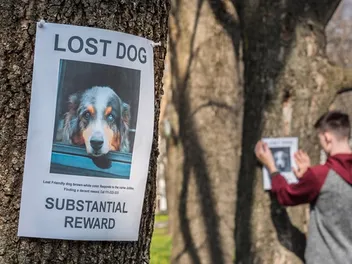
Another piece of advice. Avoid adding “Reward if found.” You might think this is an eye-catching incentive for anyone with your pup, and that a reward can increase the likelihood of a fast return. Sadly this might also make your pup a trigger for opportunistic criminals.
Microchip Your Dog
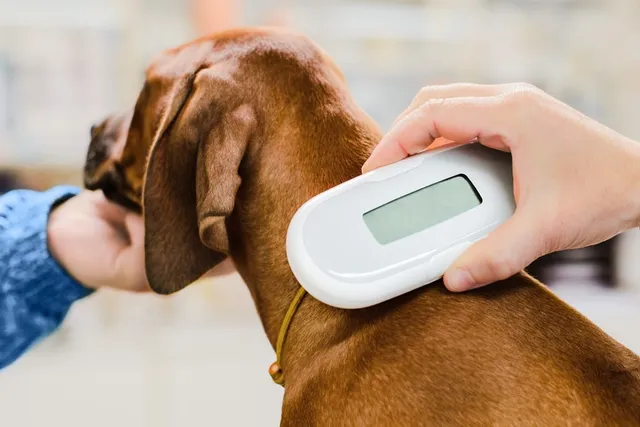
Alongside a dog ID tag, microchipping your dog and maintaining updated information in the relevant database is the best way to keep them safe should they ever become lost. Microchips can’t fall off and aren’t easily removable, making them easily traceable to an owner once found. According to many estimates, lost pets with microchips are up to three times more likely to reunite with their owners.

Technology Updates
Some ID tags allow you to include an Air Tag on them which will send the information of your dog’s location directly to your phone. These additions are a great way to quickly locate those dogs who won’t hesitate to take off on solo adventures at any chance they have.
The limitation of this kind of technology is that it relies on other phone’s Bluetooth so they might not be useful if your dog gets lost in the wilderness but in the main areas, this inclusion on your tags allows you to locate your dog even if nobody takes the initiative to call you.
Tips to Prevent Losing Your Dog
Of course, we give our dogs tags and microchips in the hope that we never have to use them. Protecting them from going missing is simpler than looking for them and saves us from the anguish, frustration, and terror of losing them. Keep your dog safe by following these tips to keep them from becoming lost:
- Secure outdoor gates and doors with alarms and high-quality locks
- Inspect your yard for gaps in fences and other exit points
- Be careful about the information you offer to people online and face-to-face when discussing your dog’s breed or cost, your home address, or outdoor habits (e.g. dog parks you frequent)
- Do not leave your dog unattended in a car or tied up outside of stores
- Thoroughly vet potential dog walkers or dog sitters
- Consider a GPS tracker
Training, Socialization, and Building a Bond
More important than anything, training and socialization will prevent your dog from getting lost and make it easier for them to find their way home if they are separated. Obedience training (particularly recall) and desensitization to various stimuli will keep your dog from running out the door, escaping the backyard, or taking off during a walk. Meanwhile, comfort with people and pets will make them approachable and easier to manage when someone finds them. Engaging your dog with positive training, play, and socialization also fosters a stronger bond and attachment, reducing the likelihood of your dog wandering and getting lost.
Final Thoughts
Despite our best efforts, keeping a pet from getting lost is, unfortunately, never a guarantee. Even the most well-trained dogs and indoor-only pets can go missing after a simple distraction, an emergency like a natural disaster, or a burglary. Alongside the preventative measures you take to keep your dog from going missing, an up-to-date dog tag with these critical pieces of information can keep them safe and secure even if the unthinkable should happen.
Sources
Featured Image Credit: Subhash Panikar, Shutterstock
Expert dog care, straight to your inbox
News, insights, expert advice, and everything dog.

No spam — unsubscribe anytime.
By signing up, you agree to our Terms & Conditions and Privacy & Cookies Policy.
How useful was this post?
Click a star to rate. You can leave written feedback afterwards. (We read all feedback.)
Nicole has loved animals of all sizes her whole life so it's no wonder she has dedicated her career to helping them through what she loves best: learning, writing, and sharing knowledge with others. She’s the proud mom of two dogs, a cat, and a human. With a degree in Education and 15+ years of writing experience, Nicole wants to help pet parents and pets around the planet to live happy, safe, and healthy lives.