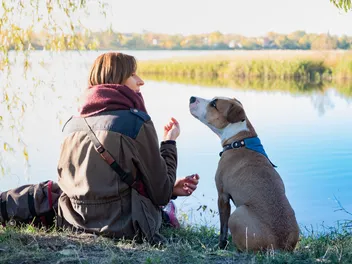
Do Dogs Know Their Name? Explained By Science


In this article
There are days when you’re quite sure your dog knows their name. But then there are days when you’re sure they don’t. So, which one is it? Dogs know their name—as long as they’ve had the time to learn it.
In this article, we take an in-depth look at how dogs recognize their names and how you can ensure that your dog learns theirs effectively.

Do Dogs Understand Words?
With training, dogs can definitively learn words by association. How many words they can learn largely depends on the breed of dog and even each dog. Psychologist and canine researcher Stanley Coren states that the average dog has the intelligence of a 2 to 2 ½-year-old human child1.
Most dogs can understand at least 150 words, and Coren has stated that the Border Collie is the smartest breed and can learn up to 250 words. This study found that a Border Collie named Chaser knew the names of 1,022 objects2!
If a dog can learn all those words, it’s clear that it won’t be difficult for a dog to learn their name. In fact, it can take about a week to teach your dog their name, along with other words.
A 2022 study did brain scans on dogs and found that they could distinguish between random sounds and human language. They could also tell the difference between different languages3.

How Long Can It Take for a Dog to Learn Their Name?
Puppies and newly adopted dogs can actually start learning their name within minutes. But on average, they will learn their name within the first 3 or 4 days after being introduced to their new home.
However, this is only possible if you use the name consistently, so you’ll need to say their name every time you interact with your dog. How long it takes for your puppy or dog to learn their name depends on the dog and how often you spend time teaching them their name.
How Do Dogs Learn Their Names and Other Words?
Dogs learn their names and other words by what we say and how we say it. In fact, how we say something can be more important than the word itself.
Dogs will notice things like our posture, gestures, facial expressions, and the tone of our voice while we are saying something to them. They combine all the physical and verbal cues to figure out the meaning.
For example, when you say “walk” with a smile and enthusiasm, your dog might grab their leash or wait for you at the door. It’s likely that if you said “walk” in a grumpy voice, it would confuse them.
Most words are learned through association, plenty of repetition, the tone of your voice, and your actions.

What Are the Signs That Your Dog Knows Their Name?
There are a few ways that you can tell that your dog knows their name and isn’t just responding to the tone of your voice.
For example, when you say it, they run to you, even when far away. Or when you say their name when you’re in the same room with your dog, they look at you expectantly. They might also wag their tail and perk up their ears or bark in response.
These are all indications that your dog knows that you’re speaking to them and using their name.

How to Teach Your Dog Their Name
Teaching your dog their name should be kept separate from any obedience and basic training. If they are still learning their name, avoid using it while training your dog. They might become confused. Also, ensure that you have tasty treats for your puppy or adult dog, something that they love and will respond to.
When you start using your dog's name, aim to use an upbeat and happy tone. Try saying your dog’s name with this happy tone when they aren’t looking at you. Once they do look in your direction, say a positive word like, “Yes!” and give them a treat.
Just be sure to give them their treat the moment that they respond to their name. If too much time passes between the response and the treat, your dog will not associate the treat with the name.

Be Consistent
From this point, say their name using the same positive voice. In the early days, the training should only occur inside. Maintain the voice whenever you say your dog’s name, and continue offering them treats and/or praise.
If you’re talking about your dog when they are within hearing range, try not to use their name, or this can also add to their confusion. They might expect a treat, but when nothing happens, this will just confuse them.
Don’t use your dog’s name when you’re unhappy or angry with them. During this learning phase, it is especially important that their name is only associated with positive things.
You also don’t want to use their name when they are distracted, such as when they’re fixated on a squirrel. They won’t be as likely to respond to their name at these times, and they’ll learn that they have the option to ignore it.
Look for the Response You Wish to Have
A very helpful tip is to think very carefully about the response you wish to have. Ideally, your dog will come to you or give you attention when you call their name once. The last thing you want is for your dog to think that their name is “Fido, Fido, Fidooooooo!” instead of just “Fido.”
If your dog does not respond the first time you say their name, do not insist. There will be other times and opportunities to reinforce it, but having a clear idea of what we are looking for and being very careful about what we are expressing and reinforcing is extremely important for the best results.
Change Things Up
Once they seem to have learned their name, try it outside and in different environments. This will allow your dog to associate the word with themselves.
But keep them on the leash at all times for safety reasons. You’ll want to start using their name when they are distracted by something minor, such as when they are walking past you. Then, gradually use their name with bigger distractions, such as around other dogs or strangers.
Once they know and respond to their name, this solidifies an essential part of dog ownership, which is keeping them safe.


What Are the Best Names for Dogs?
There are a few considerations that you should make before settling on a name. It’s recommended to come up with a name that only consists of one or two syllables. If you’re set on a longer name, be prepared to use a shorter nickname.
It’s also recommended that you shy away from any names that sound too similar to training commands. For example, don’t use Mike, for a sled or mushing dog since it will sound too much like “hike.” And if your dog’s name is Spark, you will have to use a different cue for “bark.”
There are many lists out there that you can use for inspiration. If you love Star Wars, Marvel, or even Halloween, there are many names to choose from!

Summary
Dogs definitely know their names. When you consider that the world’s smartest dog, Chaser, knows over 1,000 words, it is practically a guarantee that even dogs with average intelligence should recognize their names!
Remember to keep things super positive when teaching your new dog or puppy their name. While you’re teaching them, you should be careful about never using your dog’s name when they are distracted, when you are speaking about them, or when you’re upset with them.
Always use clear and consistent positive reinforcement—your dog will recognize their name before you know it!
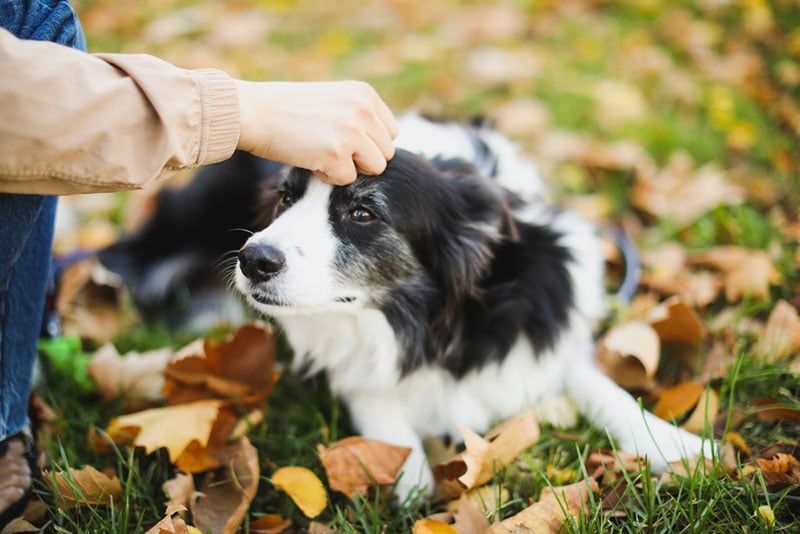
Featured Image Credit By: Your Hand Please, Shutterstock
Expert dog care, straight to your inbox
News, insights, expert advice, and everything dog.

No spam — unsubscribe anytime.
By signing up, you agree to our Terms & Conditions and Privacy & Cookies Policy.
How useful was this post?
Click a star to rate. You can leave written feedback afterwards. (We read all feedback.)
Nicole has loved animals of all sizes her whole life so it's no wonder she has dedicated her career to helping them through what she loves best: learning, writing, and sharing knowledge with others. She’s the proud mom of two dogs, a cat, and a human. With a degree in Education and 15+ years of writing experience, Nicole wants to help pet parents and pets around the planet to live happy, safe, and healthy lives.