What to Do if Your Dog Gets Off-Leash: 12 Vet-Approved Tips


In this article
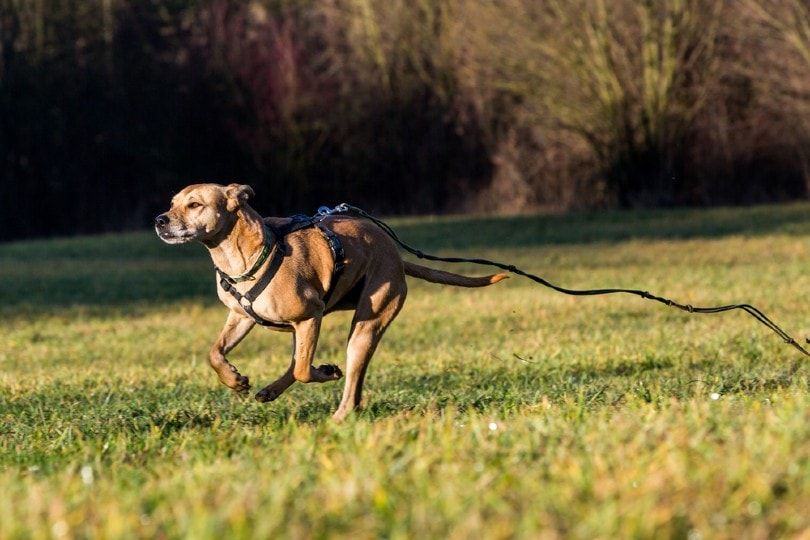
It’s every owner’s worst nightmare! Your dog slips under the back fence and takes off, or they lock onto a squirrel at the off-leash park, and you can’t call them back. Despite your best efforts, accidents do happen. Hopefully, you never need the tips in this article, but just in case, it’s a good idea to know what to do if your dog gets away from you off-leash.
Take these tips into account if your dog is in sight or if your dog is not in sight at the moment he gets off-leash.

Effective Methods of Retrieving an Off-Leash Dog
If Your Dog Is in Sight
1. Use a Lure
An effective way to get your dog back is to get them to focus on you instead of whatever they are chasing. Use a favorite toy, ball, or treat to entice your dog back to you, using a calm voice to distract them.

2. Play a Reverse Chasing Game
Chasing your dog won’t work, but getting your dog to chase you might. If you can get your dog excited about running after you, they may forget that they were trying to run away in the first place.
3. Use a Cheerful, Calm Voice
Your tone of voice is critical when recalling your dog. Using a cheerful, calm voice will tell your dog that they’re not in trouble. Harsh tones may suggest to your dog that they should be fearful, which can cause them to distance themselves more.

4. Walk Backward
While facing your dog, walk backward. It encourages the dog to follow you. You can combine this exercise with holding a toy or treats to make it more likely that your dog will come to you.
5. Whistle
Some dogs respond better to a whistle than a voice command. The high-pitched noise piques their curiosity, so they move toward it.

If Your Dog Is Not in Sight
6. Don’t Panic
If you have no idea where your dog is, it’s time to get organized. As terrifying as the situation can be, it’s best approached logically. Start close to home. Notify your neighbors so they can continue to spread the word. Try to keep track of whom you have notified and any sightings of your dog so you can narrow down your search.
7. Make Use of Technology
Social media is a great way to spread news quickly. Use an updated picture of your dog and post it on as many platforms as possible. Make your posts shareable so others can pass on the alert. This is the best way to get as many eyes looking for your dog as you can. The more people who are looking, the more likely your dog will be spotted. Post in local groups, too, as this will help spread the word to people beyond those who live in your local area.
You may also want to make use of other online resources, like “Lost My Doggie” or “Pawboost.” These sites have free options to increase awareness of lost pets in your community. Many animal rescues and veterinarians’ offices also have methods of posting lost pets.

8. Update Your Dog’s Microchip Information
If you haven’t already done so, make sure the address and phone number registered with your dog’s microchip are updated in their database. Most people who find a lost dog will take them to a shelter or a vet. The staff will scan for a chip upon receiving your dog, so be sure they can contact you.
It’s also a good idea to contact your microchip database and let them know that you are looking for your dog in case someone tries to change your dog’s chip details. Make sure you inform them once you reunite with your dog.
9. Create a Scent Station
Dogs that are truly lost will go into tracking mode. This means they start to operate by relying more on smell than on sight or hearing. Using familiar scents offers a chance to lure your dog home. A “scent station” is a collection of items with strong and familiar smells that will attract your dog.
Here is what to include:
Place these things in your yard, and replenish this scent station frequently to keep it smelly.

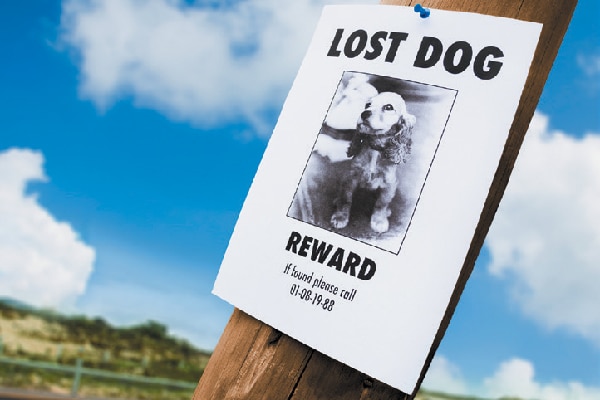
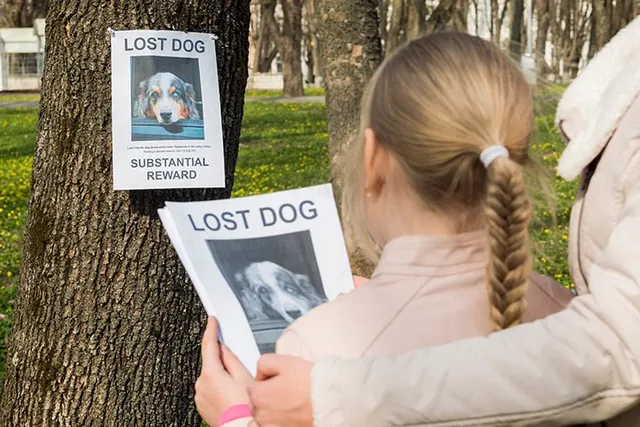
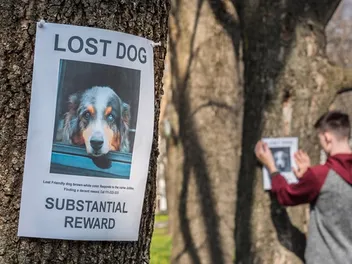
10. Make Flyers
Use a picture, a phone number, and brief details like, “Please call but don’t approach,” or, “His name is Buddy, and he’s very friendly.”
Here is where to post your flyers:
11. Create Search Parties
Gathering friends and family to look for your pet can be quite helpful. However, there are a few dos and don’ts for organizing a search party.
12. Alert Animal Rescues
Most people will help any lost animal that they encounter by trying to find the owner. The first place that your dog will be taken is a local animal rescue or vet’s office, as these locations have better resources to track down owners and scan microchips. Your dog will also be warm, fed, and watered while they are there.
If your dog is lost, be proactive about letting local vets and animal shelters know. Give them your contact number and a description of your dog so they can call you if and when your dog shows up.

What Not to Do if Your Dog Gets Off-Leash
When a dog takes off, many people panic. Unfortunately, our best intentions often lead us to behaviors that have the opposite effect of what we want. Here are the least effective methods of retrieving your dog:
1. Shouting
When a dog takes off, we often react by trying to call their name louder. The farther the dog goes, the louder we shout, but it only makes the problem worse.
Here is why shouting is ineffective at calling your dog back:
2. Chasing
Dogs love to chase things, and it’s often the reason that they take off in the first place. Also, it’s not just fun to chase things; it’s also really fun to get chased by something else. When you chase after your dog, you turn it into a game. Your dog doesn’t know that you’re trying to catch them, so they keep running. The issue is that most dogs can run far longer and farther than you can.
3. Repeating Commands
While it’s tempting to keep repeating, “Fido, come,” over and over again in an attempt to get your dog to listen, it won’t work. Not only does it set you up for bad habits in the future, but it also confuses your dog.
Your dog may understand the “come” command, but you most likely taught them to obey it the first time that you say it. If you’ve now said it five times, your dog doesn’t know whether they should obey the first time, the third, or the fifth. The more you say it, the more likely you are to be ignored.
If your dog isn’t fully trained in recall, don’t use the command without the ability to force obedience. This means plenty of practice on a long leash before using the “come” command in an off-leash situation.

4. Threatening
When your dog runs away, it’s frustrating and scary. This often leads to threats, like, “You won’t get your treat when you get home,” or, “We’re never walking off-leash again.” These statements are a waste of energy. They make sense to you but not to your dog, and they’ll have no idea why they didn’t get their treat.
5. Going Home
If you don’t know where your dog went, it can be tempting to return home and hope for the best. After all, doesn’t your dog know how to get there? By all means, tell a neighbor to keep an eye out in case this happens, but your dog is most likely going to look for you wherever they left you.

What to Do When You Find Your Dog
Finding your dog is a reason for celebration, but there are a few other things to do once they come home:
- Book a vet visit to make sure your dog is illness free and uninjured.
- Collect any scent items and flyers that you distributed, and delete social media posts.
- Contact organizations that you previously alerted, and let them know that you have found your dog.
Prevent Your Dog From Getting Off-Leash
According to a 2012 study, 14% of dogs might go missing at least once during a 5-year time period. Having a solid prevention plan in place will help you bring your dog home safely.
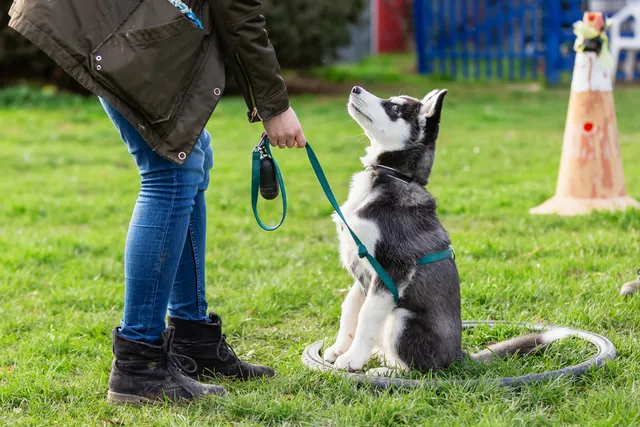
- Work on recall — If your dog is prone to getting off-leash, training a reliable recall is key. It will prevent your dog from running off. Practice often, and make sure to regularly reward your dog for coming when called.
- Keep your dog leashed — The easiest way to prevent your dog from being able to escape is to keep them on a leash when they’re not secured in a fenced area.
- Train your dog not to run out open doors — If your dog likes to run outside, give them an alternative activity, and reward them for staying in.
Conclusion
Hopefully, you now have a good idea of what to do if your dog gets off-leash. These are the best and worst ways of getting your dog back, so you can avoid common mistakes and bring your pet home as soon as possible. Avoid letting your dog off-leash if they don’t have a reliable recall, and, of course, make sure your dog has a microchip and an ID tag. The training takes time, but it’s worthwhile and allows you to spend one-on-one bonding time with your dog!
Featured Image Credit: Oscity, Shutterstock
Expert dog care, straight to your inbox
News, insights, expert advice, and everything dog.

No spam — unsubscribe anytime.
By signing up, you agree to our Terms & Conditions and Privacy & Cookies Policy.
How useful was this post?
Click a star to rate. You can leave written feedback afterwards. (We read all feedback.)
Chelsie is a freelance writer who is passionate about helping owners and pets live their best lives. She resides in rural Alberta, Canada with her husband and two sons, and is currently a pet parent to four horses, four cats, and a Border Collie .