Dogster is reader-supported. When you buy via links on our site, we may earn a commission at no cost to you. Learn more.

Dog Health & Care

Why Is My Dog’s Fur Changing Color? 11 Vet-Verified Possible Reasons

Ed Malaker
By Ed Malaker · Reviewed & fact-checked by Dr. Lauren DemosVet Approved
Dr. Lauren Demos
Reviewed & Fact-Checked byDr. Lauren DemosDVM (Veterinarian)
As a veterinarian, Lauren is happy to share her rich experience in emergency medicine and cats, with our readers. She enjoys sharing helpful, real life tips for having pets as part of your life, and what to do in critical situations.View authorThe information is current and up-to-date in accordance with the latest veterinarian research. Learn more
Updated on June 17, 2026
Share
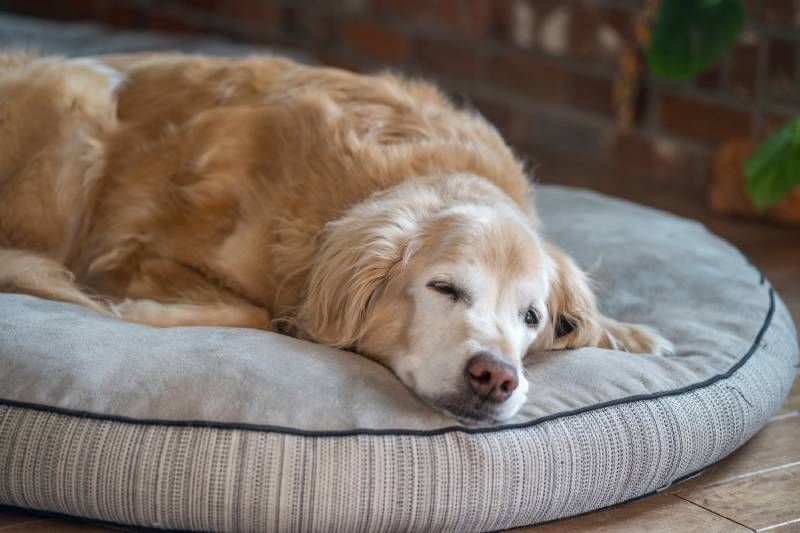
senior golden retriever dog sleeping

As dog owners, we can see our pets go through several physical changes throughout their lifetimes. However, one that can be a source of wonder and stress is when their coat starts to change color. If this is happening to your pet and you want to know why, keep reading as we list several possible reasons, so you can see if one matches your pet’s situation.

Dogster divider_v3_NEW_MAY_24_

The 11 Possible Reasons Why Your Dog’s Fur Is Changing Color

1. Aging

Image Credit: Maximilian100, Shutterstock

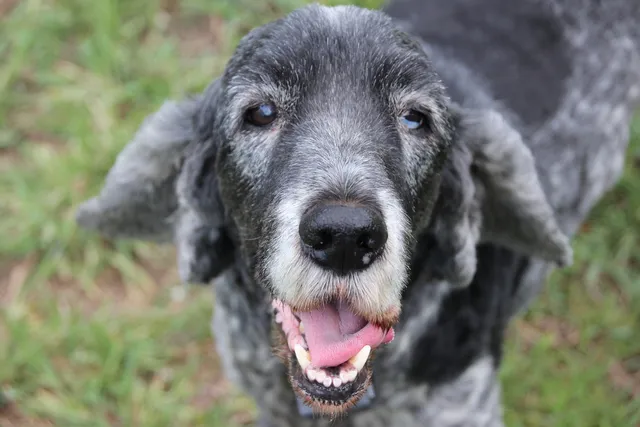
A common reason for a change in the color of your dog’s fur is the natural aging process. As your dog gets older, their coat will likely start to fade and look a bit dull, and the hair on their face may become gray or white. You may also notice gray hairs emerging from other parts of their body.

What Can You Do About It?

Unfortunately, there is not much that you can do to stop time. However, providing your pet with a healthy diet, plenty of exercise, and frequent checkups with the vet can help maximize their lifespan.


2. Saliva Stains

Your dog’s saliva contains porphyrin, which is a natural pigment that can lead to a rust-red color on light-colored fur. You will most frequently see this staining on the paws, but you may notice it elsewhere on the body if your dog often grooms and licks the same areas.

What Can You Do About It?

Excessive licking can be a sign of an underlying health issue, especially when it occurs in areas other than the paws. Scheduling a checkup with the vet can be a good idea to help rule out any problems or to get your pet the help that they need.


3. Tear Stains

Image Credit: Susan Schmitz, Shutterstock

Like your dog’s saliva, their tears also contain the natural pigment porphyrin, which can give the fur a rusty color. Several breeds are prone to tear staining due to their physiology. It’s easier to see on dogs with light-colored fur, but it can happen to any dog, especially if they have blocked tear ducts.

What Can You Do About It?

Anatomy can lead to excess tearing, but tear staining can also be a sign of an underlying health problem, like allergies or an ingrown eyelash. Contact a vet immediately if you suspect that a health issue is causing the tearing. If you think that it’s a natural result of their physiology, you can help keep the staining to a minimum by wiping the eyes down a few times each day with a damp cloth and making frequent trips to the groomer.


4. Nutritional Deficiency

A nutritional deficiency can cause your dog’s coat to lose its shine, and the color can fade, changing the appearance of your pet.

What Can You Do About It?

Ensure that your pet eats high-quality dog food with real meat listed as the first ingredient. It should state on the package that it provides a complete and balanced meal, and a brand that has plenty of B vitamins, omega fats, and zinc will promote a healthy and shiny coat. If you are not sure what food is best, talk it over with a vet for advice specific to your dog’s needs.


5. Hypothyroidism

Hypothyroidism is a condition that affects the thyroid gland, which regulates your pet’s metabolism. Dogs with this disease can suffer from dry hair that has a dull color and sheds excessively, which can change their overall appearance.

What Can You Do About It?

Unfortunately, there is no cure for hypothyroidism, but many dogs live long and happy lives with hormone-replacement medications that help keep them healthy.


6. Parasites

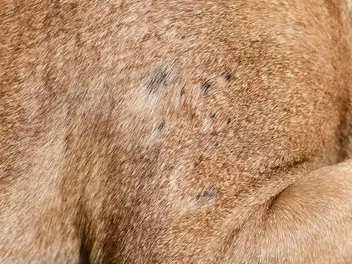
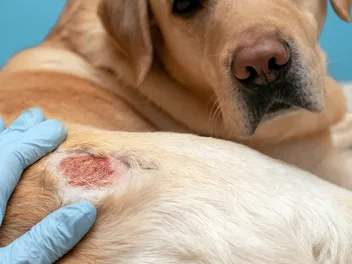
Certain parasites, especially the tiny mites responsible for demodectic mange, can dramatically change the appearance of your pet’s coat. These mites live in the hair follicles and can contribute to rapid hair loss.

What Can You Do About It?

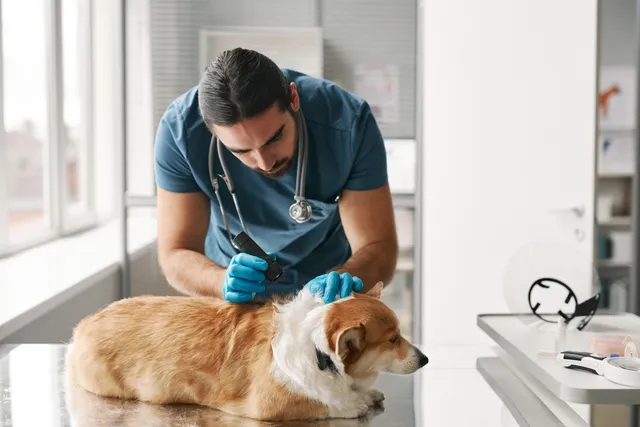
If you suspect that your pet has a parasite problem, you will need to schedule an appointment with a vet to get them the proper treatment. Demodectic mange is treatable with medication but can be a sign of an underlying health problem.


7. Vitiligo

Image Credit: De Jongh Photography, Shutterstock

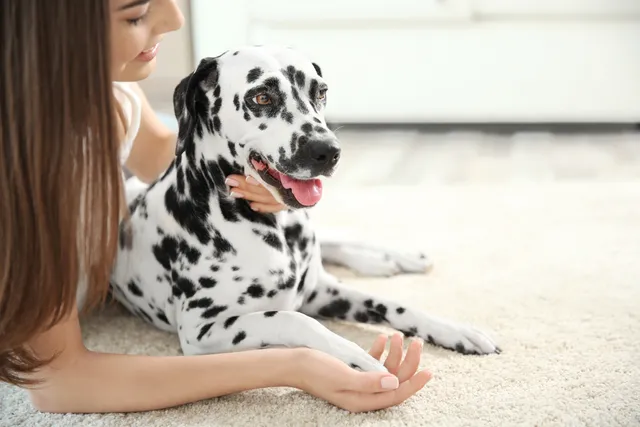
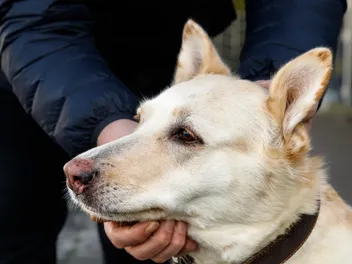
Vitiligo is a rare disorder that can cause your pet’s fur to lose its natural pigment, resulting in white patches. It usually starts with the face before affecting other parts of the body.

What Can You Do About It?

Unfortunately, there is nothing that you can do to prevent your dog from getting vitiligo, as it is a rare genetic condition. There is also no treatment for it. However, it is not painful in any way. The color change is the only effect of the condition, and dogs can live full and happy lives.


8. Sunlight

If your dog spends most of their time out in the sun during the summer, the strong ultraviolet rays that cause sunburns in humans can lighten or bleach your dog’s fur, resulting in a lighter overall color that can last for several months.

What Can You Do About It?

While your dog might enjoy running and playing outside in the sun, if they’re getting enough UV rays that their fur is getting bleached, they might develop other problems, like a sunburn on the nose and ears and dehydration. Limit your dog’s exposure to harsh sunlight to help maintain their vibrant color and reduce the risk of health problems.


9. Post-Clipping Alopecia

Image Credit: Zanna Pesnina, Shutterstock

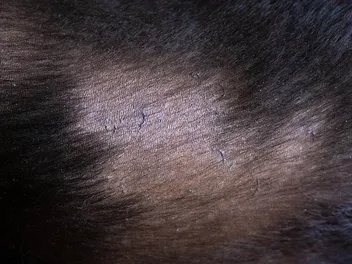
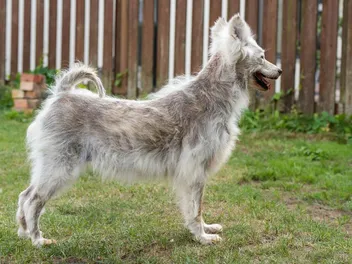
Post-clipping alopecia is a condition that causes the hair to grow back patchy and wispier than it was before, and it may also grow back a different color.

What Can You Do About It?

Post-clipping alopecia is more common in breeds that have a thick double coat, like Pomeranians, Huskies, and German Shepherds. You can avoid it by not shaving down their fur unless it is necessary for surgery or other medical procedures.


10. Post-Surgery or Post-Trauma Healing

Sometimes, temperature or other changes in the skin after clipping, surgery, trauma or various injections can result in a  change in the color of the fur when it grows back. The change may be temporary, or it may last the rest of your pet’s life.

What Can You Do About It?

There is nothing that you can do about it except to stay vigilant about providing your pet with a safe place to play while they recover to reduce the risk of an accidental injury.


11. Cancer

Image Credit: Utku Demirsoy, Shutterstock

Unfortunately, many dogs get cancer in the later stages of their lives, and it can have a dramatic effect on the appearance of their coat, often causing the color to fade and the hair to fall out. It may also become brittle, and you might start to notice excessive dandruff.

What Can You Do About It?

Unfortunately, there is frequently not much that you can do for a dog with cancer except follow a vet’s treatment plan and try to make them as comfortable as possible.

Dogster divider_v3_NEW_MAY_24_

Frequently Asked Questions

Should I Be Concerned If My Dog’s Fur Changes Color?

A gradual or seasonal change in color is likely nothing to worry about, especially if your dog spends a great deal of time outside in the sun. However, sudden or patchy color changes can sometimes signal health problems. If you are not sure, it’s best to schedule an appointment with a vet to have your pet looked over.

Do Certain Dog Breeds Experience More Noticeable Fur Color Changes Than Others?

Yes, some breeds are more prone to noticeable fur color changes due to their genetics. Dogs with light-colored fur may also seem to change more because small alterations will be more evident.

Image Credit: patrice-schoefolt, Pexels

Can Medications Affect My Dog’s Fur Color?

Certain medications can have side effects that include changes in fur color. If you notice differences after starting a new medication, discuss it with your veterinarian to ensure that no further problems are developing.

dogster paw divider

Summary

If your dog’s fur is getting lighter and darker with the seasons, it likely has to do with how much time they are spending in the sun. It’s also natural for a dog’s fur to become duller and start to gray with age. Fur growing back a slightly different color around an injury is also common, as is the staining of the fur from grooming or tearing, though frequent grooming can be a sign of an underlying health problem. Other signs of a health issue include a suddenly dull coat and excessive shedding, as these might indicate a parasitic infection or even cancer. In most cases, it’s best to discuss any changes in the color or quality of your dog’s fur with a vet, as they can provide advice specific to your pet.

Sources

See also:


Featured Image Credit: Yobab, Shutterstock

The Dogster Newsletter

Expert dog care, straight to your inbox

News, insights, expert advice, and everything dog.

No spam — unsubscribe anytime.

By signing up, you agree to our Terms & Conditions and Privacy & Cookies Policy.

Click a star to rate. You can leave written feedback afterwards. (We read all feedback.)

Ed Malaker
Authored by

Ed Malaker

Leave a Reply

You're very welcome to leave a comment or question. Please know that all comments must meet our community guidelines, and your email address will NOT be published. Let's have a positive and constructive conversation.

Dog Skin Discoloration: Vet-Reviewed Causes & Treatment

Dog Skin Discoloration: Vet-Reviewed Causes & Treatment

Many of us don’t regularly see the majority of our dog’s skin because of their fur coat. You may get a glimpse at your dog’s skin on their face, ears, and bell…

Brooke Billingsley
By Brooke Billingsley · 1 month ago
When Do Dogs Go Gray? Vet-Verified Signs of Aging in Canines

When Do Dogs Go Gray? Vet-Verified Signs of Aging in Canines

Aging is a natural process that everyone should accept and embrace with love. Just like humans, dogs and other animals experience aging and even exhibit some o…

Jana Blagojevic
By Jana Blagojevic · 1 month ago
8 Dog Breeds That Change Color: Info, Pictures & History

8 Dog Breeds That Change Color: Info, Pictures & History

When you look at a fresh litter of little puppies, you can see some pretty unique, extraordinary colors. But what’s the deal with how drastically some dogs’ co…

Ashley Bates
By Ashley Bates · 1 month ago
What Is Dog Snow Nose? Vet Approved Advice & Care

What Is Dog Snow Nose? Vet Approved Advice & Care

If you’re a dog owner, you know keeping your pet safe and healthy takes more than just providing the necessities. You also need to observe your dog for any unu…

Elizabeth Gray
By Elizabeth Gray · 1 month ago

12 Signs of Aging in Dogs: Vet-Verified Changes to Look For

This article has been reviewed by a qualified veterinarian using information available at the time of review. The knowledge of canine medicine is continually e…

Kit Copson
By Kit Copson · June 17, 2026
12 Signs of Aging in Dogs: Vet-Verified Changes to Look For

Why Do Dogs Noses Turn Pink? Vet-Reviewed Causes & Concerns

Scientists have discovered several genes that affect coat and nose color in canines, although more research is needed. Most dogs have either a brown or black n…

Chris Dinesen Rogers
By Chris Dinesen Rogers · June 17, 2026
Why Do Dogs Noses Turn Pink? Vet-Reviewed Causes & Concerns

Hair Loss & Bald Spots on Dogs: 6 Main Vet-Reviewed Causes

Taking care of your dog’s beautiful coat is just one of many chores you must perform to keep them in excellent health. But what if you notice they are shedding…

Kathryn Copeland
By Kathryn Copeland · June 17, 2026
Hair Loss & Bald Spots on Dogs: 6 Main Vet-Reviewed Causes

Why Does My Dog Have Small Bald Spots? Vet Reviewed Signs & Causes

My seven-month-old black Lab has small bald spots on her face, head and a few on her legs. I was wondering what they are. She...

Annaliese Morgan
By Annaliese Morgan · June 17, 2026
Why Does My Dog Have Small Bald Spots? Vet Reviewed Signs & Causes

Why Is My Dog's Tongue White? 6 Vet-Verified Reasons

You can usually tell when your dog isn’t feeling well; whether they’re lethargic, off food, or just not seeming like themselves. But have you ever checked your…

Misty Layne
By Misty Layne · June 16, 2026
Why Is My Dog's Tongue White? 6 Vet-Verified Reasons

Dog Color Genetics: The Fascinating Science Explained (With Chart)

Have you ever wondered where your dog got their coloring from? As a pet parent, there’s still a lot you don’t know about your dog, especially when it comes to…

Patricia Dickson
By Patricia Dickson · June 17, 2026
Dog Color Genetics: The Fascinating Science Explained (With Chart)

12 Common Skin Issues in Dogs: Vet-Reviewed Facts & Characteristics

Skin issues are relatively common among canines, but some are more common than others. The signs range from mild to severe depending on the cause. It’s always…

Misty Layne
By Misty Layne · June 29, 2026
12 Common Skin Issues in Dogs: Vet-Reviewed Facts & Characteristics

Do Dogs Need Sunlight to Be Healthy? What Science Says

As a vet, am I going to say a little sun is bad for your dog? No, of course not. But is too much sun bad for your dog? Yes, it is! But what is a little bit of…

Dr. Chantal Villeneuve MS
By Dr. Chantal Villeneuve MS · June 16, 2026
Do Dogs Need Sunlight to Be Healthy? What Science Says

Love Dogs? So Do We! Join the Dogster Community

Stay informed with expert pet care insights delivered straight to your inbox! Discover professional guidance on animal behavior, feeding tips, trusted product picks, and much more.

You may opt-out at any time. View our Privacy Policy for more information.

The Dogster app on a phone