Are Dogs the Secret to a Happier, Healthier Childhood?


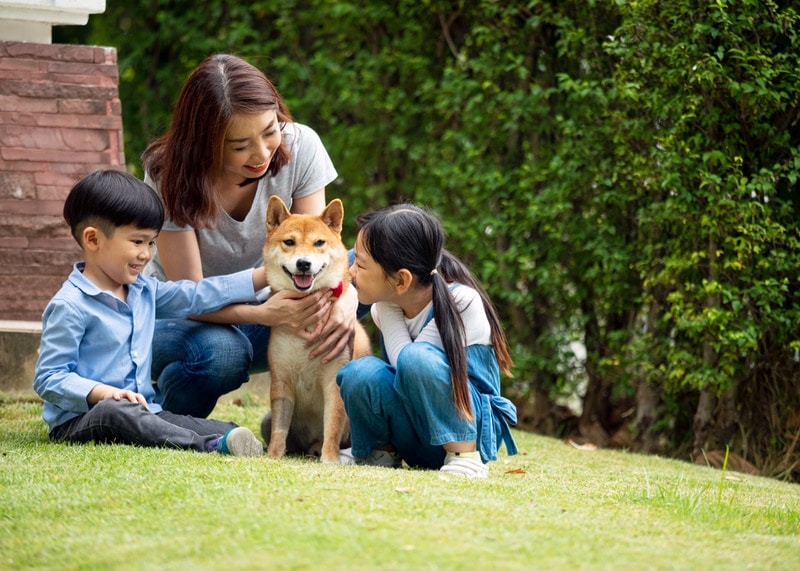
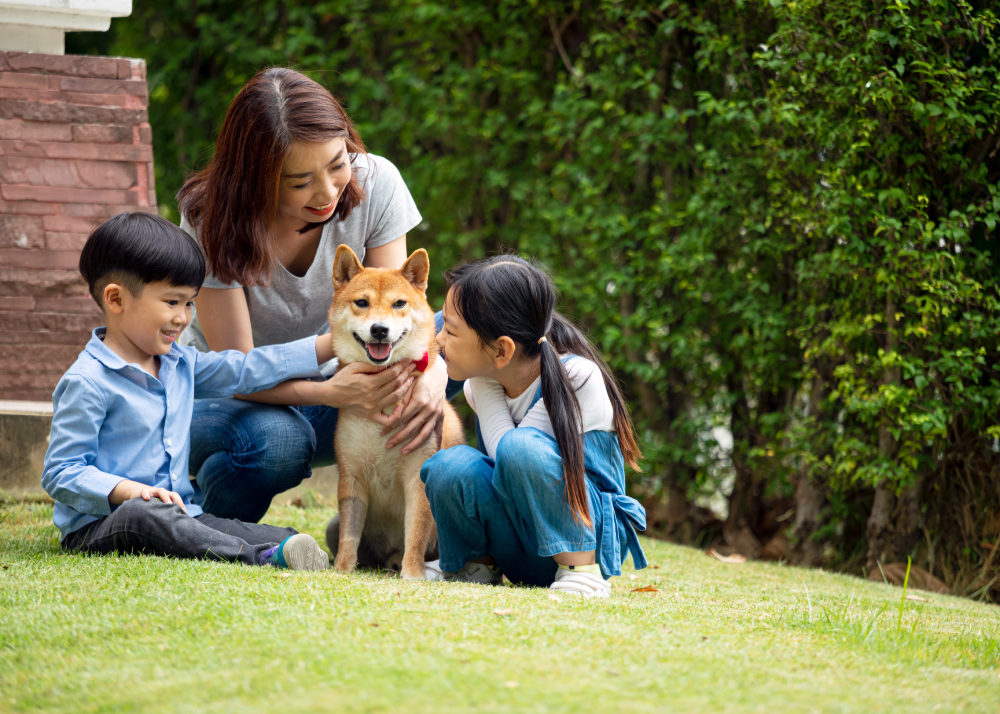
Dogs have been a fixture of family life for thousands of years, and many people who grew up with one say they can’t picture their childhood without them. Beyond the obvious benefits of companionship and fun, growing up with a dog has been shown to have positive effects on physical and emotional well-being; advantages that show up in how children handle friendships, feelings, and everyday challenges.
Of course, this doesn’t mean that having a dog is right for everyone. Bringing a dog into your home is a big decision that affects budgets and daily routines for years to come, and the best outcomes tend to come from families who go in with open eyes.
For anyone considering life with a dog, here are a few ways they can improve a child’s life, and things to consider before adopting one.
A Head Start Against Allergies
Growing up around animals can lower the chance of developing allergies later on. Dogs, and all the things that come with living with them, expose children to a range of allergens, which helps build a more robust immune system. The key seems to be early exposure, which means the sooner a dog becomes part of a child’s world, the better.

Closer Bonds All Around
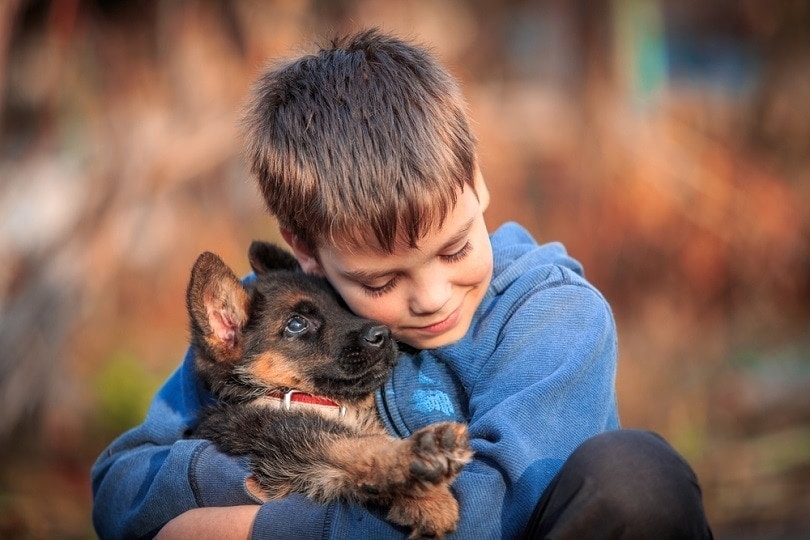
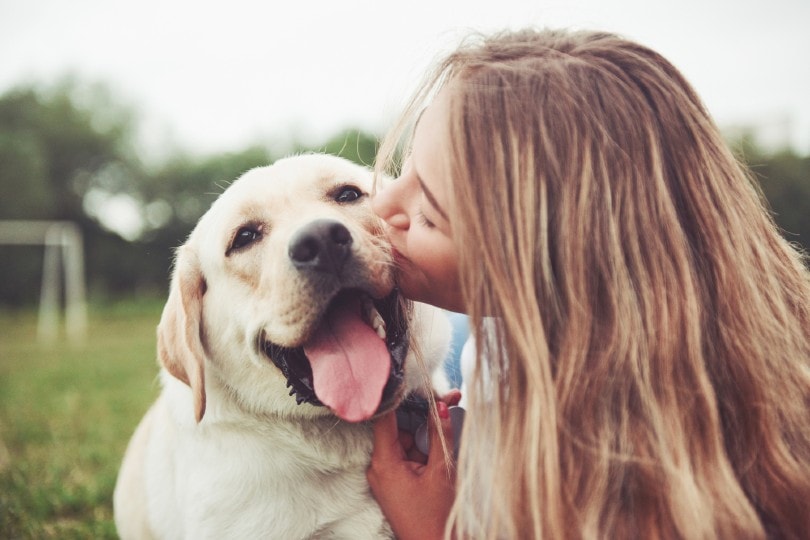
Children who are close to their dogs tend to be more securely attached to their parents, and they’re more likely to form strong friendships, too. Strong relationships in one part of a child’s life seem to go hand in hand with strong relationships in others. Kids who share more physical contact with their dogs, from cuddles to roughhousing, tend to get along better with their moms, dads, and friends.
A Boost For Mental Health
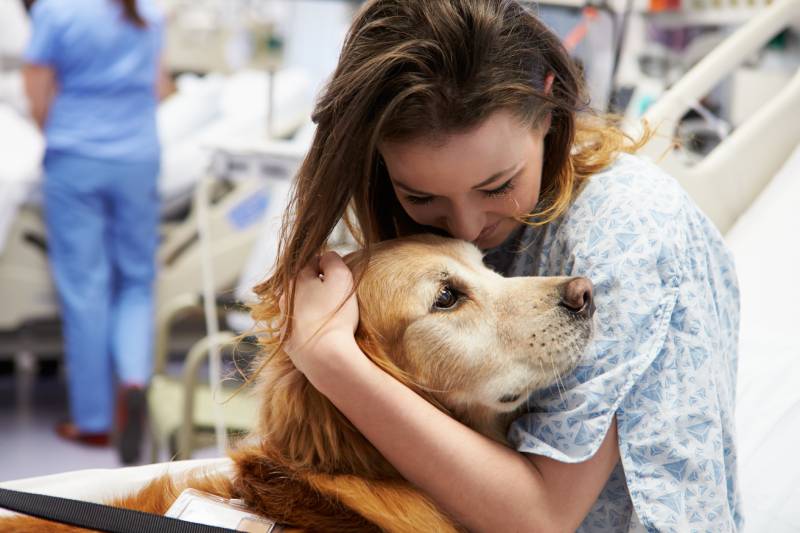
Kids who grow up with a family dog tend to have lower rates of anxiety. The benefits reach well beyond childhood, too. Dogs can ease feelings of depression and anxiety in adults who went through childhood trauma, and they can reduce signs of post-traumatic stress, which is part of the reason they’re so often brought into therapy.
Life Lessons That Stick
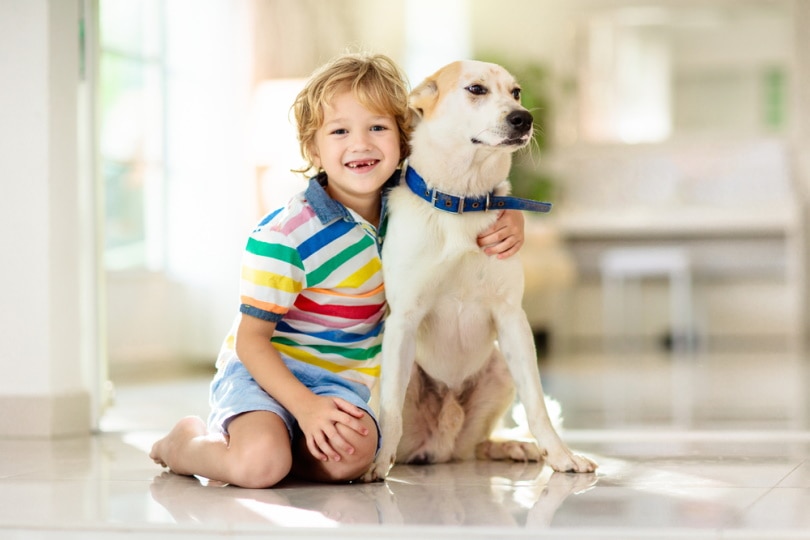
A dog is a living, breathing creature with needs, and children who help care for one learn responsibility and dependability. A five-year-old can’t take on every chore, but age-appropriate tasks are a great place to start. Young children spend much of their lives at the mercy of parents and teachers, so having a dog to look after can give them a real sense of empowerment and build self-esteem.
Caring for an animal from an early age also builds empathy, which supports emotional intelligence and helps a child grow into a more compassionate person. The lessons go on from there. Dogs model loyalty; training and bonding teach patience, and learning to read a dog’s body language and respect their boundaries teaches respect. When a family pet eventually passes away, children also learn about death and grieving.

Higher Self-esteem
Children with pets tend to have better self-esteem than children without them. The effect appears to be strongest as kids approach adolescence; an age when the emotional support of a companion animal may matter most.
More Time On The Move
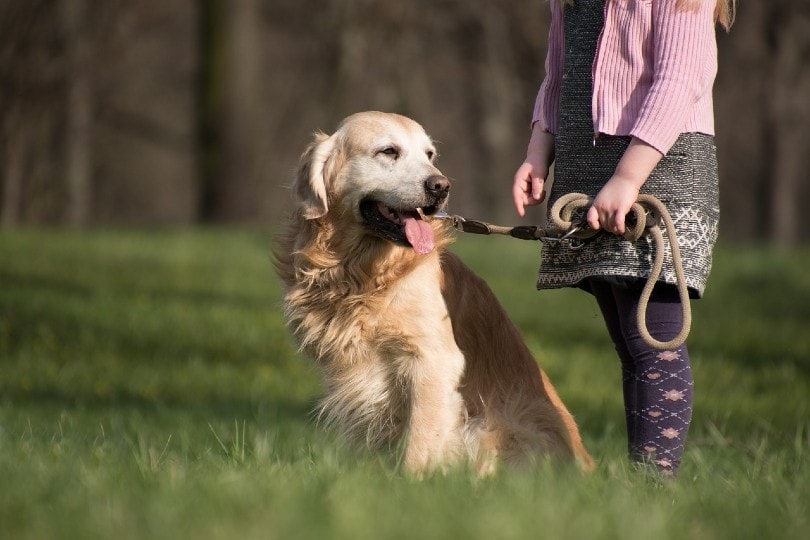
Families with dogs tend to be more physically active than their peers, getting about 11 extra minutes of exercise a day. That may not sound like much, but it adds up to roughly 5.5 hours a month in a society that is growing more sedentary all the time.
For some children, the effect is far larger. Girls in particular gained around 52 minutes of light physical activity a day after a dog joined the family. The flip side was striking too, since girls who lost their pet saw their daily activity drop by 62 minutes.
Calmer Under Pressure
Children tend to handle stressful moments better with a dog nearby. They feel happier and more at ease, and being able to touch the dog calms them even further. Simply having a furry companion close by seems to help kids feel steadier inside.
Dogs Aren’t For Everyone
For all the upsides, adopting a dog isn’t a decision to take lightly, and there are a few things every family needs to consider before racing out to get a four-legged friend.
Budget: Dogs depend on their owners for food, veterinary care, and emergencies, and a household budget that can’t cover those costs is a reason to rethink the plan.
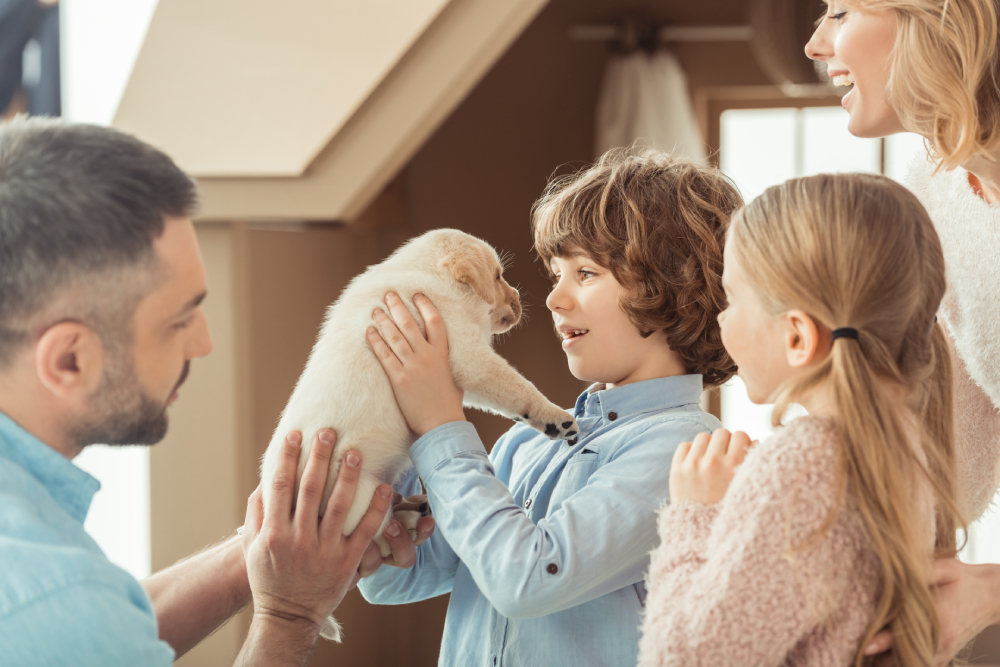
Age: Although many childhood benefits increase the earlier they start living with a dog, sometimes waiting until children are older is a good idea. St. Bernards make fantastic family pets, for example, but they can weigh as much as 180 pounds and can hurt a child accidentally. Small breeds have their own risks, since they can be fragile and prone to injury until kids learn boundaries and how to respect animals.
Lifestyle: A family that works long hours and spends every evening shuttling children to activities needs a plan for what the dog will be doing. Not every schedule has room for a pet, and that is perfectly fine, but a dog shouldn’t be adopted without free time to spend with it.
Motivation: Children often beg for a dog, promising to walk, feed, and pick up after them.
Then, the novelty fades, and the adults end up with the bulk of the care. Although it’s a good idea to encourage children to take on some of the responsibility of looking after a dog, you should assume that you’ll be the one doing most of the work – hope for the best, plan for the worst!
The Bottom Line
Growing up alongside a dog can bring real benefits, from fewer allergies and lower anxiety to stronger relationships and more time spent moving. But to enjoy the benefits of living with a dog, families need to have the time, money, and genuine desire to take care of one.
Growing up with a dog might not guarantee health and happiness, but it’s a pretty good place to start!
Featured Image Credit: MENG KONGSAK, Shutterstock
Did You Know?
- Our brand-new posts are rounded up and included in our weekly emails. Don't miss out on the latest - sign up for our newsletter below!
Expert dog care, straight to your inbox
Vet-reviewed advice, training tips, and the best of Dogster. Free, and you can unsubscribe anytime.
By signing up, you agree to our Terms & Conditions and Privacy & Cookies Policy.
Dan has been working in the dog world for over 4 years, covering dogs and all other pets, helping pet parents keep their companions happy, healthy, and totally spoiled! Originally from London, Dan now works remotely, which sadly means no pets at home, but plenty of opportunities to fuss over other people's furry friends.
Join the conversation
Ask a question, share your story, or send private feedback.