Why Dogs Play Too Rough — And the Simple Fixes That Prevent It From Becoming a Problem


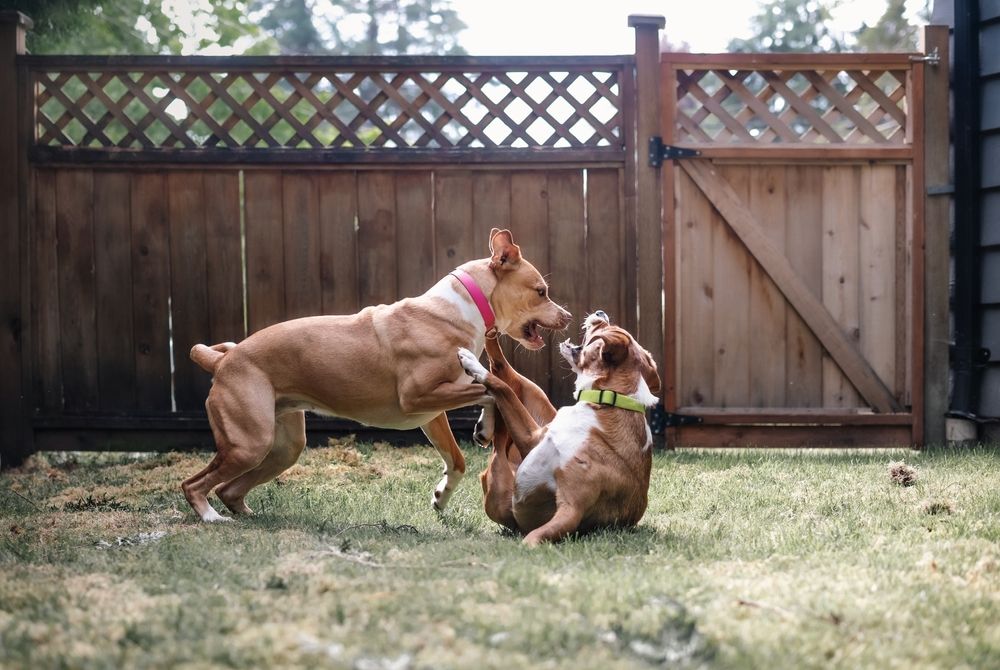
A dog that plays too rough with others is a problem that builds fast. One minute, the dogs are running and chasing, the next, someone's yelping, another owner is looking over with concern, and you're trying to figure out how to get control of a situation that escalated before you even saw it coming. Understanding why it happens is the first step to actually stopping it.

It’s Crucial to Understand What You're Actually Seeing
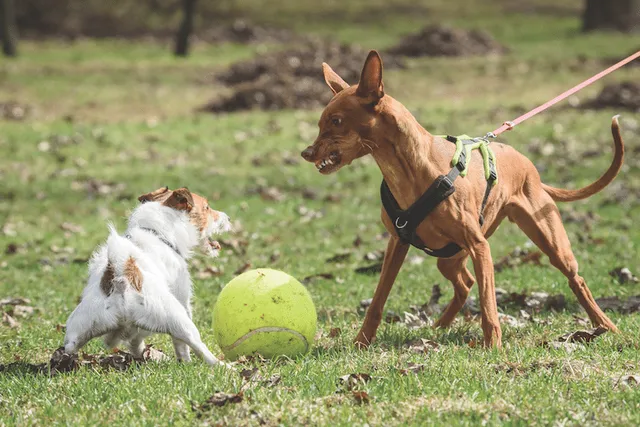
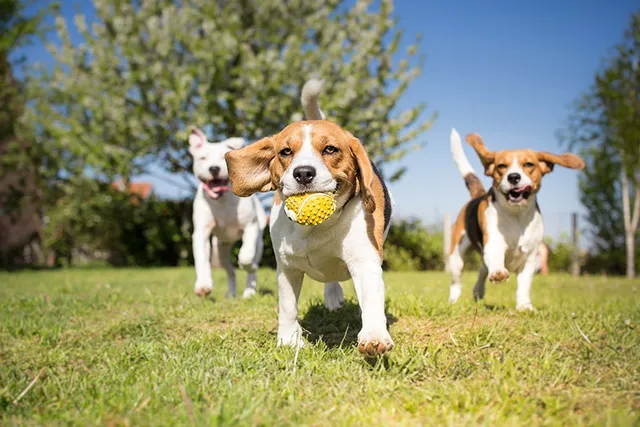
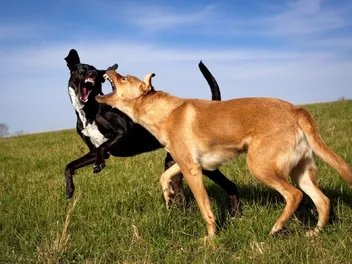
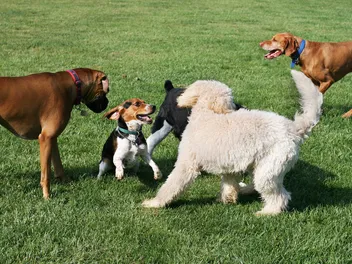
Rough play and aggression are not the same thing, and that distinction matters for how you respond. Dogs that are playing, even boisterously, typically show loose, relaxed body language. Tails wag in wide arcs, mouths hang open, and movements are bouncy and reciprocal. When play starts tipping into something more serious, the body stiffens. The tail may rise and move in tighter, stiffer wags. The mouth closes. Eye contact becomes fixed rather than casual.
Overexcitement is the most common culprit behind rough play. Some dogs simply have a hard time self-regulating once they hit a certain energy level, and without an owner stepping in, the situation escalates. It's also worth knowing that certain breeds are naturally more boisterous. Terriers, herding breeds, and working breeds tend toward rougher, more persistent play styles. That doesn't make the behavior acceptable, but it does help explain why some dogs need more active management than others.

What to Do in the Moment
The most effective immediate tool you have to help prevent your dog from playing too roughly is a reliable recall, a word or phrase your dog is trained to respond to that brings them back to you. Something as simple as "come" or "here" works, as long as it's been practiced consistently before you need it in a high-distraction environment like a dog park. When your dog responds and returns to you, that break in the action gives both dogs a chance to reset.
If recall isn't working yet, or if things have escalated too quickly, a distraction can help redirect your dog's focus. A high-value treat, a favorite toy, or even a sudden sharp noise can interrupt the momentum. Once you have their attention, get a leash on them and create some physical distance between them and the other dog.
For situations that have gone beyond a distraction or recall being enough, a physical barrier helps. An umbrella, for example, could block the dogs' line of sight, remove the visual trigger, and keep you out of the middle of the situation while you work on separating them.
The Setup Changes That Prevent It in the First Place
Managing rough play reactively is useful, but adjusting how and where your dog plays is what creates lasting change. Large group play environments are harder to supervise and easier for dogs to get overstimulated in. If your dog struggles with self-regulation, smaller, more controlled play situations with one familiar dog are a better starting point than a busy off-leash park.
A well-fitted harness is worth having on your dog during play sessions where rough play is a risk. It gives you a secure point of control if you need to physically separate dogs, and it's safer to grab than a collar during a heated moment. The other dog's owner should have a leash accessible too, so both dogs can be managed if things escalate.
Keeping group sizes small and choosing play partners thoughtfully takes a lot of the guesswork out of the situation. Not every dog is a good match for every play style, and pairing a highly excitable dog with a calmer one often ends badly for both.
Reinforce What You Want to See
One of the most straightforward things owners overlook is rewarding calm, appropriate play. If your dog is interacting well, settling after being recalled, or checking in with you during a play session, mark that with praise or a treat. Positive reinforcement during play isn't just for formal training sessions. It builds the habit of your dog looking to you for feedback during high-energy situations, which is exactly what you want.
Teaching a solid recall takes consistent practice, ideally starting at home with minimal distractions and gradually working up to more stimulating environments. If your dog won't come when called in a quiet setting, they're not going to come when called at a dog park. Build that foundation first before relying on it in difficult situations.


When to Step Back From Play Entirely
If your dog is still vomiting, consistently unable to calm down after being separated, showing stiff or aggressive body language rather than loose playful energy, or if other dogs are regularly showing signs of fear or stress around them, it's time to pause open play sessions and consult a professional trainer or your vet. Some dogs need more structured behavioral work before group play is appropriate, and that's not a failure. It's just an honest assessment of where your dog is and what they need.
Rough play is common. With the right tools, most owners can get it under control before anyone gets hurt.
Sources
Featured Image Credit: sophiecat, Shutterstock
Did You Know?
- Our brand-new posts are rounded up and included in our weekly emails. Don't miss out on the latest - sign up for our newsletter below!
Expert dog care, straight to your inbox
Vet-reviewed advice, training tips, and the best of Dogster. Free, and you can unsubscribe anytime.
By signing up, you agree to our Terms & Conditions and Privacy & Cookies Policy.
Dan has been working in the dog world for over 4 years, covering dogs and all other pets, helping pet parents keep their companions happy, healthy, and totally spoiled! Originally from London, Dan now works remotely, which sadly means no pets at home, but plenty of opportunities to fuss over other people's furry friends.
Join the conversation
Ask a question, share your story, or send private feedback.