Why Do Dogs Like Belly Rubs So Much? 6 Vet-Verified Reasons


In this article
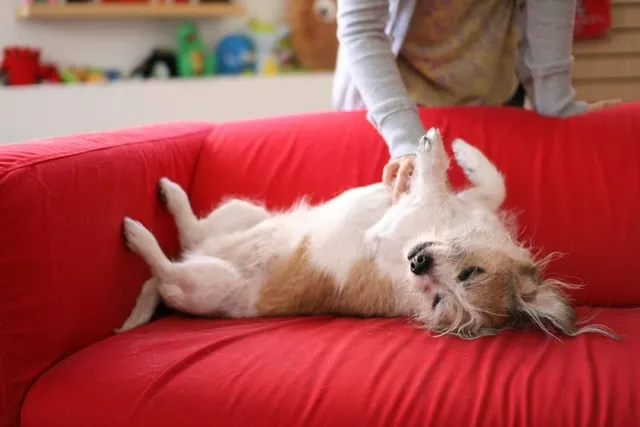
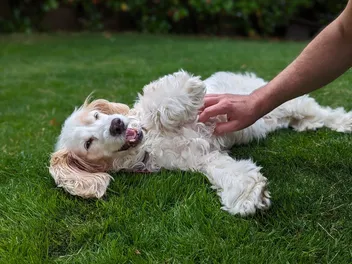
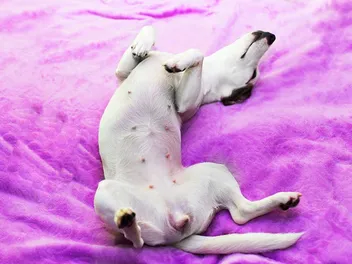
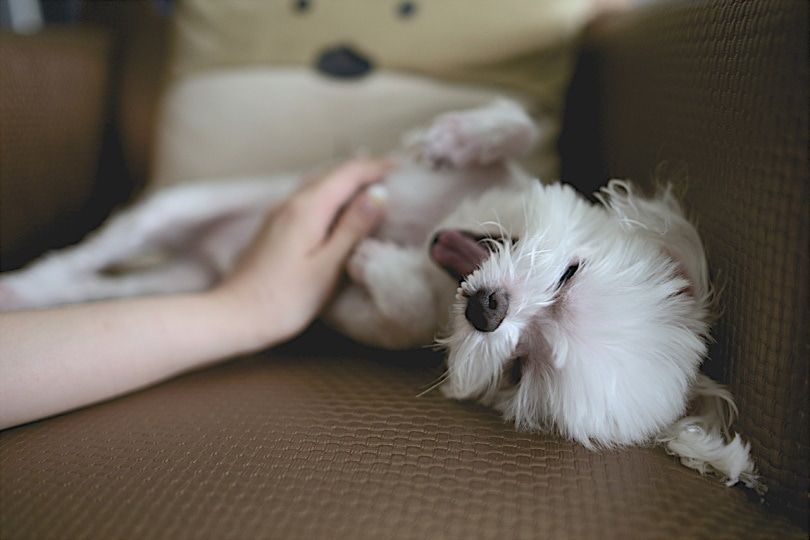
It is no surprise that many dogs enjoy a good belly rub now and then. It may even be something that they look forward to, as some dogs are known to turn onto their back near you, indicating that they want their belly rubbed. The reasoning behind this behavior is interesting, and it may be something you did not know before. Rolling on their belly can also indicate a desire for attention or even be a sign of submission.
It may even be rewarding to have your dog demand belly rubs from you because it shows that they feel safe and comfortable with you, since a dog’s stomach is considered to be a vulnerable area.
This article will provide you with everything you need to know about a dog’s fascination for belly rubs, and even look at some scientific points to ensure that you can understand your dog's behavior better.

The 6 Possible Reasons Dogs Like Belly Rubs
1. It feels good
Many dogs love belly rubs because it feels good. Giving your dog a belly rub feels enjoyable and calming. It shows that they feel safe when you touch an area that dogs will usually only show as an act of submission if they feel overpowered. It is basically like a gentle massage for your dog. This can also be why they seem to love it so much, sometimes to the point that they will roll over to show their stomach when they are near you, trying to demand a belly rub even if it is not the right time.
2. Stimulating nerve endings
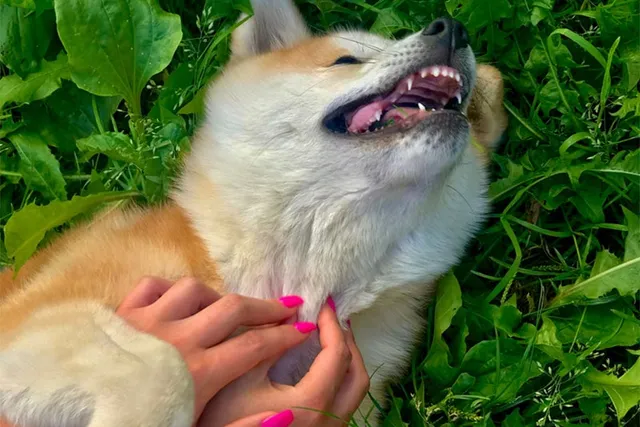
The hair follicles on a dog’s stomach are sensitive, and rubbing them can provide a relaxing experience for many dogs. Beneath the skin are various nerves, so gentle belly rubs can feel like a massage and offer a form of tactile stimulation. You may also notice that your dog’s leg moves in a fast motion when you hit a spot on their belly. While this is an involuntary reaction designed to shake off irritants, some dogs may find the extra attention quite enjoyable, provided the touch remains gentle.

3. Attention
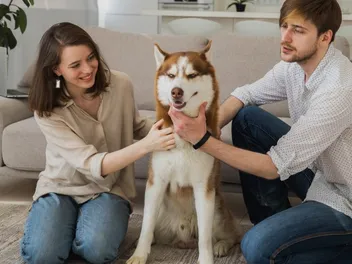
Most dogs love their owners and enjoy receiving attention. If your dog notices that you respond positively to belly rubs, they may repeat this behavior throughout the day to gain your attention. Interacting with your dog in a gentle, positive way not only feels good for them but also strengthens your bond and provides comfort for both you and your dog.
4. Submission
If you have ever scolded your dog for doing something naughty, or if you have walked in on your dog doing something they shouldn't, your dog's first reaction may be to roll over onto their back and show their belly. If you try to go near them or touch them, they may simply roll back over or move away from your touch. This can indicate that your dog does not want a rub, but they are rather showing an act of submission, and that they do not want any trouble for what they did wrong. Dogs are more intelligent than we think. While they can learn and associate from repeated experiences, this behavior is more about expressing submission than consciously trying to make you feel sorry for them, although it may seem like that.

5. Grooming
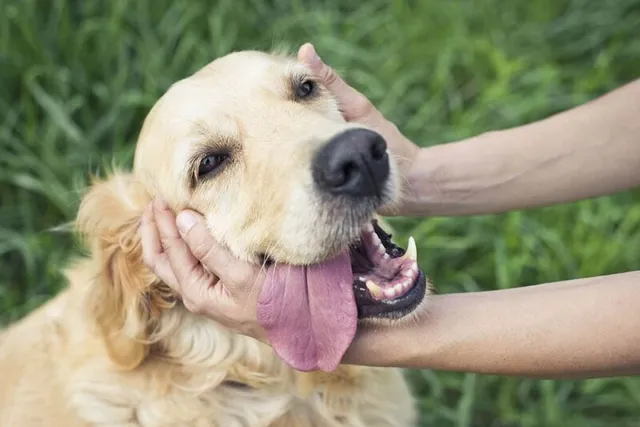
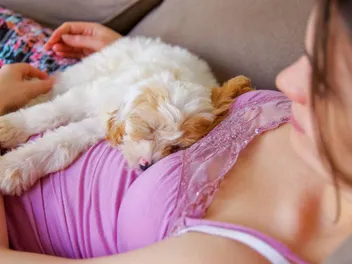
When a puppy is born, their mother will clean them by licking their stomach and body, which helps with hygiene and bonding. Puppies also receive grooming from their littermates, reinforcing comfort and social bonds. Gentle touches from humans, like belly rubs or ear scratches, can feel soothing to dogs because they resemble the gentle tactile sensations experienced during early life. Since dogs associate you with care, feeding, and comfort, they often respond positively to these interactions, enjoying them as a form of attention and reassurance.
Dogs love interacting with their owners because they are social creatures that thrive on attention, affection, and care. They can learn that rolling onto their backs often elicits positive responses from their owners, like belly rubs or cuddles. This behavior allows dogs to receive the interaction they enjoy while strengthening the bond between you, promoting a deeper social connection.

A Scientific Explanation Behind Dogs and Belly Rubs
From a scientific perspective, dogs often enjoy belly rubs because they can be comforting and strengthen the bond between dog and owner. Rolling onto their backs is naturally a submissive behavior that dogs exhibit, both toward humans and other dogs. Over thousands of years of domestication, humans have reinforced this behavior, so some dogs may have learned that exposing their belly leads to positive interaction.
However, showing their stomach does not always mean a dog wants a belly rub or is being playful. It can also be a sign of submission, especially if other dogs are nearby. In multi-dog households, dogs may also show belly exposure to signal non-aggression or avoid conflict, and jealousy or attention-seeking can influence these interactions.
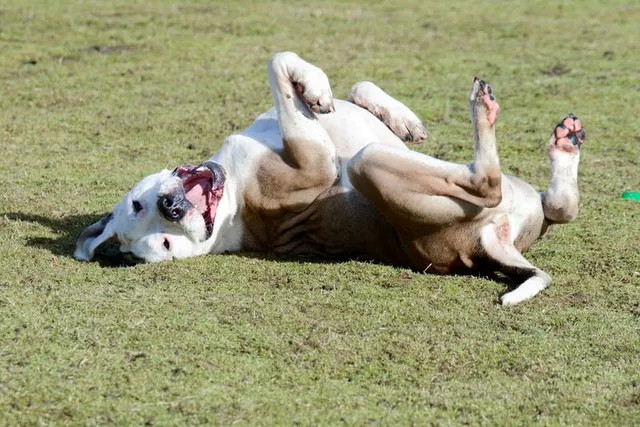
Researchers from the University of South Africa and Alberta investigated the meaning of dogs rolling onto their backs to expose their bellies. They used 34 different dog breeds to complete this study. The researchers concluded that dogs may roll over when playing and that by doing so, this position can be used to gain an advantage during play fighting. None of the dogs rolled over onto their backs in a submissive response to aggressive behavior, but they rather used it to playfully bite their companion.
Additionally, tactile interactions with humans, such as belly rubs, may mimic some aspects of social grooming and provide a rewarding and comforting experience. Not only that, but it is widely believed by many experts that dogs do enjoy having their belly rubbed, and it overall feels good for them.

What to Do if Your Dog Does Not Enjoy Belly Rubs
Some dogs may not enjoy having their belly rubbed, as they feel insecure or get irritated. This can sometimes lead to negative reactions such as biting, growling, or scratching their owner to say that they do not like this. Depending on your dog’s personality, some may lick your hands first as an appeasement sign. Some dogs will never show any interest in belly rubs, and it is something that must be respected. Although it is possible to train your dog to roll over for belly rubs, it should never be forced, and there are many other ways to bond with your dog.
If your dog does not like its belly being rubbed, it is best to find another area that they feel comfortable being touched. Try to read your dog's body language to determine if they truly enjoy their belly being rubbed, or if they are feeling scared and uncomfortable.
Past experiences can affect whether your dog will like or dislike belly rubs. If your dog does not enjoy having its belly rubbed, it is not a cause for concern, and nothing is wrong with them. It is up to the individual animal to determine what they like. Most experts can agree that when dogs are asking for belly rubs, it shows how comfortable they feel within the family.

Should You Give Your Dog Belly Rubs?
There is no harm in giving your dog a belly rub if it seems like something they enjoy. If your dog is willing and comfortable to participate, you can give them a belly rub and see how they respond. If you do notice that they are in discomfort at any time, it is better to stop. Your dog does not need to have their belly rubbed, but it sure can be a bonding experience for both of you. Beware, though, some dogs have been known to get almost ‘addicted’ to having their belly rubbed. You may just have a dog that downright demands belly rubs from you while you are walking around the house, only to have your canine friend block your path with their belly up.

Other interesting reads:
Conclusion
Dogs like a belly rub for a variety of reasons, and no one explanation applies to every dog. You know your dog best, so it is up to you to find the most acceptable reason your dog enjoys having its belly rubbed.
If done correctly and you both feel comfortable, then belly rubs can be fun and rewarding. Belly rubs are not harmful to your dogs, and fortunately, most dogs enjoy having their belly rubbed very much.
Overall, dogs can benefit greatly from belly rubs and get the much-needed attention and affection response from you, safely and easily.
What to read next:
Why Does My Dog Try to Lick My Ears? 6 Reasons for This Behavior
Why Do Dogs Love Belly Rubs? Vet-Approved Interaction Facts & FAQ
Featured Image Credit: Free-Photos, Pixabay
Expert dog care, straight to your inbox
Vet-reviewed advice, training tips, and the best of Dogster. Free, and you can unsubscribe anytime.
By signing up, you agree to our Terms & Conditions and Privacy & Cookies Policy.
Nicole has loved animals of all sizes her whole life so it's no wonder she has dedicated her career to helping them through what she loves best: learning, writing, and sharing knowledge with others. She’s the proud mom of two dogs, a cat, and a human. With a degree in Education and 15+ years of writing experience, Nicole wants to help pet parents and pets around the planet to live happy, safe, and healthy lives.
Join the conversation
Ask a question, share your story, or send private feedback.