8 Vet-Reviewed Signs a Dog Will Attack a Baby & Tips to Prevent It


In this article
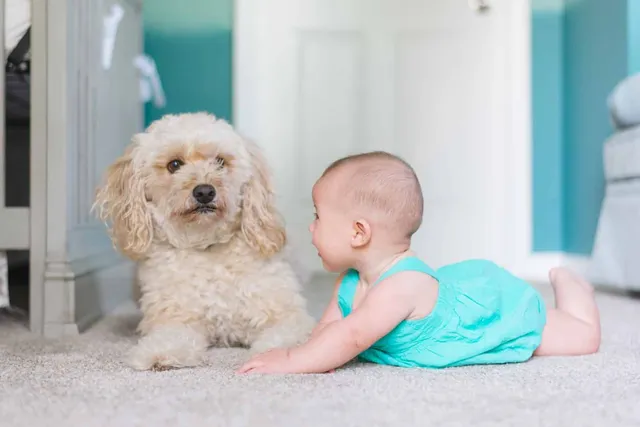
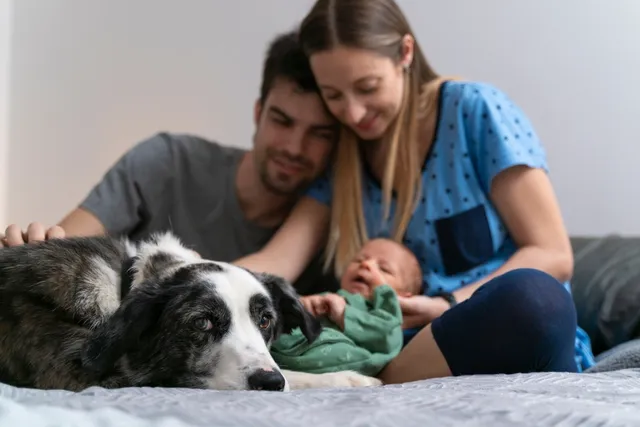
Expectant parents who are dog owners often wonder how they should introduce their new baby and dog, and whether they should be concerned about their dog attacking the baby at any point. The good news is that most canines will be fine around infants, after the initial adjustment period, where they are mostly curious about the new tiny being.1 But there are rare incidences of dogs biting babies, so you want to know what signs to look for that would indicate a dog may be about to attack.
Why would a dog attack a baby in the first place? Babies cry loudly and make sudden noises out of nowhere, and if they’re older, babies may wave their hands and feet around erratically. All of this can be scary for a dog. Some dogs with high prey drives may also view the tiny human as “prey.” However, by properly introducing your dog and baby and knowing what signs could indicate a dog is about to attack, your child should be safe.

The 8 Signs a Dog Will Attack a Baby
So, what should you look for to determine whether a dog will attack a baby? Here are seven signs to be aware of.
1. History of Aggression With Children
Unfortunately, if a dog has already shown aggression to children (no matter their age), they’re likely to also show aggression towards a baby. Dogs may be aggressive towards children (and babies) because they’ve never been properly socialized, so they view the tiny humans as frightening. Or a dog may be aggressive with older children due to resource guarding, as children don’t always understand what a dog being territorial means. Even though a baby won’t be taking any of a dog’s resources, the dog may not realize that and be on guard.
So, if your pup has a history of showing even minor signs of aggression towards kids, it could be a good indicator they might be aggressive towards or attack a baby.
2. History of Aggression With Adults
Even if a dog has never shown any indication of being aggressive with children, any history of aggression could be a sign they’ll be aggressive with or attack a baby. Though dogs tend to be aggressive for a reason (usually fear), they may not always need a clear reason to react in an aggressive manner. So, even if your dog has only ever shown occasional signs of aggression with adults, you’ll want to be cautious with them regarding babies.

3. High Prey Drive
Does your dog have a high prey drive and a history of predatory behavior? Have they been known to chase down and kill a squirrel? Have they ever gone after (or killed) a bird or cat? Then that’s a clear indication they may end up attacking a baby. Babies are tiny and wriggly, much like small animals, so they can easily be mistaken for “prey” in canines with high prey drives known to go after creatures smaller than them. This could be a dangerous situation to have a baby in.
4. Infatuation with Squeaky Toys
Lots of dogs love squeaky toys, and that’s not a problem or cause for concern. However, if you have a dog that is obsessed with these sorts of toys, and hell bent on savaging, shaking, and destroying them, there is a chance that they could mistake a squeaking, squalling baby for something that must be savaged and subdued. This sort of behavior often goes hand-in-hand with a high prey drive, but not always. If your dog is hyper focused on toys that squeak, be extra vigilant when they are around your little ones.

5. Growling or Barking
It’s normal for a dog to be nervous or anxious around a baby at first. After all, a baby entering the household may be a new experience, and it means things change. But if a dog is growling around your little one or barking at them, this is a clear sign that the dog is unhappy. Whether they’re afraid, nervous, or even angry, it may not bode well for the baby (or anyone else around). You absolutely want to separate a constantly growling or barking dog from a little one.
6. Rigid Posture
Dogs don’t always growl or bark when they become aggressive. Sometimes a dog may just go completely rigid when agitated (which could be them freezing, like in the “flight, fight, or freeze” response). When a dog does this, they’re on the lookout for anything that could prove dangerous, and if the baby is around and becomes noisy, that could come across as “danger” to the dog.

7. Pacing
If you see your dog pacing near your baby, it could be another sign they’re scared, anxious, nervous, or generally just agitated. A dog pacing is similar to a human nervously pacing back and forth, as moving may feel better than staying still. However, like with the other signs, this one could indicate aggressive behavior is coming, so you want to ensure your baby is far away from your pet if they’re exhibiting this behavior.
8. Tail Wagging
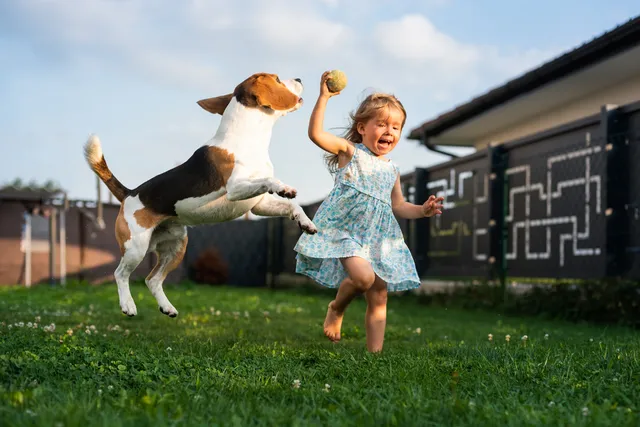
Wait, doesn’t a dog’s tail wagging mean they’re happy or excited? Not always. If your pup’s tail is wagging and their whole body is involved in this wagging motion, it indicates excitement, happiness, or playfulness. However, if your pet is standing still while their tail wags slowly back and forth more slowly, it could indicate agitation and an imminent attack. So, pay close attention when your dog is around your baby to see what kind of tail wagging is going on.


How to Prevent a Dog From Attacking a Baby
Now that you know what to look for when it comes to possible dog attacks, how can you prevent this possibility?
First, if your dog has shown any signs of aggression in the past, whether towards children or adults, or they have a high prey drive and have been known to kill small animals, you should seriously consider whether your dog should stay in your home. We all know what it’s like to love our canine companions like our own children, but if there’s even a small chance they could be aggressive toward your baby because they’ve shown signs of aggression in the past, having the dog in your home with your baby may simply be unsafe. If that’s the case, you may want to rehome your dog with a new loving family.
If your dog has never shown signs of aggression and doesn’t have a spectacularly strong prey drive, the most important thing you can do is properly introduce your pup to the new baby. This means moving slowly during introductions (your dog shouldn’t come any closer than within a few feet of the baby for a few days) and ensuring you’re still spending time with your pet so they don’t feel left out or abandoned.
Obviously, your life gets turned upside down when there is a new baby in the house, but try to keep your dog’s routine as normal as possible. Missed meals, walks, or attention can lead to stress, uncertainty or resentment, so it’s important to make sure your dog is still getting everything they need.
Properly introducing a baby also means your dog will have to spend more time confined to either their crate or a different room than the baby for a bit. No babies or small children should EVER be left alone with a dog, no matter how well-behaved they are, and any interactions between a dog and baby should be strictly monitored.
Another way to help prevent a dog attack is by making sure your dog has been properly trained and socialized. Dogs should always be socialized and trained during the puppy years, but this doesn’t always happen. However, if your dog is used to meeting new people and animals and has experienced many things, they’ll be likelier to take well to the baby. Likewise, a dog who is obedience trained will be easier to introduce to your little one.
Finally, never ignore any warning signs! If you see any of the signs above, don’t ignore them, not even if you believe they could be playfully growling or wagging their tail more in happiness than agitation. If you aren’t sure whether a dog is agitated or fine, separate canine and baby.

Conclusion
Most pups will take well to a new baby in the home after an initial adjustment period. Properly introducing the two and ensuring your dog has been trained and socialized will help prevent potential dog attacks. You should also watch your pet for any signs of agitation when they’re around your baby until you have no doubts that they find the new little one interesting and intriguing and not scary or as potential prey. Finally, if your dog does have a history of aggression, it may be safest to re-home them with a new loving family rather than risk having them around your little one.
Featured Image Credit: maxim ibragimov, Shutterstock
Expert dog care, straight to your inbox
News, insights, expert advice, and everything dog.

No spam — unsubscribe anytime.
By signing up, you agree to our Terms & Conditions and Privacy & Cookies Policy.
How useful was this post?
Click a star to rate. You can leave written feedback afterwards. (We read all feedback.)
Misty Layne lives out in the woods in small-town Alabama with her two Siamese - Serafina & Jasper. She also has an array of stray cats, raccoons, and opossums who like to call her front porch home. When she’s not writing about animals, you’ll find her writing poetry, stories, and film reviews (the animals are, by far, her favorite writing topic, though!). In her free time, Misty enjoys chilling with her cats, playing piano, watching indie and foreign films, photographing abandoned places, and catching up on her never-ending TBR list.