Shiloh Shepherd vs. German Shepherd: Main Differences (With Pictures)

In this article
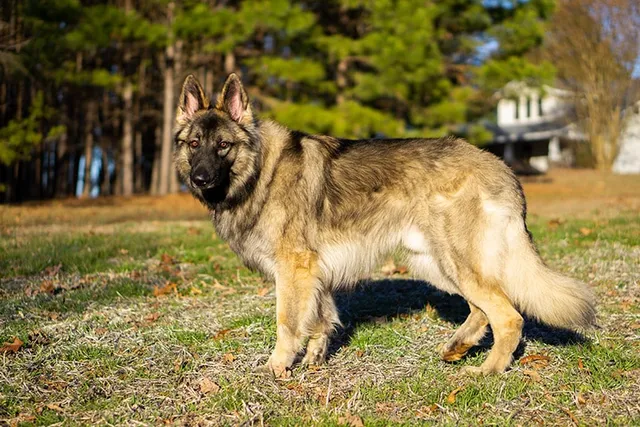
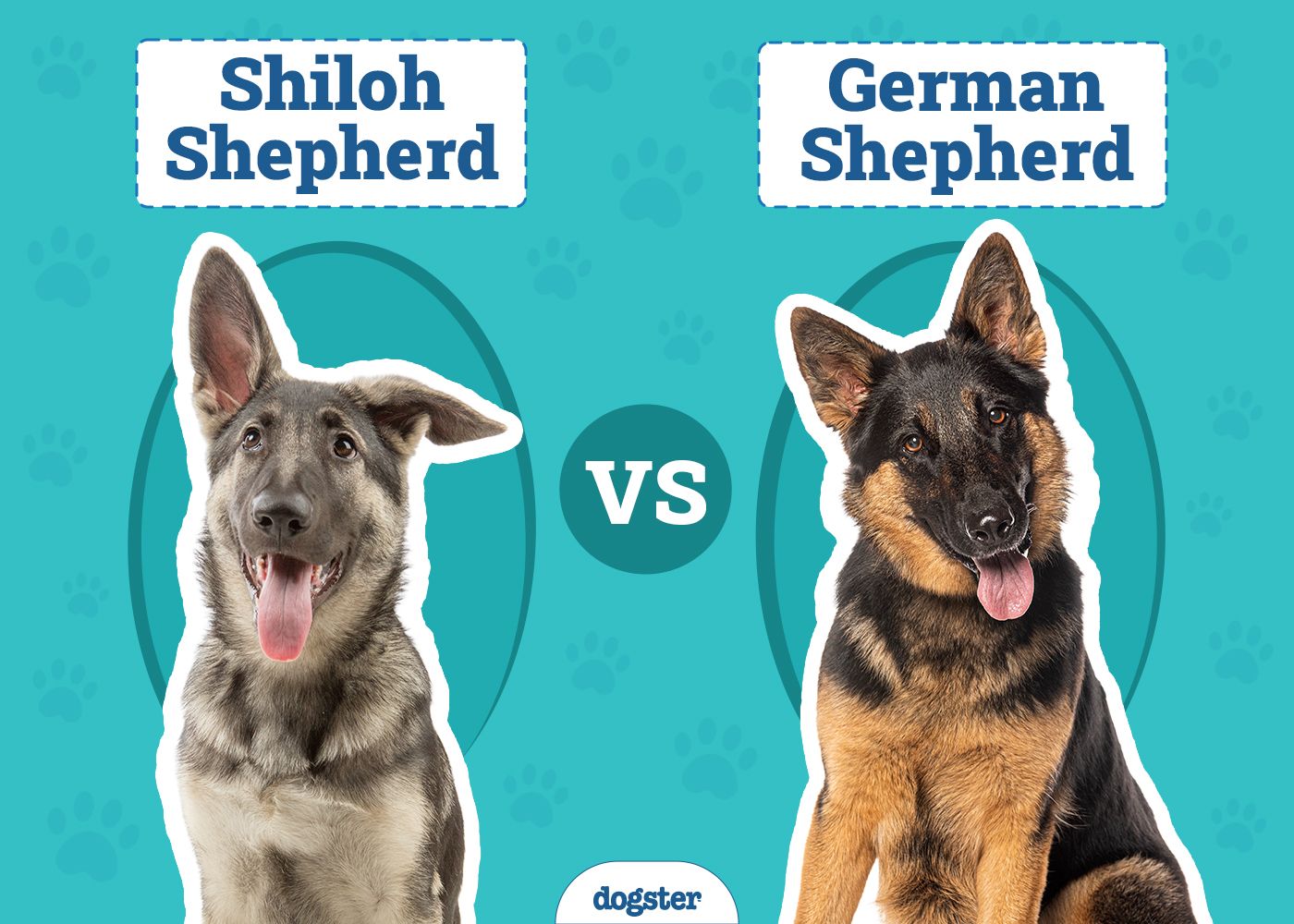
Just about everyone has heard of the German Shepherd. They’re one of the most popular dogs in the world and one of the first to be officially recognized by the AKC. However, the Shiloh Shepherd is a lesser-known breed that is quite similar to the German Shepherd. Shiloh Shepherds are a bit larger, standing at around 32 inches tall and weighing up to 140. However, they’re also less protective, making them better suited as family companions.
Homes that are suitable for a German Shepherd may not be suitable for a Shiloh Shepherd and vice versa. Here, we compare both and help you determine which breed may be best for you.

Visual Differences

At a Glance

Shiloh Shepherd Overview
Shiloh Shepherds are quite a bit larger than German Shepherds. However, they also tend to be less of a handful in practically all other categories. They require less grooming and exercise, for instance. They also have lower protection instincts, which means they’re often quite friendly. Socialization is still required, of course, but not nearly as extensively as it is for a German Shepherd.

Size and Build
Shiloh Shepherds are big, reaching up to 140 pounds, which is twice as big as the average German Shepherd. They’re bulky too, with a deep chest. They can be quite imposing and a bit harder to handle due to their size.
Males tend to be larger than females, which is true for most dog breeds. However, the females also get larger than the average German Shepherd. Don’t purchase a female Shiloh Shepherd thinking that you’re getting a significantly smaller dog.
Temperament
These dogs are known for their gentle and loving nature. They’re often described as cuddly and even-tempered. They can be strangely affectionate and may even think that they are lap dogs despite their huge size. In many cases, they’re calmer and more laidback than a German Shepherd.
Of course, different dogs have different temperament traits. Some Shiloh Shepherds may be a bit more high-strung or anxious, especially if they aren’t socialized properly. While these dogs do tend to be giant teddy bears, socialization is still vital to ensure that they’re well-adapted to family life. Introduce them to children and strangers regularly at a young age.
Activity Level
Shiloh Shepherds are working dogs, so they need quite a bit of exercise. However, they don’t need the same strenuous exercise that a German Shepherd needs. They tend to be fine with an hour or so a day, though their larger size means they absolutely need to do it outside. You can’t just play fetch down a long hallway, for instance.
Moderate walks and playtime in a fenced-in yard are ideal for keeping your Shiloh Shepherd fit. Keep in mind that these dogs are quite large, so not giving them the proper exercise can lead to destructive behaviors, and they can do serious damage!

Health
The Shiloh Shepherd is a relatively new breed that’s less common than the German Shepherd. Therefore, we don’t know everything about their health. They might be prone to several health issues that we have yet to realize, as we just don’t have enough data.
That said, they are likely prone to hip dysplasia due to their size. Be sure to feed them large-breed puppy food the whole time that they are growing. Proper nutrition when young can help prevent hip dysplasia, even if they have a genetic risk for it 1.
Suitable For
Shiloh Shepherds are most suited for families with plenty of room. They are large, so they take up a great deal of space. However, they’re also calm and have an even temperament when well-bred. Families with children and other pets may find a great companion in this breed.

German Shepherd Overview
German Shepherds are exceptionally popular. There are breeders all over the world and massive numbers of German Shepherd puppies are born each year. However, the rise of working vs. showing German Shepherds has led to variance within the breed.

Size and Build
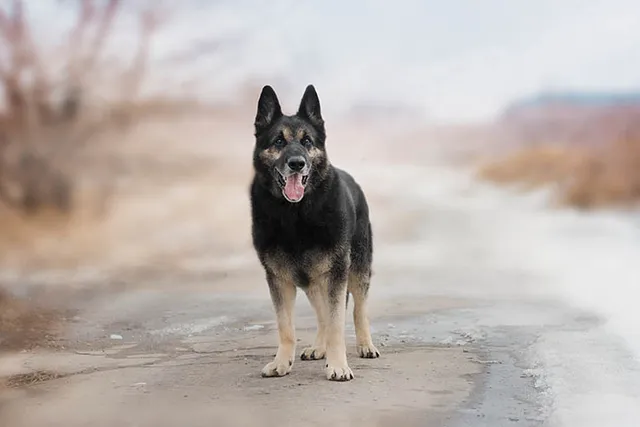
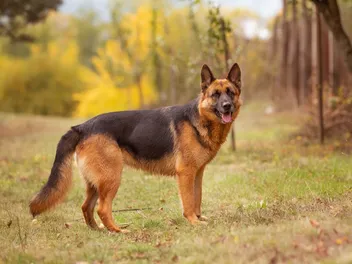
German Shepherds are typically considered medium-sized dogs. They often stand around 24–26 inches and weigh 60–90 pounds. They’re quite lean and athletic. The males tend to be larger than the females, but there is a bit of variance within this breed, so you can find females that are bigger than males.
Either way, these dogs are smaller than a Shiloh Shepherd, though they are still considered large dogs.
Temperament
This breed is extremely energetic and intelligent. They’re easily one of the most obedient dogs in the world, especially those from working lines. German Shepherds bred for shows and appearance may be less obedient, though. It all depends on the breeder.
These dogs are often protective and territorial to a certain extent. Plenty of socialization is required to keep from becoming aggressive. Otherwise, they may assume that everyone is a threat, which can make them dangerous.
Fortunately, their trainability does make socialization easier than it is in some other breeds. You can train them to interact with others properly, but you shouldn’t expect them to be exceptionally friendly. It just isn’t in their nature.
Since this breed is so smart (and high-strung), they require plenty of mental stimulation. They aren’t a dog that you can just leave alone for much of the day. They can become bored quickly, leading to destructive behaviors.
Activity Level
German Shepherds need a significant amount of exercise, more than most potential owners seem to realize. These dogs were bred to work, so they need at least two strenuous walks each day—which may turn into jogging sessions. They also need plenty of playtime outside. It’s recommended that you get them involved with a canine sport, as they do best when they have a job to do.
We don’t recommend these dogs for families that aren’t active themselves. If you don’t already spend most of your time hiking or exercising, this breed probably isn’t a good fit for your household.

Health
We know a great deal about German Shepherds’ health. Unfortunately, breeding solely for appearance has led to them becoming prone to hip dysplasia. Working lines seem less prone to health issues, as they often were bred for practical purposes.
It’s highly recommended that you only purchase puppies from breeders who perform the proper hip and elbow testing on any breeding dogs. Hip and elbow dysplasia are easily diagnosed with an X-ray, even if the dog isn’t showing any signs. Identifying affected dogs can prevent breeders from producing puppies that are prone to joint issues.
Temperament testing is also recommended. German Shepherds can become aggressive when poorly bred, so it is vital that dogs with quality temperaments are bred. Overly aggressive canines should not be bred to prevent aggressive puppies from being produced.
Suitable For
Despite their popularity, German Shepherds are only recommended for active families who can devote plenty of time to their dogs. This breed can be a great deal of work. You’ll need to spend time each day grooming, exercising, and training them. It’s easy for them to become another full-time job, especially when they are young.
Which Is the Better Guard Dog?
Both Shiloh Shepherds and German Shepherds can be good guard dogs. It depends largely on what you’re looking for and how much time you have to dedicate to your canine.
German Shepherds tend to be popular guard dog options. They have strong protective instincts and an extensive history of being used as guard dogs. In many cases, you can find breeders that produce these dogs solely for them to do guard duty. However, not all German Shepherds make good guard dogs. Some are bred more for show and appearance. It’s crucial to go to a purpose-focused breeder.
This breed is also quite trainable, and you can train them for specific duties. They’re assertive and don’t usually need much training to guard things, for example. However, they tend to be reactive, which can make them ill-suited as family dogs. You also need to exercise them daily, which can be a significant responsibility for more inactive families. German Shepherds also need dedicated training and socialization, which can take up huge chunks of time when they are young.
Shiloh Shepherds are exceptionally large and can be quite imposing. Just owning one can be enough to scare off many potential intruders. But they’re also gentle and loving, making them ideal for families with children. They tend to be calmer around strangers too.
Shiloh Shepherds are incredibly loyal and can be protective, but these instincts usually aren’t as significant as a German Shepherd’s. Their calmer nature also makes them less suitable for more immediate situations. They tend to be less assertive, and not all Shiloh Shepherds will necessarily act in a situation where they should be protective.

Which Breed Is Right for You?

For the average family, the Shiloh Shepherd is likely the better option. While they are larger than the German Shepherd, they require less work overall. They don’t need as much grooming or exercise, for instance. They’re also calmer and better suited to families with children. You don’t need to socialize them as much, though they do still need to be socialized.
German Shepherds are more popular but they are also more work. They need extensive exercise and training. Unless your family is incredibly active, you may have a hard time meeting their needs. They also need more socialization and they tend to be less friendly overall.
However, as a guard dog, the German Shepherd is likely better than the Shiloh Shepherd. Just be sure to purchase from a quality breeder who produces working dogs, as show-line German Shepherds aren’t always the most trainable.
Expert dog care, straight to your inbox
News, insights, expert advice, and everything dog.

No spam — unsubscribe anytime.
By signing up, you agree to our Terms & Conditions and Privacy & Cookies Policy.
How useful was this post?
Click a star to rate. You can leave written feedback afterwards. (We read all feedback.)
Kristin loves to help pet parents create a fulfilling life for their pets by informing them on the latest scientific discoveries and helping them choose the best products for their pets. She currently resides in Tennessee with three cats, four dogs, two fish, and a lizard, though she has dreams of owning chickens one day!