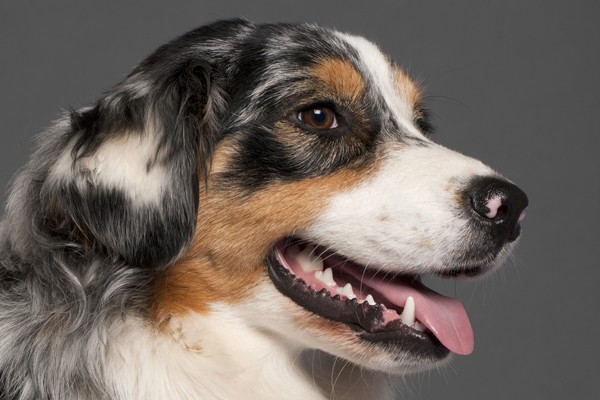
Some dog breeds are exceptionally old. These ancient breeds often retain their ancestral behaviors and instincts thanks to little selective breeding over the years. Often, these dogs are strong-willed and independent, but this isn’t necessarily true for all of these breeds.
Here’s a list of the most primitive dog breeds still around today.

How Are Primitive Dogs Classified?
We often don’t know exactly how old dog breeds are. However, if a dog breed has “older” characteristics and isn’t obviously a new development, it’s often placed into the primitive category. Often, dog breeds of this sort tend to be less friendly and require more socialization and exercise.
Therefore, they aren’t the best choice for all families due to their high needs. However, if you’re looking for an active breed, primitive breeds may be the best option for you.
The 16 Primitive Dog Breeds
1. Shiba Inu

| Origin: | Japan |
| Lifespan: | 12–16 years |
| Height: | 14–16 inches |
Shiba Inu are fairly small dogs from Japan. They’re known for their fox-like appearance and curled tail. Like many of these dogs, they are also fairly independent, which can make them somewhat harder to train and control.
These dogs do best with experienced owners who can provide proper training and socialization. Otherwise, they can be challenging to live with.
Shiba Inus are surprisingly clean, and they’re pretty low-maintenance at the end of the day. If you can deal with their somewhat independent attitude, they can make great companion dogs.
2. Akita

| Origin: | Japan |
| Lifespan: | 10–13 years |
| Height: | 24–28 inches |
Akitas are a fairly large breed that is very similar to the Shiba Inu. However, they are much larger and more powerful. They’re fairly aloof and can be aggressive if not properly socialized and trained. They’re often very patient with their families, including children. However, they aren’t as patient as some other dog breeds, so they may not be the best for smaller children.
These dogs are very active and require tons of work. If you aren’t active yourself, it can be hard to meet these needs. They also need a lot of socialization, and they tend to be pretty aloof towards strangers and other dogs, even with proper socialization.
3. Chow Chow

| Origin: | China |
| Lifespan: | 8–12 years |
| Height: | 17–20 inches |
Chow Chows are even bigger than Akitas. They are very large and independent, hailing from China. They’re known for their distinctive blue-black tongues, which set them apart from most other dog breeds. They also have a very large “lion’s mane,” and they need quite a bit of grooming. They also shed a lot, so plan accordingly.
These dogs are also fairly aloof, requiring tons of socialization. Like many primitive breeds, they don’t tend to like other dogs, even when socialized well. They can be good guard dogs, but you must be willing to put up with their considerably aloof nature.
4. Samoyed

| Origin: | Siberia |
| Lifespan: | 12–15 years |
| Height: | 21–23 inches |
Samoyed are a primitive breed, but they are a bit more friendly than the other breeds on this list. They come from Siberia and were originally bred for herding reindeer, sledding, and other working activities. They were a very versatile breed for those living in colder areas.
They have very thick coats, as you can probably guess. They are also very energetic. As working dogs, they can go all day long. Therefore, we only recommend them for more active families.
They also tend to “talk” on top of barking like a regular dog. They aren’t quiet by any stretch of the imagination, so be sure you can handle that before you adopt one.
5. Saluki

| Origin: | Egypt |
| Lifespan: | 12–14 years |
| Height: | 23–28 inches |
Salukis are sighthounds, so they look a bit like Greyhounds. However, they developed separately and tend to be a bit bigger. They also have very long fur on their ears, which requires some grooming. However, beyond that, they are pretty low-maintenance.
They’re known for being extremely fast. Personality-wise, Salukis are independent and aloof, like most dogs on this list. They need plenty of socialization to thrive, so they work best for experienced dog owners.
6. Afghan Hound

| Origin: | Afghanistan |
| Lifespan: | 12–14 years |
| Height: | 25–27 inches |
Afghan hounds are long-haired dogs from Afghanistan. Despite how they may look, these canines are sighthounds like Greyhounds and Salukis. They have very long, flowing fur that requires regular grooming. Therefore, they’re a bit more work than other dog breeds out there.
Of course, you can get them trimmed shorter to limit the amount of grooming required.
Most Afghan hounds are independent and aloof. They tend to be very unsure of strangers and other dogs, so they are a great option for one-dog households. They also require plenty of space and exercise, as they tend to be more active than most dogs. It helps if their owners are active, too.
7. Basenji

| Origin: | Central Africa |
| Lifespan: | 12–14 years |
| Height: | 16–17 inches |
Basenji are a truly old and unique breed. They’re from Africa and developed naturally over hundreds of years of natural selection. They were not selectively bred, which may be why they are so different from many modern dogs.
They “yodel” instead of barking, which often causes them to be called “barkless dogs.” However, this name is a bit misleading, as they do absolutely make noise. In fact, they can be pretty noisy when they want to be.
These dogs are very intelligent and independent. They like to do things, so they require plenty of mental stimulation. Training, dog sports, and puzzle toys are all must.
8. Siberian Husky

| Origin: | Siberia |
| Lifespan: | 12–16 years |
| Height: | 20–23 inches |
Siberian Huskies may not be the oldest breed out there. However, they are one of the older breeds, and they possess many of the “ancient” characteristics associated with primitive breeds. They look quite wolf-like, though this may be due to recent selective breeding. Many people choose to adopt these dogs because of their looks.
While these dogs are friendly, they are a lot of work. Their temperament is akin to a toddler—only they weigh 65 pounds. They tend to get into everything without proper mental stimulation, and they require tons of exercise, too. They’re best for experienced dog owners who know what they’re getting into.
9. Alaskan Malamute

| Origin: | Alaska |
| Lifespan: | 12–15 years |
| Height: | 23–26 inches |
Alaskan Malamutes are pretty similar to Siberian Huskies. However, they are much larger and more powerful. Malamutes are known for their strength and endurance. Therefore, they need plenty of exercise. They also tend to chase just about everything, which can make them prone to getting lost.
A secure backyard is absolutely necessary. They can climb fences and dig holes in nearly an instant, making them escape artists.
Like many dogs on this list, they tend to be independent and aloof. They aren’t always best with strangers. However, with proper socialization, they can be friendlier than most other primitive breeds.
10. Pharaoh Hound

| Origin: | Egypt |
| Lifespan: | 12–14 years |
| Height: | 22–25 inches |
We don’t exactly know where the Pharaoh hound came from. Despite their name, they aren’t actually from Egypt. However, when the Europeans came across them, that’s where they were. They were likely imported from somewhere else, though.
These dogs are incredibly fast and agile. They love to run, so they need tons of exercise. Luckily, they’re also very intelligent, so training them is easier than other primitive breeds. However, they can also be independent, which means they won’t always listen to your commands. They are very loyal dogs, though, and they can be great companions with the right care.
11. Canaan Dog

| Origin: | Israel |
| Lifespan: | 12–15 years |
| Height: | 18–23 inches |
You’ll be forgiven if you’ve never heard of a Canaan dog. However, these intelligent, medium-sized dogs are very old. They come from Israel, and they’re known for being great watchdogs. They aren’t quite large enough to be a good guard dog, but they are aloof and very noisy. They will bark at just about anything that moves outside of their home.
They are very independent, though, and they aren’t very easy to train. Controlling their barking is one of the biggest hurdles of caring for this breed, and they aren’t best for those in quiet households or apartments.
12. Finnish Spitz

| Origin: | Finland |
| Lifespan: | 12–14 years |
| Height: | 12–14 inches |
Like many Spitz breeds, the Finnish Spitz is another older breed that looks very similar to the Shiba Inu we discussed above. They have a fox-like appearance that many people adore and a thick double coat. They require a decent amount of grooming, though they are very good at keeping themselves clean. Brushing should be done often, but bathing is rare.
Unlike many breeds on this list, these dogs have a friendly, alert personality. They love just about anyone, so we highly recommend them for less experienced owners.
These canines are relatively energetic, so plan on daily walks and plenty of playtime. They do best for owners who are already pretty active themselves.
13. Swedish Vallhund

| Origin: | Sweden |
| Lifespan: | 12–14 years |
| Height: | 11–14 inches |
Swedish Vallhunds look very unique. They are shaped a bit like a Corgi with very short legs and long backs. They were bred as herding breeds. Their shorter stature allows them to miss kicks by larger herding animals.
These canines are very intelligent and active. Unlike many misconceptions, they are not just “small Huskies” and have very different personalities. They aren’t as noisy in most cases, and they have much stronger herding instincts.
Vallhunds require regular physical and mental stimulation. Otherwise, they can become bored and destructive. They may look cute, but they aren’t a breed for the faint of heart.
14. Norwegian Elkhound

| Origin: | Norway |
| Lifespan: | 12–14 years |
| Height: | 19–23 inches |
Norwegian Elkhounds are massive. As their name suggests, they were bred to hunt elk, so they had to be large and agile. They’re Spitz dogs, so they look a lot like the Akita or Siberian Husky we already discussed. Their ears are pointy, and they have a very thick coat. You’ll need to brush them regularly to remove as much fur from their coat as possible.
These dogs are pretty protective and loyal. They aren’t very friendly with strangers and other dogs. Therefore, they work best for those with some experience owning dogs.
If you want to adopt this breed, be sure that you can supply plenty of exercise. A secure yard is highly recommended, but these dogs also need plenty of regular walks and playtime.
15. Ibizan Hound

| Origin: | Spain |
| Lifespan: | 10–12 years |
| Height: | 22–27 inches |
These elegant hounds are short-haired and from Spain. They are exceedingly old, though we don’t know a ton about their history. They’re very athletic and similar to other sighthounds. Ibizan hounds are very independent, like many other canines on this list, but they are also exceedingly loyal. They aren’t the easiest dogs to train, but they are very effective watchdogs, thanks to their loyalty.
Ibizan hounds are also great hunters, which they are still used for in Spain today. However, in other cases, they are kept as companion dogs.
You do have to provide them plenty of exercise and mental stimulation. Otherwise, they’re quickly going to become bored and start trying to entertain themselves.
16. Sloughi

| Origin: | Africa |
| Lifespan: | 10–14 years |
| Height: | 23–28 inches |
These hounds were bred in North America as sighthounds. They are very graceful and known for their speed, though they aren’t the fastest dog by any means. They’re very elegant dogs, like many sighthounds, and tend to be very active.
However, these dogs are also very reserved and aloof. They don’t get along well with strangers or other dogs, especially when not properly socialized. However, they are very affectionate with their families and can even do well with strangers. It’s just a matter of getting time to socialize enough to be around strangers.

Final Thoughts
Primitive breeds can be very “ancient” looking, and many of them are very different from other breeds. However, that doesn’t mean that they work well for everyone. Often, these dogs haven’t been selectively bred to have the characteristics we’re used to dogs having today, such as trainability and friendliness.
Therefore, be cautious before adopting these breeds and ensure you can properly care for them. They often need tons of socialization and exercise.
Featured Image Credit: Jae Lee, Unsplash
 How Are Primitive Dogs Classified?