
Shiba Inu Breed Info, Pictures, Traits & Care Guide

In this article
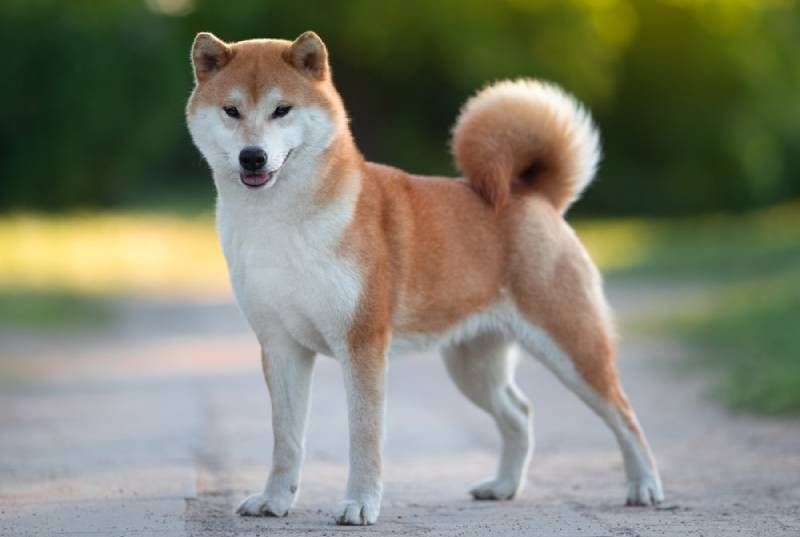
Also known as the web-famous “doge,” the compact and fox-faced Shiba Inu is the smallest of the six Japanese native breeds. Renowned mainly for their plush coats and exuberant personalities, Shibas are people-oriented dogs that love to play, make mischief, and keep you thoroughly entertained at all times.
This fluffy superstar has a strong personality that makes them best for experienced dog owners, but active first-time owners with older kids may find they make a great guardian too! Let’s delve into what makes the zesty Shiba Inu tick down below, including a bit more about their personality and how to best care for them.
Breed Overview
Height:
Weight:
Lifespan:
Colors:
Suitable for:
Temperament:
Shiba Inu are one of six Japanese native breeds, marked by their erect ears, fox-like faces, and distinctly plush double coats. Shibas are the smallest of those six breeds, related to the larger Akita but with the same devout loyalty. Revered in Japan, today, the Shiba is very famous as an Internet meme.
Shiba Inu Characteristics

Shiba Inu Breed Puppies

Shiba Inu are a relatively new breed, but they’ve been extremely popular since they became Internet stars. That means you need to take pains to find a good breeder and avoid shady ones hoping to make a buck off the Shiba’s reputation. The AKC marketplace is a fantastic resource to connect with respectable, accredited breeders who specialize in Shibas. Some other places to look include the National Shiba Club of America and social media groups devoted to the breed.
Shiba Inu Breed Origin & History
The Shiba Inu originated in Japan, as you’ve already learned, around 2,300 years ago. They were bred for small game and ground bird hunting, helping hunters find foxes, rabbits, and wild poultry in the underlying brush of the mountain. They still retain their hunting instincts, but they are best known for their spirited personalities today.

Temperament & Intelligence of the Shiba Inu 🧠
The Shiba Inu has an infectiously enthusiastic personality, happy to play the clown and play with toys alike. The Japanese describe them with three main traits: spirited boldness, good nature, and alertness. Shibas have a proud dignity underneath their goofy, tail-wagging exterior. Some say this makes them seem snobbish among dogs, but the Shiba is typically amicable when raised and socialized properly. They’re people dogs, first and foremost, and the Shiba grows incredibly devoted to their family.
Shibas are fiendishly intelligent when they want to be and can easily run circles around inexperienced or faint-hearted dog owners. Some compare their inquisitiveness to cats, and it’s easy to see why. When they get their mind set on a particular course of action, you either need to trick them into obedience or strap in for the ride.
Shibas are a fiery, brash dog that keeps even seasoned dog owners on their toes, but they’re just so much fun to live with and be around. If you want a big dog in a small dog’s body, you could do much worse than the dynamic Shiba Inu.
Are These Dogs Good for Families? 👪
Yes, Shibas can make great family dogs, but get a little too rambunctious and hot headed for smaller kids, so we’d recommend them for families with older kids and teens. Shibas require stern handling at times and firm boundaries and overall take more work versus dogs that are more easygoing.
Their sprightly, go-go-go energy can slot right into any home as a bold family guardian, as long as you’re willing to keep their behavior in check. Raising your Shiba from puppyhood around kids helps mellow them out and reinforce their place in the family earlier. An adult Shiba Inu would pose more challenges and possibly be more dominant.

Does This Breed Get Along With Other Pets? 🐶 😽
Shibas can be jealous, so it takes a lot of socialization to get them used to other dogs. They usually don’t mesh well with cats and have too strong a prey drive for smaller pets. Ideally, you should raise your Shiba from puppyhood with ample exposure to other animals, people, and sights. This reduces their penchant for suspicion and encourages friendliness.
Still, they tend to do best with other dogs as long as you provide supervision during playtime. Your mileage will vary heavily with cats depending on both the Shiba and the cat’s personalities.
Things to Know When Owning a Shiba Inu
Food & Diet Requirements 🦴
Every dog deserves the highest quality nutrition you can provide, and the Shiba Inu is no exception. They need a complete and balanced dog food with higher protein than other breeds (30% is standard for an adult, while 40% is normal for a puppy kibble). Every kibble formula should have a balance of healthy fats, carbs, and a slew of other essential vitamins/minerals.
Try to look for a kibble with animal-based proteins like lamb, duck, turkey, beef, or chicken. You can also feed these protein-rich meats at mealtime with slightly smaller kibble portions. However, you should check with your vet before offering any “human foods” to your pet and ensure that they’ll be receiving the right amount of calories and nutrition.

Exercise 🐕
Shiba Inus are compact but very energetic dogs, requiring at least an hour of quality exercise every day. You want to engage their creative, curious side with fun games like hide-and-seek, agility courses, or good old-fashioned fetch. Shibas excel at athletic pursuits but don’t naturally take to water very well. Shibas enjoy exploration, so they make great hiking buddies. They might lack the stamina for the most demanding trails, so keep that in mind with your itinerary.
You can make long, boring stretches indoors more exciting for the Shiba by investing in some toys. They grow very attached to their toys, so introduce them slowly and see how they take to them. Interactive toys like snuffle mats make mealtime more engaging for the Shiba’s hyperactive brain, and you can make confinement tolerable with a stuffed Kong full of peanut butter. Shibas aren’t difficult to entertain, but they can be a lot at times, so routine helps keep things manageable.
Training 🎾
Shiba Inus have a fierce independence you must respect while training and oftentimes work around it. They require not only obedience training and leash training but also lots of socialization. Shibas can be possessively territorial when it comes to their toys and home, so it’s best to keep them put away when you want them to behave. Strategically use toys and treats to incentivize training, paying attention to what works and what doesn’t.
Positive reinforcement is your best tool when training a Shiba Inu, and a big bag of treats helps too! Build positive associations early on to build a solid foundation for future training. As a puppy, teach your Shiba their name by calling their name. When they respond, cheer, shower them with praise, and offer a delicious treat. This carries over to housebreaking, too.
Bad behavior should be dealt with by strict ignoring and not punishment—the Shiba is sensitive to harsh words. For example, you should passively ignore your Shiba when they tug on the leash to show it’s not acceptable behavior.

Grooming ✂️
Despite their double coat suggesting they’re high maintenance, the Shiba is a surprisingly clean dog that grooms themselves much like a cat. We recommend brushing them once a week to remove dead hair and twice a week during spring or fall shedding season.
Baths should be infrequent—every 6 weeks is a good rule of thumb unless your Shiba gets visibly dirty sooner. Shiba Inus are known for giving their owners a hard time during bath time, too, since they’re not a water dog by nature.
Health and Conditions 🏥
The Shiba Inu is considered a healthy breed when good breeding practices are used, but still, certain health problems pop up more often than others. Sadly, you can’t 100% preclude these conditions from occurring. The best thing you can do is to stay on top of your Shiba’s health with regular vet checkups.
Male vs. Female
Unlike some other breeds, male Shiba Inus are known to be more playful and social dogs while females are notably more independent-minded. The most striking physical difference is that male Shibas have a wider, bolder head while females have a softer face. Males also tend to be a little heavier and taller than females. For new owners, the male Shiba is known to be easier to train while females can be very headstrong.

3 Little-Known Facts About the Shiba Inu
1. They Are One of Six Native Japanese Breeds
Shiba Inus are one of six classical “Nihon-ken” Japanese dog breeds, along with the Shikoku, Akita, Hokkaido, Kishu, and Kai Ken. These all share common traits like a loyal personality, plush double coat, and fox-like erect ears. These breeds served various roles in Japanese society, from hunting dogs to war dogs.
2. The Iconic “Doge” Meme Is a Shiba Inu
In 2013, a Shiba Inu named Kabosu made Internet history as the now-famous “doge.” The photogenic, goofy dog went on to go viral, spawning countless spinoff memes. These memes inspired two types of “memecoin” cryptocurrencies: the Shiba Inu and the Dogecoin.
3. They Nearly Went Extinct
WWII was catastrophic for native Japanese breeds like the Shiba Inu. Most died in bombing raids on Japan, and many more died of distemper after the war. Thanks to dedicated breeding programs, the Shiba has made a healthy comeback and even made it to Internet stardom.

Final Thoughts
Shiba Inus are a furry, high-spirited ball of sass and curiosity. They’re a fiercely independent dog that does things on their own terms but prefers to be with you! Shibas are loving, fun-filled companions that make spectacular family guardians.
Sources
Featured Image Credit: OlesyaNickolaeva, Shutterstock
Expert dog care, straight to your inbox
News, insights, expert advice, and everything dog.

No spam — unsubscribe anytime.
By signing up, you agree to our Terms & Conditions and Privacy & Cookies Policy.
How useful was this post?
Click a star to rate. You can leave written feedback afterwards. (We read all feedback.)
Codee Chessher is a freelance writer whose motto is: there is nothing a well-worded sentence can't accomplish! He loves to write about pets, travel, DIY, and more. Codee's experience is varied, but the written word has always been his strongest and biggest passion.


