12 Most Reactive Dog Breeds: Vet-Verified Info, Pictures & Safety Tips

In this article
Some dogs might seem aggressive in certain situations, like when another dog or human walks by their homes. However, it could just be that a seemingly aggressive canine is overreacting to a certain stimulus in the situation.
Any breed can be reactive, but some breeds are more prone to the behavior than others. Here are 12 of the most reactive dog breeds that you should know about.

How Are Reactive Dog Breeds Classified?
Reactive dogs are classified as such if they tend to have excessive, overreactive, and abnormal approaches to handling arousal, excitement, or even fear. They have a hard time calming themselves, often to the point that they may not pay attention to their owner’s commands.
Keep in mind that every dog is different, and this list is just a generalization of breeds rather than a discussion of specific dog personalities.
The 12 Most Reactive Dog Breeds
1. Belgian Malinois

Breed Overview
Origin:
Lifespan:
Weight:
The Belgian Malinois is a working dog through and through. They have plenty of energy and are used to staying busy all day. This breed is well-known for working with law enforcement, so they can be well-disciplined and tend to be extremely loyal. If they don’t get enough attention or mental and physical stimulation, though, they are liable to become reactive to any stimulation going on around them.
2. Rottweiler

Breed Overview
Origin:
Lifespan:
Weight:
This gorgeous breed is easily recognizable by their sleek black-and-brown coat and proud personality. The average Rottweiler is hardworking yet playful and loyal yet independent. When left to their own devices, they can be mischievous while attempting to keep themselves entertained and stimulated. They are also known for being reactive to stimuli around them, especially when their owner does not lead with a firm (yet loving and patient) hand.
3. Akita

Breed Overview
Origin:
Lifespan:
Weight:
With an independent attitude and stubborn personality, the Akita can be tough to handle for first-time dog owners. However, for an active person who is experienced with canines, they can make an excellent companion. This breed is not extremely sociable and doesn’t usually get along with other pets that they don’t grow up with. These attributes can lead to signs of reactivity that are challenging to control for the inexperienced.
4. Chihuahua

Breed Overview
Origin:
Lifespan:
Weight:
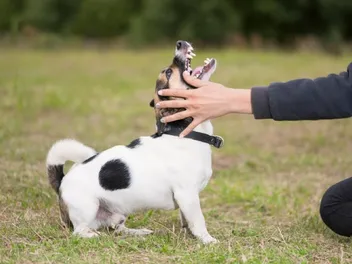
If you're like most people, you've likely come across at least one reactive Chihuahua in your lifetime. This multipurpose breed is the descendant of an ancient Mexican breed and was considered food for humans at one point. Today, Chihuahuas tend to be spoiled house dogs that overreact to many stimulants, especially visitor actions in their home.
5. English Bulldog

Breed Overview
Origin:
Lifespan:
Weight:
The English Bulldog was originally developed for bull baiting, a cruel sport in which the dog would bait a bull by nipping at their neck and legs. Sometimes, this would lead to the bull’s death and excessive aggression in the dog. However, bull baiting is illegal in most of the world today, so this breed is now a popular household pet that can get along well with kids and adults alike. However, they are prone to becoming what’s considered a reactive dog, especially when food or other “belongings” like toys are involved.
6. Border Collie

Breed Overview
Origin:
Lifespan:
Weight:
Smart and spunky, the Border Collie is considered one of the most reactive breeds partly due to their intelligence and instinctual ability to assess and react to situations quickly. Sometimes, however, they can react too quickly and before they really know what’s going on. They do best when well-trained and supervised in social situations.
7. Australian Shepherd

Breed Overview
Origin:
Lifespan:
Weight:
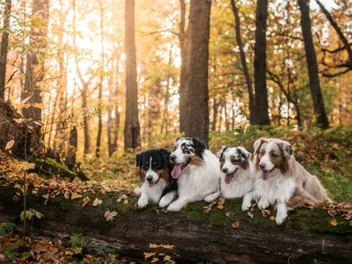
Believed to have been developed from British herding dogs brought to the U.S., the Australian Shepherd had to be alert and react to threats and anomalies swiftly to do their job. This trait is still active even in household Australian Shepherds today. They require plenty of daily exercise and interaction to maintain a balanced temperament.
8. Cane Corso

Breed Overview
Origin:
Lifespan:
Weight:
Historically a war dog, the Cane Corso has become a family companion breed that is strong, smart, and protective. These dogs are highly loyal and will guard their families and properties with their lives. Therefore, when things happen that seem even remotely threatening, they may overreact to the situation. They must be socialized and trained while still puppies and throughout their lives.
9. Boxer

Breed Overview
Origin:
Lifespan:
Weight:
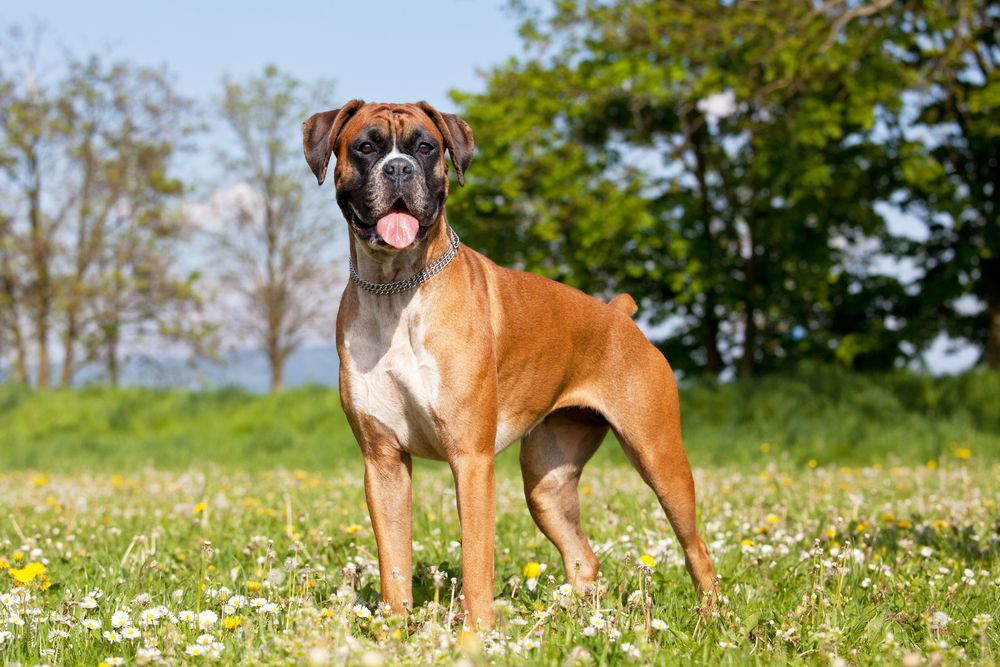
The Boxer is a curious and energetic dog that was bred to work, so they prefer to spend their time staying busy and exploring rather than napping and lazing around. These dogs love spending time with their family members and tend to be extremely patient with children. However, they can be reactive in public settings, especially where there are strangers and other dogs. If left unchecked, the Boxer’s reactivity is known to turn into aggression.
10. Mastiff

Breed Overview
Origin:
Lifespan:
Weight:
The Mastiff is massive yet typically well-mannered and sociable if trained at a young age. Loyal to their family members and friends, this breed is patient and forgiving for the most part. They don’t enjoy participating in any conflict, though they are willing to protect their companions when necessary. Due to their sensitive nature, though, they can react to certain situations negatively, usually out of fear.
11. Shar Pei

Breed Overview
Origin:
Lifespan:
Weight:
With quick wits and plenty of smarts, most people are surprised to see how intensely aware the Shar Pei is of their surroundings even when nothing special or exciting is happening. This protective breed tends to spend most of their time patrolling when spending time at home. While outdoors, they tend to be reactive to the sight of strange dogs, especially those that are running and/or playing.
12. German Shepherd

Breed Overview
Origin:
Lifespan:
Weight:
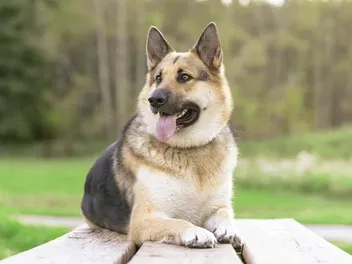
This German breed is multi-talented, as is apparent by their popularity among pet owners, law enforcement officials, and security experts alike. German Shepherds are typically well-rounded, but they are also known for being leash reactive. Being restrained and unable to chase after a squirrel or meet up with a dog across the street can be extremely frustrating for them and cause them to act out.
What Is the Difference Between a Reactive Dog and an Aggressive Dog?
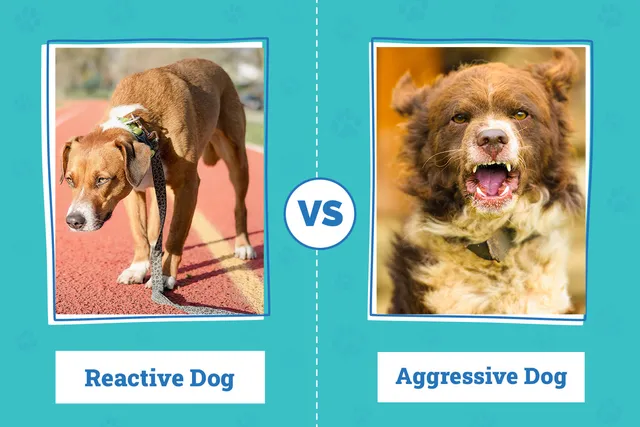
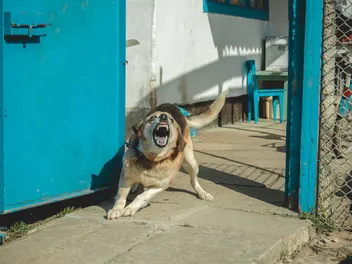
When a dog is aggressive, they are typically threatening and actively trying to initiate conflict. For example, they might lunge at a passerby with their ears back and their teeth showing while barking and growling. Aggression is natural and normal for canines in some cases, and it has many causes, including territory disputes, resource challenges, litter protection, property/companion protection, and even pain experience.
When a dog is reactive, they respond with excessive behavior without the intent of aggression. They typically are not out to cause trouble or harm, but they can't control their behavior because they don't know how to properly respond to a situation, or they just can’t calm themselves. Fear, excitement, and sometimes frustration are common causes of reactivity.
Can Reactivity Turn Into Aggression?
The answer to this question is that it depends on the situation. A reactive dog is already in a heightened state of emotion that they’re not controlling well, so their instincts could kick in and result in aggressive behavior. If the reactivity is fear-based, aggression could develop, as it provides a sense of protection.
For instance, if a dog is scared of strangers and growls when someone comes up to pet them, they could try to bite if their growling is ignored. If this tactic works, they’ll likely skip to the biting when put in the same situation in the future. It’s a good idea to assume that reactive behavior can turn into defensive aggression at any point.

How to Handle a Reactive Dog
Reactivity is undoubtedly stressful for canines. When a dog is reactive, it can lead to aggression, even if they are not aggressive by nature.
Things that you can do to handle a reactive dog include the following:
Conclusion
While we have highlighted reactive breeds here, any dog, no matter their breed or size, can become reactive for various reasons and at any point in their life. So, don’t avoid a shelter dog just because their breed is known for being reactive. If they’re socialized and well-trained, reactivity is much less likely and can be effectively managed if it does develop.
Sources
Featured Image Credit: Lenkadan, Shutterstock
Expert dog care, straight to your inbox
News, insights, expert advice, and everything dog.

No spam — unsubscribe anytime.
By signing up, you agree to our Terms & Conditions and Privacy & Cookies Policy.
How useful was this post?
Click a star to rate. You can leave written feedback afterwards. (We read all feedback.)
Rachael has been a freelance writer since 2000. In this time she has had an opportunity to research and write about many different topics while working to master the art of fusing high-quality content with effective content marketing strategies. She is an artist at heart and loves to read, paint, and make jewelry. As a vegan, Rachael is obsessed with helping animals in need, both in her community and anywhere in the world where she feels she can make a difference. Animals also happen to be her favorite topic to write about! She lives off the grid in Hawaii with her husband, her garden, and her rescue animals including 5 dogs, a cat, a goat, and flock of chickens.