Male vs Female Poodle: The Differences (With Pictures)

In this article
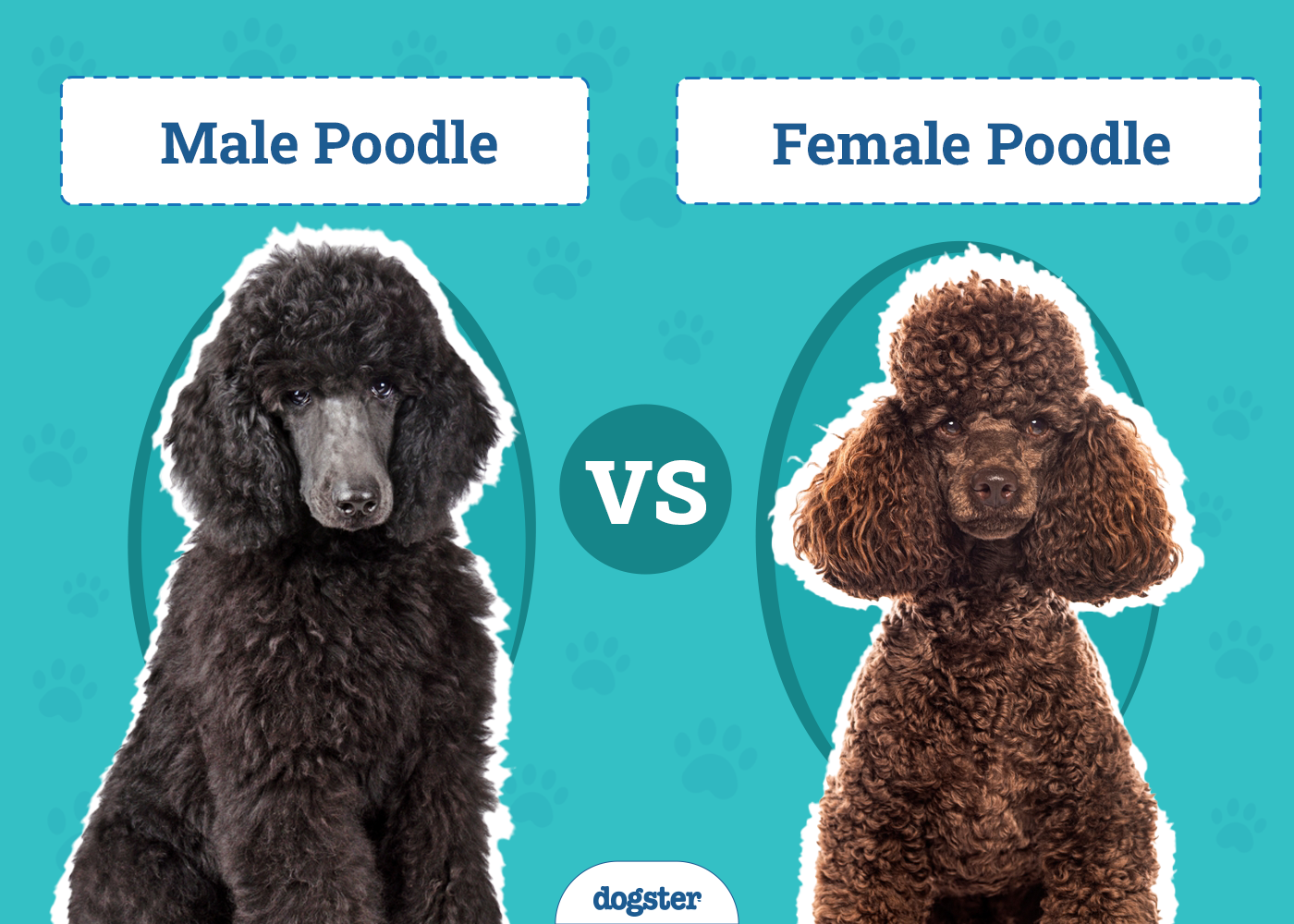
If you have decided a Poodle is the right breed for you and you’ve located a reputable breeder, you will now have to decide which sex is best for you: male or female. If you don’t already have a preference, you may be wondering if there is even a difference between male and female Poodles in terms of overall personality traits and care.
There are so many factors and considerations when choosing a puppy. Here we will take a look at the differences between male and female Poodles so that you can have a better idea as to which would be right for you.

Visual Differences

At a Glance

Standard Poodles 101

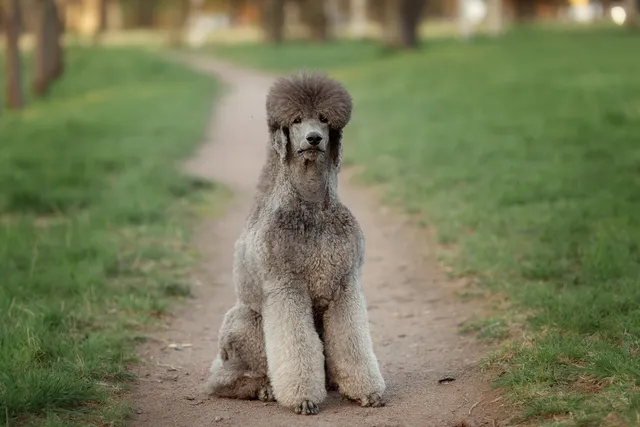
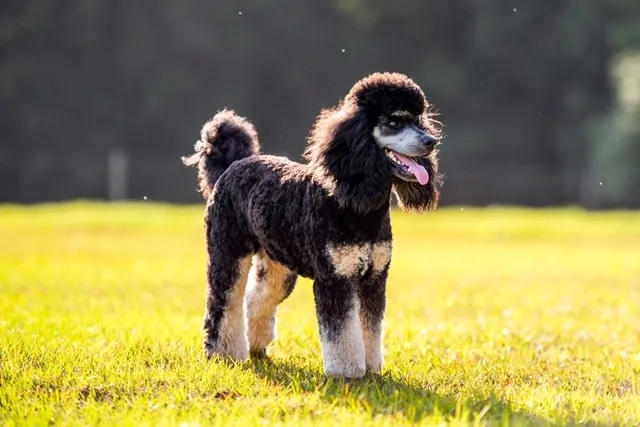
Poodles are a popular breed known for their intelligence, sociability, and athleticism. There has been controversy over their origin, as they are the national breed of France, but it is believed that they actually originated in Germany. They are known as “pudel” in German and “caniche” in French.
Poodles are a long-lived breed with a lifespan of 10 to 18 years. They are medium to large-sized and range from 45 to 70 pounds in weight and 15 to 24 inches in height. It’s no secret they have high-maintenance grooming requirements with their unique coats.
Poodles bond very quickly with their human companions and are known for their intense loyalty. Poodles are water dogs, so you can expect them to have an affinity for it. They will thrive on exercise, activities, and learning new things. This breed rarely acts aggressive and is typically shy around strangers.
With all the energy and stamina they possess, it’s no surprise that they will require daily exercise. They are not as demanding as some other high-energy and intelligent breeds and tend to do well indoors if their exercise needs are met and can make great dogs for apartments or houses with smaller yards.

Male Poodle Overview

Personality
Male Poodles are known for being more dependent on their humans and typically bond with one person in the family rather than the entire group. This does not mean a male Poodle will not love and adore his whole family, he may just favor one particular person. But that’s not always the case.
Male Poodles are often more affectionate than females and tend to be more eager to please. Because of this, they are typically easier to train as well. You may notice that males will seek out more attention and can be a bit more demanding of it than females are.
Unaltered males can develop typical male dog habits such as marking their territory, showing dominance over other males, and humping, especially if they are not well trained. If you do not plan on breeding your male Poodle, it is highly recommended you get him neutered as soon as possible to prevent these unwanted behaviors.
Training 🎾
Poodles are very intelligent dogs and can be very easy to train. You will see a lot of Poodles as service dogs and therapy dogs for this reason. Males can be easier to train since they are typically more eager to please.
As they are highly intelligent and energetic, it is best to be consistent with training and utilize positive reinforcement. You will want to keep training interesting and reward-based as they love to stimulate their brains. Dedicating time to train your Poodle will only grow your bond stronger. This agile and graceful dog will excel in activities such as water sports, agility, tracking, and obedience.

Health & Care
Poodles tend to be a healthier breed with a lengthy lifespan. As with any breed though, some health issues can occur. In Poodles, it is not uncommon to see luxating patellas, hip dysplasia, and several eye disorders, especially in older age.
Caring for male and female Poodles is pretty standard. You will want to ensure they are getting their daily exercise and remain both mentally and physically stimulated. You will either need to be experienced at grooming their coats or have a professional groomer handy.
You will want to be established with a reputable veterinarian for regular health check-ups, dental care, and any issue that may turn up.
Poodles will require high-quality dog food that is age-appropriate. These dogs can expend a lot of energy, especially if you plan on involving them in sports or regular activities. It’s best to discuss the proper diet and nutrition with your veterinarian.

Breeding
Male dogs typically become fertile starting around 6 months of age and will reach full sexual maturity within 12 to 15 months. Healthy unaltered males can remain fertile and continue breeding well into old age. If you are interested in becoming a breeder, having the knowledge and education to do so is very important.
Reputable breeders will know their Poodle’s bloodline extensively. Regular health checks and careful breeding to ensure top-quality dogs are vital to the breed.
If you are looking to get a male Poodle as a pet, it is best to look into neutering as soon as he becomes of age. Neutering can prevent many behavioral and health problems. It is best to discuss the process with your veterinarian and be prepared for the expense. The good news is that males are much less expensive to alter than females.
Pros
- Affectionate and eager to please
- Loyal and loving
Cons
- More prone to stress and anxiety
- Can exhibit unwanted behaviors related to sexual maturity
Female Poodle Overview

Personality
Female Poodles tend to lean more toward the independent side. They do make wonderful companions but are typically not as loving and affectionate as their male counterparts. Don’t expect the female poodle to seek attention in the way that a male does.
Females can keep more of a distance and may not enjoy being touched and snuggled like a male will. Surprisingly, they can be more territorial, protective, and wary of strangers. Unlike males, they tend to share their love and loyalty with the entire family rather than just one person.
Due to their independence, they aren’t nearly as eager to please as male Poodles. You can expect your female to display alpha behaviors and assert their dominance. If there are other dogs in the home, a female Poodle will most likely see herself as the boss and will not be shy about displaying her feelings.
Training 🎾
As mentioned, Poodles in general are extremely intelligent and easy to train. That being said, with females you may find that they are more difficult to train than males. Their independent dispositions, stubbornness, and need for dominance can make them more of a challenge.
You will need to get to know your dog well to figure out a training regiment that works for both you and her. These graceful, athletic dogs will of course respond well to positive reinforcement and consistency. Like the males, females will also thrive in agility, obedience, water sports, and many other activities.

Health & Care
When it comes to health and overall care requirements, males and females have the same requirements. If given the proper care and nutrition, you can expect your Poodle to live anywhere from 10 to 18 years. Females are susceptible to the same genetic health conditions that males are.
A proper diet and daily exercise are essential for your Poodle to thrive. Females have the same grooming needs that males do, though you may want to primp them a bit with feminine accessories as some owners enjoy doing.
Breeding
Female Poodles can experience their first heat cycle as young as 6 months of age. She can become pregnant as soon as she has her first heat cycle but if you plan on breeding, she should be at least 2 years old before she is bred.
Some unaltered females will continue having heat cycles their entire lives, while others will have their heat cycles slow down significantly or even stop as they age. It is highly recommended to never breed a female that is older than 6 years of age.
Producing too many litters can be very detrimental to a female’s health. When a female is retired from breeding, she should be spayed immediately to prevent any accidental pregnancies.
As with males, if you plan on having your female Poodle as a pet only, it is best to get her spayed as soon as she is of age and preferably before the first heat cycle. Spaying a female is great for their health, as older unaltered females can experience mammary tumors, female cancers, and uterine infections. If you are not a reputable breeder, spaying is the best option.
Pros
- Less prone to stress compared to males
- Loyal to the entire family
Cons
- Independent, stubborn, dominant, not as affectionate
- Spaying is more expensive than neutering and a more complicated surgery


Is There a Price Difference Between Male & Female Poodles?
On average a Poodle puppy will cost somewhere between $600 to $2,000 in the United States. Prices will vary depending on the breeder but there is generally no price difference between males and females.
It is important to find a reputable Poodle breeder and avoid any backyard breeders or puppy mills for both ethical reasons and the sake of the breed. Rescuing is a great option to consider as well. You can search your area for a Poodle rescue and can get matched with the perfect dog for you. Rescues typically come fully vetted and at a much lower cost.
Which Sex Is Better with Other Pets?
Male Poodles tend to be more playful, lovable, and trusting. They are more likely to be better at getting along with other dogs and household pets. Because females are more independent and like to assert their dominance, they may be less likely to tolerate other pets.
Regardless of sex, early socialization and training are essential for your dog. This will help ensure they know what is expected of them as your companion and can thrive in your home. Properly and cautiously introducing your dog to other dogs and animals at a young age will help interactions be much more successful.
Which Sex Is Right For You?
Now it is time for you to decide which sex will work best for you. As you now know, male and female Poodles have some pretty significant differences. Keep in mind that each dog is different and when you bring a puppy home, their training and socialization can truly help shape them into the dog they become. Both male and female Poodles have some wonderful traits and in the right environment, can make wonderful pets.
Another interesting read:
Featured Image Credit: Up: rena29, Pixabay; Down: Andretti, Pixabay
Expert dog care, straight to your inbox
News, insights, expert advice, and everything dog.

No spam — unsubscribe anytime.
By signing up, you agree to our Terms & Conditions and Privacy & Cookies Policy.
How useful was this post?
Click a star to rate. You can leave written feedback afterwards. (We read all feedback.)
Ollie is a zoologist turned freelance animal writer living in South Australia with his partner Alex and their mini zoo consisting of their eldest, a rescue dog named Pepper, many aquatic creatures, and their cat Steve. Ollie has a Master's degree in wildlife biology but became a freelance animal writer in 2020 and hasn't looked back. He loves sharing what he has learned with pet parents around the planet.