How to Get a Therapy Dog: 4 Steps to Follow

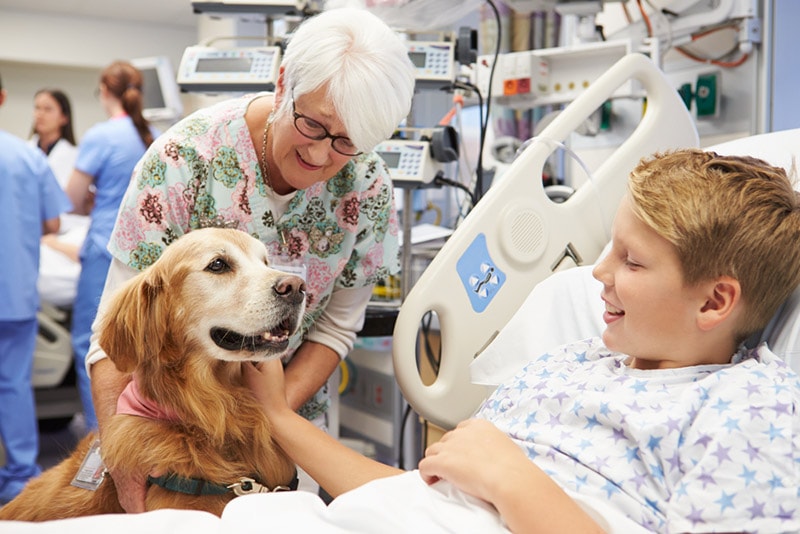
Owning a therapy dog is a richly rewarding experience. Adopting is always satisfying, but sharing a pet’s love with others in need of comfort can have even more profound effects on you, your dog, and those struggling with dire circumstances.
Getting a therapy dog is straightforward, but proper care is crucial at every step of the process. As countless individuals stand to benefit from your dog’s care and affection, an educated and thorough approach could have far-reaching consequences. Ensure the best possible experience with your pet by following these four steps to get a therapy dog.

How Does Getting a Therapy Dog Work?
Adopting a dog with a mild temperament and easy-going attitude around others is the most critical aspect of getting a therapy dog. Depending on their background, they will need varying levels of obedience training to prepare for the public. Once you feel your dog is ready to interact with others, you can apply to a therapy dog organization near you and begin scheduling visits.
The 4 Steps to Get a Therapy Dog
1. Adopt an Appropriate Dog

You can get dogs to follow directions and respond in specific ways, but you can’t train temperament. As the most crucial trait of a therapy dog, an inclination toward friendliness and restraint is essential from the beginning. The dog should be approachable, displaying an openness to engagement and touching from other people. Edginess and aloofness aren’t immediately disqualifying, but they’ll create an uphill training battle.
While you can buy from a breeder, many successful therapy dogs come from shelters. Adoption is an inexpensive and fulfilling way to acquire a dog. You’ll feel good about helping a dog find a home, taking pressure off the shelter, and giving another needy animal a space to stay by creating the vacancy.
In general, puppies are easier to train, but plenty of older dogs with the proper skill set make perfect fits. Should you adopt a puppy, you'll likely need to wait before they can begin visitations. Most organizations that work with therapy dogs need them to be at least 1 year old. If you’re interested in adopting a therapy dog, talk to your vet to learn about local options.
2. Train Your Dog

Socializing your dog at a young age is crucial in developing them into a successful therapy dog, as is training. They don’t need the same specialized abilities as service and emotional support animals, but therapy dogs still need skills and behavior development before getting to work. Temperament is critical from the beginning, but you will often need to teach tolerance to certain stimuli.
Therapy dogs operate in stressful situations. They may go from busy hospitals with constant, rapid foot traffic to special needs classrooms where they must sit patiently and obediently for long periods to help children focus. Disturbances are common. Your dog must be able to stay non-reactive and connected if someone mishandles them, makes a loud noise, or acts forcefully.
You can train your therapy dog yourself, but seeking guidance or training from experts will generally offer the quickest and most dependable results. Maintaining obedience and a calm disposition under stress is challenging for any dog. Getting them to stay safe and positive often takes a professional touch.
What Kind of Training Does a Therapy Dog Need?
There’s no specific credential needed for your dog to work as a therapy dog, but certification with a national or local therapy dog organization will require that they pass an aptitude test.
Therapy dogs need to understand basic commands and follow their handler’s lead. They should be comfortable with different kinds of contact, including rough handling, crowding, unexpected movements, and working around unfamiliar people and places. Aggression, barking, growling, and aloofness are not appropriate behaviors.
The American Kennel Club’s Canine Good Citizen is a decent gauge of a dog’s readiness for life as a therapy dog. Many organizations use it as a prerequisite for their classes and testing.
The CGC outlines 10 essential skills for a therapy dog:
The handler will also undergo testing. You’ll need to show that you know how to manage your dog, respect the facility's rules, and maintain an acceptable appearance for you and your dog.
3. Sign Up With a Therapy Pet Organization
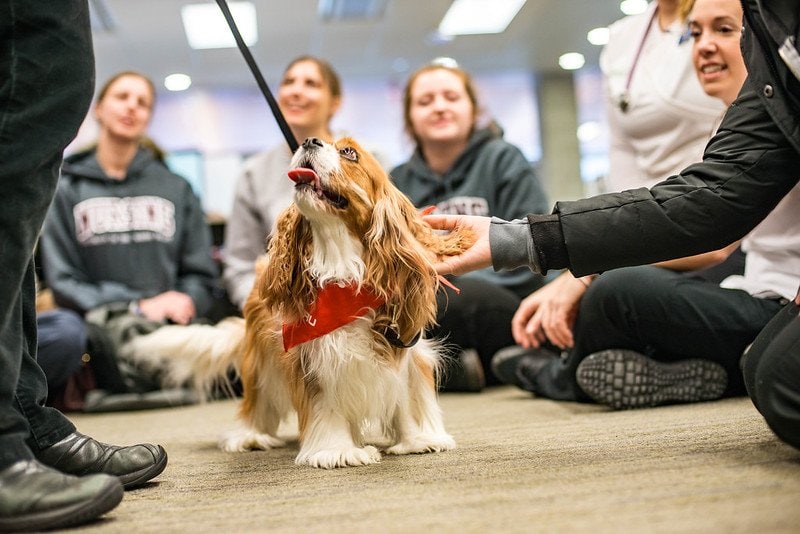
Several therapy dog organizations offer certification and membership. They’re generally the first place you need to go to get your team started on visitations. For certification, you’ll need to visit a local testing site with a qualified evaluator.
Although therapy dog groups all have similar standards, each certification is unique. If you have a local organization where you wish to volunteer, ask them about which certifications they want to see.
Some of the most popular organizations include:
Therapy dog organizations aren’t only necessary for getting your foot in the door with a volunteer opportunity. They also offer valuable perks to help you and those receiving therapy get the most from the experience. You’ll often enjoy liability insurance for your team, training and resources, and invitations to social events when you join.
4. Maintain Certifications and Qualifications
Once you sign on with a therapy dog organization like ATD, you can set up visitations with schools, nursing homes, and countless other establishments. An evaluator may shadow you on the first few visits, and then you’re free to work at your leisure. However, therapy dogs need more than a one-time certification if you want them to work long-term.
Most certifications need annual renewal. Organizations must ensure that you and your dog can still provide safe and effective care. No matter the recertification schedule, staying on top of vet visits and vaccinations is equally critical. Poor grooming, disease, and parasites can be hazardous, especially around at-risk individuals in hospitals and nursing homes.


Are Therapy Dogs the Same as Service Dogs?
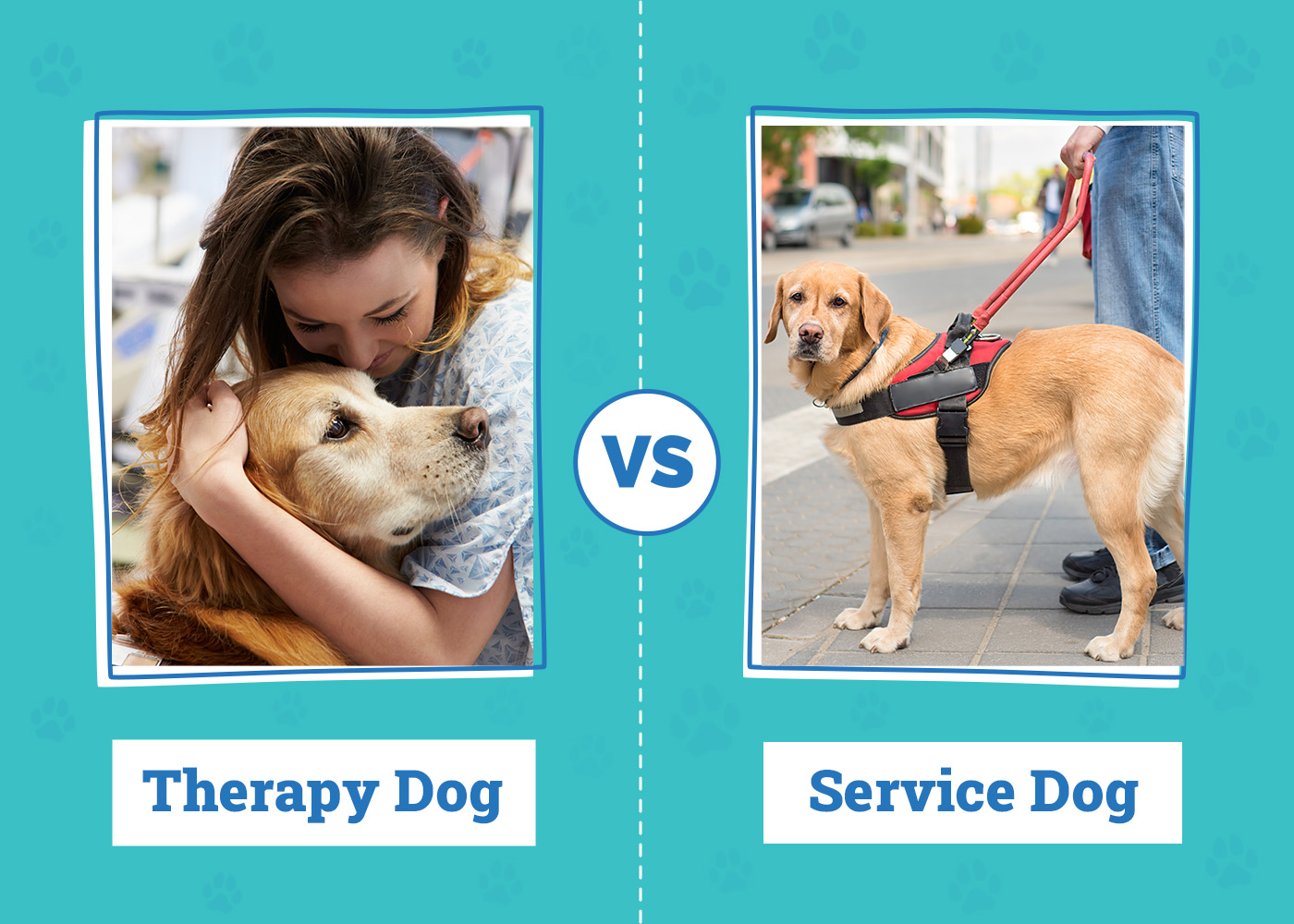
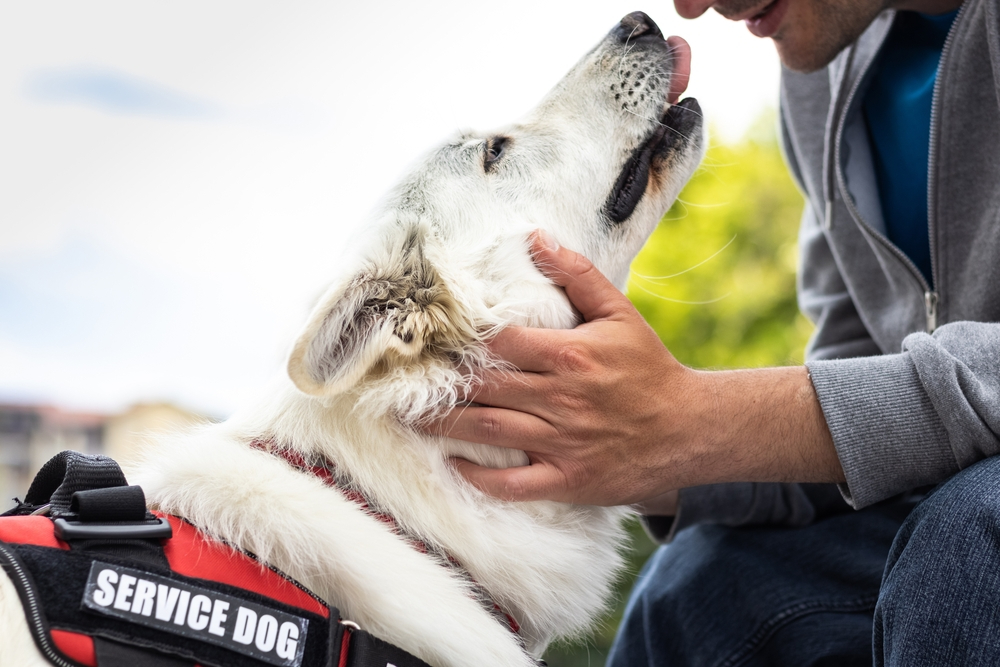
Therapy dogs are not the same as service dogs. While service dogs fill functional gaps for disabled people, therapy dogs give support, companionship, and comfort to several people in different places. They do not enjoy the same privileges as service dogs.
Since they don’t make a meaningful difference in their owner’s ability to operate, therapy dogs cannot immediately go into restaurants, airplanes, and other areas that normal members of the public can enter. Any special access is at the institution’s discretion. It is unethical to pass a therapy dog off as a service dog to receive special consideration.

What Dog Breeds Can Be Therapy Dogs?
Any dog can be a therapy dog, but some of the most successful ones come from breeds with naturally calm demeanors, such as:
- Golden Retrievers
- Labrador Retrievers
- Poodles
- Beagles
- Corgis
- Dachshunds
- Yorkshire Terriers
- German Shepherds
- Saint Bernards
Alongside a gentle demeanor, therapy dogs should have some physical traits that make them easier to manage. Hypoallergenic animals, like a Poodle or Maltese, are welcome in clean facilities. Shedding can ignite allergies and create a cleanup for others. Ideally, dogs will be small enough to sit on or with people or large enough to rest their heads on laps and be reachable from elevated positions for petting and handling.

Does It Cost Anything to Get a Therapy Dog?
There are several costs to consider when getting a therapy dog. Of course, the typical investments for any pet include the initial sale, vet visits, pet food and supplies, and other ongoing expenses for care. Further costs for therapy dogs include training sessions and certifications.
Training a therapy dog costs about, on average, $100–$150 per 1-hour class. Unfortunately, there’s no telling how long it will take for your dog to be ready for certification. It all depends on your work at home, the dog's background, and their receptivity to training. Once your dog is eligible, the final testing and registration costs usually range from $20 to $100. Re-certification every 1–3 years will often run another $10–$50.
Final Thoughts
Getting a therapy dog is a journey, but the destination offers a world of fulfillment for everyone involved. Whether you have a pet now or wish to adopt a therapy dog, animal welfare and training groups can help you make the process as simple as possible. Contact local institutions and therapy dog organizations to learn how you and your therapy dog can start making a difference in your community.
Sources
Featured Image Credit: Africa Studio, Shutterstock
Expert dog care, straight to your inbox
Vet-reviewed advice, training tips, and the best of Dogster. Free, and you can unsubscribe anytime.
By signing up, you agree to our Terms & Conditions and Privacy & Cookies Policy.
Nicole has loved animals of all sizes her whole life so it's no wonder she has dedicated her career to helping them through what she loves best: learning, writing, and sharing knowledge with others. She’s the proud mom of two dogs, a cat, and a human. With a degree in Education and 15+ years of writing experience, Nicole wants to help pet parents and pets around the planet to live happy, safe, and healthy lives.
Join the conversation
Ask a question, share your story, or send private feedback.