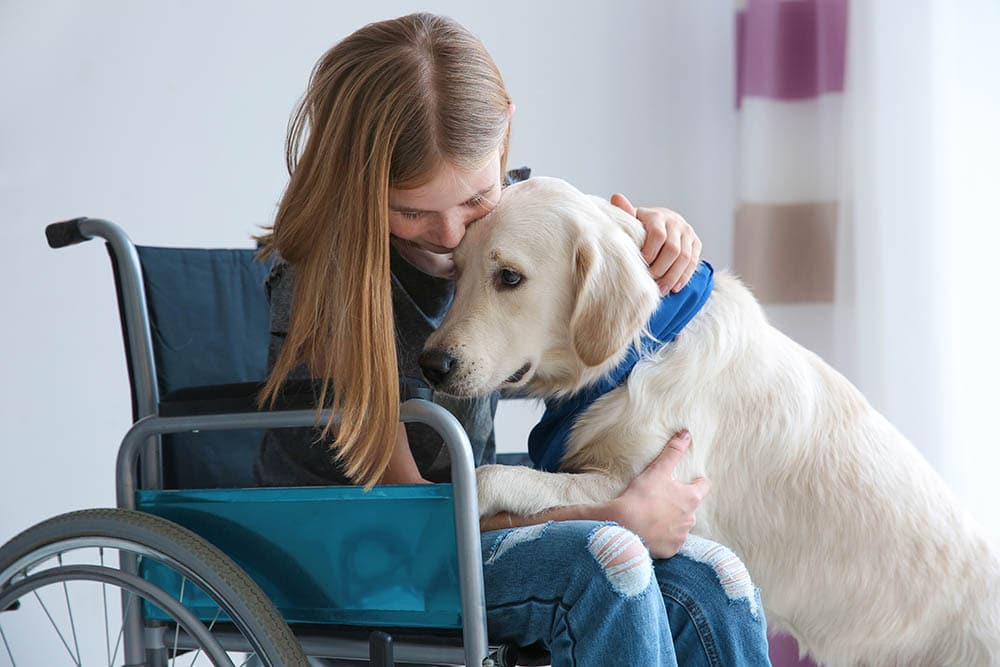
How to Get an Emotional Support Dog in 5 Simple Steps


Dogs often help in many ways without their owners realizing it. Research shows that many individuals living with mental health conditions benefit from living with pets.1
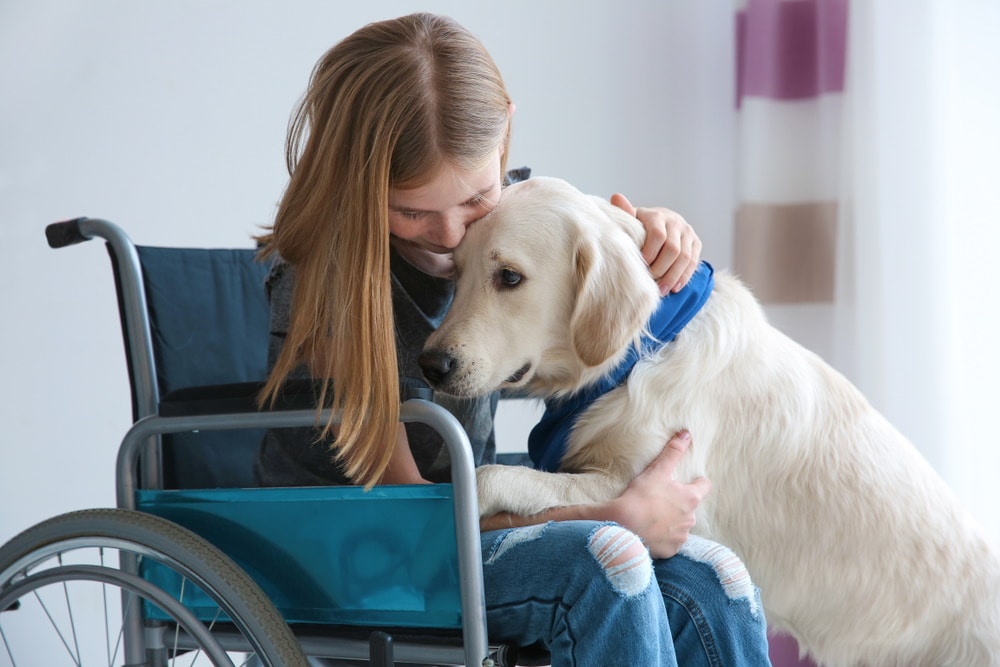
Emotional support dogs mainly help their owners cope with living with significantly debilitating mental or emotional disabilities.
If you believe you’d benefit from having an emotional support animal (ESA), there are some specific steps that you have to take to bring home an ESA. Here’s a breakdown of what you’ll need to do if you want to get an emotional support dog.

Before You Start
ESAs are specifically for individuals living with mental or emotional disabilities that cause a seriously negative impact on their daily living. Many people who have ESAs have a diagnosis of a mental health condition from the Diagnostic and Statistical Manual of Mental Disorders (DSM-5).
To properly advocate for the rights and validity of ESAs, it’s essential that only people who truly need an ESA receive valid ESA letters. Unfortunately, some people may try to obtain an ESA for convenience purposes, such as traveling with their pets or not paying pet fees and deposits to landlords and HOAs.
Therefore, make sure that you or your loved ones have valid reasons for living with an ESA. Many people who have ESAs live with depression, anxiety, or PTSD. Children on the autism spectrum may also benefit from living with an ESA.

The 5 Steps to Get an Emotional Support Dog:
1. Determine What Kind of Support Dog You Need

There are several different kinds of dogs that provide various levels of assistance to people. So, it’s important to know which kind would be most helpful for your situation.
The main kinds of dogs that help people are service dogs, therapy dogs, and emotional support dogs.
Service Dog
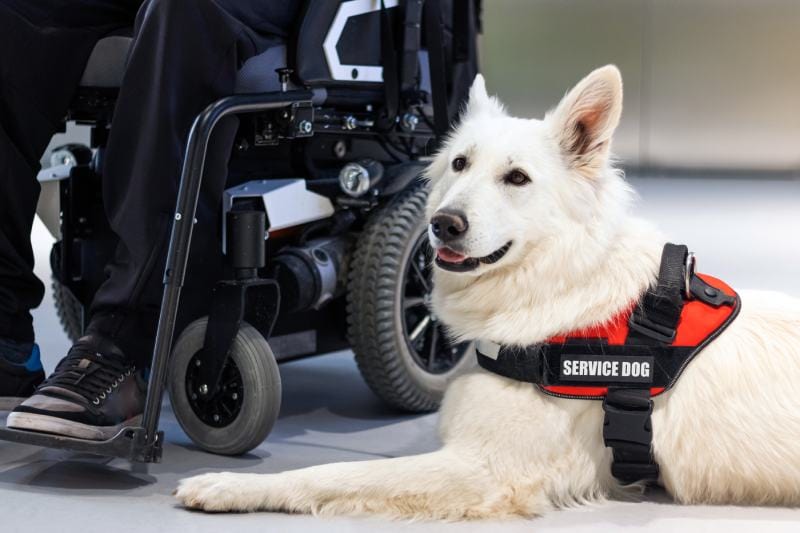
In short, service dogs help people living with disabilities live a more independent life. The Americans with Disabilities Act (ADA) specifies service dogs as “dogs that are individually trained to do work or perform tasks for people with disabilities.” 2
One of the key differences between service dogs and emotional support dogs is that service dogs need to receive training to help their handlers with specific tasks. Some work that service dogs can receive training for is guiding people who are blind, reminding people to take their medication, and calming people experiencing anxiety attacks.
It’s important to note that service dogs are classified as working animals, not pets. Therefore, they can enter public spaces and venues, and the handler doesn’t have to provide medical documentation or any of the dog’s training certificates to vendors.
Service dogs don’t need to go through a specific training program. However, they do have to go through training to meet certain service dog requirements, such as being well-behaved at all times and the ability to successfully assist their handler.
Therapy Dog
Therapy dogs are volunteer dogs that visit different places to improve people’s lives. You can find therapy dogs working with children learning social skills and visiting sick patients in hospitals.
Therapy dogs differ from emotional support dogs because they require training and certification from a reputable therapy dog organization. They often have to pass the American Kennel Club’s Canine Good Citizen test before or during enrollment into a therapy dog training program.
Emotional Support Dog
While service animals aren’t pets, emotional support dogs are often treated as pets. They don’t need a certification like therapy dogs do, but they do require an ESA letter.
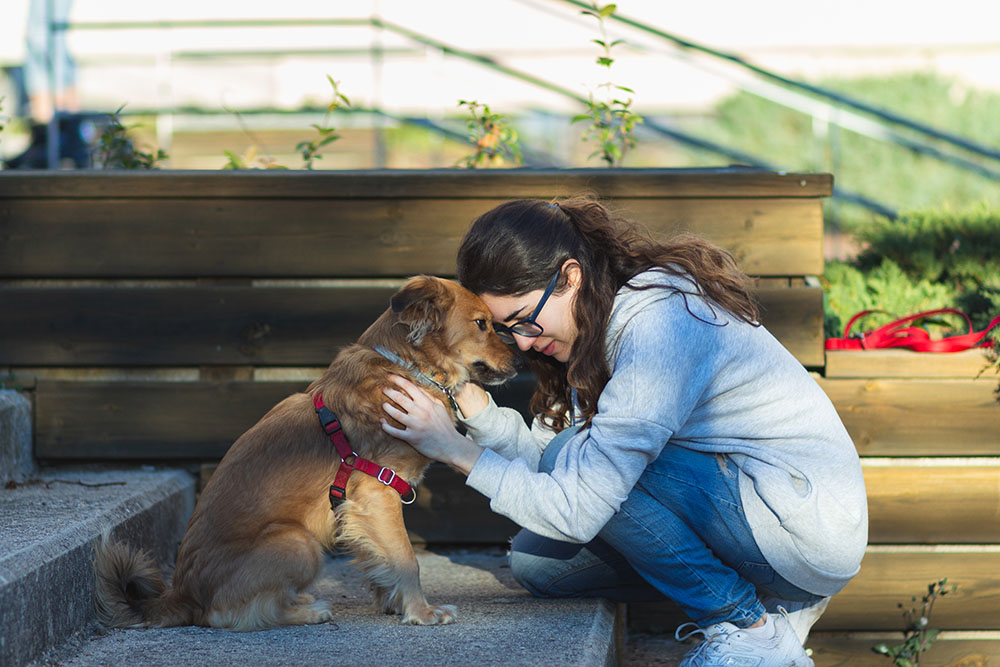
While training and certifications are assigned to specific service dogs and therapy dogs, any dog can become an emotional support dog. As long as a person has an ESA letter, any dog living in the home can be the emotional support dog.
2. Meet with a Licensed Mental Health Professional

Once you’ve done your research and have determined that an emotional support dog is the appropriate type of support dog for your situation, the next step is to schedule an appointment with a licensed mental health professional.
A licensed mental health professional is the only one who can provide a legitimate ESA letter. So, make sure to schedule an appointment with one of these specific professionals:
- Licensed primary care physician or general physician
- Licensed therapist
- Licensed clinical social worker
- Psychologist
- Psychiatrist
On the day of your appointment, the licensed mental health professional will conduct an evaluation to determine if you would benefit from living with an ESA. Be prepared to share any information related to your mental health, such as any diagnoses and treatments you’ve received.
3. Receive an Emotional Support Animal Letter
If the evaluation deems that an ESA would be a good fit for your mental health treatment regimen, the licensed mental health professional will issue an ESA letter. You can expect to obtain an electronic copy within the next several days. A paper copy can be sent, but the amount of time it’ll take to reach you will depend on your postal service.
4. Do Your Research On Dog Breeds

If you aren’t already living with a dog, you can start searching for dogs to adopt or bring home. While any dog breed can be an emotional support dog, certain breeds may be more well-suited for the job.
Many dog breeds were originally bred to assist with certain tasks. This is why you have dogs categorized in groups such as the Herding Group and Working Group. The majority of dog breeds in the Toy Group end up being emotional support dogs because many have been bred specifically for companionship.
Here are some notable dog breeds that tend to become great emotional support dogs:
- Beagle
- Chihuahua
- Corgi
- Cavalier King Charles Spaniel
- Golden Retriever
- Labrador Retriever
- Pomeranian
- Poodle
- Pug
- Yorkshire Terrier
When looking for an emotional support dog, make sure to look for dog breeds that fit your living situation and lifestyle. You don’t want to bring home an active dog if you don’t have time to provide an ample amount of exercise and playtime. Some dogs shed more than others, so if you live with people with significant pet allergies, you’ll want to look for low-shedding dogs.
It’s also important to remember that not all dogs will have the typical temperaments of their breed. At the end of the day, certain dogs will have unique personality traits that will make them suitable emotional support dogs.
Therefore, it’s worth looking to adopt dogs from animal shelters. In fact, there are several organizations, such as the Animal Farm Foundation, that specifically work with rescue dogs to help them become service dogs that can provide emotional support to their handlers.
5. Enroll in Your Dog in Emotional Support Dog Training Classes (Optional)

Emotional support dogs don’t need training, but some organizations provide optional courses that help both you and your dog build and strengthen your relationship. Some of these organizations also have trained emotional support dogs that are ready to adopt.
Just keep in mind that there isn’t a set standard or regulations on what constitutes a well-trained emotional support dog. So, make sure to review the specific training that the emotional support dog receives, and see if it matches your needs.

Final Thoughts
Emotional support dogs can be wonderful companions that greatly improve the quality of life of people living with debilitating mental and emotional conditions. If you think you or a loved one may benefit from living with an emotional support dog, you can start by scheduling an appointment with a licensed mental health professional.
Meeting with these professionals is a great place to start, and they can provide additional information on how ESAs and pets can be beneficial additions to mental health treatment plans.
Related Reads:
Featured Image Credit: Eric Ward, Unsplash
Expert dog care, straight to your inbox
Vet-reviewed advice, training tips, and the best of Dogster. Free, and you can unsubscribe anytime.
By signing up, you agree to our Terms & Conditions and Privacy & Cookies Policy.
Jessica is a freelance writer who spends bigger part of her day researching and writing while her furry companion Cavapoo, Nora, snoozes beside her. She loves dogs, pets and animals because there’s so much to learn from them, and they do so much for us. As a dog mom, she understands the strong connection that pet parents have with their pets. So, she loves sharing helpful information that pet owners can use to better understand their beloved pets. When she isn't writing, you may find her walking dogs, tending to her plants, or drinking her nth cup of coffee.
Join the conversation
Ask a question, share your story, or send private feedback.