What Is the Best Therapy Animal? Types, Benefits & More

In this article
Most loving pet owners will often go the distance for their pet’s needs—feeding them, bathing them, and giving them a nice and comfortable home, sometimes even spoiling them more than that. In return, most (if not all) pets make us feel good and happy with their love and affection. These very feelings of companionship and joy that animals give us is why many people benefit from having therapy animals!
With all the animals that can be trained and serve as therapy animals, which one is the best? By far the most common, dogs are considered the best therapy animals due to their natural affinity toward people. However, it is important to understand that not everyone is the same, and sometimes dogs may not be the best choice for certain individuals.
Luckily, there are a variety of other animals that make great therapy pets! Read on to find out which ones.

What Is a Therapy Animal?
Therapy animals, or therapy pets, are animals that offer some kind of support to individuals in need. They typically undergo training to assist individuals recovering from various physical, emotional, or cognitive disorders.
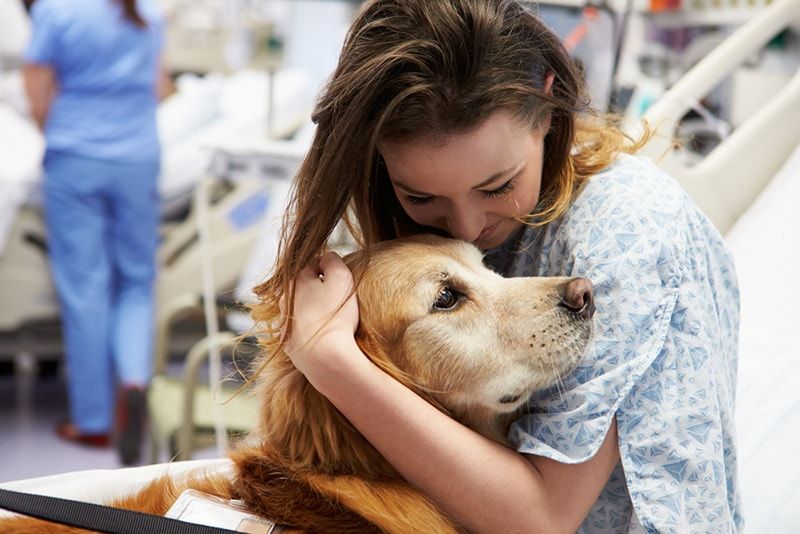
This healing companionship is based on the human-animal bond that people share with these animals. Therapy pets can visit hospitals, nursing homes, rehabilitation facilities, and even schools to offer support and comfort to individuals in need.
While most therapy pets are dogs, other animals—cats, rabbits, birds, and even horses—can be used as therapy animals, provided that they are well-trained, have good and sociable temperaments, and, most importantly, are friendly!
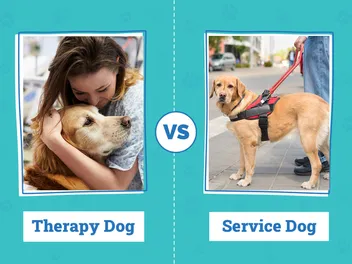
Therapy Animals vs. Service Animals
Therapy animals and service animals are often mistaken for one another. While therapy animals can be registered as service animals, they do not perform all the same tasks as service animals. Service animals are animals or pets that are trained to perform certain assistance tasks for people with disabilities, such as serving as seeing-eye dogs for blind or visually impaired individuals.
On the other hand, therapy animals live with their owners and are regular pets. Therapy animals undergo training that involves basic commands, but not as extensive and complex as for service animals assisting disabled persons. They visit people at various facilities to provide comfort and support, but do not necessarily belong to the patients they are helping.
Despite the differences between therapy animals and service animals, both are extremely beneficial to individuals who need them!

Dogs: The Most Popular Therapy Animal
As the classic animal companion to humans, dogs are the most common and often considered the best therapy animal on account of their natural affinity to humans. They are friendly, affectionate, full of personality, and generally easy to train. They are also intelligent and eager to please their owners, making it easy for people to enjoy their company.
Dogs are also able to connect with people on an emotional level. They can sense when someone is feeling sad, anxious, stressed, and sick and will provide support through companionship and physical contact!
Dogs are also easy to bring to facilities as therapy dogs because of their size and obedience. Almost any dog can become therapy dogs, as long as they have the proper temperament and know basic commands, but some breeds are preferred for their size, temperament, and trainability. Common breeds for therapy dogs include:
Who Are Therapy Dogs Suited For?
Dogs are the most popular therapy animals and can benefit a wide range of individuals. With their playfulness, emotional connection, and unique personalities, they can easily provide emotional support for individuals with mental health challenges. This includes people experiencing anxiety, depression, and post-traumatic disorder.
They can also provide an emotional connection and intimate companionship for older adults experiencing loneliness. Aside from older adults, they can also help children with developmental disorders to develop their social skills.
Dogs are also easy to bring indoors into facilities. With their indoor training and proper socialization, they make great therapy animals for patients recovering from illness and physical disabilities in facilities like hospitals and rehabilitation centers.

When Are Dogs Not the Best Choice for Therapy Animals?
With all the points that make dogs the most popular choice for therapy animals, there are times when dogs may not be the best option. Some individuals may have severe allergies to dogs, even with breeds considered to be hypoallergenic. As no breed of dog is considered truly hypoallergenic, it may be best for people sensitive to allergies to stay away from dogs entirely.
Another situation in which dogs may not be the best choice is for individuals with fear or anxiety around dogs. People with fear or negative experiences with dogs may be uncomfortable or anxious around them, which defeats the purpose of having a therapy animal in the first place.
What Are Other Popular Therapy Animals?
While dogs are the most popular animals used as therapy pets, they may not be the best for everyone, as mentioned above. Aside from dogs, there are other animals that make excellent therapy animals, such as cats, rabbits, guinea pigs, birds, and even horses!
Cats, just like dogs, are easy to bring into a variety of facilities because of their size. Cats have a calming presence and can provide comfort and support for individuals with a preference for quieter or less energetic companions. Rabbits and guinea pigs are also quiet animals that are easy to transport from one facility to another. They are small and gentle and can make wonderful therapy animals, especially for children or the elderly.
Unconventional therapy animals, such as birds, can also provide a sense of companionship and a calming presence. Horses are less subtle and cannot be brought into indoor facilities but are often reported to be highly therapeutic. Horses are able to mimic human emotions, which is known to be beneficial for people dealing with mental, emotional, and psychological difficulties.
As you can see, there are many therapy animals available. While a particular animal may be suitable and preferred by some individuals, they may not be the best for others. The best therapy animal will always depend on the individual’s needs, preferences, and circumstances!

Benefits of Pet Therapy
Therapy animals can provide a variety of benefits for individuals undergoing healing and recovery. Regardless of the kind of therapy animal present, all of them can impact a patient’s physical, mental, psychological, emotional, and overall well-being in a positive way.
Benefits of pet therapy include:
Different Types of Pet Therapy
There are three types of pet therapy, with each type requiring a different set of skills. Animals used for a certain type of pet therapy will have to undergo training for the basic skills and commands to be able to serve as therapy animals.
1. Therapeutic Visitation
Therapeutic visitation is the most common type of therapy. Pet owners take their own pets to visit centers and facilities to provide comfort and support for patients confined. While interacting with a pet in a hospital or health center can be enough to increase an individual’s morale to get better, many patients also use this as motivation to return home to their own pets waiting for them!

2. Animal-Assisted Therapy
Animal-assisted therapy involves pets that are used to assist different types of rehabilitation programs that patients can undergo during recovery, such as physical therapy, occupational therapy, and even speech therapy. This increases motivation for patients to participate and recover by using animals as part of their rehabilitation sessions.
3. Facility Therapy
Facility therapy is a more complex type of pet therapy, as these pets often live at the center. They are trained to monitor and interact with patients with mental illnesses, often protecting and looking out for them while in the facility.
Final Thoughts
Dogs are considered the classic human companion because of their natural affinity toward humans. Because of this, they are the most popular and often considered the best therapy animal. They are intelligent, affectionate, loving, and have the ability to connect with people on an emotional level.
While dogs are considered the best therapy animal, there are other animals that make excellent therapy animals as well. Regardless of the animal, the most important thing to consider when choosing a therapy pet is the individual’s preferences, needs, and circumstances to properly facilitate recovery and to provide comfort and support!
Related Read:
Featured Image Credit: Monkey Business Images, Shutterstock
Expert dog care, straight to your inbox
News, insights, expert advice, and everything dog.

No spam — unsubscribe anytime.
By signing up, you agree to our Terms & Conditions and Privacy & Cookies Policy.
How useful was this post?
Click a star to rate. You can leave written feedback afterwards. (We read all feedback.)
Nicole has loved animals of all sizes her whole life so it's no wonder she has dedicated her career to helping them through what she loves best: learning, writing, and sharing knowledge with others. She’s the proud mom of two dogs, a cat, and a human. With a degree in Education and 15+ years of writing experience, Nicole wants to help pet parents and pets around the planet to live happy, safe, and healthy lives.