10 Best Therapy Dog Breeds (With Info & Pictures)

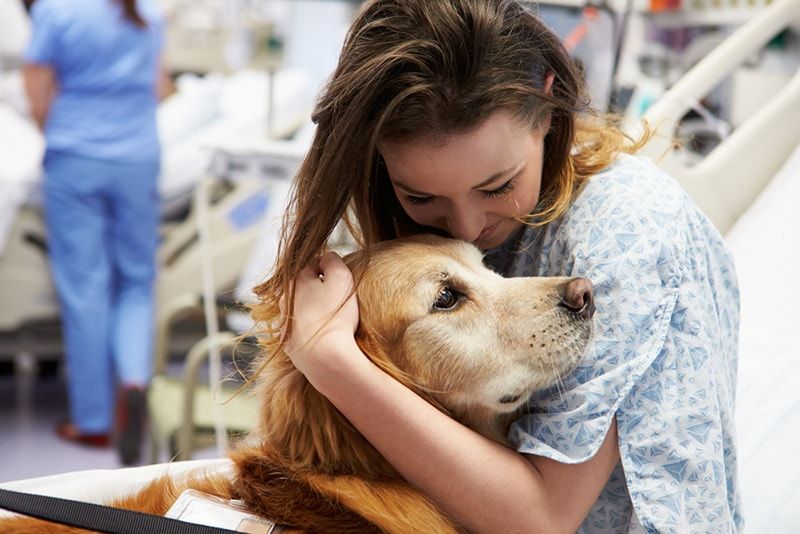
They don’t call dogs “man’s best friend” for nothing. There’s an undeniable connection between dogs and humans, which is why we’ve used dogs for everything from working a farm to police work to assisting people with disabilities.
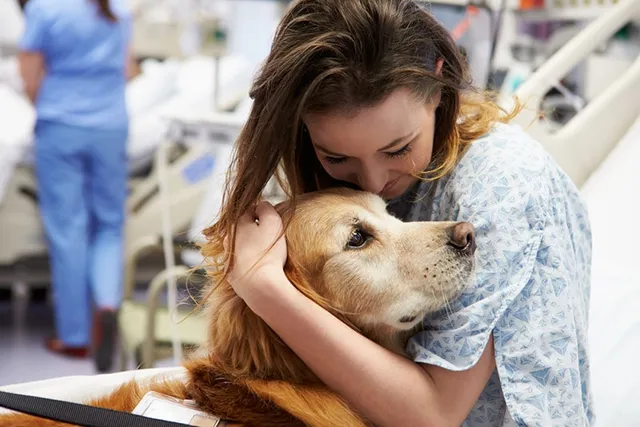
Dogs also excel as therapy dogs, visiting people in hospitals, schools, long-term care facilities, and similar environments to spark joy and offer love and affection. While all dogs can be loyal companions, some dogs are better suited to therapy work than others.
There are no restrictions on therapy dog breeds, but it is important that these dogs are friendly, enjoy being touched and hugged, and show enthusiasm without being too excitable. Here are the 10 best therapy dog breeds and why they excel at this work.

The 10 Best Therapy Dog Breeds
1. Labrador Retriever

Breed Overview
Height:
Weight:
Temperament:
Labrador Retrievers are a breed favorite for many reasons. They are friendly, happy dogs and work well in both canine jobs and as family pets. Labradors like to spend time with people and show affection easily, but they are also easy to train to be calm and relaxed when needed—perfect for a therapy environment.
In addition to therapy dogs, Labradors make excellent service, guide, and medical alert dogs.
2. Golden Retriever

Breed Overview
Height:
Weight:
Temperament:
The Golden Retriever has a lot of the same traits as the Labrador. They’re outgoing, affectionate, and popular as companion animals. During training, Golden Retrievers are eager to please and focused, so they can learn to be calm but approachable in therapy settings, especially for young children.
3. Poodle

Breed Overview
Height:
Weight:
Temperament:
Poodles are one of the most intelligent dog breeds. They’re easy to train and affectionate, plus you can choose between standard, toy, or miniature sizes as needed. Poodles are also considered hypoallergenic for their low shedding, which can be helpful in environments with sick people.
4. Newfoundland

Breed Overview
Height:
Weight:
Temperament:
The “gentle giant” Newfoundland can be intimidating in size, but they’re friendly and outgoing dogs that show incredible patience and gentleness with young children. Though Newfies aren’t quite as easy to train as a Lab, they can be a good choice for someone with training experience to shape into a well-mannered therapy dog.
5. Border Collie

Breed Overview
Height:
Weight:
Temperament:
The Border Collie is one of the smartest and most-trainable dog breeds. They excel in canine sports and work environments, but their happy-go-lucky personalities are ideal for therapy work. Border Collies were developed to herd, however, so they’re not the best choice for therapy settings that involve children.
6. Cavalier King Charles Spaniel

Breed Overview
Height:
Weight:
Temperament:
Many therapy dogs are larger breeds, but small breeds can be just as useful. The Cavalier King Charles Spaniel is a great option for kids and adults alike. These dogs are easy to train, sweet, and playful, making them a good choice to provide comfort to people in hospital and care settings.
7. Yorkshire Terriers

Breed Overview
Height:
Weight:
Temperament:
Yorkshire Terriers are another small dog that’s great for therapy work. They get along well with children and adults, have a lot of energy, and enjoy love and affection. These dogs are quite sensitive, however, so they may become anxious if they’re around nervous people.
8. Welsh Corgis

Breed Overview
Height:
Weight:
Temperament:
Both Cardigan and Pembroke Welsh Corgis are highly intelligent herding dogs that are easy to train. With proper socialization, they can be friendly and affectionate toward children and adults. However, these dogs are working dogs and sensitive, so it is important to evaluate their personality and suitability for therapy work.
9. Papillon

Breed Overview
Height:
Weight:
Temperament:
The Papillon is named after the French word for "butterfly", which refers to the shape of their ears. They're also social butterflies and love meeting new people, so therapy work can be fun enrichment for them. With the right training, Papillons are good at tricks, which are always fun for kids and adults during therapy visits.
10. Beagle

Breed Overview
Height:
Weight:
Temperament:
Beagles are one of the friendliest breeds. They love getting love and attention from new people. They’re especially suited for therapy with children due to their playful, gentle, and forgiving nature. Beagles can be stubborn, however, proper training is key to a successful Beagle therapy dog.
Can Any Dog Be a Therapy Dog?
Yes! Any dog can be a therapy dog, even mixed breeds. The dogs on this list are well suited for therapy because of their natural breed traits, but they’re not the exclusive breeds used for therapy work. Dogs of any size and breed can do therapy work if they have the right training and temperament.
What’s the Difference Between a Therapy, Service, and Emotional Support Dog?
Therapy, service, and emotional support dogs are often used interchangeably, but these are distinct jobs that dogs can perform. Service dogs are extensively trained to help people with disabilities, such as seeing-eye guide dogs or mobility-assistance dogs. These dogs have special protections under the Americans with Disabilities Act, which aren’t afforded to therapy or emotional support dogs.
Emotional support dogs—or emotional support animals—can be any breed or species that provide comfort to their owners as companions. Some doctors prescribe patients emotional support animals, but they don’t require special certifications or training. In some cases, emotional support animals may have special privileges with housing under the Fair Housing Act, such as waived fees or breed restrictions.
Therapy dogs are used to bring comfort to those in specific environments, such as sick children in a hospital or elderly people in nursing homes. Interacting with a dog helps these people get joy out of their day and relieves stress. Therapy dogs are certified through the American Kennel Club (AKC) Canine Good Citizen test, which tests manners and obedience.
In some cases, therapy dogs may be used in animal-assisted therapy, which is done with the guidance of a therapist to help patients feel more comfortable and open.


Final Thoughts
Therapy dogs are used to comfort people who are ill or lonely. The breeds on this list have a lot of the traits that make them ideal for therapy work, but that’s not to say that different breeds can’t bring joy as well. The key traits of a therapy dog are friendliness, manners, and obedience to provide companionship to others.
See also:
Sources
Featured Image Credit: Monkey Business Images, Shutterstock
Expert dog care, straight to your inbox
News, insights, expert advice, and everything dog.

No spam — unsubscribe anytime.
By signing up, you agree to our Terms & Conditions and Privacy & Cookies Policy.
How useful was this post?
Click a star to rate. You can leave written feedback afterwards. (We read all feedback.)
Nicole has loved animals of all sizes her whole life so it's no wonder she has dedicated her career to helping them through what she loves best: learning, writing, and sharing knowledge with others. She’s the proud mom of two dogs, a cat, and a human. With a degree in Education and 15+ years of writing experience, Nicole wants to help pet parents and pets around the planet to live happy, safe, and healthy lives.