How to Know If Your Dog Is Ready to Be Off-Leash: Vet-Approved Guide


In this article
Taking your dog off-leash for hands-free outdoor adventures is a huge accomplishment for any dog owner, but how can you be sure your dog can handle the freedom? Solid recall and good off-leash behaviors are essential for your dog’s safety and the security of those around you.
Unlike basic obedience commands, where minor mistakes might happen without much issue, one failed recall can have dire consequences. If you’re at that critical point where you feel you can finally cut the cord and let your dog decide where to go, we’ll discuss how you can be sure your dog is ready to be off-leash.

How to Know If Your Dog Is Ready to Be Off-Leash
Dogs should only go off-leash when they are well-behaved and come when called. You must know your dog’s tendencies and whether they are desensitized to exciting stimuli. They may go off-leash in some places and stay on their leash in others.
If you aren’t sure you can grab your dog’s attention and recall them regardless of environmental factors and distractions, keep training on a leash, or ensure you are training them in secure grounds if not on the leash. Alongside recall and attention training, socialization will determine whether your dog should be allowed off-leash.
Have they had enough positive experiences with other dogs to make them faultlessly friendly? Are they well-mannered with strangers? Do they know how to resist jumping on people or check in with you when meeting someone new? Proper socialization will give your dog the confident, calm demeanor needed to earn off-leash time.
When Not to Take Your Dog Off-Leash
Anyone taking their dog off-leash in an area where they could get lost, hurt themselves, or interact with people or animals must be confident in their temperament, recall, reactive thresholds, and triggers.
Good socialization and consistent training are vital to ensure your dog is comfortable and relaxed around various exciting stimuli. By rewarding calmness and making positive associations with triggers, they’ll learn to behave in public settings.
In general, you should test situations with a leash before letting your dog off it so you’ll know you can control them around any competing motivator. Even if your dog leaves squirrels, birds, and other dogs alone at the park, for instance, they may give chase when they see a cyclist go by. You should know how your dog will react to anything they could come across.
Testing If Your Dog Is Ready to Be Off-Leash
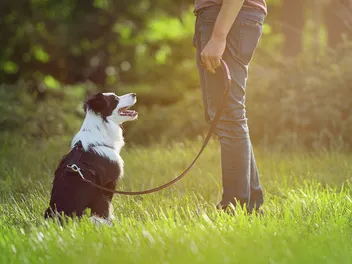
You can run a trial with a long leash when you’re on the cusp of taking your dog off-leash. Put your dog on a leash 30 feet or longer, ideally in a back clip harness. With this setup, you can let the leash drag on the ground, giving your dog some freedom while allowing you to grab the lead if they take off. The harness ensures they won’t get hurt if the lead stops them at a full sprint.

What Breeds Can Be Off-Leash?
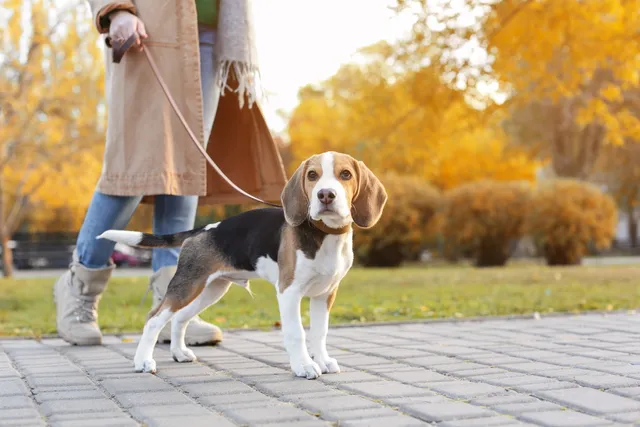
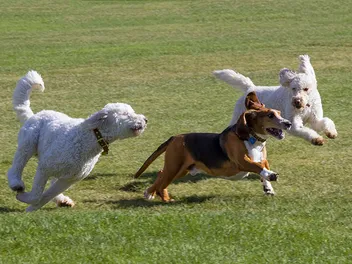
While dogs of any breed can develop a quality recall with proper training, some are more reactive and self-driven. With a strong prey drive and less of a handler focus, sighthounds like greyhounds, whippets, and basenji and scent hounds like bloodhounds and beagles generally have more trouble being reliable with recall and should stay on a leash in unsecured outdoor areas.
Other independently minded dogs like terriers and spitz-type dogs can be stubborn and similarly unwilling in many situations. Other working dogs, however, were bred to work closely with handlers and follow their direction.
Many farm dogs or gundogs, like Border collies, Australian shepherds, spaniels and Labrador retrievers, are bright and eager to please. With consistent training, they quickly establish a sound recall.

The 6 Tips to Get Your Dog to Be Reliable Off-Leash
Consistent socialization from a young age, obedience training that works consistently on a concrete recall, and positive reinforcement are the foundations of good off-leash behaviors. The following are a few tips to remember as you train your dog to help them be more dependable.
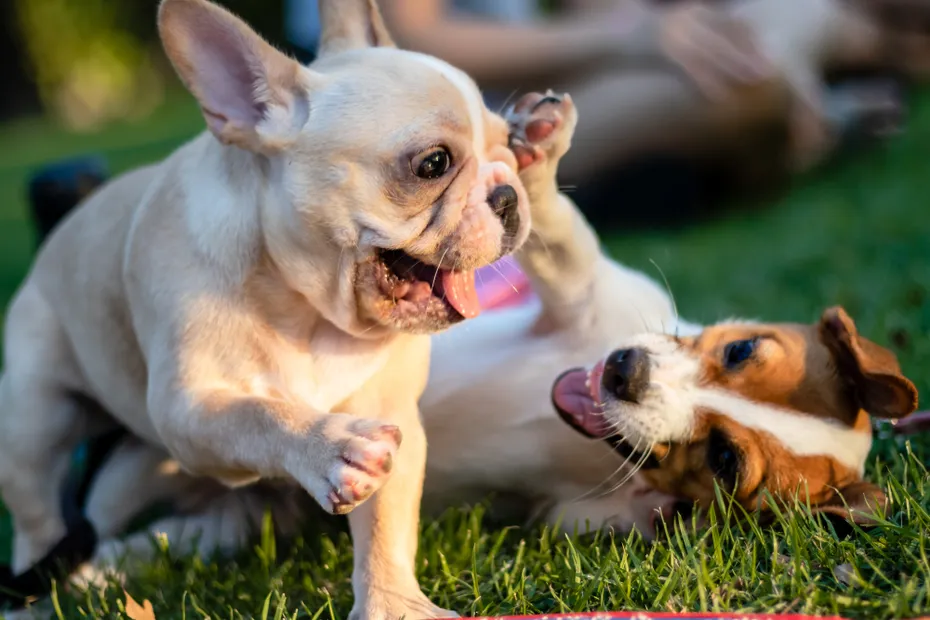
1. Train Your Dog to Respond to Their Name and Perform Check-Ins
Before working on recall, ensure your dog gives you attention when you call their name. It’s vital to foster a positive association with your dog’s name. Give them treats when they focus on you after hearing their name, being careful to avoid using it in an angry voice or during a correction.
While on a leash or in a public area, work on check-ins. Encourage your dog to focus on you by marking the behavior when they look you in the eye and rewarding them. You don’t need to give a command but only make the act of referencing you a natural habit.
Showing your dog that your presence is rewarding will make them want to stay close and watch you for guidance in unfamiliar situations.
2. Keep High-Value Treats
Have high-value rewards available whenever you take your dog to an area where they can be off-leash. At some point, you may have to issue a recall to keep your dog or others out of harm’s way, and you should give them a handsome reward for their return.
Having the treats handy and being able to show them to your dog will help them make better decisions and overcome powerful urges to engage with stimuli that draw their attention.
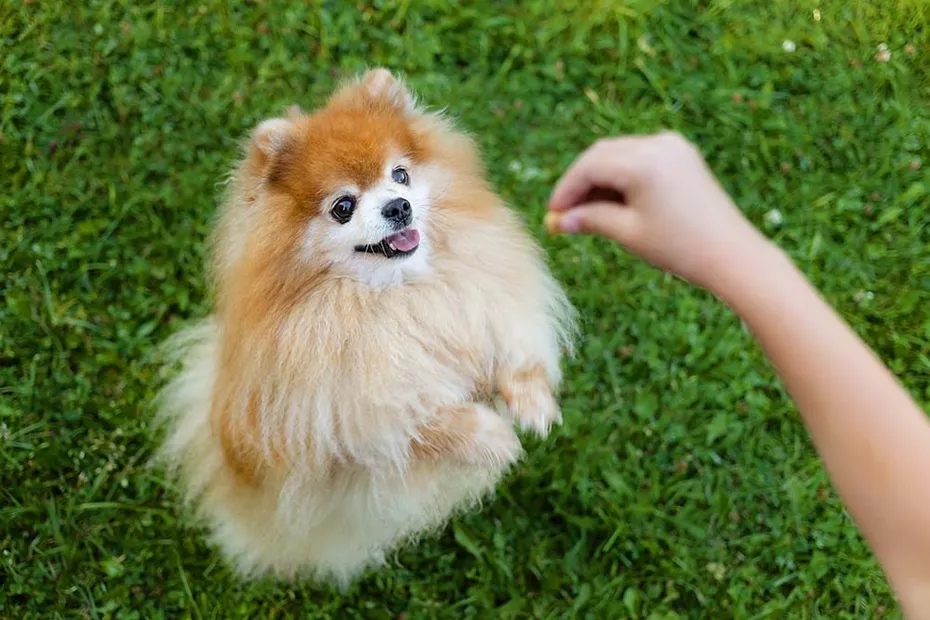
3. Don’t Poison Your Recall Cue
Returning to you must be a positive, rewarding experience for your dog whenever you use your recall. Although many owners may know this, they still inadvertently damage their cue by not recognizing what their dogs find rewarding. Poisoning the recall cue is common when your dog is having fun, like in the yard or at the dog park.
You may use your recall to bring your dog back and take them home, connecting the recall to the end of the fun. Even if you give them the best treats possible when they return, they may soon learn your recall means playtime is over and become less likely to heed it in the future. Recall becomes more situational and less powerful, making your dog unreliable off-leash.
4. Train an Emergency Recall
As a failsafe for your standard recall, training an emergency recall will ensure your dog always returns. The emergency cue is a unique word you don’t commonly use and will only pull out in dire situations, and it always comes with an incredible reward.
Give your dog their absolute favorite snack, like chicken, or steak, or shower them with treats, teaching your dog that amazing things will always happen in those sparing moments when you say it.
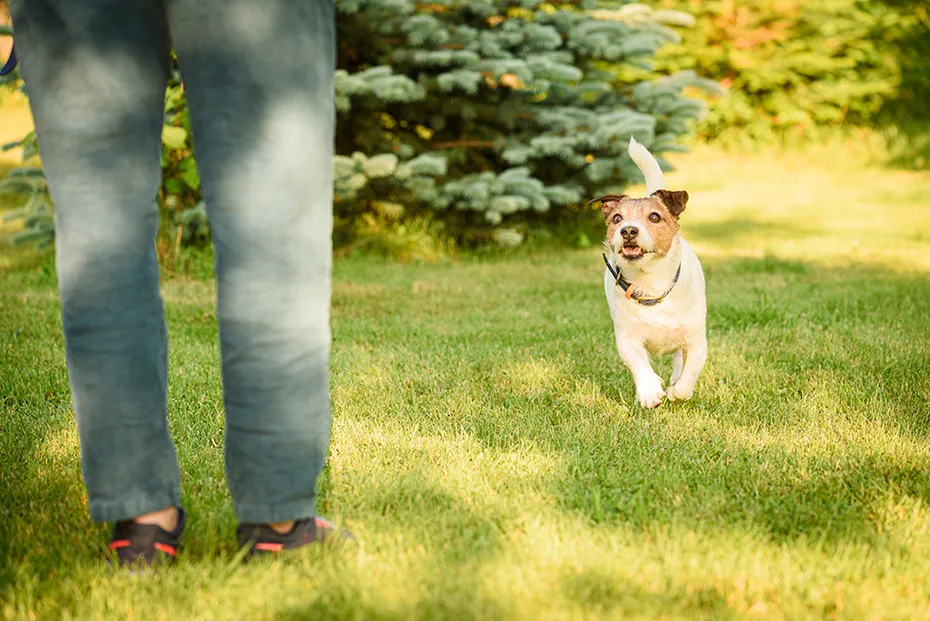
5. Focus on Impulse Control
If your dog stays calm and patient, they’ll have more success off-leash in stimulating environments. You can work on impulse control whenever possible and build obedience skills like sit, stay, down, heel, leave it, and place daily.
You can teach proper greetings by encouraging sitting rather than jumping on people. You can also develop your dog’s restraint by having them wait calmly for various rewards, like leaving their crate or going for a walk, until you release them.
Apply the Premack Principle, allowing more probable behaviors to reinforce less probable behaviors. For example, your dog is highly likely to run out of the backdoor to play fetch and unlikely to sit patiently, so asking your dog to sit and wait for a few seconds before rewarding them with a game of fetch, will link the behavior you desire from your dog (sit and wait) with the fun game that your dog desires.
Making impulse control part of the routine and practicing it around people and pets will help reduce the risk of reactivity when your dog isn’t on a leash.
6. Know When to Put Your Dog on a Leash
Even the most well-trained dogs must be on a leash in certain places. Leash laws for city streets apply to everyone, and many national and state parks, beaches, and commercial properties will only allow dogs on a leash.
Don’t be afraid to put your dog on a leash in unfamiliar areas or around animals you don't know. Even if our dogs are polite and non-threatening, we can’t assume every other creature will be friendly or disease-free. You don’t want your dog to run up to an aggressive or sick pet or sniff around a bush that might be hiding a rattlesnake. Part of taking your dog off-leash means being responsible for those around you, requiring your constant awareness of potential threats.
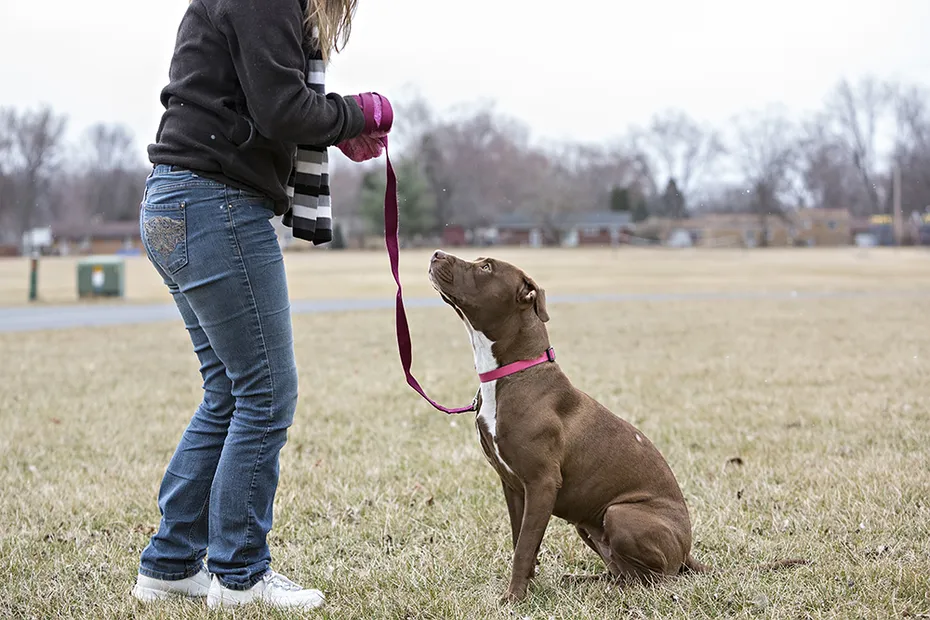
Final Thoughts
Developing the dependability that earns your dog off leash time will take time and numerous experiences with different places, people, and pets. Don’t rush the process or feel bad about keeping your dog on a leash when you aren’t 100% certain everything will be fine. A leash isn’t a barrier to fun. With a focus on safety, you’ll make every outing a positive experience for you, your dog, and those around you.
Sources
Featured Image Credit: dezy, Shutterstock
Expert dog care, straight to your inbox
News, insights, expert advice, and everything dog.

No spam — unsubscribe anytime.
By signing up, you agree to our Terms & Conditions and Privacy & Cookies Policy.
How useful was this post?
Click a star to rate. You can leave written feedback afterwards. (We read all feedback.)
Nicole has loved animals of all sizes her whole life so it's no wonder she has dedicated her career to helping them through what she loves best: learning, writing, and sharing knowledge with others. She’s the proud mom of two dogs, a cat, and a human. With a degree in Education and 15+ years of writing experience, Nicole wants to help pet parents and pets around the planet to live happy, safe, and healthy lives.