21 Dog Breeds Who Love Cold Weather & Snow: Info & Pictures


In this article
View 2 More +Some dog breeds absolutely love the snow and cold weather, while others may refuse to go outside when the temperature drops! For the most part, it depends on where each dog was developed. In colder regions, dogs were bred to endure the cold, often growing very thick coats. In warmer areas, dogs had shorter coats.
If you live somewhere frigid, you may want to consider getting a dog breed bred for colder weather. Doggy jackets can only go so far, after all!

How Are Dog Breeds Who Love Cold Weather Classified?
We can’t exactly ask a dog whether or not they like the cold weather. However, we can look at a dog’s physical traits to determine if they’re built for cold weather or not.
Practically all cold-weather dog breeds have a double coat, for instance. This coat features a water-repellant outer layer and an insulating inner layer. Together, these two lays work like a human’s winter coat might, keeping the dog dry and warm.
Some breeds even have a higher metabolic rate, which means that they generate more heat internally. These dogs may not look like their coat is very thick, but that’s because they don’t need it to be. However, these dogs do need to eat more to keep up with their resting metabolic rate.
Many breeds have webbed paws that help them distribute their weight evenly on the snow, preventing sinking. Their paws work a bit like snowshoes.
The 21 Dog Breeds Who Love Cold Weather & Snow
1. Siberian Husky

Breed Overview
Origin:
Lifespan:
Height:
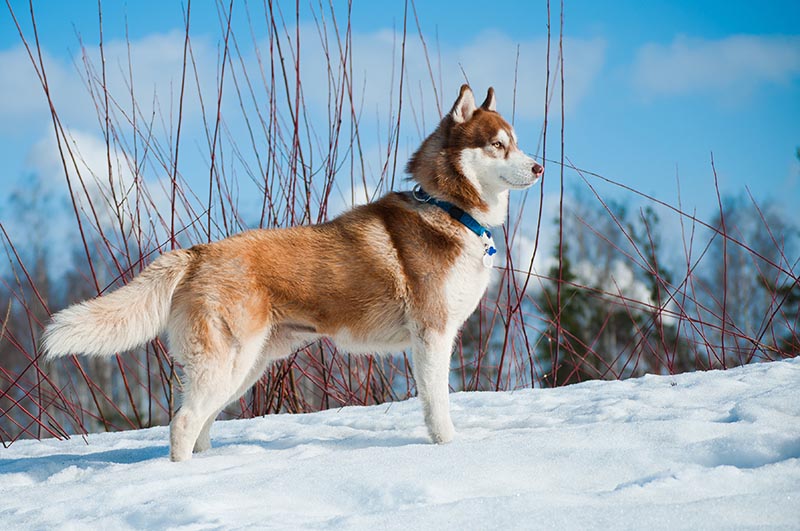
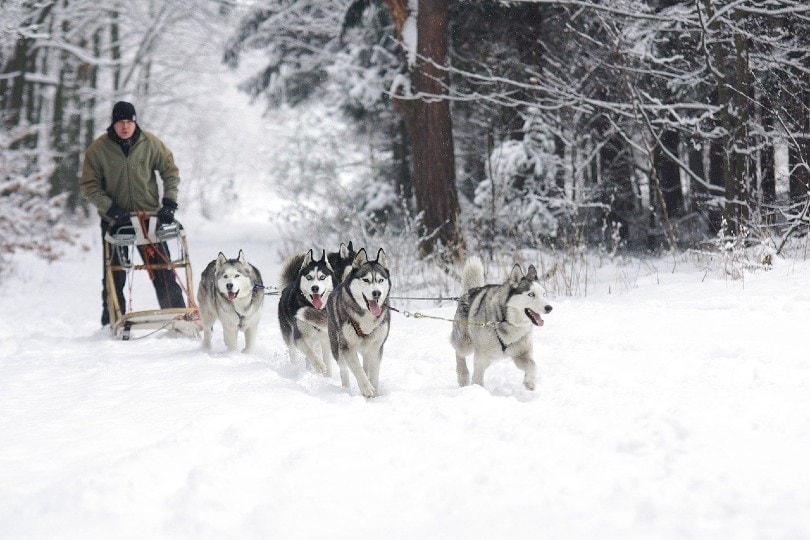
Siberian Huskies are well-known for their sled-pulling abilities. They were bred to pull sleds across frozen landscapes. To help them survive in the colder weather, they have very thick double coats that keep them warm. They’re also very energetic and most love playing in the snow.
2. Alaskan Malamute

Breed Overview
Origin:
Lifespan:
Height:
Alaskan Malamutes are very similar to Siberian Huskies, but they are a bit larger. They were also bred for pulling sleds, but they often pulled heavier payloads. Think of them more as the tanks of the dog sled world.
As you might expect, these dogs have a very thick double coat that keeps them warm. They also have a lot of stamina and tend to be rather healthy.
3. Saint Bernards

Breed Overview
Origin:
Lifespan:
Height:
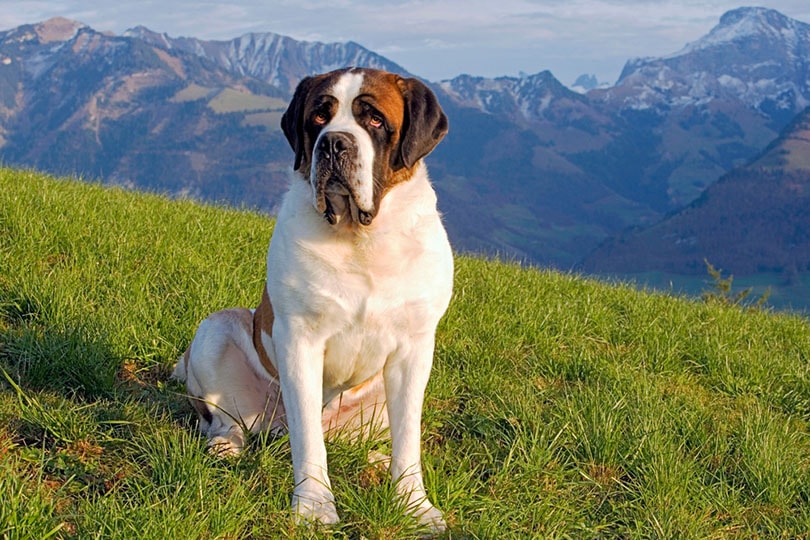
Saint Bernards were originally bred for mountain rescue. Therefore, they had to be large and powerful with thick coats. Otherwise, they would have never survived to save anyone! They’re one of the few breeds that can handle frigid temperatures.
4. Finnish Lapphund

Breed Overview
Origin:
Lifespan:
Height:
These dogs aren’t nearly as well-known as the previous three on our list. Finnish Lapphunds are from Finland, as you might have guessed, where they were bred as herding dogs. Because Finland is rather cold, these dogs were bred to handle colder temperatures. They have pretty thick, double coats that help them stay warm.
5. Norwegian Elkhound

Breed Overview
Origin:
Lifespan:
Height:
Norwegian Elkhounds are another northern breed, this time from Norway. They were originally bred to hunt elk and other large game, developing a thick, double coat that lets them stay outside for hours in the cold. They’re very energetic dogs and tend to be on the independent side, too.
6. American Eskimo Dog

Breed Overview
Origin:
Lifespan:
Height:
American Eskimo dogs are one of the few smaller breeds on this list. Despite their smaller size, these playful dogs have a very thick coat that protects them from cold weather. They’re also very intelligent and trainable, making them suitable companions for many.
7. Tibetan Mastiff

Breed Overview
Origin:
Lifespan:
Height:
These giant dogs are from the Himalayas, which gets very cold. They were originally bred to protect livestock from predators, which is why they are so large. Their double coats protect them from colder temperatures, and their larger size prevents heat loss.
However, they can be very intimidating as companion dogs, especially if not well-socialized.
8. Bernese Mountain Dog

Breed Overview
Origin:
Lifespan:
Height:
Bernese Mountain Dogs are from the Swiss Alps, where they originally worked on farms. They did all sorts of jobs, including protecting livestock. They’re large and strong, able to figure many things out on their own.
This breed may not be as fluffy as some others, but they still have a thick double coat that protects them in colder weather.
9. Samoyed

Breed Overview
Origin:
Lifespan:
Height:
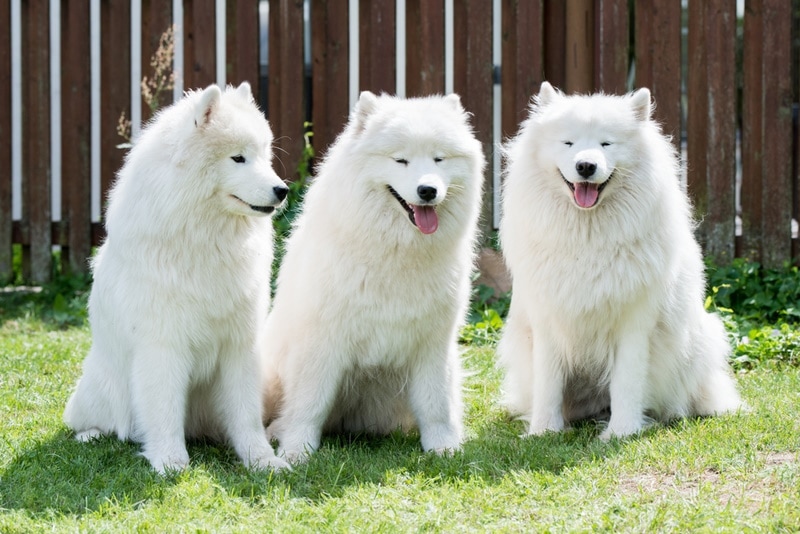
The Samoyed is also known as the “smiling dog” due to their upturned lips. However, these upturned lips actually prevented their drool from freezing into icicles. That’s just one way these dogs were bred for colder climates, too. They have thick, white double coats that help keep them warm.
Plus, their stark, white coloration helps them blend into the snow.
10. Great Pyrenees

Breed Overview
Origin:
Lifespan:
Height:
The Great Pyrenees comes from the Pyrenees Mountains. While not the coldest mountains in the world, these mountains are still pretty chilly. This breed originally guarded livestock, so they were outside day and night. To thrive in the colder weather, they developed thick coats.
These dogs are also pretty large. Today, they’re often used as livestock guardian dogs far beyond their original home.
11. Keeshond

Breed Overview
Origin:
Lifespan:
Height:
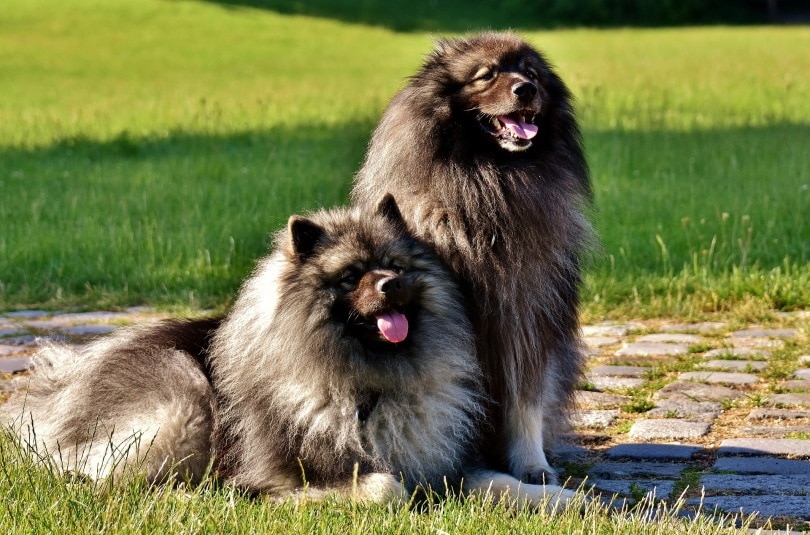
Keeshonds are herding dogs from Holland. They are a bit smaller than most other dogs on this list, but they’re still firmly in the “medium-sized” category. They also have thick double coats, like most dogs on this list. They’re also one of the few dogs with upturned lips, which makes it look like they’re smiling.
12. Akita

Breed Overview
Origin:
Lifespan:
Height:
Akitas are from Japan. These dogs do not have the same fluffy coat that other dogs do. However, their fur is very thick, which protects them from colder weather. Japan can be quite cold at times, especially in the mountains.
13. Chow Chow
Breed Overview
Origin:
Lifespan:
Height:
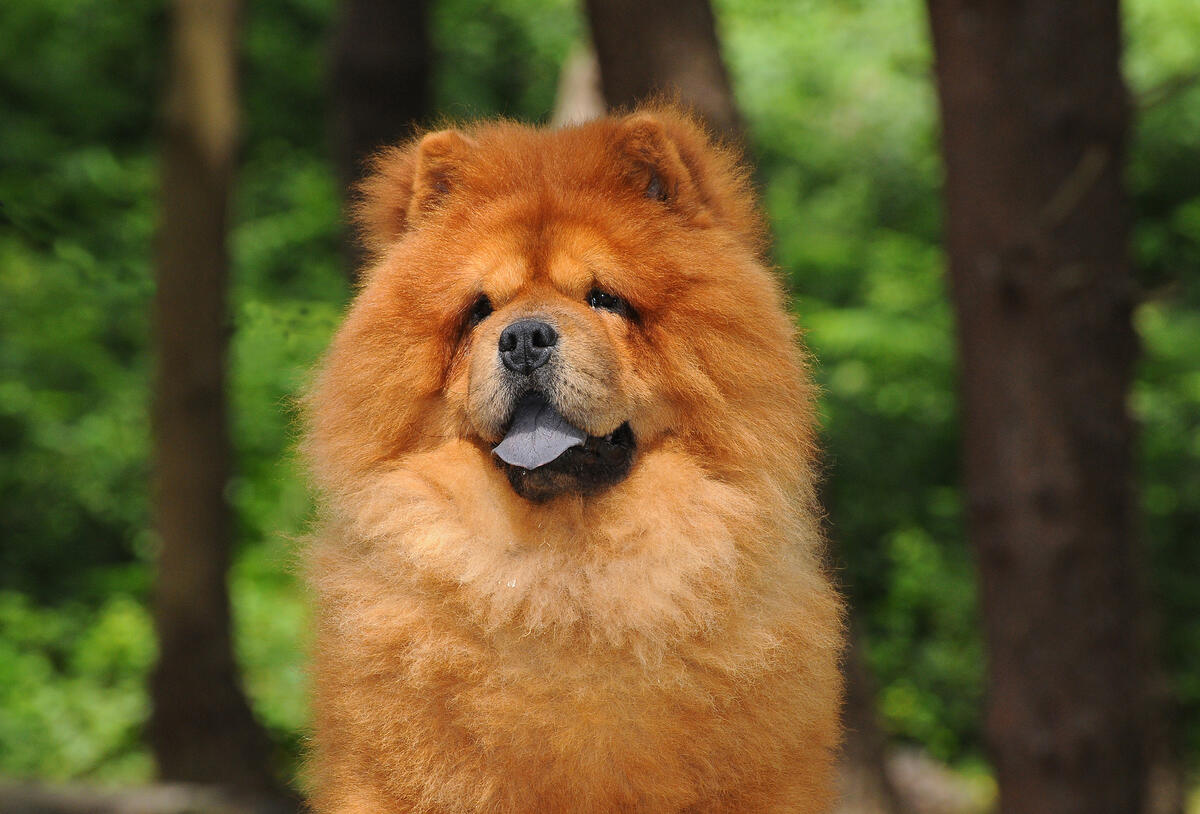
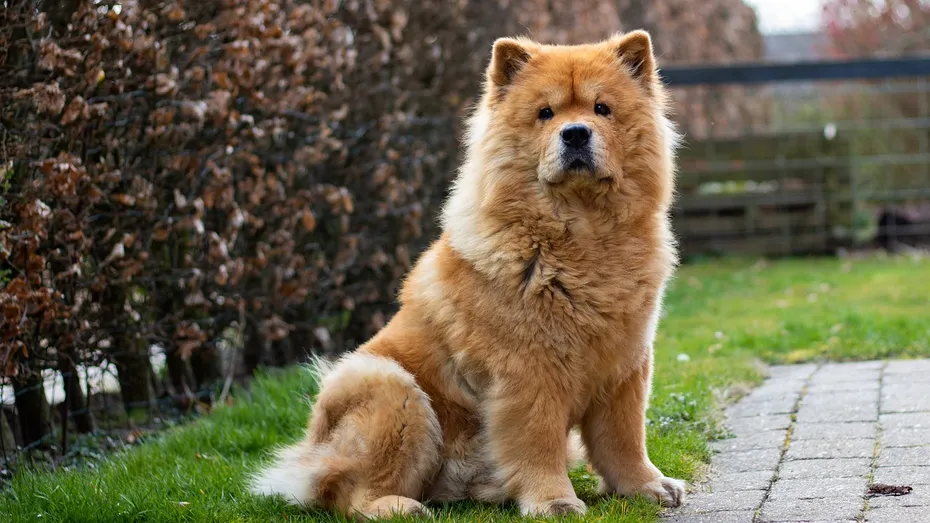
Chow Chows come from China and are known for their black-blue tongue—a trait that’s pretty rare in the dog world. They also have a lion-like mane and very fluffy fur overall. Their fur helps them stay warm in colder weather.
While these dogs may look like giant fluffballs, they’re actually pretty protective. Therefore, they need plenty of socialization and do best with experienced dog owners.
14. German Shepherds
Breed Overview
Origin:
Lifespan:
Height:
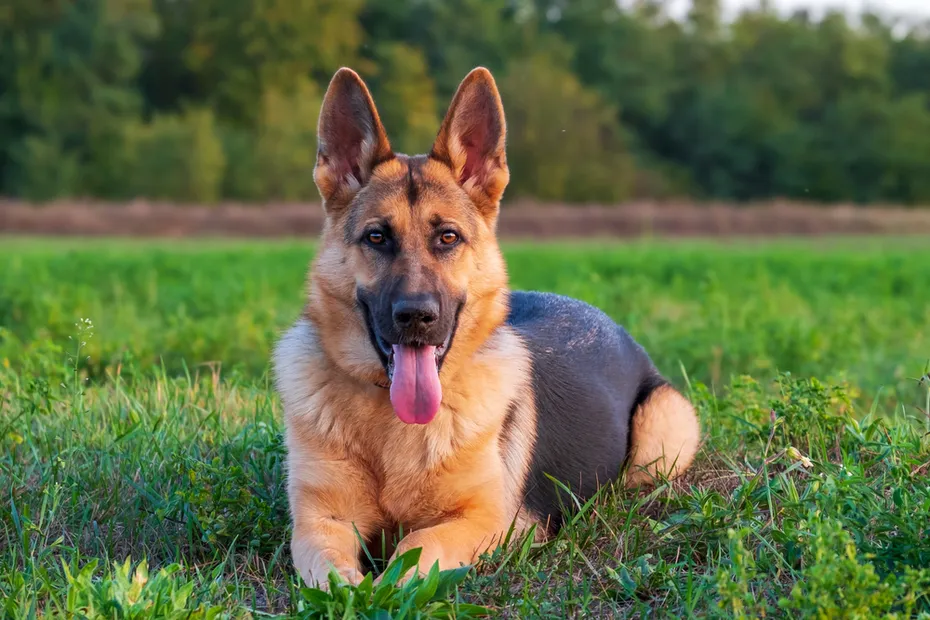
German Shepherds are not the most cold-hardy breed, but their double coat does keep them warm as the temperature drops. They can tolerate pretty cold weather, especially if they grow up in a colder area. These dogs are well-known for their intelligence and loyalty, which has led to them becoming renowned police and military dogs.
However, as these dogs increased in popularity, they were also poorly bred by many to take advantage of the demand. Therefore, it’s particularly important to choose a quality breeder when adopting a German Shepherd.
15. Swiss Mountain Dog

Breed Overview
Origin:
Lifespan:
Height:
The Swiss Mountain Dog was bred to herd livestock in the Swiss Alps, where it often gets pretty cold. They also occasionally performed other functions, like pulling carts. They’re intelligent, strong dogs, which allows them to thrive in many jobs.
Because of their mountain home, these dogs have thick coats that keep them warm when the temperature gets chilly.
16. Karakachan Bear Dog
Breed Overview
Origin:
Lifespan:
Height:
The Karakachan Bear Dog is a pretty rare breed. They originally come from Bulgaria, where they were bred as livestock guardian dogs. As their name suggests, they were able to defend livestock from bears, which required lots of courage. They’re also very independent and tend to be aloof.
17. Kuvasz

Breed Overview
Origin:
Lifespan:
Height:
Kuvasz are very large, powerful herding dogs from Hungary. They’re very protective of their flock and families, often doubling as guardian dogs. While their homeland isn’t exceptionally cold, they still have thick coats that protect them from the weather.
18. Newfoundland

Breed Overview
Origin:
Lifespan:
Height:
Unlike many dogs on this list, the Newfoundland was originally bred to work on fishing boats and in the water. Therefore, it was important for them to have thick, double coats that could protect them from frigid water.
They’re not very protective like other dogs on this list. Despite their size, Newfoundlands tend to be gentle, especially when raised well.
19. Norwegian Buhund

Breed Overview
Origin:
Lifespan:
Height:
This spitz breed may not look like it, but they have a thick coat that helps them survive in the cold Norwegian weather. They were originally used for all sorts of jobs, including herding and guarding. Their intelligence and energetic nature made them very versatile dogs.
Today, they’re pretty rare outside of Norway.
20. Shiba Inu
Breed Overview
Origin:
Lifespan:
Height:
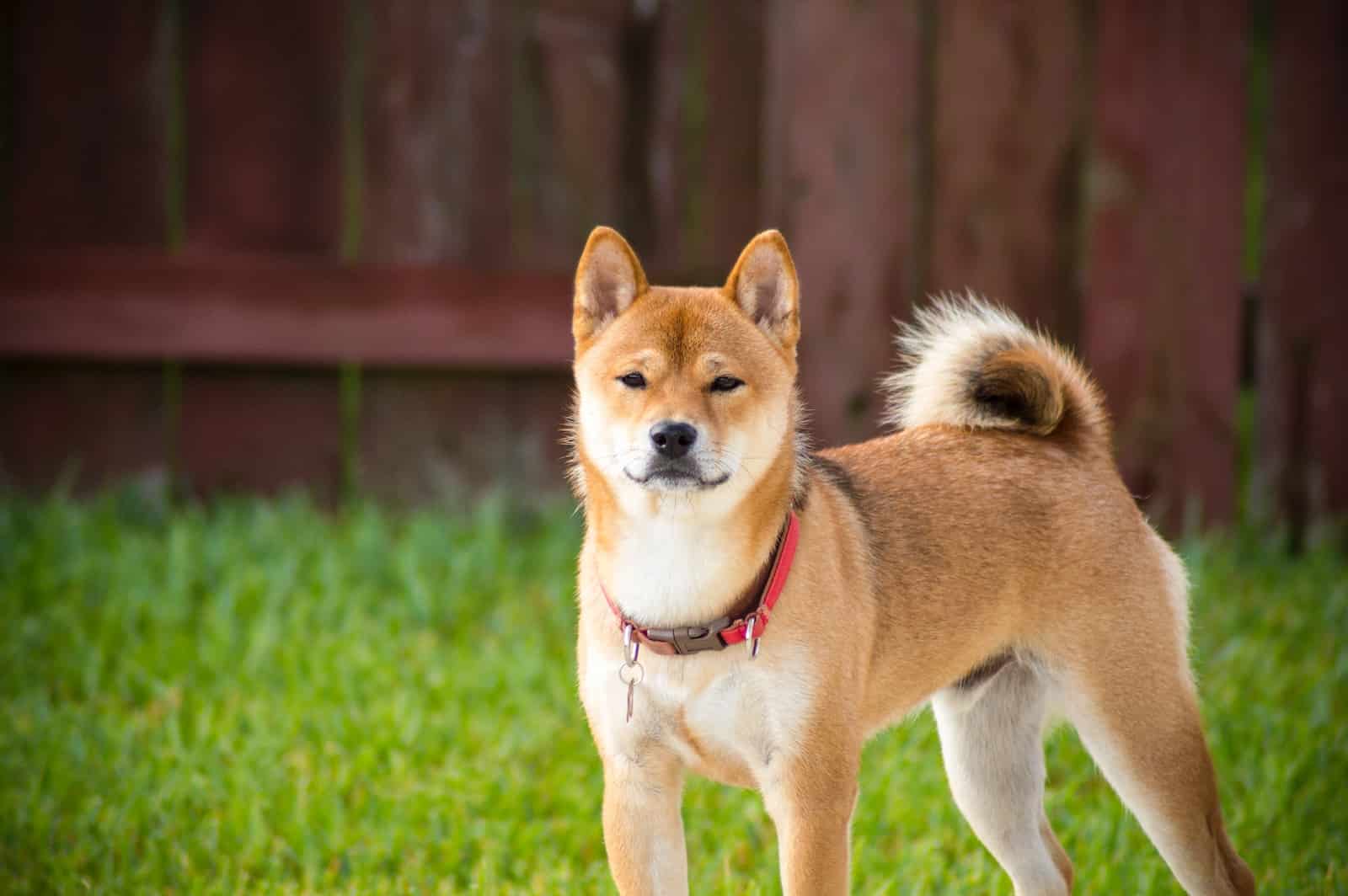
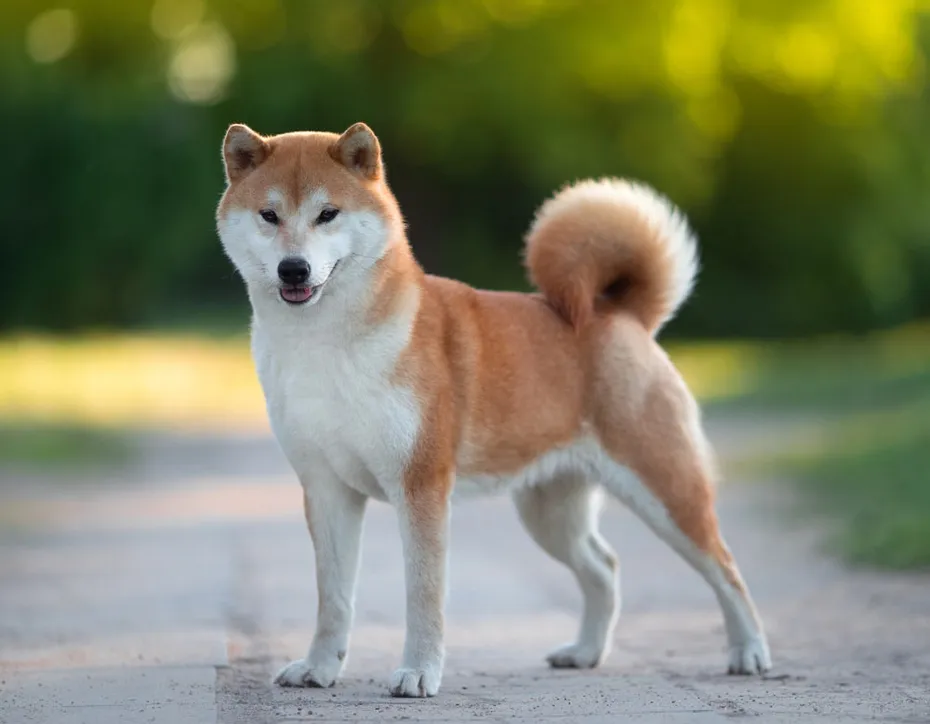
Shiba Inu are smaller dogs from Japan. They’re a spitz breed, so they have pointed ears and curled tails. Their coats aren’t as thick as some others, but they’re still able to thrive in colder temperatures. They’re very independent, though, which can make them harder to train.
21. Icelandic Sheepdogs

Breed Overview
Origin:
Lifespan:
Height:
It’s hard to find Icelandic Sheepdogs outside of Iceland. They had very thick coats that helped them stay warm while they took care of their flock. Their coats are pretty water-resistant, which is important in Iceland’s wet climate.
Conclusion
There are many breeds from colder areas around the world that developed very thick coats to help them thrive in colder temperatures. These dogs were often bred for working purposes, where they needed to stay warm. A herding dog can only help you so much in colder temperatures if the dog quickly becomes hypothermic. That said, just because these dogs can stand the cold doesn’t mean you can leave them outside in all temperatures. Related reads:
Featured Image Credit: Liliya Kulianionak, Shutterstock
Expert dog care, straight to your inbox
News, insights, expert advice, and everything dog.

No spam — unsubscribe anytime.
By signing up, you agree to our Terms & Conditions and Privacy & Cookies Policy.
How useful was this post?
Click a star to rate. You can leave written feedback afterwards. (We read all feedback.)
Kristin loves to help pet parents create a fulfilling life for their pets by informing them on the latest scientific discoveries and helping them choose the best products for their pets. She currently resides in Tennessee with three cats, four dogs, two fish, and a lizard, though she has dreams of owning chickens one day!