Do Newfoundland Dogs Drool a Lot? Vet-Verified Facts and Tips

In this article
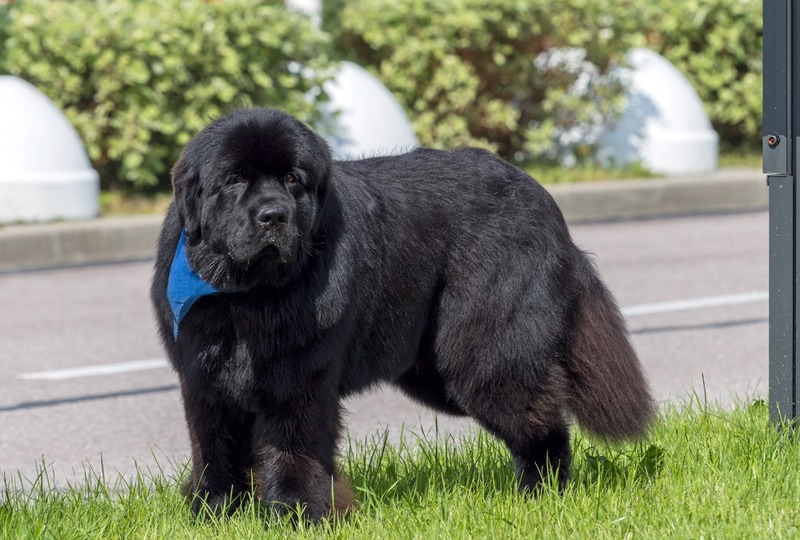
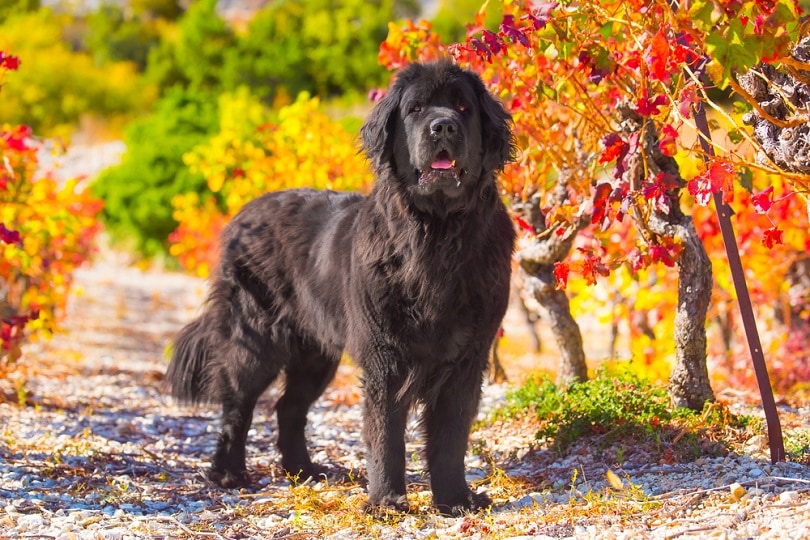
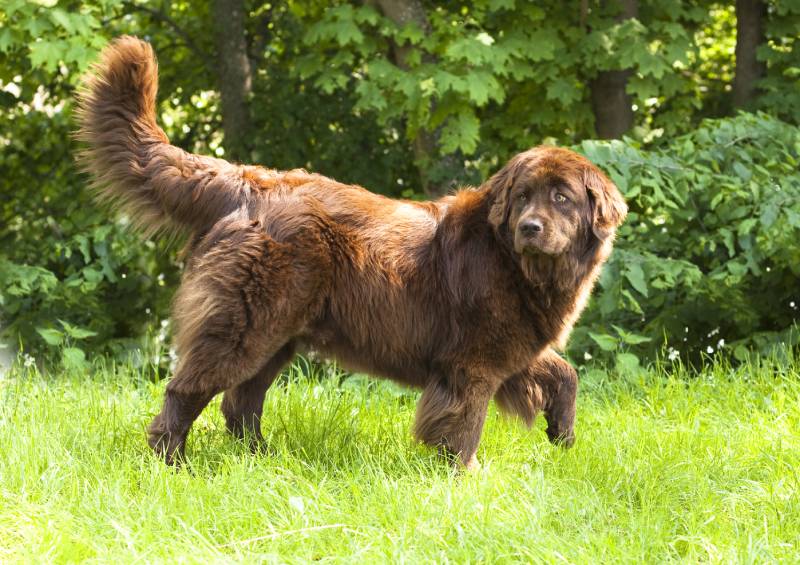
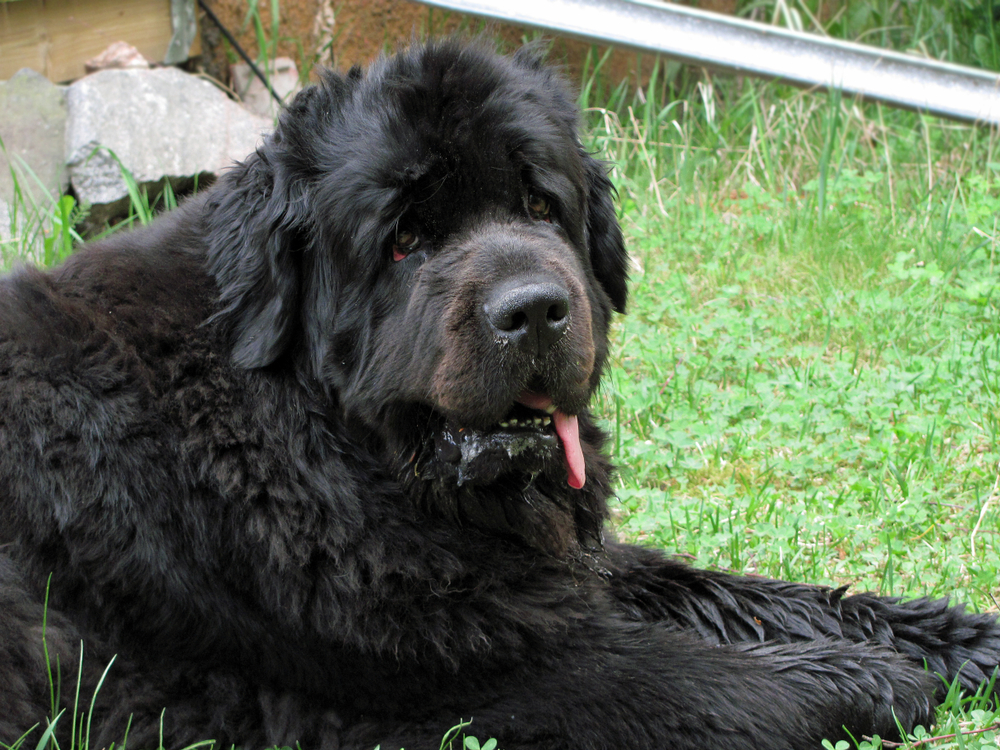
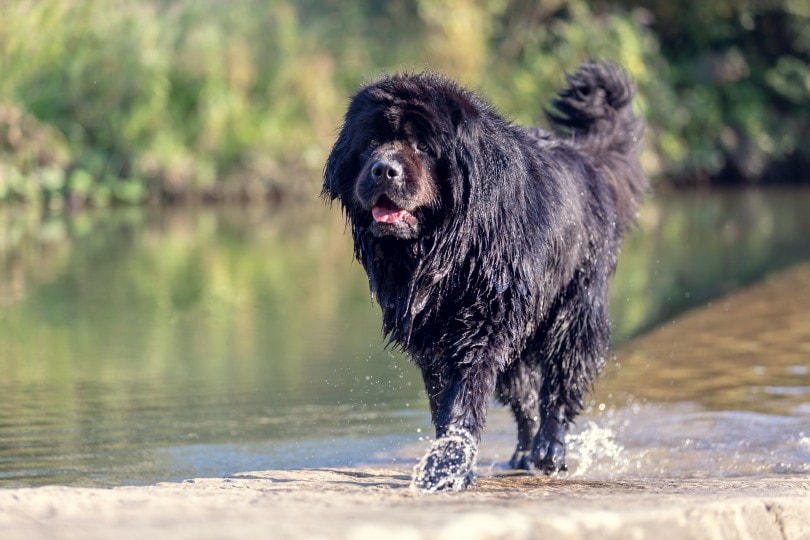
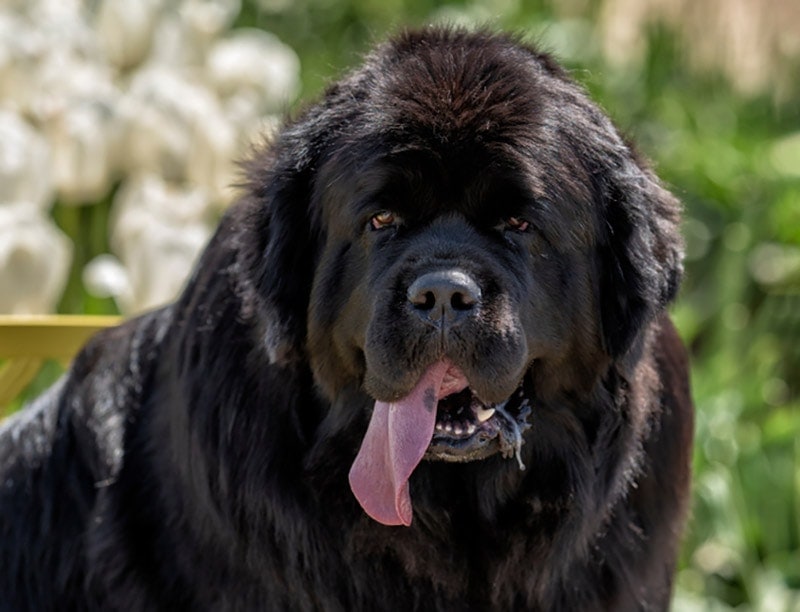
The Newfie breed is synonymous with two things in this world—shedding and drooling. It normally sheds like it's in a contest and drools everywhere. If you think we’re exaggerating, just look up the most iconic breeds that are known to drool the most—the Newfie will either hold the top position or come in second. So yes, Newfoundlands drool A LOT!
Read on below to find out more about Newfie drooling.

Why Does the Newfoundland Drool So Much?
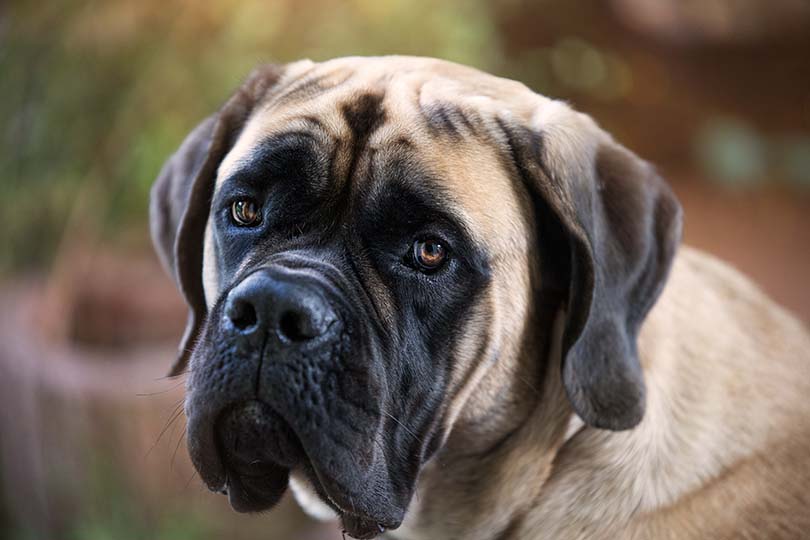
This breed has jowls that are stretched and complemented by relatively loose lips. Their loose lips are the prime reason why they can’t seem to be able to hold any saliva in before it gets pushed down their throats. Instead, it accumulates at the corners of the mouth, and then spills over, resulting in plenty of excess drool.

Do All Newfies Drool the Same?
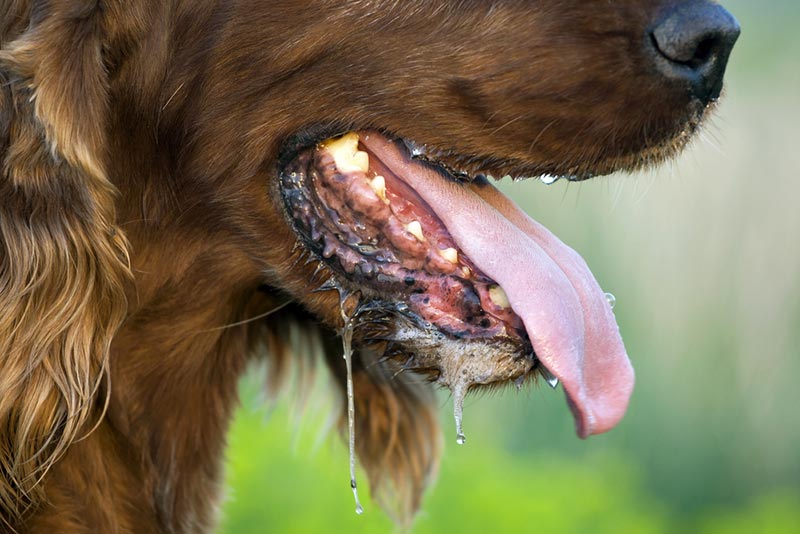
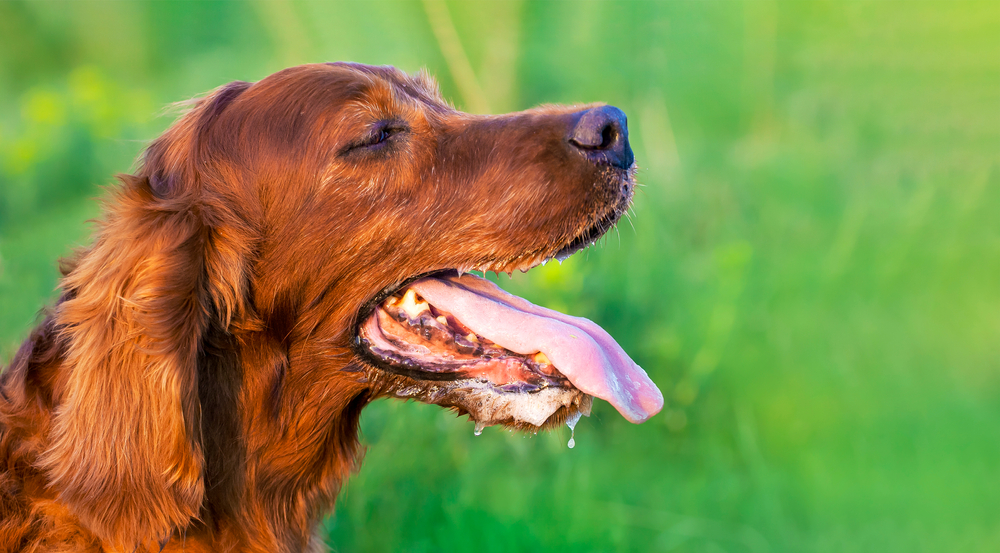
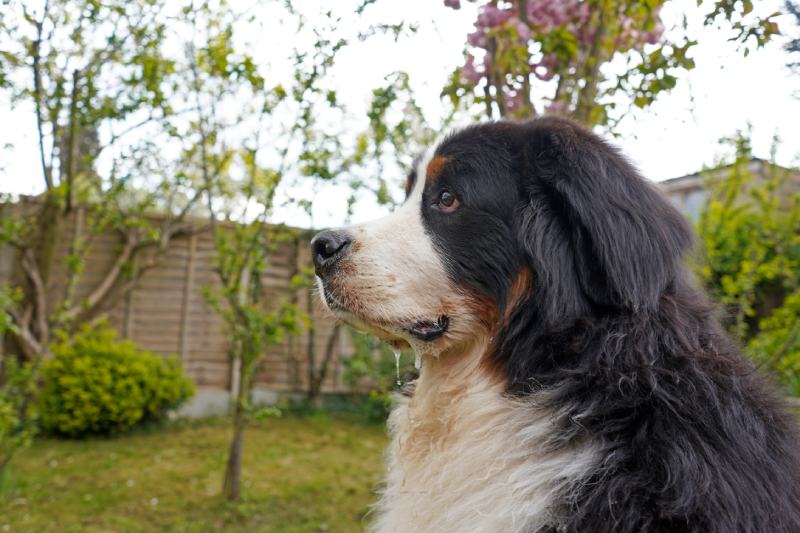
The way these dogs drool is never the same. We’ve seen Newfies that drool as though they are trying to recreate a fountain, and those that only let out strings or drool drips. According to vets, the frequency and amount of drool being let out mostly hinges on their drinking and eating habits, environmental conditions, and level of excitement.
An excited Newfie will have all their facial muscles relaxed. They’ll also be barking with their mouths wide open, hence not being able to hold in any saliva. Whenever they are hungry, they’ll drool. It’s the thought of having food that triggers their glands to release more saliva. Drinking water is another known cause of drooling.
Could excessive drooling be a sign that they’re struggling with an underlying medical condition? Yes, that’s a possibility. However, that’s only true in situations where you’ve never seen your Newfie release a fountain drool before. It could be a sign that they are grappling with a gastrointestinal issue, a dental problem, or just nausea.
Take note of how your dog drools, when they drool, and the various triggers. That way, it will be easier to catch a minor medical issue before it snowballs into something major.
At What Age Does the Newfie Start to Drool?
Newfie pups usually start drooling after hitting the 1-year mark. It will certainly take time for those floodgates to open, because their jowls are not as large as those of their parents, and their lips are somewhat tighter. Then again, that’s not to say that it’s impossible to find a 5-month-old Newfie drooling. It’s something that could happen, as Newfies grow and develop at different rates.
Can You Train a Newfie Not to Drool?
No, you cannot train or stop a Newfie from drooling. Instead of thinking about ways you could stop it, think of how you could reduce the stress of dealing with the messes.
For example, a dog bandana or a good quality bib will help you reduce the size of drool pools being left behind on the floors. They’ll also ensure your dog’s chest stays dry while making them look cute and stylish. But you must change the bibs at least once a day, or they’ll become a breeding ground for germs.
Buying a stockpile of dry towels is also a good call, as they can be used to wipe their faces after eating or drinking.
If you are looking for the perfect product to clean your dog's sensitive areas, Hepper's Wash Wipes are our recommendation, plus it's a great on-the-go option. These premium wipes are thick and durable enough for the toughest of paw messes, while still being soft enough to use on your dog's ears or eyes. Formulated with pet-friendly, hypoallergenic ingredients they are the ideal product for all dogs of all ages, skin conditions, or sensitivities.

- Gentle Care For All Pets - Infused with moisturizing hypoallergenic ingredients & enriched with cucumber & aloe fragrance for healthier fur, coat & skin, the ultimate dog and cat cleaning wipes
- Deep Cleans From Head to Tail - Tackle the toughest dirt & messes with our extra strong pet wipes for dogs, cats and other pets while being gentle on sensitive areas like the face, ears, butt & paws
- Freshness On The Go - Each dog grooming wipes pack contains 30 counts of premium dog wipes that leaves your pets fresh. Packed in resealable packaging, keeping the cat wipes fresh & ready whenever
At Dogster, we’ve admired Hepper for many years and decided to take a controlling ownership interest so that we could benefit from the outstanding designs of this cool pet company!
From a medical standpoint, it’s not normal or even healthy to have a dog that’s dry-mouthed. Saliva is important to dogs just as it is to humans, as it helps push down food, neutralizes harmful acids, acts as a medium for the enzymes breaking down food, and washes away the debris stuck in between their teeth.

How Do You Properly Care for a Newfie?
Keeping a Newfoundland breed healthy and happy is not a daunting task. Their massive sizes and thick double coats make them seem like a lot of work, but they aren’t as demanding as some other breeds.
For starters, always remember to wipe their chests every chance you get. As we said, a damp coat can quickly turn into a breeding ground for bacteria and yeast overgrowth.
The meals that you serve them must be well balanced. You must ensure that they are getting enough protein, fats, carbohydrates, vitamins, and minerals. Don’t serve them large portions, as that could lead to obesity. Their massive sizes make them prone to hip dysplasia, thus adding omega-3 fatty acid supplements to their diets is beneficial for them.
Physical and mental stimulation is important to all dogs. We know Newfies don’t mind spending time indoors, but you should take them out every day to run around the yard for at least 30 to 45 minutes. DIY puzzle feeders will provide more than enough mental stimulation if you can’t afford pricey toys.
We’d advise you to give them a bath as needed to keep their coat healthy and clean. Some Newfoundland dogs can go 4 to 6 weeks between baths while others will need a bath more often, it depends on their lifestyle and environment. Those sets of teeth have to be brushed every other day of the week. Grooming is a huge, huge part of Newfoundland’s lifestyle, and due to their massive size, you must desensitize them to allow brushing from a tender age, while they are easier to handle. Talk to your vet in order to receive professional medical advice on how to care for your Newfie properly.
Which Other Breeds Drool as Much as The Newfoundland Breed?
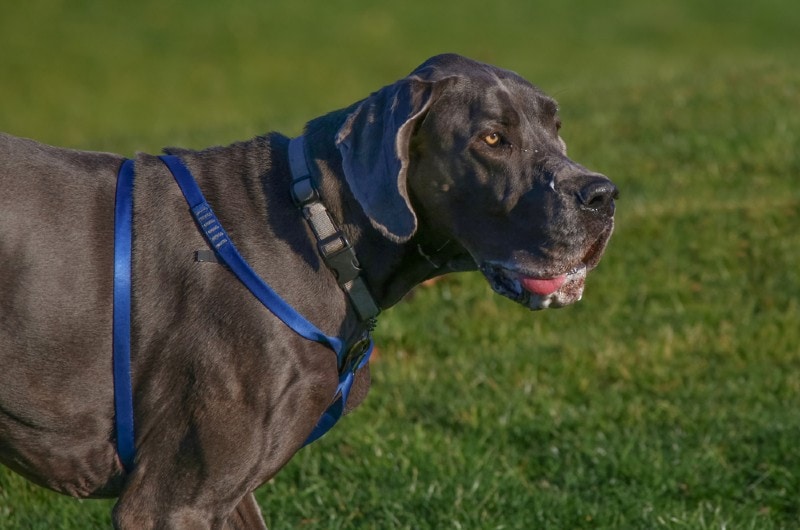
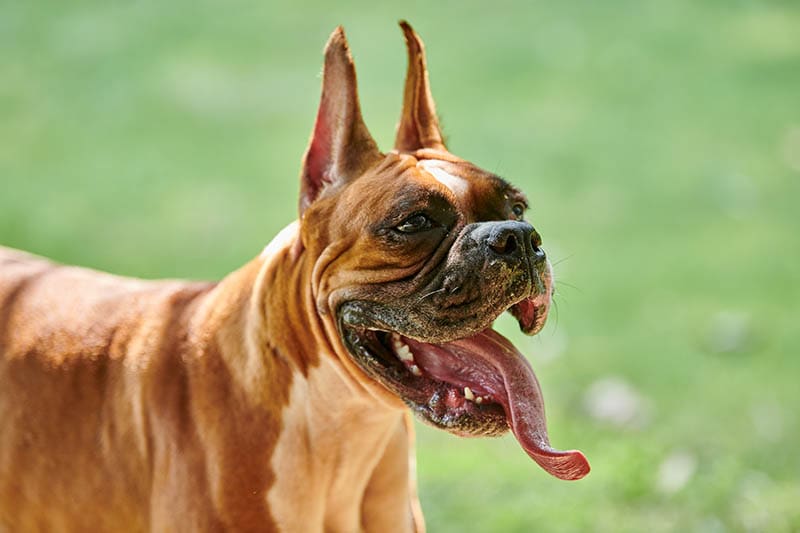
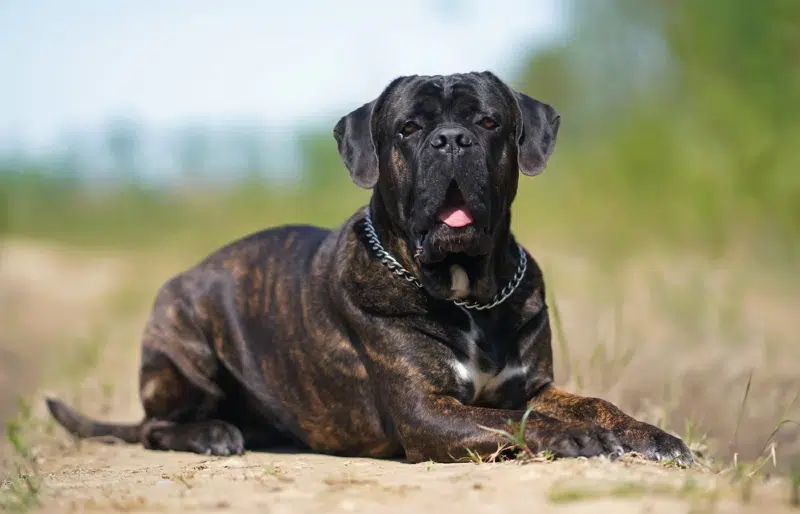
The Newfoundland is not the only breed on the planet that often produces unnecessary amounts of slobber strings. Any dog that comes with a stretchy, large jowl (and loose lip) will have the same problem. Other known breeds are the Shar Pei, Bullmastiff, Great Pyrenees, Basset Hound, Saint Bernard, Clumber Spaniel, and English Mastiff.

Conclusion
Newfies drool a lot. They often drool whenever they are hungry, any time they are excited, if they are feeling hot, or while drinking. You can’t train them to stop drooling, as this is a biomechanical problem caused by their mouths’ anatomy. But you could manage the issue by investing in some good-quality bandanas or dog bibs. They’ve proven to be effective at helping pet parents reduce the pools around their home.
Sources
Featured Image Credit: KelvinW, Shutterstock
Expert dog care, straight to your inbox
Vet-reviewed advice, training tips, and the best of Dogster. Free, and you can unsubscribe anytime.
By signing up, you agree to our Terms & Conditions and Privacy & Cookies Policy.
Ollie is a zoologist turned freelance animal writer living in South Australia with his partner Alex and their mini zoo consisting of their eldest, a rescue dog named Pepper, many aquatic creatures, and their cat Steve. Ollie has a Master's degree in wildlife biology but became a freelance animal writer in 2020 and hasn't looked back. He loves sharing what he has learned with pet parents around the planet.
Join the conversation
Ask a question, share your story, or send private feedback.