14 Velcro Dog Breeds: Info, Pictures & Facts


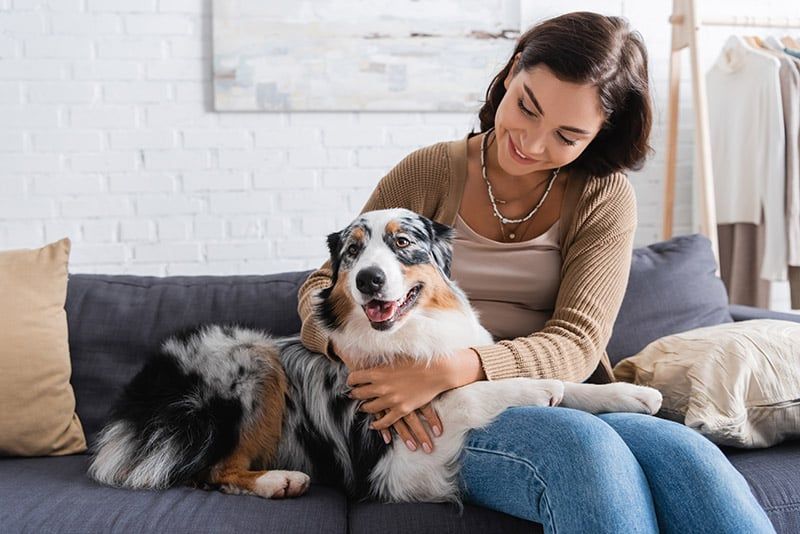
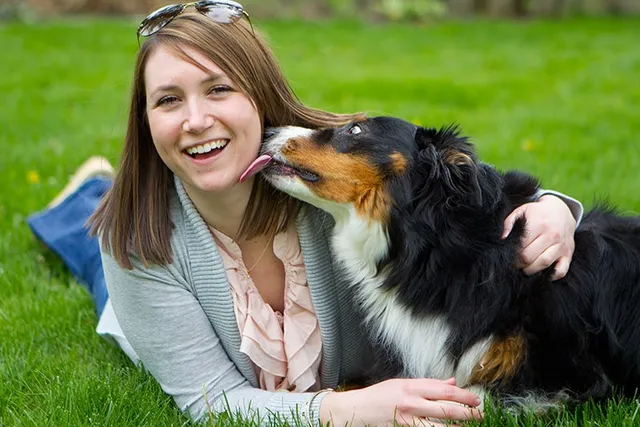
Dogs are known to be clingier and needier pets than independent felines, but some breeds really take the cake. We’re talking about the dogs that shadow your every move, follow you to the bathroom, trip you while you walk, and often sulk when they have to spend any time apart from you. Every dog has a unique capacity for clinginess, but some breeds are more notoriously needy than others.
Let’s break down 14 of the clingiest dog breeds that truly earn the name of “Velcro dog” down below.

What Is a Velcro Dog and How Are They Classified?
There’s no formal classification system for what constitutes a Velcro dog, but you know one when you see one. These are the pups that thrive on human interaction and follow their owners around like little shadows that seem to be attached by Velcro to the hip.
Unlike independent dogs that can do their own thing for prolonged periods, a Velcro dog needs lots of quality time with you on an emotional level. This can make them a poor choice for people who work long hours or those who travel a lot for work. Ideally, people who own a Velcro dog have a flexible work schedule that allows them to spend a lot of time with their pets.
Without enough quality bonding time, a Velcro dog can get anxious and develop destructive behaviors, like chewing or digging. Needless to say, separation anxiety is far more common in these breeds and can take a lot of patience to work through. Separation anxiety is not, and should not be, a normal or expected trait of the Velcro dog, and it is important to put in the time and work needed to ensure that your dog can be left alone without having a complete meltdown. Using calming pheromones and scents, stimulating and comforting toys, and dog crates are all ways that you can help your Velcro dog cope when you are gone.
The 14 Velcro Dog Breeds
1. Pug

Breed Overview
Origin:
Lifespan:
Height:
The goofy, drooly Pug is one of the top Velcro dog breeds out there, and little wonder—they were literally bred to be lap dogs for ancient Chinese nobility! Pugs are a people’s dog through and through, eschewing dog-on-dog interaction for any opportunity to get some pets or cuddle time with their favorite people. On the flip side, Pugs are very prone to separation anxiety when away from their owners without proper desensitization training.
2. Vizsla

Breed Overview
Origin:
Lifespan:
Height:
Vizslas are Hungarian hunting hounds bred to run and chase down prey, but it turns out they’re also very emotionally attuned family pets. Highly physical and intelligent, Vizslas need ample physical and mental stimulation to stave off boredom and anxiety. Simply put, they love being pampered and spoiled! Vizslas love giving you affection and never want to be apart, which can worsen into separation anxiety in many cases.
3. Papillon

Breed Overview
Origin:
Lifespan:
Height:
Papillons are one of the oldest toy spaniels, known for their signature butterfly-fringed ears and persistently upbeat attitudes. These little French dogs are thought to have actually come from Italy, but their history is fairly muddled, and they’re most associated with France today. Papillons aren’t as high-strung as other Velcro dogs, but they’re a very responsive breed that needs people or even other dogs to stay as happy as possible.
4. Chihuahua

Breed Overview
Origin:
Lifespan:
Height:
Named after the state in Mexico, Chihuahuas are a scrappy, hardy breed with a heart of gold and a strong sense of family loyalty. That means they’re happy to play in the yard or at the dog park but also to play watchdog at home and scare off intruders. Chihuahuas are more hyperactive dogs than most, and if you can’t give them the time they crave, we recommend giving them plenty of toys to keep them busy when you’re away.
5. Golden Retriever

Breed Overview
Origin:
Lifespan:
Height:
Golden Retrievers are family-oriented dogs that—surprise, surprise—love to be with their family as much as possible. This can make them seem clingy, needy, or like Velcro dogs, if they don’t get enough exercise or mental stimulation throughout the day. If they can’t get their energy out in a healthy way, they’ll look to you to satiate their boredom.
Not naturally anxious, Golden Retrievers are inclined to be confident family pets so long as you give them enough exercise and mental stimulation via training, games, walks, and doggy play dates at the dog park. Just don’t be surprised to find them joining you in the bathroom!
6. French Bulldog

Breed Overview
Origin:
Lifespan:
Height:
The French Bulldog, or Frenchie for short, has a goofy and endearing personality that’s made them the most popular dog breed in America as of 2022. Frenchies are true people dogs that always want to know what you’re up to, and preferably, that’s snuggling up with them. While they need regular exercise like any breed, they’re not incredibly active and make ideal therapy dogs and pets for seniors with limited mobility.
7. Italian Greyhound

Breed Overview
Origin:
Lifespan:
Height:
Italian Greyhounds were originally bred to be superstar tracking hounds, but their athleticism belies a gentle, amiable temperament. This is a breed that needs to be exercised regularly and given plenty of attention. Without enough stimulation, they can become withdrawn or outwardly hyperactive, with a high potential for destructive behavior. Italian Greyhounds take harsh words to heart very easily, so try to be gentle with them.
8. Labrador Retriever

Breed Overview
Origin:
Lifespan:
Height:
Also known as the Lab, this Canadian breed has been the US’s top most popular dog breed for over 30 years for very good reason! Labs are a gregarious and adaptable breed that loves to hang outside or lay in the house at your feet watching TV, and they’re not overly territorial either. They’re not quite as needy as some other dogs on our list, but they are happiest when enjoying the company of other dogs and humans and can manifest behaviors like digging and chewing if they’re feeling neglected.
9. German Shepherd

Breed Overview
Origin:
Lifespan:
Height:
German Shepherds are very intelligent, highly active dogs that need a lot from their owners, and they want to be involved in everything you do. Bred as herding dogs, German Shepherds see their family as their pack or flock needing to be herded by their superior intellect and instinct. The German Shepherd’s Velcro-like nature comes from their intense loyalty to their owners and drive to protect them, both of which make them excellent watchdogs and law enforcement dogs.
Being a highly alert breed, you will find that even the slightest movement from you gets these attentive dogs on their feet and waiting to follow you anywhere you might go.
10. Border Collie

Breed Overview
Origin:
Lifespan:
Height:
Bred to herd sheep in the highlands of Scotland and England, the Border Collie has a natural urge to stick with their chosen people. Like other intelligent working breeds, Collies can get a little possessive and territorial when they’re under-stimulated. They do best with a lot of time with their family and are especially prone to digging or chewing when not exercised enough.
11. Australian Shepherd

Breed Overview
Origin:
Lifespan:
Height:
Another highly intelligent working breed, the Australian Shepherd thrives with a lot of attention and a set routine. Despite their name, Australian Shepherds were actually developed in the United States from European herding dogs and became favorite companions for cowboys. At home, they develop a close bond with their chosen people and consider them their flock. Aussies tend toward hyperactivity, especially when under-stimulated, and need a highly active family to keep up with their antics.
12. Maltese

Breed Overview
Origin:
Lifespan:
Height:
With roots in ancient Rome and specifically the isle of Malta, the gentle and aristocratic Maltese is a Velcro dog beloved by royalty through the ages. This breed is very emotionally sensitive and picks up on stress easily. Maltese are toy-sized and typically do great with children but can get snappy with younger kids if not supervised properly. That said, they’re inclined to get along with the whole family and thrive when around people as much as possible.
13. Doberman

Breed Overview
Origin:
Lifespan:
Height:
Dobermans were developed in Germany from a mix of breeds, including the Great Dane and German Shepherd, to be personal protection dogs. The Doberman’s innate need to guard and protect means they want to shadow you at all times to make sure nothing happens to you, so take it as a compliment! Despite their fearsome reputation, Dobermans are big babies at heart and get very anxious when left alone for prolonged periods of time without mental stimulation.
14. Dachshund

Breed Overview
Origin:
Lifespan:
Height:
Lovingly called Doxies, Dachshunds were bred to be tenacious hunting dogs but adapted wonderfully to family life. They’re loving, smart, and occasionally sassy dogs that prefer to be around people no matter what they’re doing. Doxies are big dogs at heart that don’t know they’re really small dogs, and their clingy nature can be softened with ample daily exercise and mental stimulation.
Conclusion
Velcro dogs are some of the most affectionate breeds you can own, but they require a lot more time and attention from their owners than more independent breeds. No matter which Velcro dog you choose to welcome in your family, we urge you to make sure they get enough quality time, exercise, and mental stimulation to mellow out their more anxious tendencies.
Featured Image Credit: LightField Studios, Shutterstock
Expert dog care, straight to your inbox
News, insights, expert advice, and everything dog.

No spam — unsubscribe anytime.
By signing up, you agree to our Terms & Conditions and Privacy & Cookies Policy.
How useful was this post?
Click a star to rate. You can leave written feedback afterwards. (We read all feedback.)
Codee Chessher is a freelance writer whose motto is: there is nothing a well-worded sentence can't accomplish! He loves to write about pets, travel, DIY, and more. Codee's experience is varied, but the written word has always been his strongest and biggest passion.