Why Does My Dog Follow Me Everywhere? 6 Vet-Verified Reasons


In this article
One of the most beautiful aspects of the human-canine relationship is the loyalty and love our dogs have for us. Despite this, it is essential to teach your dog to have a degree of independence. Indeed, an extreme attachment can be harmful to the animal and to its owner. Does your dog follow you everywhere? Find out the six possible reasons they do this and what you can do about it.

The 6 Possible Reasons Your Dog Follows You Everywhere
1. They Trust You
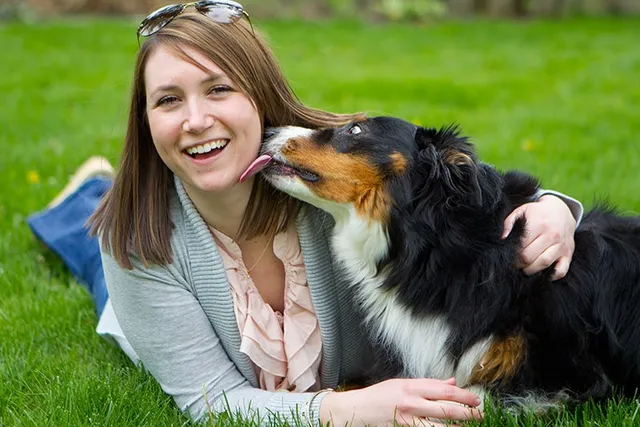
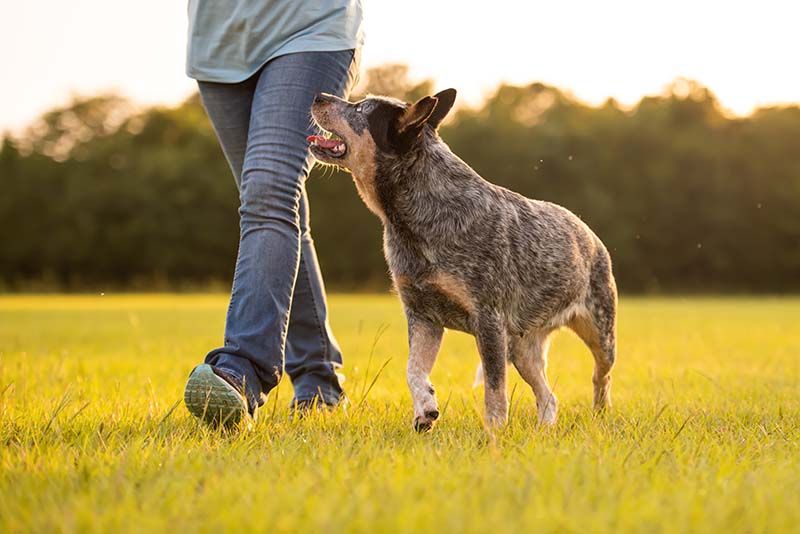
Dogs share a common ancestor with wolves and are naturally social animals. In a family setting, your dog looks to you for guidance, security, and reassurance. They may follow you closely because they see you as a trusted leader who provides safety, food, and comfort. Your presence signals that everything is okay, which helps your dog feel confident and secure.
So, if your dog sticks to you all the time, it’s a sign that they trust you and rely on you for comfort and guidance. And of course, it’s also because they love you!
2. They Want to Protect You
Many dogs have natural protective instincts, which can vary depending on their breed, personality, and training. Following you closely can sometimes be a sign that your dog wants to stay near you to feel connected and monitor their surroundings. While most pet dogs aren’t constantly on alert for danger, their presence near you allows them to respond if something unusual happens.
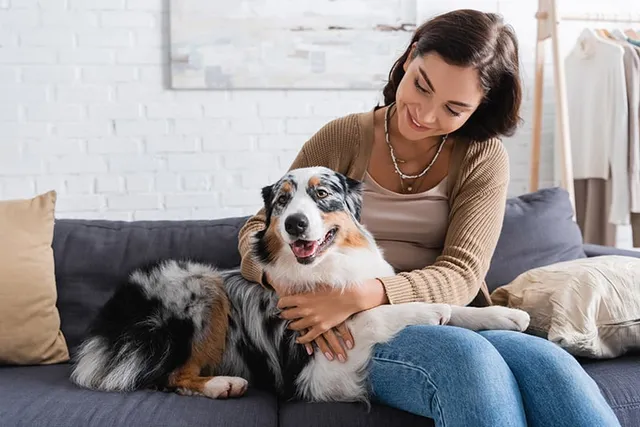
This behavior is rooted in loyalty and attachment; they want to be near you to feel secure and to offer comfort and companionship. In certain breeds or trained guard dogs, this protective instinct is more pronounced, but for most dogs, following you is primarily a sign of trust, love, and devotion.

3. They Are Still a Puppy
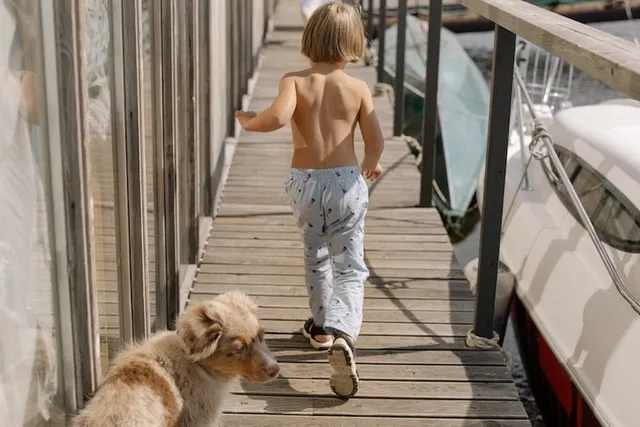
Puppies often follow their new owners everywhere, especially during their first few weeks in a new home. This behavior is not true imprinting like in birds, but it is a sign of early attachment and social bonding. Puppies naturally seek comfort, security, and guidance from their caregivers, and following you closely helps them feel safe in a new environment.
The younger the puppy, the more likely they are to form a strong bond with you and stick close by. This early attachment lays the foundation for a trusting, affectionate relationship as they grow.
4. They Are a Real Velcro Dog
Some breeds, especially those that have been bred for centuries to work with people, are more likely to stick by your side all the time. Here is a short list of purebred dogs known to be just like Velcro:

5. They Come From a Shelter
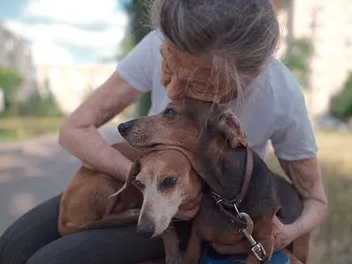
Rescuing a dog from a shelter is a wonderful opportunity to give a desperate animal the chance to live in a loving new home. However, a dog coming from these places can sometimes be traumatized, especially if its previous owner has abandoned them. As a result, they can exhibit certain behavioral issues, including excessive attachment to their new owner. Sometimes, they may follow their humans everywhere since the fear of being abandoned again is still very present.
6. They Suffer From Separation Anxiety
Separation anxiety is a behavioral disorder in dogs that manifests as a state of distress when the animal becomes separated from the person to whom it is excessively attached. Thus, dogs that are overly attached to their owner may become very anxious about the separation. So, as soon as you go to work or anywhere without your dog, they feel distressed, may bark or howl, and destroy the furniture. And when you finally come back home, your dog can’t find another way to get reassurance, other than to follow you everywhere. Besides, this canine behavior is prevalent among those who have been abandoned and then adopted by a new owner.

What Can You Do to Help Your Dog Be More Independent?
1. If Your Dog Is Still a Puppy
Usually, it is easier to correct this behavior while your dog is still young. We must therefore act quickly, if possible, upon adoption. Even if they don't realize it, owners of young dogs sometimes get them used to following by unknowingly adopting positive reinforcement techniques.
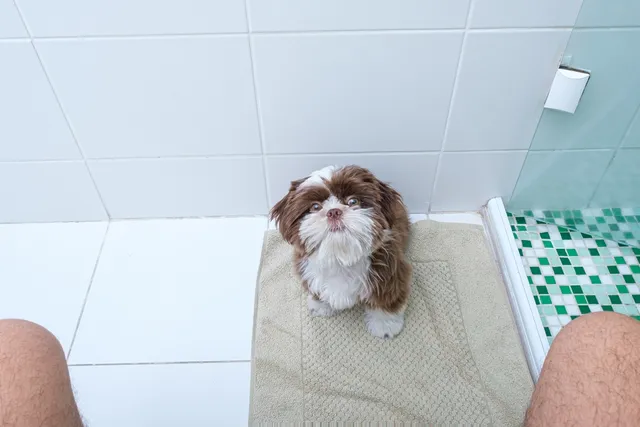
For example, when a puppy follows its owner to the toilet and the owner has a positive emotion like laughing at such "cute" behavior, it prompts the puppy to start over and continue down this path. For this reason, you must encourage your dog to adopt the right habits as soon as they arrive in your home and reinforce their autonomy.

2. If Your Dog Is an Adult
To help your dog learn to be more independent, start by reducing the rituals around your arrivals and departures. Avoid making a big fuss when you leave or come home; keeping these moments calm helps your dog understand that separations are normal and not stressful.
You can also set physical boundaries by occasionally closing doors so your dog doesn’t follow you into every room. Combine this with training cues like “go to your bed” or “stay”, encouraging your dog to remain in one spot rather than trailing you.
Be patient and do not hesitate to speak to a vet or a trained canine behaviorist. Learning independence takes time, and the process will vary depending on your dog’s age, personality, and habits. Avoid rushing them, and gradually build their confidence in being alone or in a separate space.

What You Shouldn’t Do if Your Dog Has Separation Anxiety
Don't hesitate to talk to a vet if you ever need help tackling your dog's separation anxiety. They could give you some good advice on how to handle this behavior.
Final Thought
If your dog is following you like a second shadow, that's not necessarily a bad thing. It could simply be because they have a strong attachment to you! Besides, if they are calm and do not destroy the whole house when you leave them alone for a few hours, the fact that they follow you everywhere is probably not a problem.
On the other hand, this behavior can become problematic in some dogs and depends mainly on factors such as age, breed, antecedents (whether it was adopted or not), and training. In any case, if your dog's separation anxiety is extreme, you should consult a veterinarian or canine behavior expert, who can guide you toward the best approach to solving this problem.
You may also want to read:
Featured Image Credit: Tanya Consaul Photography, Shutterstock
Expert dog care, straight to your inbox
News, insights, expert advice, and everything dog.

No spam — unsubscribe anytime.
By signing up, you agree to our Terms & Conditions and Privacy & Cookies Policy.
How useful was this post?
Click a star to rate. You can leave written feedback afterwards. (We read all feedback.)
A biologist and science writer, Genevieve has a special fondness for capuchin monkeys, pumas, and kangaroos, which has inspired her to volunteer and work at wildlife rehabilitation centers in countries like Bolivia, Guatemala, Canada, and Australia. Now living as a Canadian expat in Argentina, she enjoys the sight of horses and cows outside her home office window every morning. Genevieve is the proud owner of three rescue dogs—Lemmy, Nala, and Pochi—and a lively kitten named Furiosa. She finds happiness and fulfillment in sharing her passion and extensive knowledge of animals with others.