Why Is My Dog So Attached to Me? 5 Possible Reasons


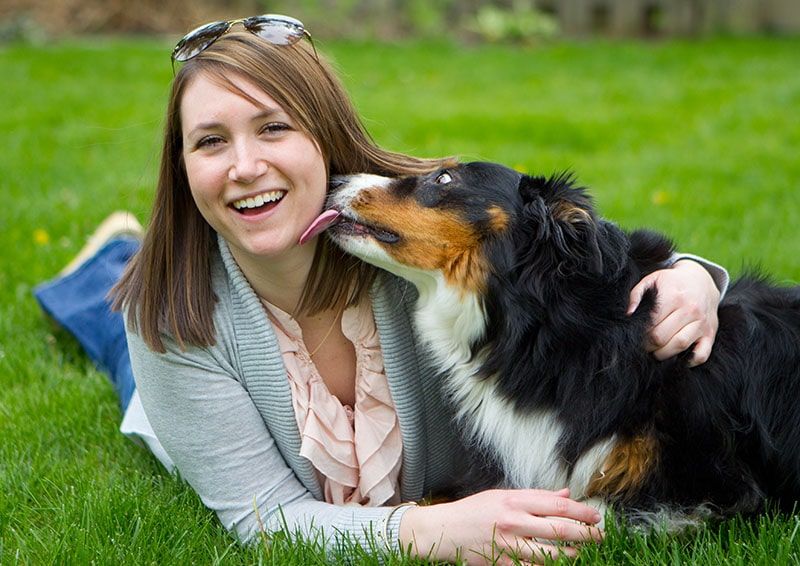
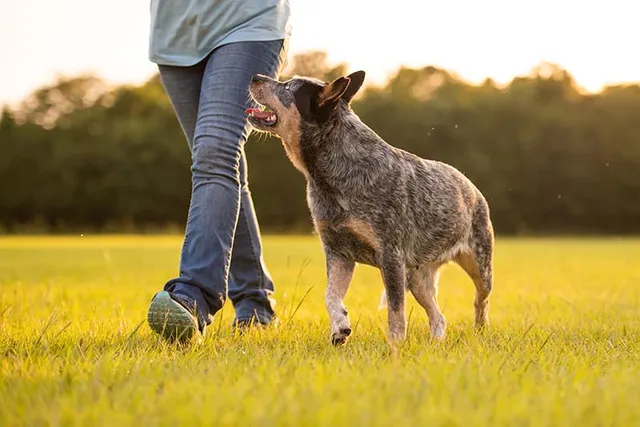
Dogs didn’t get the nickname “Man’s Best Friend” for nothing. The domestic dog evolved as a social species that forms attachments with both conspecifics and humans, so it’s natural for them to follow you around and want to be with you.
Though this behavior can be lovable, sometimes it indicates a problem. The clinginess could be due to stress, a behavioral issue, or a medical condition. Here are five reasons your dog may be so attached to you.

Why Is My Dog So Attached to Me?
1. Learned Behavior

Clinginess in dogs is often a reinforced behavior because of how you interact. For example, if your dog learns that following you into the kitchen means getting a scrap of food or a treat, you’re teaching them that sticking around you can lead to a reward. It doesn’t have to happen every time, just enough to be worth the effort for your dog.
While puppies are developing, giving them too much attention and allowing them to be clingy can quickly shift from healthy companionship to separation anxiety. Be mindful of how much you reinforce this behavior. You want a confident dog, not one that experiences distress when separated from you.
2. Illness
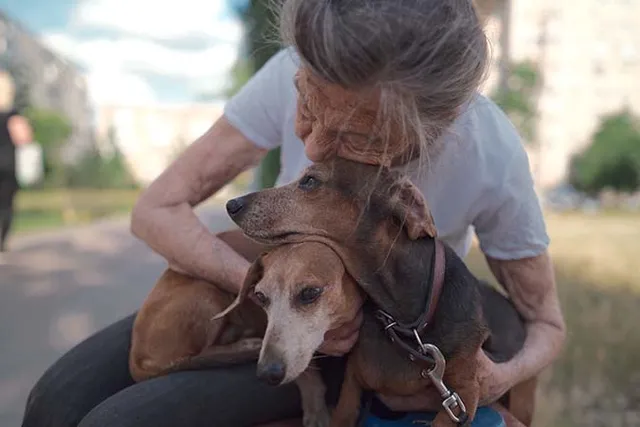
Older dogs that experience a decline in vision, hearing, or cognitive abilities may become clingier. When their familiar environment suddenly becomes strange, you represent safety to them.
Dogs who are suffering from an illness can also become clingier. If you notice sudden clinginess in your dog and other signs, speak with your vet about the behavior.
3. Separation Anxiety
Separation anxiety is a specific type of anxiety that’s different from being clingy. The dog is constantly concerned about being left alone or separated from their owner. Left unaddressed, separation anxiety can cause dogs to engage in destructive behaviors like pacing, whining, chewing, or inappropriate soiling in the house.
When a dog is clingy, they may follow you or want to be with you. Separation anxiety causes panic at being left alone, which goes beyond just wanting to be at your side. Clinginess can progress to separation anxiety, however, and often has subtle signs of anxiety or panic that escalate over time. Usually, this needs to be treated with a combination of behavior modification and, in some cases, medical prescriptions from the vet.
4. General Anxiety

Dogs with anxiety often become clingy out of fear or stress. If you notice other signs of anxiety in your dog, such as compulsive licking, trembling, or destructive behaviors, they could be associated with the behavior. Sudden changes, such as adding new pets to the home or making changes to the routine, could also trigger anxiety and stress.
Some dogs are more attuned to human emotional cues, so they may respond with clinginess if you seem stressed, anxious, or upset.
5. Breed
Some breeds are genetically predisposed to be more human-oriented or socially dependent than others. Toy breeds tend to be needier than others; they are often bred for close human companionship and may show more proximity-seeking behavior. Dogs that are reinforced to rely heavily on owner interaction through learning history may also show more clinginess.

How to Help Your Dog Develop Independence
Normal clinginess with a healthy dog isn’t necessarily a cause for concern. But if you prefer your dog to be more independent, you can work on some training methods.
Keep in mind that separation anxiety is a different situation and requires more intensive modification than simple clinginess.
Here’s how:
- Increase mental and physical stimulation to occupy your dog. Be sure to speak with your vet about what exercise is appropriate for your dog’s age and health. You can try a brisk walk, some games of fetch in the yard, puzzle toys, scent training, and teaching tricks to tire your dog out and teach independence.
- Teach a “place” command. If your dog has a crate or bed, that’s perfect for teaching “place.” If not, choose a spot in your home and set it up with a bed, blanket, and toys. Then, train your dog to go to that area with “place” as the cue, and then reward them. Be consistent.
- Desensitize your dog to your regular routine. Dogs learn well with the right conditions, so they associate certain behaviors with rewards or when you leave the house, such as picking up your car keys. Think about these triggers and practice them without following through on the rest of the activity.
For example, if your dog always follows you into the kitchen because they usually receive table scraps or a treat, go into the kitchen, and don’t offer a treat or any food. Instead, start cleaning or organizing. If you want to treat your dog, leave the kitchen and give them the snack in their quiet area. Eventually, your dog will learn that your presence in the kitchen does not reliably predict food rewards.
While it’s good for your dog to have independence and confidence, avoid cutting off your connection completely. Both of you need to bond, so while you’re teaching your dog to spend more time alone, make sure you balance it with bonding activities like walks or playtime.
Conclusion
Dogs are partners and companions. That’s why many people get a dog. Having a mentally healthy pup means finding a balance of independence and bonding time to support emotional stability and appropriate coping behaviors without compromising the human–animal bond.
Sources
Featured Image Credit: Jennay Hitesman, Shutterstock
Expert dog care, straight to your inbox
News, insights, expert advice, and everything dog.

No spam — unsubscribe anytime.
By signing up, you agree to our Terms & Conditions and Privacy & Cookies Policy.
How useful was this post?
Click a star to rate. You can leave written feedback afterwards. (We read all feedback.)
Nicole has loved animals of all sizes her whole life so it's no wonder she has dedicated her career to helping them through what she loves best: learning, writing, and sharing knowledge with others. She’s the proud mom of two dogs, a cat, and a human. With a degree in Education and 15+ years of writing experience, Nicole wants to help pet parents and pets around the planet to live happy, safe, and healthy lives.