Spanish Mastiff: Dog Breed Info, Pictures, Care, Traits & More

In this article
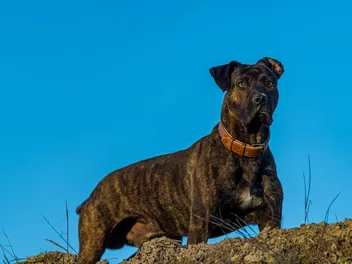
The Spanish Mastiff is a large, powerful dog with an ancient history. This breed first appeared around the Middle Ages and was originally developed to protect livestock. Spanish Mastiffs have been used for working and guarding purposes throughout the centuries. Their determination and endless loyalty toward their owners are unmatched, making them the perfect family-oriented companions.
Keep reading to find out more about the noble Spanish Mastiff.
Breed Overview
Height:
Weight:
Lifespan:
Colors:
Suitable for:
Temperament:
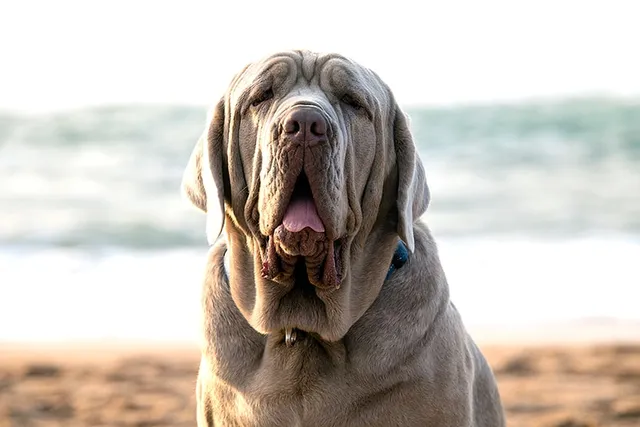
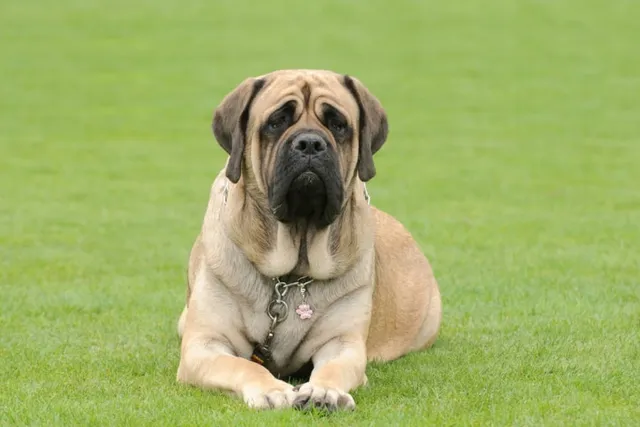
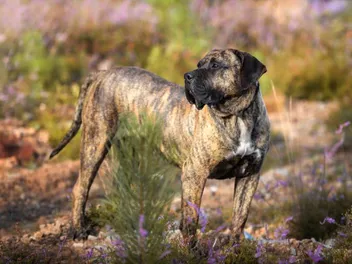
The Spanish Mastiff is one of the largest breeds in the world. The average Spanish Mastiff stands between 28 and 35 inches tall, and adults can easily weigh up to 200 pounds. Their size came in handy when they guarded livestock against bears and wolves on the Iberian Peninsula.
You will also notice that this breed has noticeable wrinkles and loose skin, which helps protect them against predators. Spanish Mastiffs have all the desirable traits of a fierce guard dog and a loving companion.
Spanish Mastiff Characteristics

Spanish Mastiff Puppies

The Spanish Mastiff is a relatively rare breed, especially outside of Spain. This means they are difficult to find up for adoption, as they are hardly seen in shelters or rescues. Your best bet for finding a Spanish Mastiff puppy would be from a reputable breeder who specializes in the breed. They should be exceptionally knowledgeable about Spanish Mastiffs and the health and temperaments of the parents and litters.
So, what is it like to own a Spanish Mastiff puppy? They are equally adorable, active, and stubborn, and they will already be medium-sized by the time you bring them home from the breeder! Their puppy size doesn’t last forever, though, and Spanish Mastiff puppies will grow into their large paws soon enough.
You can expect your puppy to be stubborn during training and playtime. This is why early training and socialization is essential for the breed. Getting them to adjust to training from a young age can help them become a well-mannered adult.
Temperament & Intelligence of the Spanish Mastiff 🧠
Spanish Mastiffs have the desirable temperaments that you want to see in a working or guard dog. These dogs are loyal, determined, and protective. They are always eager to please their owners and excel at the various tasks they are given.
Although guarding is somewhat instinctive for the breed because of their history, they still benefit from proper training. Spanish Mastiffs are highly intelligent, so they can quickly adjust to training and learn to fit in with their family and other dogs or cats in the home.

Are These Dogs Good for Families? 👪
Spanish Mastiffs can be great additions to active families or those with older children. They make wonderful companions if you are prepared to care for, work with, and train them. They are not the right fit for every family, though, despite all their desirable traits. This breed is usually recommended for people who have experience with Mastiff breeds and can accommodate their exercise needs.
Spanish Mastiffs enjoy plenty of secure space to explore, along with daily exercise, a healthy diet, and activities that engage their working instincts.
Does This Breed Get Along With Other Pets? 🐶 😽
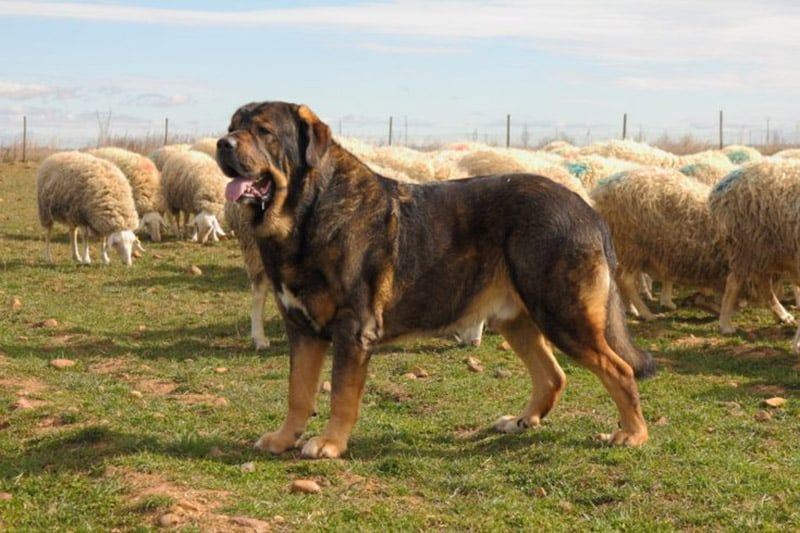
Spanish Mastiffs generally get along well with other dogs or cats if they have been socialized properly. It's not difficult to introduce other well-mannered dogs to this breed. However, they may need more training and socialization with cats to prevent barking and chasing behaviors. Spanish Mastiffs are also quite laidback around livestock, such as sheep and cattle.
They are not good with small animals like rabbits, hamsters, or guinea pigs, though You should always secure these animals away from your Spanish Mastiff in a room they cannot access. Plus, most small animals are too stressed around dogs to take the risk of allowing them to interact with each other.

Things to Know When Owning a Spanish Mastiff
Here’s what you should know when owning a Spanish Mastiff.
Food & Diet Requirements 🦴
A healthy diet is essential for this breed. Their diet should contain all the nutrients they need to be healthy, along with a balance of protein, carbohydrates, and fats. Spanish Mastiffs will benefit from food for large breeds.
You can either feed them a kibble, wet, raw, or freeze-dried diet, depending on what works best for their lifestyle and overall health. It's best to speak with a veterinarian or certified canine nutritionist about which foods are suitable for your dog.
Keep in mind that Spanish Mastiffs shouldn’t have too many treats or table scraps, to avoid excessive weight gain. Obesity can put strain on their joints and negatively affect their mobility.
Exercise 🐕
Spanish Mastiffs do not have high energy needs, but they still require daily exercise for their overall well-being. These dogs need both physical and mental stimulation during exercise. This includes going for a walk or run, along with interactive toys or activities to prevent boredom. Try to exercise your Spanish Mastiff for at least 45 minutes to an hour every day.
You could also exercise them throughout the day. You could take them for a morning walk and then another walk later in the day. You can let them play in a secure yard or dog park in the afternoon and give them toys to play with in the evening.

Training 🎾
The Spanish Mastiff’s high intelligence and eagerness to work make them relatively easy to train with the proper methods. However, this breed can be stubborn at times and resistant to training methods that don’t engage their interest. Early socialization and training should begin once a Spanish Mastiff is at least 8 weeks old.
You don’t want to put off training these dogs and wait until they are already adults. Spanish Mastiffs don’t easily break habits they have grown up doing before they began training. High-value rewards will be your best friend when training your dog.
Grooming ✂️
Spanish Mastiffs have thick coats with moderate grooming requirements. They also shed a moderate amount of fur throughout the day, so grooming can help maintain the amount of shed hair in your home.
Their hair is short, so brushing them is a breeze. Bristle brushes are great. You can also use a de-shedding rake for more effective shedding control. Spanish Mastiffs don’t need to be bathed too often, usually only when their coat becomes dirty. A cleansing shampoo followed by a non-greasy conditioner will help keep their coat looking fresh and manageable.
Spanish Mastiffs also need their nails trimmed and ears cleaned once or twice a month.
Health and Conditions 🏥
Although the Spanish Mastiff is a relatively healthy breed, they can still be affected by several health conditions.

Male vs. Female
The main differences between male and female Spanish Mastiffs are their hormonal behaviors. Both sexes have similar temperaments and working abilities. The only difference in their appearance would be that the females tend to be more barrel-shaped than the males, which are usually taller.
Neutering your Spanish Mastiff may help prevent unwanted hormonal behaviors while preventing accidental litters or certain reproductive problems.
3 Little-Known Facts About the Spanish Mastiff
1. Spanish Mastiffs were used to protect and herd Merino livestock in Europe.
Raising livestock was no easy feat, as there were animals that posed a threat to them. However, the size and bravery of the Spanish Mastiff helped keep predators at bay.
2. This breed is not much of a barker.
Some people think that “the bigger the dog, the bigger the bark.” However, the Spanish Mastiff is not much of a barker. When they do bark (and it is a deep bark!), it is mostly to alert people about something unknown or suspicious.
3. The Spanish Mastiff is featured in art.
Diego Velázquez’s 1656 painting, "Las Meninas," features a Spanish Mastiff lounging with King Philip IV of Spain’s court. It is quite an influential piece of Western art.

Final Thoughts
Spanish Mastiffs are large canines with a history as working and guard dogs. They were developed to protect livestock, which they excelled at even in harsh conditions. Spanish Mastiffs retain these working instincts even as companions, so they require plenty of exercise and engaging playtime to stay happy.
This breed isn't a good fit for those looking for a laidback dog that doesn’t need much space or training. They can make perfect family dogs if you have the space, time, and knowledge to work with this breed.
Featured Image Credit: LFRabanedo, Shutterstock
Expert dog care, straight to your inbox
News, insights, expert advice, and everything dog.

No spam — unsubscribe anytime.
By signing up, you agree to our Terms & Conditions and Privacy & Cookies Policy.
How useful was this post?
Click a star to rate. You can leave written feedback afterwards. (We read all feedback.)
Sarah lives in South Africa with her partner and pets. She is currently interested in veterinary science and ichthyology, which she wants to study alongside her main passion: pet content writing. Sarah has over 60 fish including: goldfish, tropicals, shrimp, and snails. She also keeps hamsters and a tarantula. Sarah wishes to provide quality content to readers and allow others to learn from her experience and knowledge. Sarah has much experience in all aspects of pet care. Providing the world with the knowledge on ethical pet ownership is her lifelong dream.