Spanish Pointer Dog Breed: Info, Pictures, Care & Traits

In this article
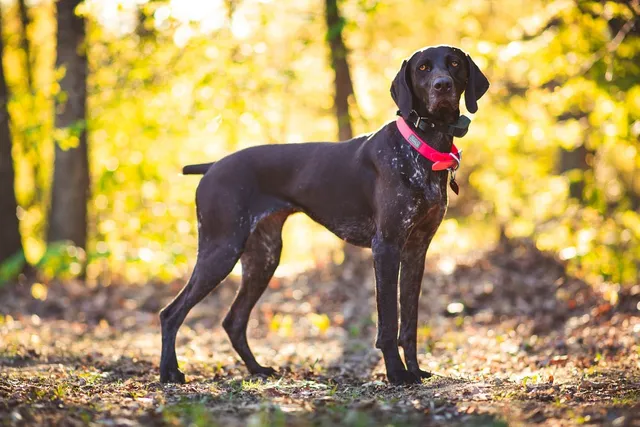
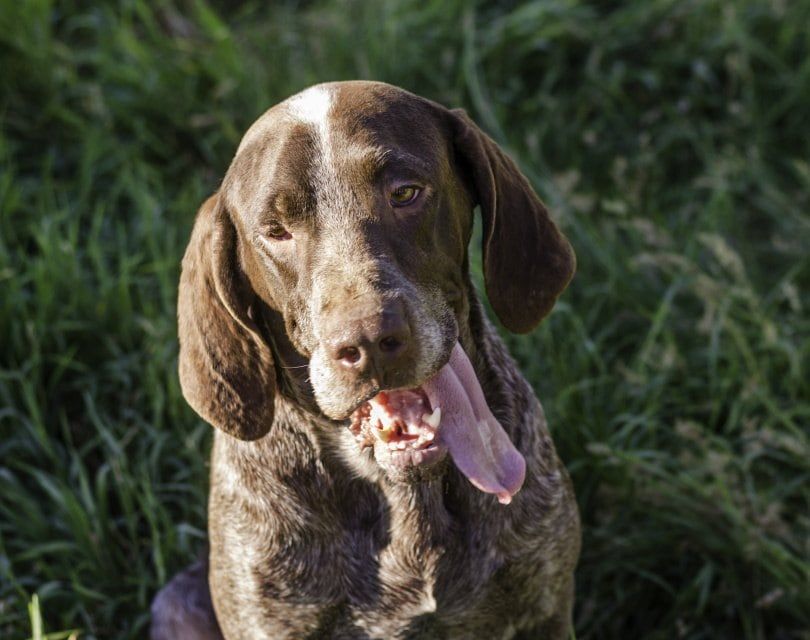
Spanish Pointers are some of the oldest dogs around, yet they aren’t recognized by the AKC. Even though these dogs aren’t recognized, they still make perfect companion dogs to the right family. Because of their hunting background, Spanish Pointers make perfect additions to hunting families that live in semi-rural and rural environments.
Breed Overview
Height:
Weight:
Lifespan:
Colors:
Suitable for:
Temperament:
In contrast, Spanish Pointers should not live inside apartments or with people who prefer to stay inside. These dogs have a lot of energy that needs to be burned off or else they will get into real mischief. Luckily, Spanish Pointers don’t have a lot of grooming requirements and are relatively easy to train.
To learn more about Spanish Pointers, keep reading. This guide tells you everything you need to know before buying one of these dogs.
Spanish Pointer Characteristics

Spanish Pointer Puppies
It is not very likely to find Spanish Pointer puppies at a rescue, but it is possible. Most likely, you will need to purchase your Spanish Pointer puppy from a breeder. When you select your Spanish Pointer puppy breeder, make sure that they are completely reputable and treat the dogs with respect. Although a reputable breeder will be more expensive, they breed the healthiest and best-acclimated dogs, as well as treat the dogs properly. Make sure you can visit the breeding facilities before making any payment to make sure they have ethical breeding practices.
Spanish Pointers are great with other dogs when they have had early socialization, but be aware of having this pup close to other small animals. They have a high hunting instinct that will result in your dog hunting down smaller animals. These dogs are known for their loyal and affectionate nature and create strong bonds with their families.
Temperament & Intelligence of the Spanish Pointer 🧠
The Spanish Pointer is a nice companion dog with high prey drive. Because of its high prey drive, these dogs aren’t best for beginners or apartment dwellers, but they are relatively easy to train and socialize. If you have a lot of time to dedicate to your Spanish Pointer, you can expect a great companion that loves going on outdoor adventures with you.
Are These Dogs Good for Families? 👪
Spanish Pointers are known for being good companion dogs. Because these dogs were bred by hunters, they were often part of the family. Especially if you socialize your Spanish Pointer from a young age, this dog is often compassionate and patient with all members of the family.
If you have children, socialization should not be ignored. Even though Spanish Pointers aren’t known for aggression towards children, socialization ensures that the dog behaves appropriately around your child. Once trained, you can expect your Spanish Pointer and child to be lifelong buddies.
With strangers, Spanish Pointers will be more reserved, but they are rarely outwardly aggressive. If you take the time to introduce strangers to the dog, your Spanish Pointer will warm up quickly.
Families that live in a rural or semi-rural area will be best for Spanish Pointers. Because these dogs need so much activity, they make terrible apartment dogs. Only get a Spanish Pointer if your family at least has a fenced-in backyard for the dog to play in.
Does This Breed Get Along with Other Pets? 🐶 😽
Spanish Pointers are generally passive, which means they often get along great with other dogs. Once again, early socialization is the only way to ensure this, but it isn’t hard to make a Spanish Pointer puppy comfortable around other dogs.
Unfortunately, the same is not true when it comes to other animals. Because of their high prey drive, Spanish Pointers are prone to chase and attack smaller animals. Although you can minimize this behavior with training, it will be difficult to eradicate the instinct.
So, you can pair your Spanish Pointer with other dogs, but avoid the breed if you have cats, guinea pigs, and other small animals.

Things to Know When Owning a Spanish Pointer:
Spanish Pointers are not known for being a particularly difficult dog to train, but they are best suited for dog owners with a little bit of experience training dogs. Because these dogs are so hyper, they require a hand that knows how to manage their energy and prey drive.
Luckily, Spanish Pointers require little grooming needs. Because of their short coats, they don’t need much outside of the basic care.
Food & Diet Requirements 🦴
Spanish Pointers are big, active dogs, which means they need a lot of fuel. These dogs typically eat anywhere from 3 to 4.5 cups of food a day. Split the meal into two portions – one for the morning and one for the night. Make sure that the food you select is high quality dry dog food.
As you probably assumed, Spanish Pointers need even more water than food. Since these dogs are constantly on the go, they get thirsty fast. Provide a large bowl of fresh water 24/7 to ensure that your dog gets the hydration it needs.
Exercise 🐕
The most difficult part of owning a Spanish Pointer is its exercise needs. These dogs are highly active and need a lot of room to run, play, and hunt. Only get a Spanish Pointer if you have a large fenced-in area for the dog to burn off energy. For even better results, only get a Spanish Pointer if you hunt and enjoy other outdoor activities that you can share with the dog.
If you do not have the time to exercise this high-energy dog, don’t get a Spanish Pointer. Although Spanish Pointers are well behaved with training and attention, they quickly become destructive if neglected and not provided a healthy outlet to burn off all their energy.
Once again, Spanish Pointers do best in semi-rural and rural environments for this reason. In these areas, the dog will have enough room to play and stay entertained.
Training 🎾
Spanish Pointers aren’t the easiest dogs to train, but they are relatively obedient, nonetheless. If you posit yourself in a firm and consistent way, your Spanish Pointer will likely respond to your commands relatively quickly due to their obedience and intelligence.
For best results, start training your Spanish Pointer as soon as possible. The younger you start the dog, the better. Remain firm and consistent, but do not use negative reinforcement. Instead, be positive and make training sessions short.
Grooming ✂️
Grooming Spanish Pointers is easy. Due to their short coats, they don’t need much help in the grooming department. At most, brush their coats once or twice a week to minimize shedding around your house. This brushing is primarily for ease of cleaning, not to prevent matting or tangles in the dog’s coat.
One thing you need to do is trim the dog’s nails when they grow out too long. Because these dogs are so active, their nails may stay filed down on their own, but be sure to check. Brush the dog’s teeth two or three times a week with dog-safe products as well.
Spanish Pointers get ear infections really easy. To combat this, check your dog’s ears once a week and clean them out as needed. If the ears smell weird, call your vet and set up an appointment.
Health and Conditions 🏥
Spanish Pointers are a relatively healthy breed, but they have potential health conditions to be aware of. The most common conditions that face Spanish Pointers include allergies and ear infections. Allergies can be mitigated with a restricted diet and allergy pills, whereas frequent ear cleaning can help with ear infections. Luckily, both conditions are minor.
More serious health conditions can become prevalent if you purchase the dog from an irresponsible breeder, once again proving how important it is to select a good breeder for your Spanish Pointer puppy.
Male vs Female
Male and female Spanish Pointers are similar with some notable differences. Like most other dog breeds, male Spanish Pointers are often slightly bigger than the females, though the females are large too. Likewise, males are bolder and more affectionate, whereas females may be more reserved around new people.

3 Little-Known Facts About the Spanish Pointer
Spanish Pointers are fascinating dogs with a long history. Here are 3 little-known facts about the breed:
1. Spanish Pointers have a long history.
It is believed that the Spanish Pointer dates all the way back to the early 1600s. During this time, Spanish Pointers were used for hunting due to their skills in pointing and scenting – that explains the dog’s high prey drive! As of today, Spanish Pointers were mainly only known in Spain during the breed’s early years since it was bred from Iberian Peninsula ancestors.
2. The Spanish Pointer was saved by two men.
There was a period when Spanish Pointers almost went extinct. Since these dogs were used only for hunting, they simply weren’t popular in the cities. During the industrial revolution and World Wars, the need for Spanish Pointers decreased dramatically.
Luckily, two men were hunting enthusiasts and loved the breed – Manueal Izquierdo and Geardo Sardonil. These men are responsible for keeping the Spanish Pointer alive, creating the dog we see today.
3. The Spanish Pointer we see today is different from the Spanish Pointers of the past.
Even though Spanish Pointers have deep roots, the dogs have changed a lot over time. From the work of Manueal Izquierdo and Geardo Sardonil, the Spanish Pointer looks wildly different from what it once was. For example, it is estimated that the present dog is one-third smaller than the original breed.

Final Thoughts
Spanish Pointers make a great breed for active hunters that live in rural and semi-rural areas. Because of these dogs’ high energy, they cannot live in apartments or with people who don’t plan on exercising them often enough.
Even though Spanish Pointers are generally calm and patient on their own, don’t neglect training and socialization. With the right exercise and attention, Spanish Pointers make fantastic dogs!
See also:
Featured Image Credit: sunlight19, Shutterstock
Expert dog care, straight to your inbox
News, insights, expert advice, and everything dog.

No spam — unsubscribe anytime.
By signing up, you agree to our Terms & Conditions and Privacy & Cookies Policy.
How useful was this post?
Click a star to rate. You can leave written feedback afterwards. (We read all feedback.)
Nicole has loved animals of all sizes her whole life so it's no wonder she has dedicated her career to helping them through what she loves best: learning, writing, and sharing knowledge with others. She’s the proud mom of two dogs, a cat, and a human. With a degree in Education and 15+ years of writing experience, Nicole wants to help pet parents and pets around the planet to live happy, safe, and healthy lives.