Will My Dog Protect Me If I Am Attacked? Vet-Reviewed Facts & FAQ

In this article
People keep dogs for all sorts of reasons, from companionship to having a work partner or an excuse to get them out of the house more often. Dogs have also been kept as guardians for livestock and humans for centuries, and many people still keep dogs for protection today.
The belief that all dogs will protect their owners is a bit of a myth, though. Many people believe that their dog will rush to their rescue whenever they need it, only for said loyal pup to turn tail and hide instead. This doesn’t mean that your dog doesn’t love you or that a protective dog won’t defend you to the best of their ability. It all comes down to the dog’s breed, temperament and their training.
To clear up the confusion, we’ll explore the reasons why some dogs protect their owners and others don’t. We also examine common ways that dogs try to protect you even if they do run away or attempt to make friends with your attacker.

Do Dogs Protect Their Owners?
The question of whether dogs will protect their owners is one that’s asked frequently and many people assume that the answer is always, “Yes, absolutely!” In practice, however, this is rarely the case. Most dogs won’t protect you at all if you’re attacked. This can be due to many reasons.
Breed
Perhaps the biggest factor in whether your dog will protect you if necessary is their breed. While all dogs have a natural protective instinct, some breeds were developed with a stronger guard-dog temperament than others. Well-known guardians include livestock guardians like the Anatolian Shepherd Dog or ancient war dogs like the Cane Corso.
That said, having a guardian breed doesn’t necessarily mean these dogs will protect you. There are plenty of other factors to consider, too. A key point to keep in mind is that your dog’s personality will play a huge role in this as well. In addition, there are many large breeds that are notoriously terrible in the context of being guard dogs. Despite their size and stature, they’re often very friendly toward strangers and don’t seem to mind their approach.

Temperament
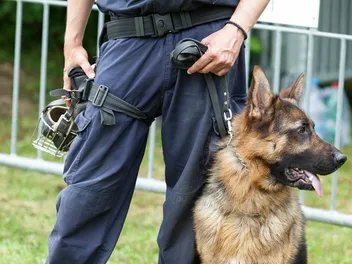
Although breed plays a huge part in the reason that some dogs are more likely to protect you than others, you also have to consider the temperament of the dog as an individual. For example, German Shepherds might be well-known for being excellent police dogs, but not all of them make it through K9 training. It’s similar to how not all Labrador Retrievers have the focus and dedication to make good guide dogs.
They’re still good dogs even if they don’t meet the standards required for police work or other jobs. They simply don't have the right temperament for a job that someone wants them to do. Your protective German Shepherd might be terrified of loud bangs or not have the confidence that makes them an excellent guard dog.
While you can train a dog to protect you if they don’t already have that spark, they’ll struggle to excel as much as another dog would.

Training 🎾
Something you do have to remember about dogs is that from a very young age, they learn that humans are good. They might be wary around strangers or aggressive toward everything that they’re unfamiliar with, but with proper socialization and obedience training, people are seen as good things. Most of all, they’re a source of food and ear scratches.
This is partly what makes small dogs more likely to snap at threats than large breeds. Large dogs are more likely to be taught good manners and to be gentle when they’re puppies because they quickly get bigger, stronger, and harder to control. Small breeds stay small and cute, and their aggressive behavior isn’t seen as a problem by most owners until it already is one.
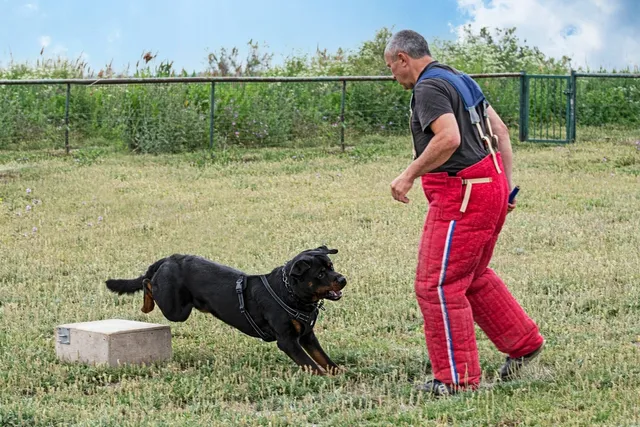
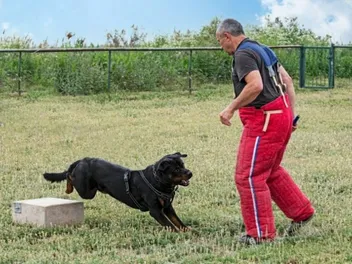
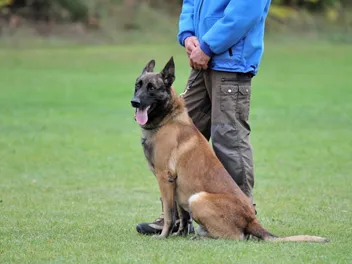
Unfortunately, your dog’s good behavior often leaves them confused about how they’re supposed to protect you. If they’ve been taught not to bite, bark, or jump up at people, they won’t know how to protect you. However, you can train dogs to protect you on command. This gives them a direction to follow that will tell them when and where their protectiveness needs to come into action and when to back off.
However, some dogs are excellent at discerning a person’s actions and interpreting their approach as friendly or not. This is, after all, how guard dogs assess a situation before they decide to attack or stay put.

How Do Dogs Protect Their Owners?
Most dogs might be inclined to run the other way or sit and watch when someone attacks you, but many of them still protect you. They might not be the dramatic, snarling, and biting heroes that you imagine them to be, but they can and do protect you in their own way.
Presence
The fact that there are so many misconceptions about dogs shows that they can be effective in protecting you from attackers. Perhaps not in the way that you imagined them to be, but their presence can be a deterrent alone.
Take a breed like the Great Dane, for example. Their size is intimidating, even to people who are familiar with dogs. Even if you didn’t know that they once hunted wild boars and are dedicated home guardians, they are likely to scare away an attacker simply by bounding up to them and barking.
That said, if you're attacked by someone who knows that Great Danes are massive softies, their presence won’t be much of a deterrent at all. A kind word, a treat, and ear scratches are often more than enough to make a new friend. This is why training your massive guard dog to use their instinctive protectiveness can help.

Watchdogs
Dogs are equipped with impressive senses that help alert them to trouble. Their nose, ears, and eyes all work together to observe their surroundings and keep them safe. Your Basset Hound might become best friends with a burglar, but they also won’t be quiet when the burglar walks up to your back door.
In many cases, a dog’s bark might be worse than their bite, but it can also be a good deterrent. If your dog isn’t known for making excessive noise all the time, the more noise they make when they need to, the more attention they’ll draw. For an attacker who wants to make a quick stop and an easy getaway, attention is the last thing that they’ll want.
Don’t rely on this alone, though. Unless you train your dog specifically to react to certain triggers, it’s difficult to say what sets them off. It’s also easy to quiet them down. After all, few dogs will say “no” to a handful of treats or a juicy bone.
Frequently Asked Questions
How Can You Protect Yourself from Attackers?
Hopefully, you and your dog will never experience a situation where you’ll need them to protect you. There are a few ways that you can defend yourself and your dog without relying solely on them to protect you. Here are a few quick tips:
- Invest in guard dog training
- Stay alert, and avoid dangerous situations or walking routes
- Carry pepper spray
- Take a self-defense course
- Walk with a friend or family member

What’s the Difference Between Protection and Aggression?
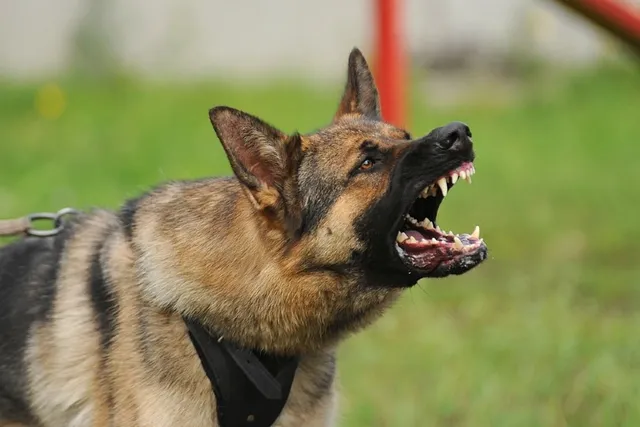
Many people don’t realize that there’s a big difference between protective behavior and aggression. This is often why a dog owner will let their tiny Chihuahua “guard” their lap by snapping at anyone who comes close—the tiny dog’s overprotectiveness is adorable. Unfortunately, this behavior often isn’t a response to an actual threat to you; it’s your dog’s response to their jealousy or possessiveness toward you. It can also escalate until your dog is reacting to everything with snarls, bites, or other unwanted behavior. When your dog reacts aggressively to everything, even when it’s not a threat, they’re not being protective, they're just reacting. Aggression is a common problem in dogs and needs to be corrected through training and socialization. Conversely, protectiveness is an instinctive behavior that all dogs have, especially the breeds that are bred for guarding. Most of the time, it isn’t a bad thing either; it’s just your dog being loyal, observant, and dependable. Dogs will also react to your emotional response to situations. Protectiveness can lead to aggression in certain cases, but with the right training, you can teach them to assess the situation and decide whether there’s a threat before they overreact. Protective dogs will also back down and relax as soon as they realize that there isn’t a threat. This can be after they’ve assured themselves that everything is safe or with a command from you.
Conclusion
Despite popular belief, many dogs won’t protect you if you’re attacked, and these can include breeds that are known to be naturally protective. In many cases, dogs that protect their owners are trained to do so and will respond to a command that tells them to act in a certain way. It’s rare for a dog to protect their owner instinctively, and many are happy to make friends with your attackers. Even if your dog is a well-known guard dog breed, don’t rely on them to protect you. Invest in guard dog training, but also take steps to protect yourself by carrying pepper spray, learning basic self-defense, or walking with a friend.
Sources
Featured Image Credit: SasaStock, Shutterstock
Expert dog care, straight to your inbox
Vet-reviewed advice, training tips, and the best of Dogster. Free, and you can unsubscribe anytime.
By signing up, you agree to our Terms & Conditions and Privacy & Cookies Policy.
Nicole has loved animals of all sizes her whole life so it's no wonder she has dedicated her career to helping them through what she loves best: learning, writing, and sharing knowledge with others. She’s the proud mom of two dogs, a cat, and a human. With a degree in Education and 15+ years of writing experience, Nicole wants to help pet parents and pets around the planet to live happy, safe, and healthy lives.
Join the conversation
Ask a question, share your story, or send private feedback.