How to Train a Basset Hound: 5 Vet-Approved Tips & Tricks


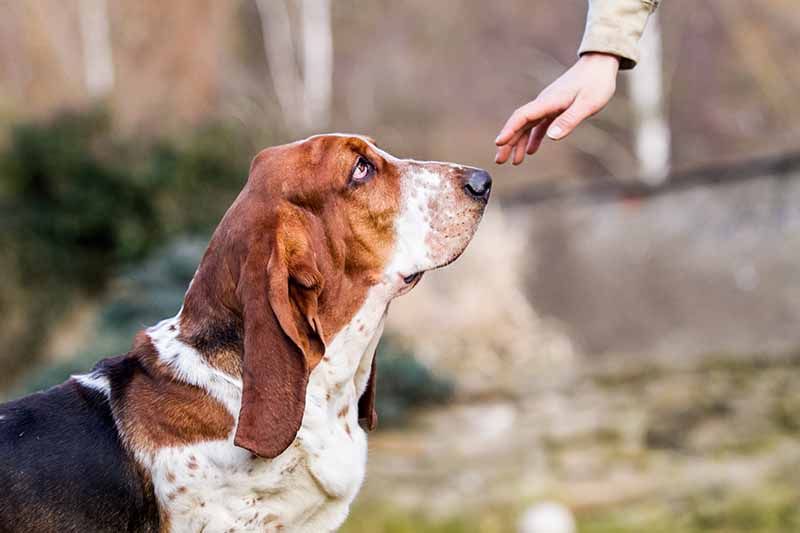
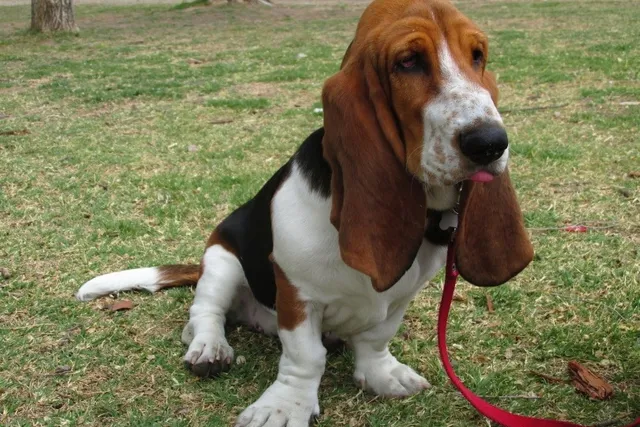
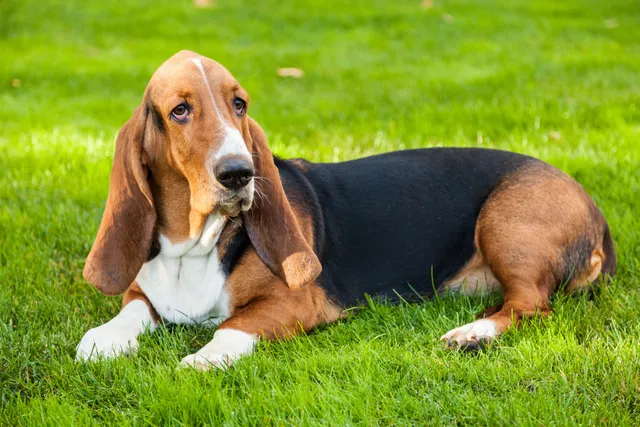
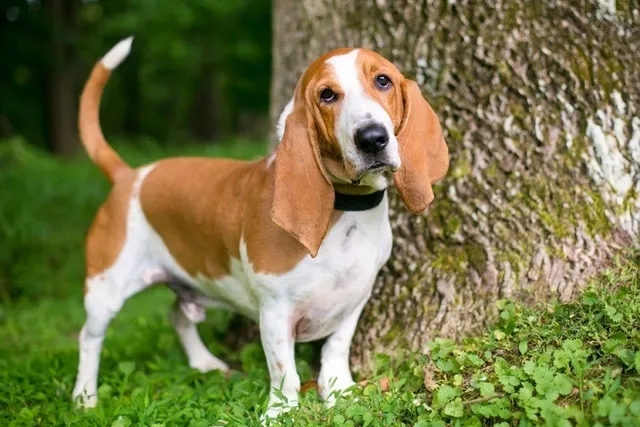
Basset Hounds are among the cutest canines, and many people keep them as pets. They have the cutest floppy ears and the sweetest puppy dog eyes, but it’s important to remember that, like with any other dog, you also have to train a Basset Hound to prevent undesirable behavior.
Behind their big eyes and sweet demeanor is a dog originally bred for scent hunting, which means they have a strong prey drive and an exceptional sense of smell that can come with some challenges and particularities when attempting to train them. Whether it’s potty training or obedience training, you need to start young with the Basset Hound.
If you’ve been trying to train your Basset Hound Puppy and are left scratching your head, follow the tips below to succeed.

The 5 Tips to Train a Basset Hound
1. Establish a Routine
When you bring home a new Basset Hound puppy, it's vital to establish a consistent routine. It’s best to show the puppy where they're supposed to go to the potty immediately. You’ll also need to show them where the food and water bowls are and be consistent about when you feed your new little friend. It’s crucial for the dog’s health and potty training, so make sure this is one schedule you stick to consistently.
Puppies must be fed three or four times a day, but an adult Basset Hound should have one meal in the morning and one in the evening. If you feed your dog at the same time every day, the schedule will help you regulate when to take your dog outside.

2. Don’t Rely Only on Treats, Use a Variety of Reinforcers
While you certainly want to use positive reinforcement when training your Basset Hound Puppy, you don’t want to rely heavily on treats to get the dog to do what you want. We aren’t saying not to use food as motivation, as it works exceptionally well with Basset Hound Puppies. We are saying that it’s not the only source of positive reinforcement you should use.
One reason not to rely entirely on treats is that some dogs may become less motivated by food in certain situations, and training should incorporate multiple types of rewards to maintain engagement. It’s best to use the treats in combination with praise and pets or play and access to a preferred toy or activities. A pet parent’s praise goes a long way toward getting the Hound to do what you want. Also, if you rely too heavily on treats, your pup can quickly gain weight.
3. Teach a Bridge Word
The first word you want to teach your Basset Hound is “Good.” This will be used as a marker (or bridge) signal and will be the foundation of training for your dog. You’ll eventually teach them “sit,” “roll over,” “stay,” and more, but "Good" should be used consistently to mark the exact moment they execute desired behavior and let them know a reinforcer is coming.

4. Respect Your Pet
While you must be firm with your Basset Hound, you must also respect them. Never yell at or hit your pet when they don't listen or have an accident. You’ll want to teach your dog to trust you and understand expectations, so you’ll need to respect the puppy in return.
There is no single method that works for every dog, as long as you’re patient and use positive, reward-based training methods. A clear, calm interruption and redirection when the dog does something wrong or a “Good boy” when they do the right thing is a start, but you and every family member must be consistent for the training to work.
5. Use Different Types of Training
Potty training your Basset Hound is a priority, but you can use several techniques, such as crate training, to teach your pup how to behave in your home.
Here are some training methods you can use to help your dog get used to their environment and new family.
- Crate training
- Socialization training
- Training for being handled
- Leash training

FAQ on Training Your Basset Hound
Now that you know what you need to know about training your Basset Hound puppy, we’ll answer a couple of the most common questions below.
How Do I Discipline My Basset Hound?
Basset Hounds are more responsive to rewards than they are to punishment. Punishment-based methods are not recommended, as they can increase fear, anxiety, and unwanted behaviors. It’s best to interrupt the behavior calmly and redirect your dog to an appropriate alternative instead of yelling at them for the best results. Positive reinforcement works wonders with this breed.

How Much Time Should I Spend with My Basset Hound?
You should be prepared to spend a lot of time with your Basset Hound, not just training them but bonding with them. Make sure that your pup gets a daily playtime and mental enrichment, and that you walk them every day. Spending time with other people and pets will also help socialize your dog when interactions are positive and well-managed.
Summary
Basset Hounds are adorable and some of the gentlest dogs you can find. However, they can be willful and vocal, and training one can be difficult. However, it’s also a rewarding experience once the puppy is trained and well on their way to being an obedient pet.
The tips above will help you train your pet with respect, patience, love, and positive reinforcement. The result will be a well-trained, loving Basset Hound who will be by your side for many years.
Featured Image Credit: Aneta Jungerova, Shutterstock
Expert dog care, straight to your inbox
News, insights, expert advice, and everything dog.

No spam — unsubscribe anytime.
By signing up, you agree to our Terms & Conditions and Privacy & Cookies Policy.
How useful was this post?
Click a star to rate. You can leave written feedback afterwards. (We read all feedback.)
Patricia is an experienced pet writer and lifelong animal lover. When she isn’t writing, Patricia enjoys spending time with her pets, cats Binx and Link and dog Mystery. Mystery and Link have been with her since birth. Binx was found under her house as a kitten and promptly welcomed into the family. Patricia enjoys volunteering at her local rescue shelter and sharing her extensive knowledge of pets.