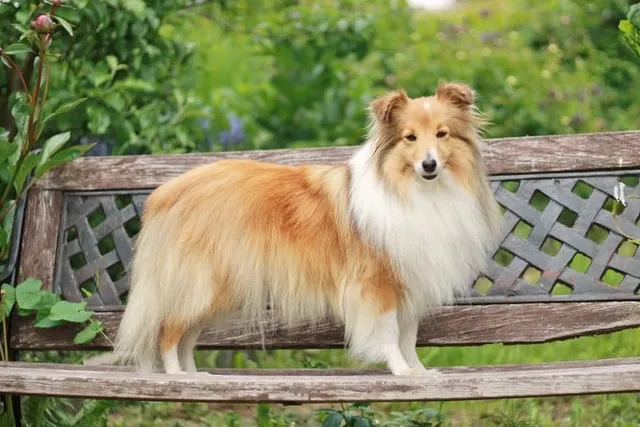
How to Train a Sheltie: 10 Vet-Verified Tips


In this article
Bringing home a new dog can fill you with excitement—along with a certain amount of trepidation. So much goes into the care of a dog, with training being one of the most important aspects of dog ownership.
If you just brought home a new Shetland Sheepdog, or Sheltie, you’re probably unsure where to start.
Here, we go over the basics of training your Sheltie and helping them become a well-behaved member of your family.

Get to Know Your Dog
You should be familiar with the Sheltie breed to start, but your dog will have their own unique personality and quirks.
In general, Shelties are quite trainable because of their intelligence and eager-to-please nature. But not every Sheltie will necessarily be this way; your particular dog might be more stubborn than others. You’ll need to have a solid understanding of your dog, as this will help inform your training methods.

Be Prepared
Before attempting training, you should ensure that you have everything that you need on hand, including treats! Get ones that your Sheltie loves.
Since you should concentrate on one lesson at a time, always check that you have the equipment for each trick or command. For example, when socializing your Sheltie, you’ll need a leash and collar or harness.

The 10 Tips for Training a Sheltie
1. Socialization
All training needs to begin with socializing your Sheltie puppy. If you’ve adopted an adult, you can still socialize and train them; they’ll just need more time and patience.
Take your Sheltie out for walks, and introduce them to as many people, places, and other animals as possible. This should be relatively easy to accomplish, as the Sheltie is an easy-going and friendly breed.
Socialization will help reduce stress and anxiety as the dog matures and makes them more confident and less likely to be reactive or insecure.
2. Housetraining
Housetraining takes time and requires a great deal of patience and persistence. You can start the process when they are about 8 to 16 weeks old, but the training might last 4 to 6 months. Accidents are less likely to happen once they are over 1 year old, though, although it can vary somewhat depending on the puppy’s personality and early experiences.
The most important part of housetraining a puppy is to be patient and follow a routine. Generally speaking, take your puppy outside first thing in the morning, immediately after they’ve eaten, several times throughout the day depending on their age, and then before bedtime.
A general “rule” of housetraining a puppy is that they need to eliminate based on how old they are, plus one, although some puppies may need to go more or less frequently. This means a 3-month-old puppy can only wait 4 hours before they need to have a bathroom break.

3. Positive Reinforcement
Positive reinforcement is one of the most effective and widely recommended ways to train any dog. Shelties are quite eager to please but sensitive, and punishment should never be used during the training process of any dog.
When your dog makes a mistake or does something wrong, never scold; you need to be calm and patient. Using punishment instead of positive reinforcement is often linked to increased stress and fear behaviors. This is why treats and praise are necessary when they do well. You should ignore and redirect undesirable behavior by having your Sheltie do something else immediately and reward that instead.
For example, ask them to “come,” and when they do, give them a treat. Basically, you're redirecting them from unwanted behavior to desired behavior.
If you are worried about your dogs behavior, we suggest speaking to a vet
4. Leash Training
Leash training is essential for all dogs but especially the Sheltie. They are high-energy former sheepdogs and have a high herding instinct. They are naturally prone to chasing and herding almost anything!
An important aspect of their training is having your Sheltie walk nicely on a leash without pulling.

5. Basic Obedience Commands
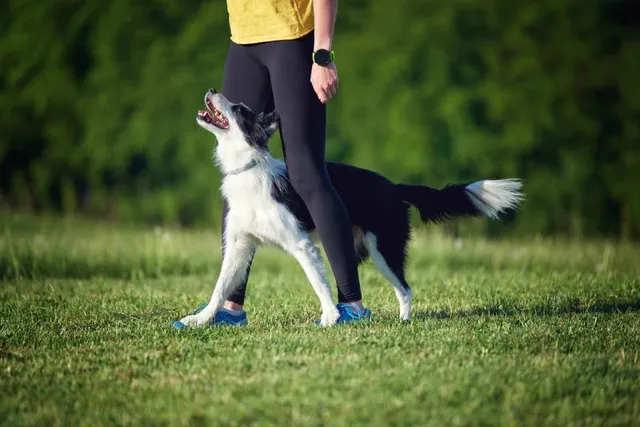
You need to teach your dog basic obedience commands, including “sit,” “come,” “down,” “stay,” and “heel.”
Teach each command one at a time, and once they have mastered it, move on to the next one. Always use positive reinforcement.
These commands will take a great deal of patience, repetition, and encouragement from you, but they will keep your Sheltie and everyone around them safe.
6. Consistency
Consistency is crucial during your training sessions! Always use the same methods, and each command should be taught with the same steps.
All family members should be a part of the training process. They should be shown the techniques that you’re using to keep things simple and to avoid confusion for your Sheltie. The more consistent you keep things, the faster your Sheltie will learn.

7. Short & Fun Training Sessions
All training sessions must be kept short and interesting. Your Sheltie will quickly become bored, otherwise, and lose focus. That goes double for puppies!
Aim for training sessions of 10 to 15 minutes at the most, but you can repeat them several times a day.
8. Recall
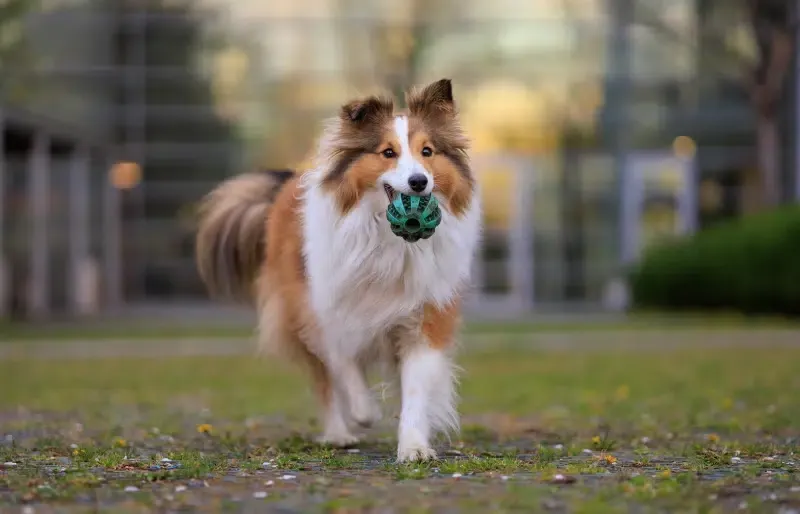
Recall is technically a basic obedience command, but it can be considered advanced and even crucial for Shelties. These dogs can be easily distracted when their herding instincts kick in, so they must be taught “come” or “recall.”
Puppies can begin learning recall at a young age, but it often becomes more reliable as they grow and continue practicing. Recall is especially useful when your dog is off-leash, so it’s important to practice regularly.
You start with short distances and slowly build to longer distances and add distractions. You can even eventually teach them to come without treats.

9. Barking
An undesirable habit that Shelties are known for is excessive barking. But you can train your dog to reduce their barking or even bark on command!
It’s important to stay on top of this behavior as early as possible, or it can turn into a bad habit.
10. Obedience Class
Enrolling your Sheltie puppy in an obedience class will help with the socialization part of things. You also get extra support if you find training to be a bit challenging.
Training your Sheltie will help you bond with them, and the classes will help reinforce the lessons that you’ve already started and teach more advanced commands.


What About Crate Training?
A crate can provide your dog with a safe space that gives them a sense of security when introduced to it correctly. It should be a place where your dog can go when they are feeling stressed, overwhelmed, or anxious, for example, during a thunderstorm or when lonely. The crate should never be used as a form of punishment.

Should You Use a Clicker?
A clicker can be an effective tool for training your Sheltie. Basically, when you’re teaching your dog a command, and they do it successfully, you press the clicker and follow the sound with a treat.
It is essentially “marking” the moment that your dog performed an act correctly. For example, when teaching your dog to sit, you click the moment that they actually sit.
You don’t need to run out and purchase a clicker either; you can snap your fingers or blow a whistle. You can simply use a verbal command, such as “good” or “yes,” or tap your dog lightly on the shoulder if they are hearing impaired.
The benefit of clicker training is that it makes it clear to the dog what they are being rewarded for. If you're teaching your dog to sit without the clicker, your dog might get up and walk toward you for the treat, so the meaning of the reward might be lost.
Conclusion
A trick that might help when you start training your Sheltie is to exercise them before a training lesson. Don’t overdo it—you don’t want your dog to fall asleep! But you also don’t want them to be overexcited during training.
Shelties can be easy to train, and when you use the right techniques and remember to be consistent, you’ll soon have a beautiful and well-trained companion!
Featured Image Credit: Barcs Tamás, Unsplash
Expert dog care, straight to your inbox
Vet-reviewed advice, training tips, and the best of Dogster. Free, and you can unsubscribe anytime.
By signing up, you agree to our Terms & Conditions and Privacy & Cookies Policy.
Kathryn was a librarian in a previous lifetime and is currently a writer about all things pets. When she was a kid, she hoped to work in a zoo or with wildlife in some way, thanks to her love for animals. Unfortunately, she's not strong in the sciences, so she fills her days with researching and writing about all kinds of animals and spends time playing with her adorable but terribly naughty tabby cat, Bella. Kathryn is hoping to add to her family in the near future – maybe another cat or two and a dog.
Join the conversation
Ask a question, share your story, or send private feedback.